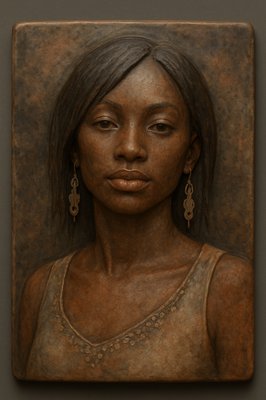
Noble Woman With Landscape Art

a woman with blonde hair and a blue scarf around her neck
a woman with red hair wearing a headband
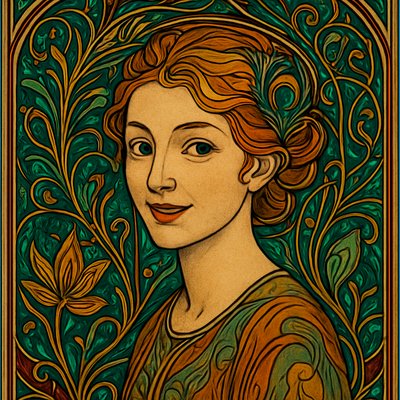
a painting of a woman with red hair
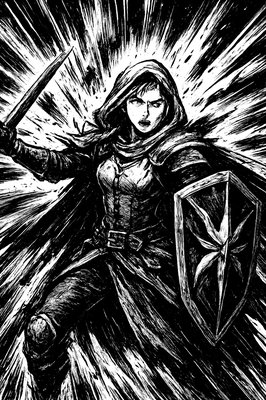
a painting of a woman with a sword
a painting of a woman with horns and leaves on her head
a woman with glasses and a star in the background
a painting of a woman with a red bandana
a woman with a bubble gum in her mouth
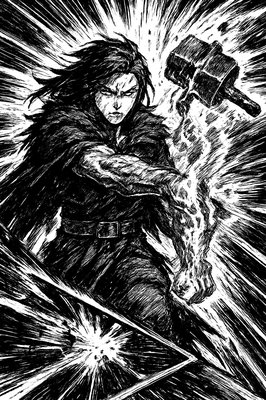
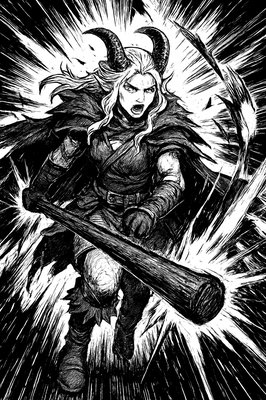
a drawing of a woman with a hammer in her hand
a woman with a blue light on her face
a painting of a woman with a red head scarf
a drawing of a woman with horns and a sword
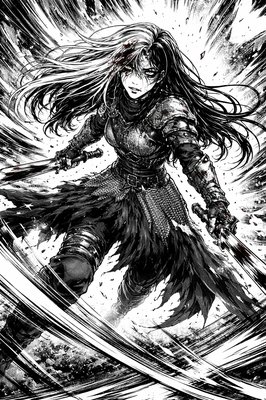
a painting of a woman with a sword and armor
An evocative, emotive and respectful interpretation of Psalm 8:3-6 from the Christian faith. The style should take inspiration from the color pallet and brush strokes of the Romantic era. The grandeur of the night sky with its silvery moon, twinkling stars, and billowy clouds is prominently featured. A humble woman with red hair is observing these celestial wonders, symbolizing their reflection on God's creation. While there are no words or text in the image, the overall atmosphere is one of devotion and reverence.
a drawing of a woman with a sword and a sword
Digital Art Style, Romanticism Art Style, a profoundly majestic and spiritually charged painting inspired by Psalm 8:3-6. The scene features a vast, sweeping, and dramatically illuminated night sky, showcasing a luminous, prominent moon and countless brilliant stars rendered with ethereal digital glows and deep atmospheric effects. In the foreground, standing small against the overwhelming scale of the cosmos, is a solitary woman with long red hair, wearing simple, flowing attire. She is viewed from behind, positioned on a rugged, dark overlook, with her head and hands tilted upwards in an expression of intense awe and spiritual contemplation. The painting is dominated by dramatic digital chiaroscuro, with the radiant glow of the moon and stars breaking through deep, digitally enhanced shadows. Focus on the sublime, emotional impact of the vast heavens, the striking contrast between light and digitally rendered darkness, and the solitary woman's intense, spiritual communion with the divine works.

Digital Art Style, Romanticism Art Style, an overwhelmingly majestic and spiritually transformational painting inspired by Psalm 8:3-6. The scene captures a sweeping, sublime night sky, featuring a visible, prominent moon and countless brilliant stars, all rendered with luminous, dramatic glow. In the foreground, standing small against the infinite scale of the cosmos, is a solitary woman with long red hair, wearing simple, flowing attire. She is gazing upward, and a blinding shaft of pure, ethereal divine light—representing the glory and presence of the Lord—breaks through the veil of the deepest heavens, bypassing the moon and stars. This light dramatically envelops and transforms the woman, causing her clothing and hair to visibly glow with celestial energy. The artwork uses extreme digital chiaroscuro to emphasize the moment of spiritual encounter, with the vast sky and surrounding earth serving as a dark backdrop to the radiant divine presence. Focus on the sublime scale of the cosmos, the electrifying, transformative power of the pure divine light, and the solitary woman's luminous spiritual encounter against the immense majesty of the creation.
Photorealism Art Style, a breathtaking, upward-looking perspective from the ground, portraying ancient Jewish cosmology for Psalm 8:3. In the lower frame, a young woman with long, flowing red hair, dressed in simple, ethereal white heavenly attire, stands on subtle, ancient earth, gazing upwards with an expression of profound awe and wonder. Above her, the night sky transitions into a vast, layered structure of heavens. Clearly visible is a translucent, crystalline firmament (raqia), appearing as a colossal, shimmering barrier. Within this firmament, large, distinct stars and a glowing crescent moon are vividly captured, appearing as tangible, luminous objects "set into" its surface, radiating a soft, internal light. Beyond and above this firmament, immense, dark yet shimmering celestial waters are visibly contained, looking like a real, suspended ocean reflecting an unseen, brilliant divine light from the highest reaches. The overall scene is imbued with deep blues, celestial purples, and radiant golds from the embedded lights. Focus on the woman's reverent expression, the stunning depth of the layered heavens seen from below, the realistic texture of the firmament, and the tangible, luminous quality of the stars and moon within it, creating an image of overwhelming ancient wonder and divine majesty.
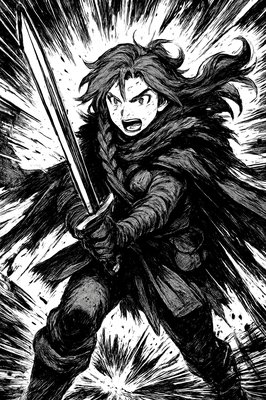
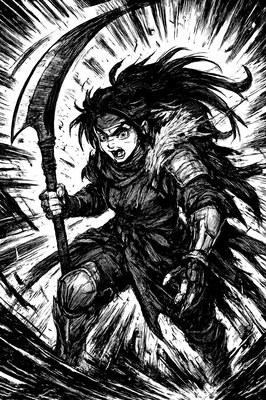
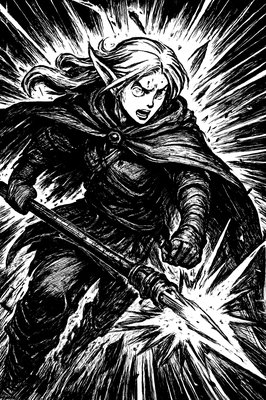
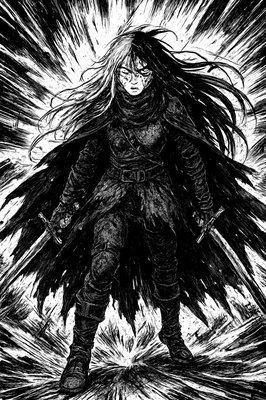
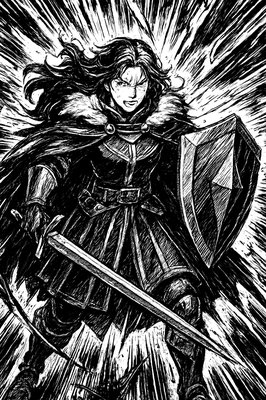
a black and white drawing of a woman with a sword
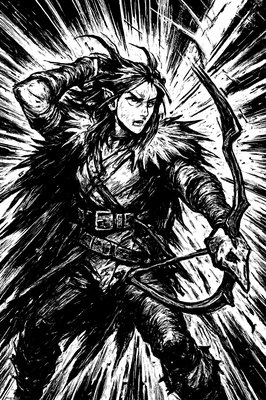
a black and white drawing of a woman with a bow
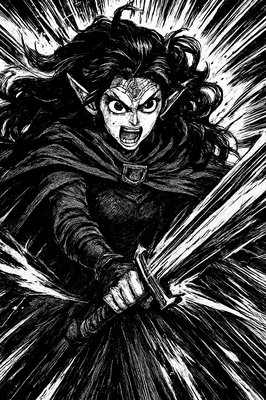
a black and white drawing of a woman with a sword
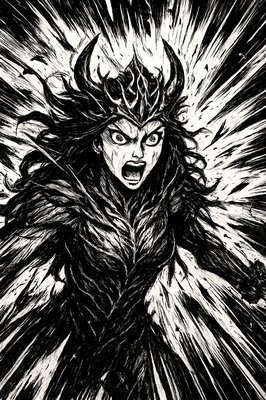
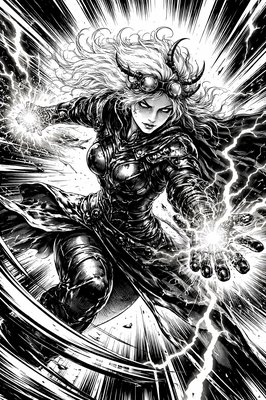
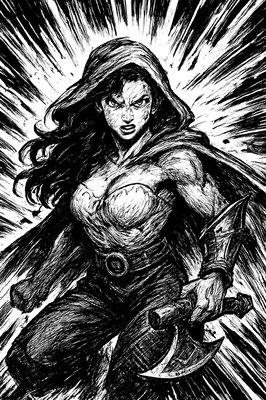
a black and white drawing of a woman with horns
a black and white drawing of a woman with a sword
Stoic philosopher
Woman
A man and woman long distance thinking about each other
A historically accurate and deeply somber depiction of the immediate aftermath of the Wounded Knee Massacre in December 1890. The scene captures the desolate, snow-covered landscape of the Pine Ridge Reservation. Focus on the fallen Lakota men, women, and children, scattered across the snow, their bodies still and tragic. A few surviving individuals are shown in postures of profound grief or shock, perhaps tending to the wounded. The distant presence of U.S. soldiers, heavily armed, stands as a stark and cold counterpoint to the devastation. The atmosphere is one of profound sorrow, loss, and the brutal silence of winter. The lighting is cold and muted, emphasizing the harshness of the environment and the tragedy of the event. The artistic style should be a realistic, painterly approach, evoking the historical period with unflinching honesty but without graphic sensationalism. The intent is to serve as a memorial to the victims and a historical testament to the tragic event."
It is better to dwell in the corner of the housetop, than with a brawling woman and in a wide house.
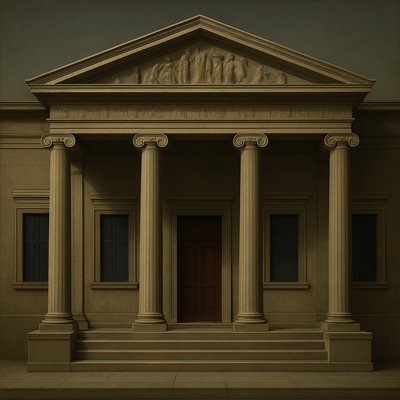
house with front view
good man and good woman
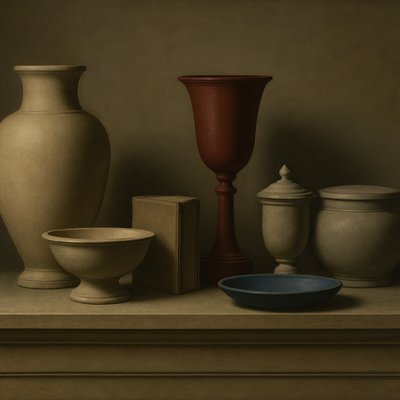
still life with everyday objects
portrait of a person with expressive eyes
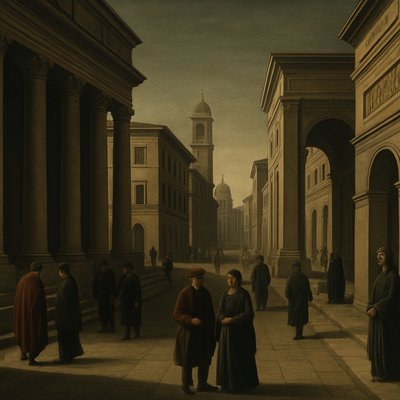
urban street with city activity
It is better to dwell in the corner of the housetop, than with a brawling woman and in a wide house.
house with front view
Neoclassicism Art Style Style Transfer Example
a tree in nature
bicyle resting against a wall