Noble Woman With Landscape Art

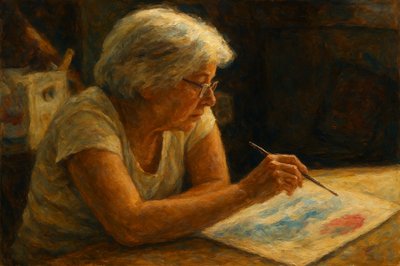
a drawing of a woman's head with lines on it
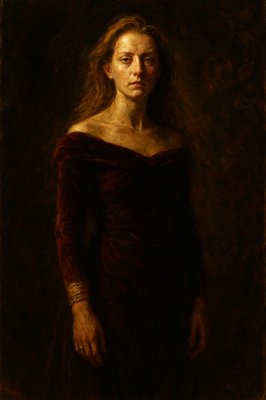
And he turned to the woman, and said unto Simon, Seest thou this woman? I entered into thine house, thou gavest me no water for my feet: but she hath washed my feet with tears, and wiped them with the hairs of her head.
Luke 7:44 (KJV)
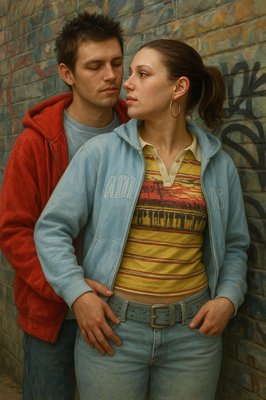
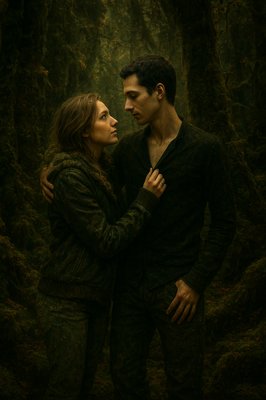
a man and a woman leaning against a fence
a black and white photo of a woman
a woman in a black and white dress holding a camera
a woman's face with colorful swirls in the background
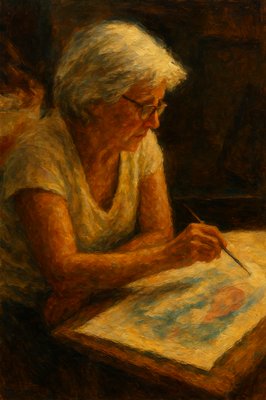
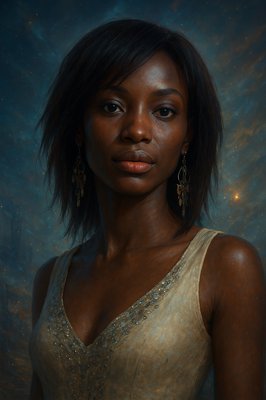
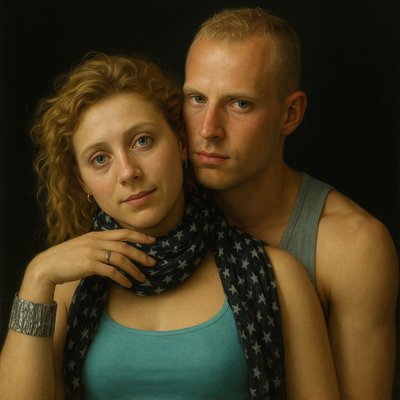
a painting of a woman in a tank top
It is better to dwell in the corner of the housetop, than with a brawling woman and in a wide house.
a black and white photo of a woman wearing a scarf
a black and white photo of a woman wearing a headscarf
a black and white photo of a woman's face
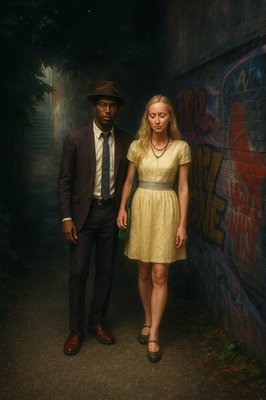
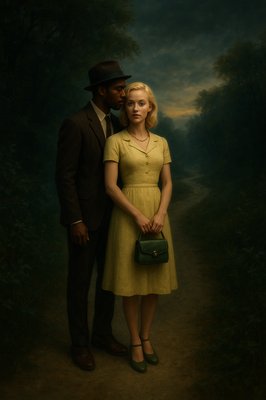
a man and a woman standing next to a wall
Photorealism Art Style, a majestic snow leopard running alongside a determined red-headed woman, both snow skiing down a pristine, powder-covered mountain slope. The woman is gracefully carving turns, her red hair flowing, while the snow leopard keeps pace effortlessly beside her. Bright, natural daylight, crisp mountain air, a backdrop of snow-capped peaks under a clear blue sky. Focus on dynamic action, realistic textures of fur and snow, and natural light.
a painting of a woman in a red cape
a black and white photo of a woman's face
a woman in a black top posing for a picture
a woman laying on top of a bed next to a wall
a painting of a woman wearing a red scarf and a black hat
a man and a woman standing next to a brick wall
a painting of a woman looking in a mirror
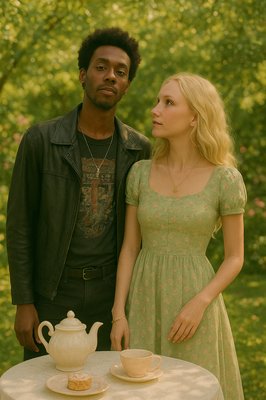
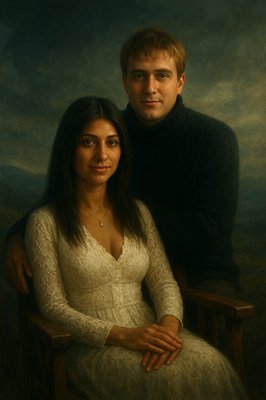
a man standing next to a woman near a table
a painting of a woman wearing a red bandana
A statuesque woman dressed in high-fashion 1930s Great Depression era glamour, imbued with a strong Art Deco aesthetic. She stands confidently, showcasing a bias-cut evening gown of shimmering silk or satin in a rich jewel tone (e.g., emerald green, sapphire blue, ruby red, or metallic silver/gold). The gown features an elongated, sleek silhouette, perhaps a dramatic cowl neck, a plunging back, or subtle shoulder pads. Her hair is styled in soft, sculpted finger waves. She wears elegant, long gloves and carries a small, decorative clutch bag. The background is a sophisticated Art Deco interior, perhaps with geometric patterns, polished chrome details, and ambient, dramatic lighting, or she stands against a backdrop of Art Deco skyscraper architecture. The overall mood is one of sophistication, elegance, and timeless allure."
"A historically accurate depiction of a Ghost Dance, focusing on the late 19th-century context, specifically around 1890-1891. The scene shows Lakota (Sioux) or Northern Paiute people (specify one or include elements of both, but avoid anachronisms) participating in the ceremony.

Setting: A vast, open prairie or high desert landscape, under an expansive sky. The time of day could be dusk or night, with a prominent moon or stars, or a bright, clear day. Avoid overtly spiritual or ethereal elements like floating spirits unless explicitly requested for a later, more symbolic iteration. The focus should be on the earthly ceremony.

Participants: A circle of men, women, and children, hand-in-hand, moving in a slow, rhythmic shuffle or circular motion. Their faces show a mixture of devotion, hope, and determination. Some may have expressions of trance or deep concentration.

Attire:

    Ghost Dance Shirts/Dresses: Emphasize the unique Ghost Dance shirts and dresses, which were typically made of muslin or canvas. These garments should feature painted designs such as stars, crescents, birds (especially eagles or crows), buffalo, human figures, or crosses. The designs should appear hand-painted, not mass-produced.

    Hair and Adornments: Participants should have braided hair or wear it long. Some may wear feathers (e.g., eagle or hawk feathers) in their hair. Minimal traditional adornments, as the focus was often on the Ghost Dance shirt itself. Avoid overly elaborate or Hollywood-esque depictions of war bonnets unless relevant to a specific individual and context.

    Footwear: Moccasins or bare feet.

Action/Atmosphere:

    The dancers are moving in a counter-clockwise circle, with a central figure or a small group often leading.

    The overall mood is one of earnest prayer and communal spiritual effort. The dance should convey a sense of hope for renewal and the return of the old ways, rather than aggression or despair.

    There might be a central pole or small fire as a focal point, around which the dance takes place.

    Avoid any signs of direct conflict or violence; the Ghost Dance itself was a non-violent spiritual movement.

Specific Considerations for Accuracy:

    Wovoka's Influence: The teachings of Wovoka (the Northern Paiute prophet) emphasized peace, hard work, and the return of the buffalo and deceased ancestors. The scene should subtly reflect this hopeful, redemptive spirit.

    Regional Variations: If focusing on Lakota, consider their specific interpretations, which sometimes included more imagery related to their warrior traditions on the shirts, but still within the peaceful framework of the dance.

    Respectful Portrayal: Ensure the depiction is respectful and avoids any stereotypical or caricatured representations of Indigenous people. Focus on their human dignity and spiritual sincerity.
a painting of a woman in a colorful dress
Oil Painting Art Style, a breathtakingly majestic and regal portrait of "The Queen in Gold of Ophir," inspired by Psalm 45. The Queen stands with impeccable grace and royal dignity, her posture radiating quiet power. She is adorned in an exquisitely elaborate gown woven entirely from the finest, purest gold of Ophir, shimmering with incredible richness. Her attire is intricately embellished with countless precious jewels—sapphires, rubies, and emeralds—each catching the light. A delicate yet regal golden crown rests upon her head, complementing her serene and noble expression. The setting is a grand, opulent royal palace chamber, with rich tapestries and polished marble, bathed in warm, golden, ambient light that dramatically illuminates her and her lavish garments. Focus on the unparalleled brilliance and texture of her golden gown, the sparkle of her jewels, her majestic presence, and the luxurious, sacred atmosphere befitting a queen in God's presence.
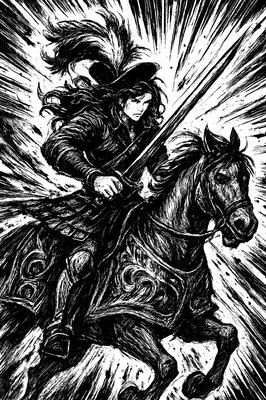
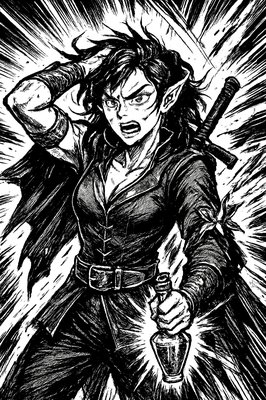
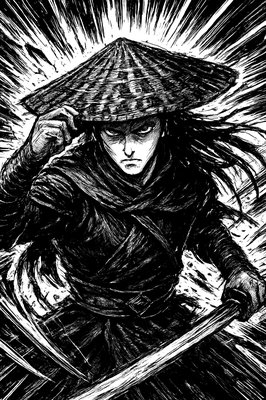
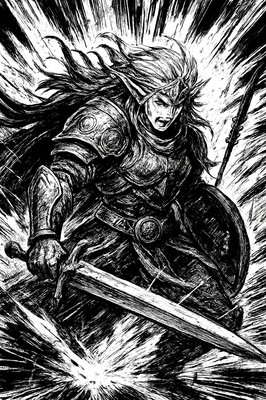
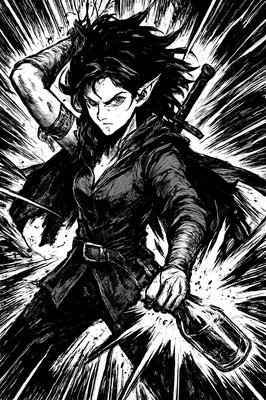
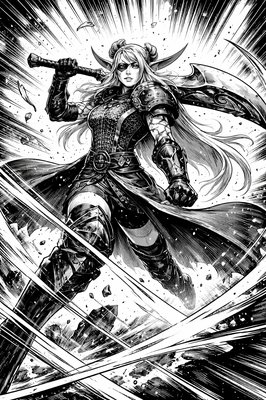
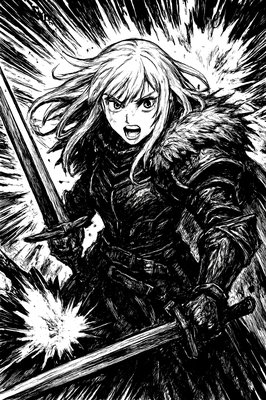
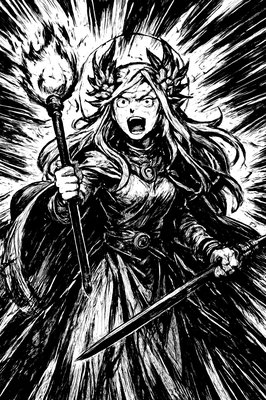
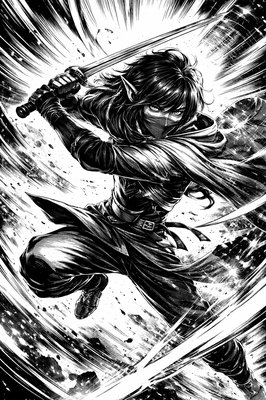
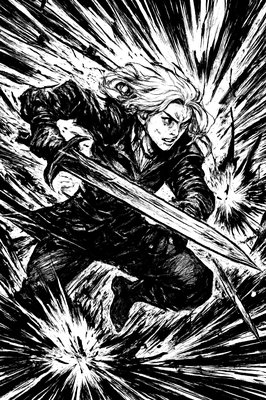
a black and white drawing of a woman holding a sword
a black and white drawing of a woman holding a wand
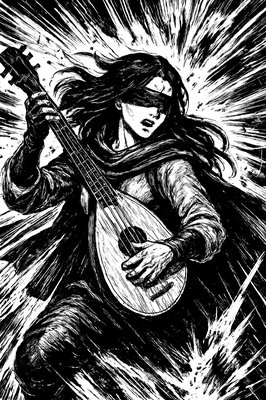
a black and white drawing of a woman holding a guitar
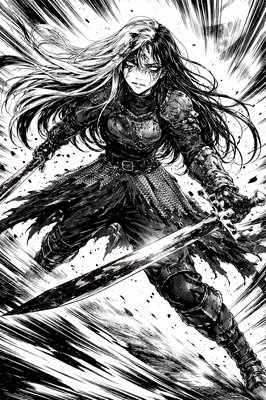
a black and white drawing of a woman holding a sword
a black and white drawing of a woman holding a gun
a black and white drawing of a woman holding a sword
a black and white drawing of a woman wearing a hat
a black and white drawing of a woman holding a sword
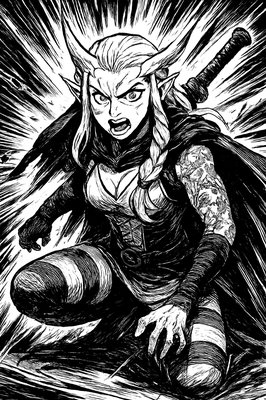
a drawing of a woman sitting on the ground