Marble Like Sculpture Of Greek Deity In The Art Style Of Neoclassicism V 6.1 Art

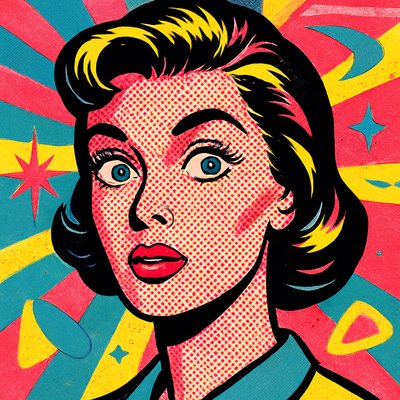
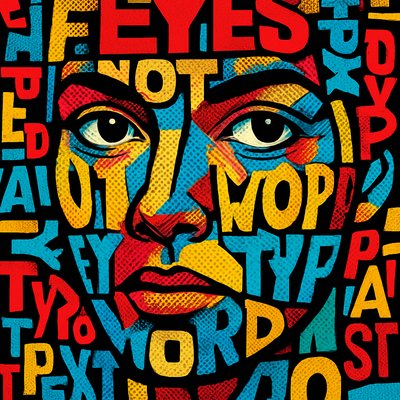
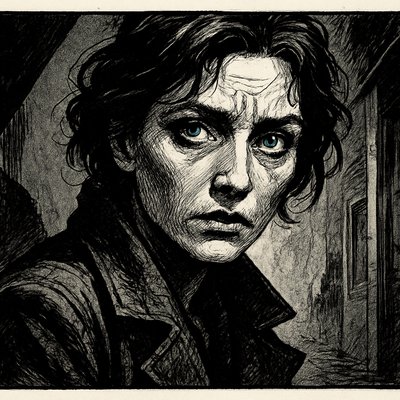
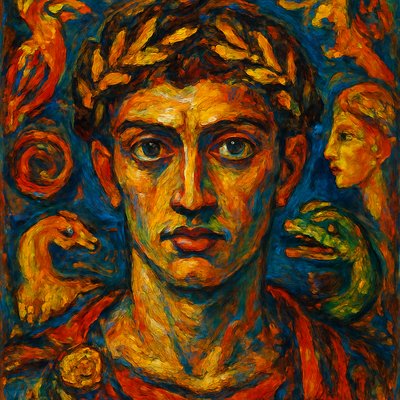
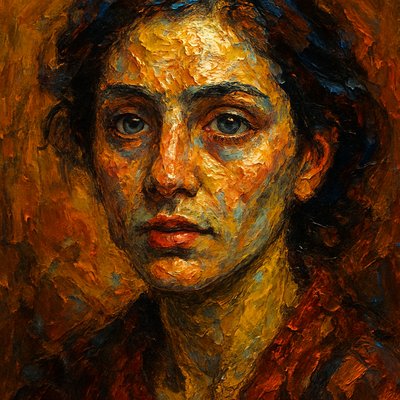
portrait of a person with expressive eyes
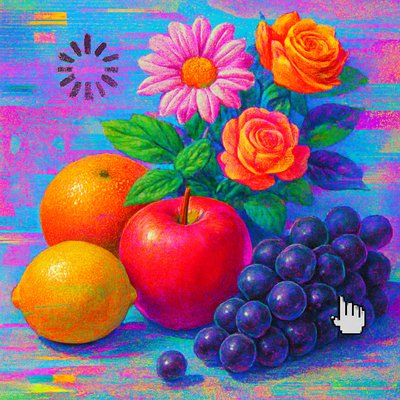
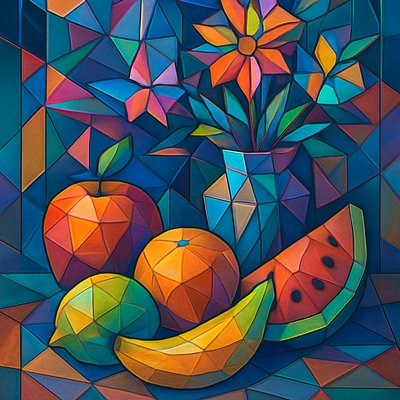
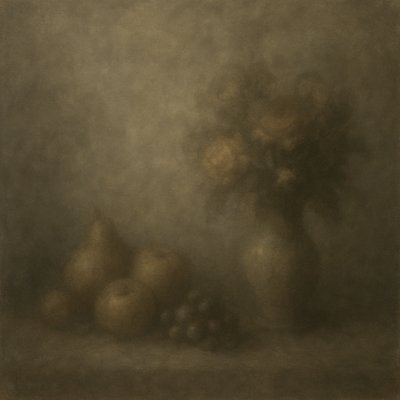
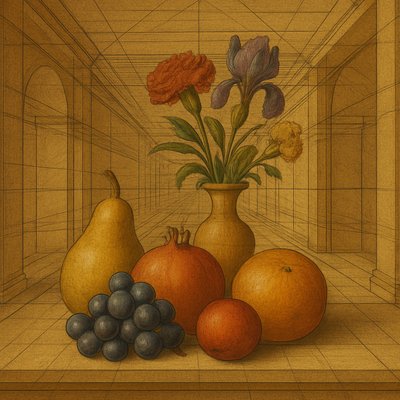
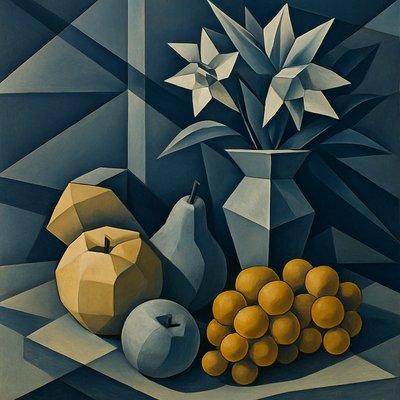
still life arrangement of fruits and flowers
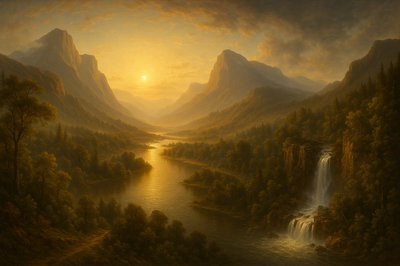
 A majestic oil painting of an American landscape in the style of the Hudson River School, blending the epic vistas and vibrant atmospheric effects of Frederic Edwin Church with the heroic scale and dramatic light-shadow contrasts of Albert Bierstadt, infused with Luminist qualities of ethereal glow, soft atmospheric transitions, and concealed brushstrokes for a tranquil, meditative ambiance. Depict a vast river valley at dawn, with towering mountains in the distance, cascading waterfalls, lush forests, and a serene river reflecting golden sunlight; include subtle elements of human exploration such as a distant trail or cabin, rendered in intricate detail with rich colors, sublime grandeur, and divine illumination
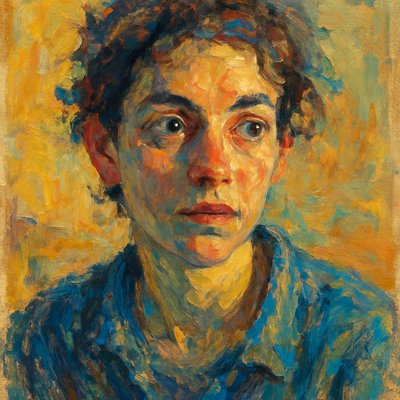
portrait of a person with expressive eyes
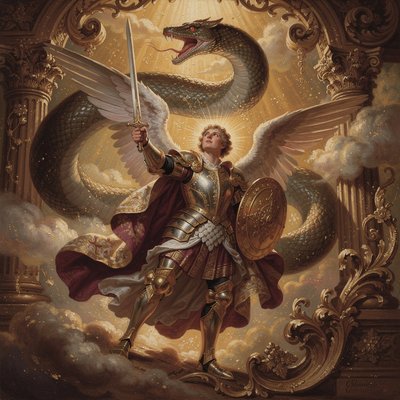
An Angel of God standing with full armor, sword, and shield, with massive wings, in front of a great serpent
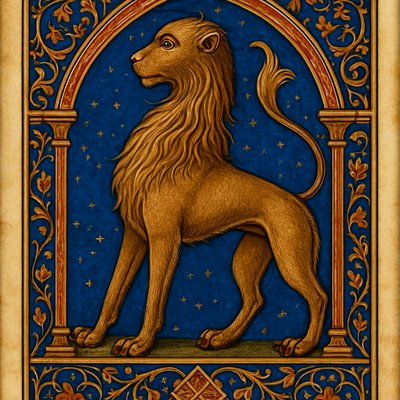
animal standing in natural pose
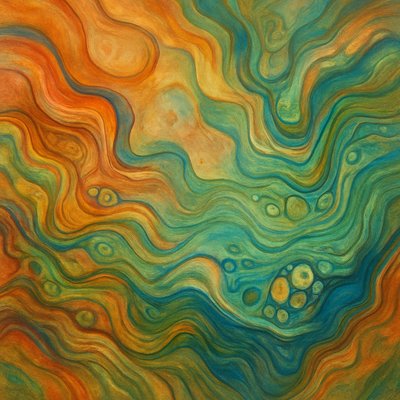
a painting of a colorful swirl with bubbles
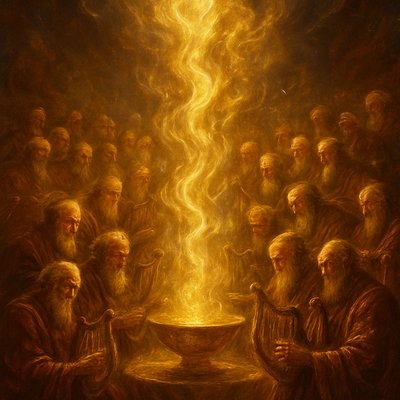
A majestic, ethereal scene depicting golden bowls brimming with luminous, swirling incense. The incense, representing the collective prayers of all saints, rises and coalesces into shimmering, golden tendrils that ascend towards an unseen heavenly throne. The bowls are held by 24 robed, elder-like figures, who are also holding harps, bowing in worship. The atmosphere is reverent and awe-inspiring, filled with soft, warm light emanating from the golden smoke. Emphasize the precious, divine, and unified nature of the prayers.
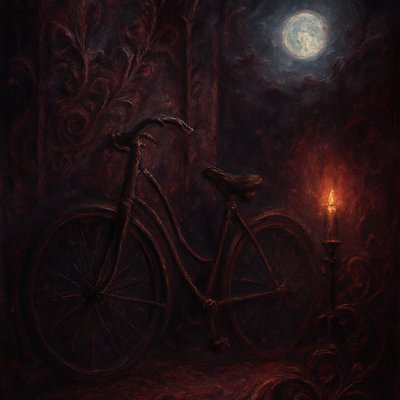
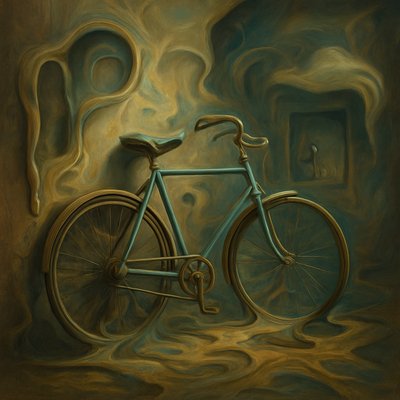
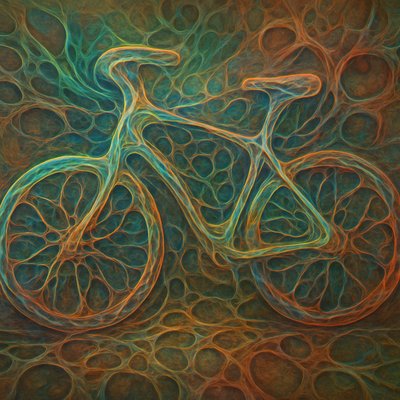
bicyle resting against a wall
still life arrangement of fruits and flowers
serene landscape with mountains and water
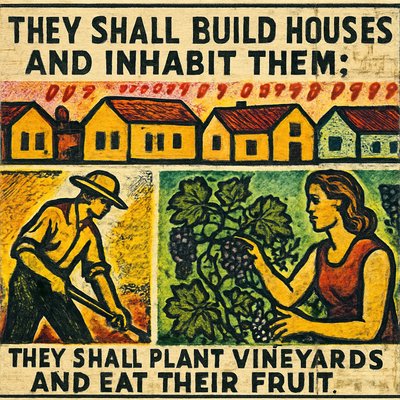
They shall build houses and inhabit them;
they shall plant vineyards and eat their fruit.
Propaganda Poster Design Style Transfer Example
portrait of a person with expressive eyes
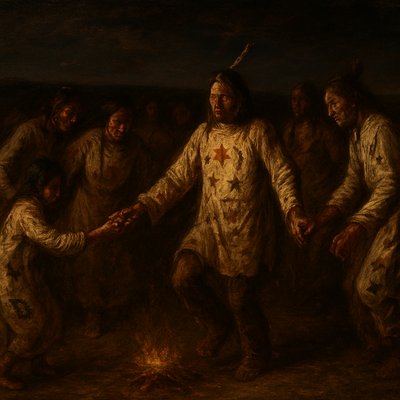
"A historically accurate depiction of a Ghost Dance, focusing on the late 19th-century context, specifically around 1890-1891. The scene shows Lakota (Sioux) or Northern Paiute people (specify one or include elements of both, but avoid anachronisms) participating in the ceremony.

Setting: A vast, open prairie or high desert landscape, under an expansive sky. The time of day could be dusk or night, with a prominent moon or stars, or a bright, clear day. Avoid overtly spiritual or ethereal elements like floating spirits unless explicitly requested for a later, more symbolic iteration. The focus should be on the earthly ceremony.

Participants: A circle of men, women, and children, hand-in-hand, moving in a slow, rhythmic shuffle or circular motion. Their faces show a mixture of devotion, hope, and determination. Some may have expressions of trance or deep concentration.

Attire:

    Ghost Dance Shirts/Dresses: Emphasize the unique Ghost Dance shirts and dresses, which were typically made of muslin or canvas. These garments should feature painted designs such as stars, crescents, birds (especially eagles or crows), buffalo, human figures, or crosses. The designs should appear hand-painted, not mass-produced.

    Hair and Adornments: Participants should have braided hair or wear it long. Some may wear feathers (e.g., eagle or hawk feathers) in their hair. Minimal traditional adornments, as the focus was often on the Ghost Dance shirt itself. Avoid overly elaborate or Hollywood-esque depictions of war bonnets unless relevant to a specific individual and context.

    Footwear: Moccasins or bare feet.

Action/Atmosphere:

    The dancers are moving in a counter-clockwise circle, with a central figure or a small group often leading.

    The overall mood is one of earnest prayer and communal spiritual effort. The dance should convey a sense of hope for renewal and the return of the old ways, rather than aggression or despair.

    There might be a central pole or small fire as a focal point, around which the dance takes place.

    Avoid any signs of direct conflict or violence; the Ghost Dance itself was a non-violent spiritual movement.

Specific Considerations for Accuracy:

    Wovoka's Influence: The teachings of Wovoka (the Northern Paiute prophet) emphasized peace, hard work, and the return of the buffalo and deceased ancestors. The scene should subtly reflect this hopeful, redemptive spirit.

    Regional Variations: If focusing on Lakota, consider their specific interpretations, which sometimes included more imagery related to their warrior traditions on the shirts, but still within the peaceful framework of the dance.

    Respectful Portrayal: Ensure the depiction is respectful and avoids any stereotypical or caricatured representations of Indigenous people. Focus on their human dignity and spiritual sincerity.
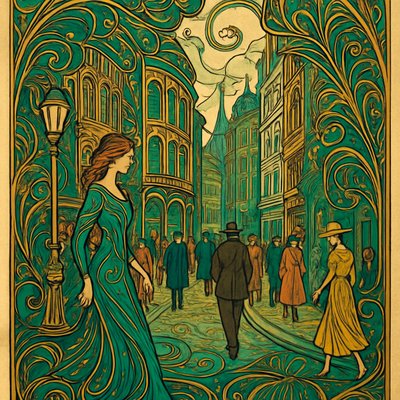
urban street with city activity
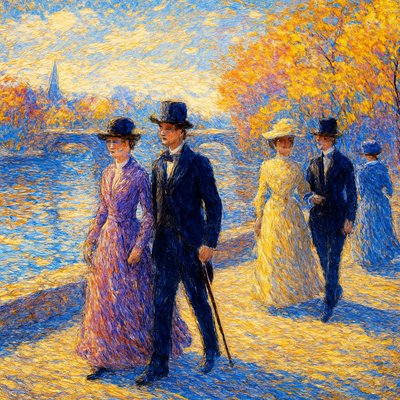
elegant Parisians in late 19th-century attire walking beside the River Seine, radiant lavender and gold foliage, mirror-like water reflections, bright afternoon light, pointillist texture layered with thick oil impasto, crisp sculptural brushwork, soft pigment ridges, vivid contrast between figures and background  Inspired by Neo-Impressionists like Seurat & Signac ...  reimagined with cinematic clarity and modern remixability.
wide landscape with natural scenery
portrait of a person with expressive eyes
still life arrangement of fruits and flowers
bicyle resting against a wall
a tree in nature
a tree in nature
bicyle resting against a wall
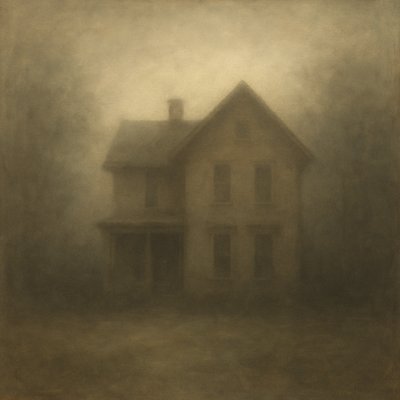
house with front view
still life arrangement of fruits and flowers
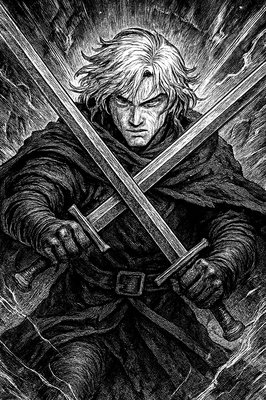
a painting of a man holding two swords
portrait of a person with expressive eyes
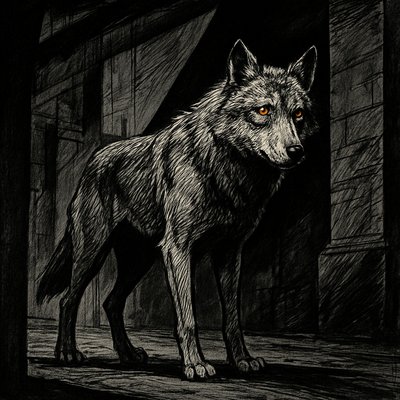
animal standing in natural pose
still life arrangement of fruits and flowers
house with front view
Vintage Sticker Design Style Transfer Example
still life with everyday objects
portrait of a person with expressive eyes
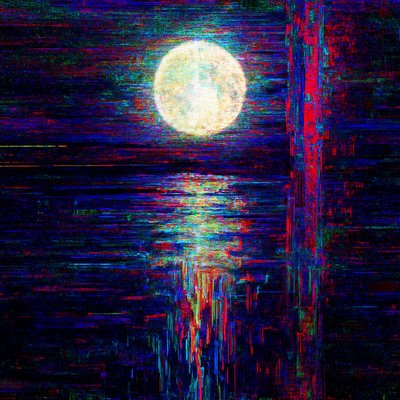
Start with a completely ordinary, even boring photograph of a full moon reflecting over a still lake.
Corrupt it until it no longer resembles its original subject at all, but still somehow feels like it’s haunted by what it used to be. Push the file through at least four different deliberate stages of destruction (e.g. heavy JPEG decay → databend in Audacity → pixel sorting by luminance → extreme RGB channel displacement and offset). Let compression artifacts bloom into impossible colors. Allow entire sections to liquefy and drip downward. Make the metadata scream. The final image should feel like a memory that’s been compressed, encrypted, lost, recovered, and compressed again for twenty years.
An Angel of God standing with full armor, sword, and shield, with massive wings, in front of a great serpent --chaos 50 --ar 3:4 --exp 10 --quality 2 --sref 2186594613 173014855 94742072 1895225188 --stylize 1000
Black square with red circle
bicyle resting against a wall