A Woman Laying On Top Of A Bed Next To A Wall Art

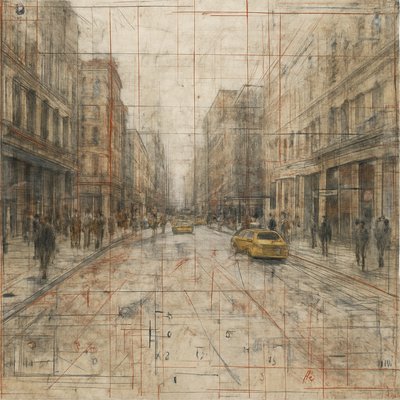
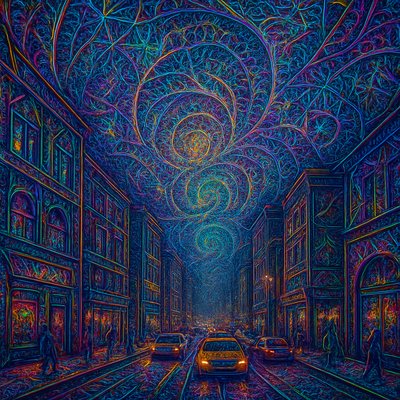
urban street with city activity
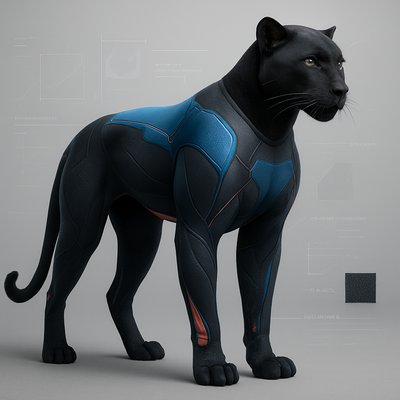
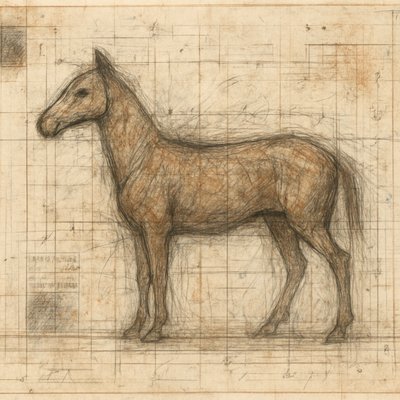
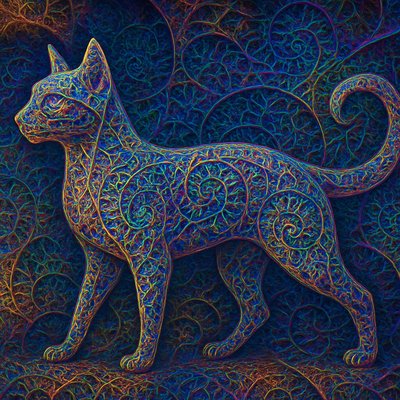
animal standing in natural pose
urban street with city activity
animal standing in natural pose
urban street with city activity
animal standing in natural pose
urban street with city activity
animal standing in natural pose
urban street with city activity
animal standing in natural pose
urban street with city activity
animal standing in natural pose
urban street with city activity
animal standing in natural pose
urban street with city activity
animal standing in natural pose
urban street with city activity
animal standing in natural pose
urban street with city activity
animal standing in natural pose
Art Style & Atmosphere: A richly detailed, cinematic fantasy photograph with a whimsical, storybook quality. The lighting is dappled and golden, filtering through a complex canopy, creating a serene and wondrous atmosphere.

The Subjects: A magnificent, large Bengal tigress with deep orange and black fur walks with a slow, confident stride through the center of the frame. Perched comfortably on her shoulder blades, looking around with wide-eyed curiosity, is a small tabby kitten with unusual, muted olive-green and brownish-grey striped fur.

The Environment (The Forest-Library): The setting is a seamless, magical fusion of an ancient woodland and a grand library.

    The Trees: Towering, gnarled trees have trunks that are not just bark, but carved wooden bookshelves packed tight with thousands of leather-bound books, scrolls, and codices.

    The Canopy: The "leaves" above are a mixture of real green foliage and open book pages fluttering in the breeze, creating a stained-glass effect with the sunlight.

    The Floor: The forest floor is a mix of moss, roots, and stacks of old books that look like natural rock formations or undergrowth.

    School Elements: Old, weathered wooden school desks are integrated into the landscape, some overgrown with ivy, holding open botanical textbooks. A large slate chalkboard, covered in arcane botanical diagrams, is embedded into a mossy rock face.

Composition: A wide-angle shot showing the scale of the environment as the tigress and kitten move along a path paved with worn flagstones and embedded encyclopedias.


And the name of the third river is Hiddekel: that is it which goeth toward the east of Assyria. And the fourth river is Euphrates. 
(Genesis 2:14 KJV)
animal standing in natural pose
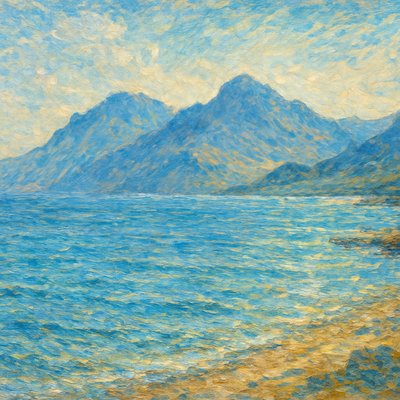
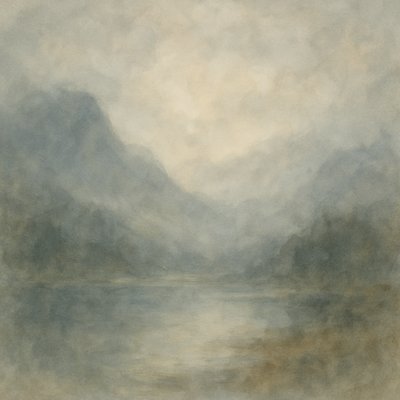
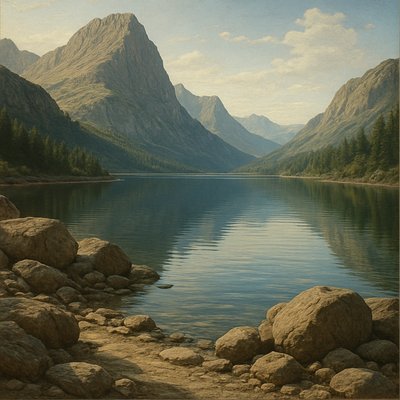
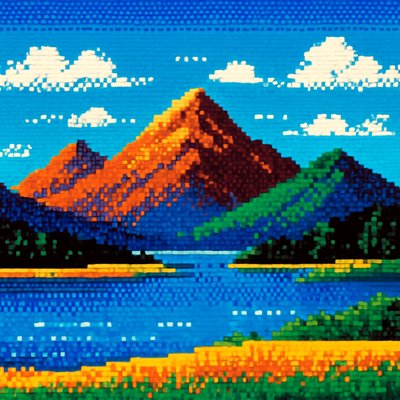
serene landscape with mountains and water
Art Style: Analytical Cubism, avant-garde oil painting style reminiscent of Picasso and Braque.

Subject: A dense, tangled thicket of Rhododendrons and Mountain Laurel bushes.

Composition & Details: The entire natural scene is deconstructed into overlapping geometric planes, fractured shards, and intersecting angles. There are no curved lines; everything is rendered in cubes, cones, and trapezoids.

    The Rhododendrons: Large, showy flower trusses are broken into faceted crystalline structures of deep magenta, rose pink, and violet blocks, looking like explosions of colored quartz rather than soft petals.

    The Mountain Laurels: The smaller, intricate flowers are rendered as complex, repeating geometric star-patterns and angular cups in white and pale pink with distinct red polygonal markings.

    Foliage & Branches: The thick, leathery leaves are fragmented green triangles and parallelograms overlapping each other, creating a sense of depth without traditional perspective. The woody stems and branches are jagged, intersecting brown and grey cylinders that shatter across the frame.

Color & Texture: A palette of muted earth tones—ochre, burnt umber, forest green, and slate grey—contrasted sharply with the jewel-toned facets of the flower colors. The finish should have a heavy, textured oil paint feel with visible palette knife marks and rough brushwork.
Art Style: Analytical Cubism, avant-garde oil painting style reminiscent of Picasso and Braque.

Subject: A dense, tangled thicket of Rhododendrons and Mountain Laurel bushes.

Composition & Details: The entire natural scene is deconstructed into overlapping geometric planes, fractured shards, and intersecting angles. There are no curved lines; everything is rendered in cubes, cones, and trapezoids.

    The Rhododendrons: Large, showy flower trusses are broken into faceted crystalline structures of deep magenta, rose pink, and violet blocks, looking like explosions of colored quartz rather than soft petals.

    The Mountain Laurels: The smaller, intricate flowers are rendered as complex, repeating geometric star-patterns and angular cups in white and pale pink with distinct red polygonal markings.

    Foliage & Branches: The thick, leathery leaves are fragmented green triangles and parallelograms overlapping each other, creating a sense of depth without traditional perspective. The woody stems and branches are jagged, intersecting brown and grey cylinders that shatter across the frame.
Color & Texture: A palette of muted earth tones—ochre, burnt umber, forest green, and slate grey—contrasted sharply with the jewel-toned facets of the flower colors. The finish should have a heavy, textured oil paint feel with visible palette knife marks and rough brushwork.
Art Style: Analytical Cubism, avant-garde oil painting style reminiscent of Picasso and Braque.

Subject: A dense, tangled thicket of Rhododendrons and Mountain Laurel bushes.

Composition & Details: The entire natural scene is deconstructed into overlapping geometric planes, fractured shards, and intersecting angles. There are no curved lines; everything is rendered in cubes, cones, and trapezoids.

    The Rhododendrons: Large, showy flower trusses are broken into faceted crystalline structures of deep magenta, rose pink, and violet blocks, looking like explosions of colored quartz rather than soft petals.

    The Mountain Laurels: The smaller, intricate flowers are rendered as complex, repeating geometric star-patterns and angular cups in white and pale pink with distinct red polygonal markings.

    Foliage & Branches: The thick, leathery leaves are fragmented green triangles and parallelograms overlapping each other, creating a sense of depth without traditional perspective. The woody stems and branches are jagged, intersecting brown and grey cylinders that shatter across the frame.

Color & Texture: A palette of muted earth tones—ochre, burnt umber, forest green, and slate grey—contrasted sharply with the jewel-toned facets of the flower colors. The finish should have a heavy, textured oil paint feel with visible palette knife marks and rough brushwork.
I sat, long ago, on an Asian hill with a Shakya Mundi friend, and watched the autumn leaves fall down from high above, giants in the forest casting off their wakefulness, falling progressively into winter’s long, white sleep. 

“The important thing to know about trees” he said, “is that they are most beautiful in autumn; just before the winter snow.  They live and grow through the entire year just for these brief moments of stunning beauty.  We are like that.” He said, “but we have only one autumn, and a very long winter.”
A koi pond seen from above, orange and white koi fish swimming among lily pads, clear water with subtle ripples, fallen cherry blossom petals floating on the surface, dappled sunlight
serene landscape with mountains and water
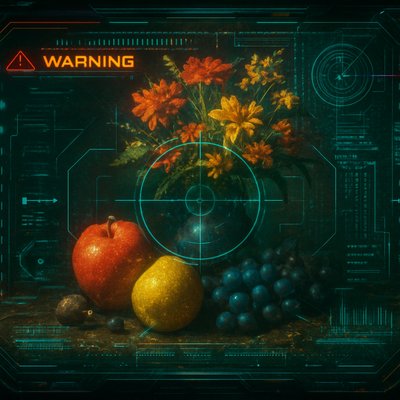
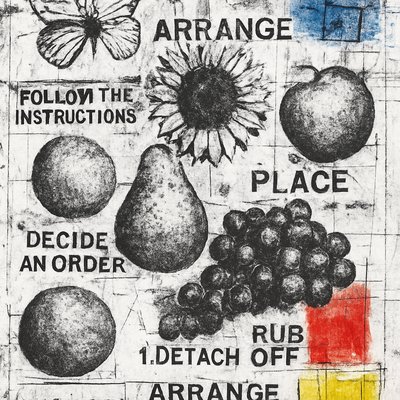
still life arrangement of fruits and flowers
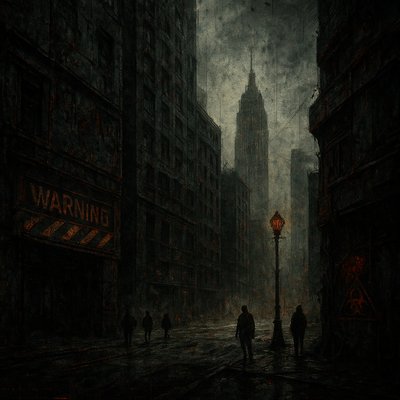
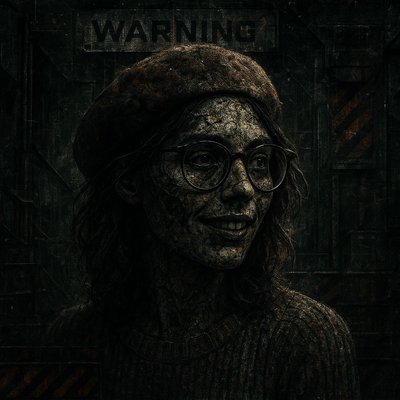
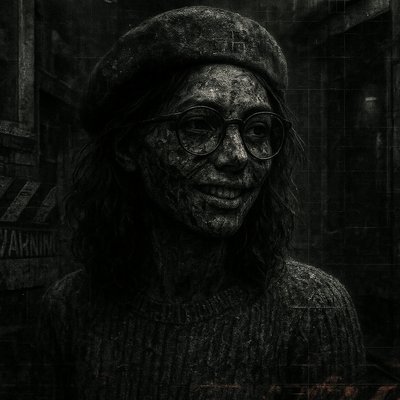
Dystopian Sci-Fi Art Style Transfer Example