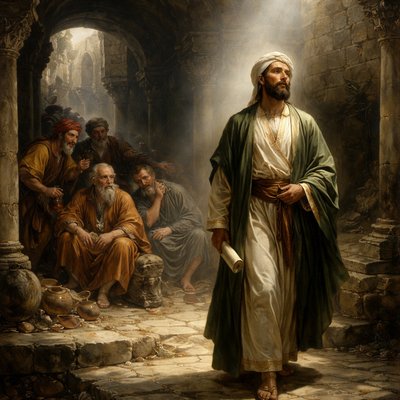
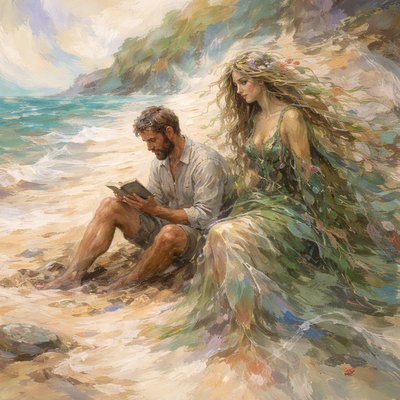
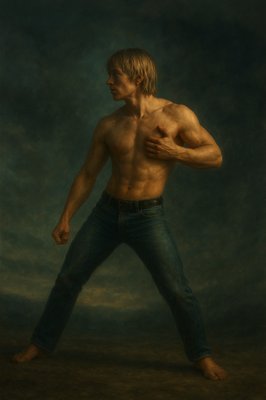
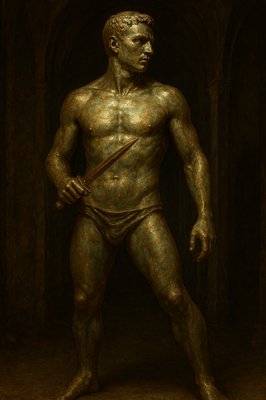
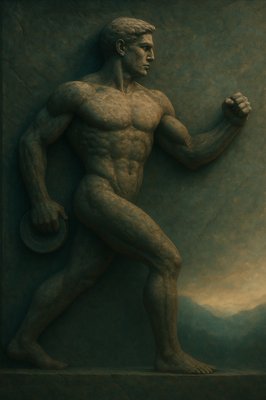
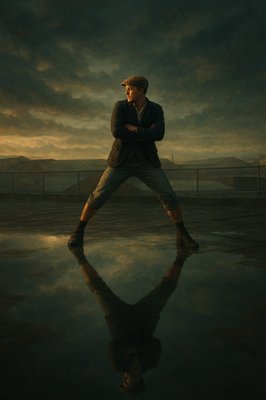
A Painting Of A Man In A Green Outfit Art

Candy Coat Style Transfer Example
a couple of people standing next to each other
house with front view
A historically accurate and atmospheric depiction of the signing of the Mayflower Compact aboard the ship in November 1620. The scene is set in the dimly lit, cramped cabin of the Mayflower, with the ship's timbers and rigging subtly visible, conveying the challenging conditions of the voyage. A simple table or chest serves as the signing surface. The primary focus is on a small group of the last individuals signing the document: specifically, the indentured servants (or 'strangers' not directly part of the Separatist congregation) approaching or at the table. Their expressions show a mix of weary determination, understanding of the necessity, and perhaps a hint of quiet apprehension or resignation to this new social contract, given their status. They are dressed in the plain, practical clothing typical of 17th-century commoners and laborers. Figures of prominent Pilgrims or 'Saints' (like William Bradford or John Carver) are visible in the background, observing the proceedings with a sense of gravity and leadership, but they are not the central focus. The lighting is low and warm, perhaps from a lantern, creating a chiaroscuro effect that highlights the faces of the signers. The atmosphere conveys the momentousness of the act under difficult circumstances, the diverse composition of the group, and the early seeds of self-governance in a new world. The artistic style is a realistic, historically detailed oil painting, capturing the solemnity and human element of this pivotal historical moment."
animal standing in natural pose
still life with everyday objects
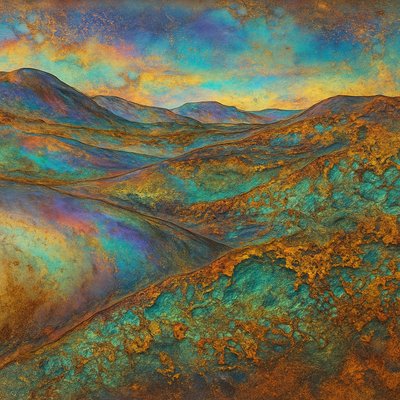
wide landscape with natural scenery

a tree in nature
Beautiful, vibrant fields
Generate obstetricus man, dermatologist, pediatrist girl, and dentistry girl in one abstract image
house with front view
still life arrangement of fruits and flowers
Woman with green shadows and red highlights in the art style of Fauvism --v 6.1
Inside a home in Petaling Jaya, Wing-Sun, a 10 year old Chinese boy sits cross-legged on the cool tile floor, watching the delicate tendrils of smoke rise from the joss sticks his father has just placed in the family altar’s bronze urn. The flickering candlelight casts shifting shadows over the framed portraits of the ancestors, their solemn faces gazing out from another time.
Wing-Sun's father, dressed in crisp slacks and a neatly pressed white shirt, murmurs a quiet prayer, his voice low and rhythmic. Beside him, Wing-Sun’s mother clasps her hands together in a quiet moment of respect before adjusting the jade bangle on her wrist. Their morning ritual is a quiet, practiced thing; one they perform, and Wing-Sun observes, every day.
Miniature horse wandering through a fantastical meadow of oversized tall wildflowers, soft morning light, delicate sparkles drifting in the air, intricate details, watercolor-dream mood, gentle movement in the mane and tail, expressive eyes, cinematic depth and color
animal standing in natural pose
bicyle resting against a wall
wide landscape with natural scenery
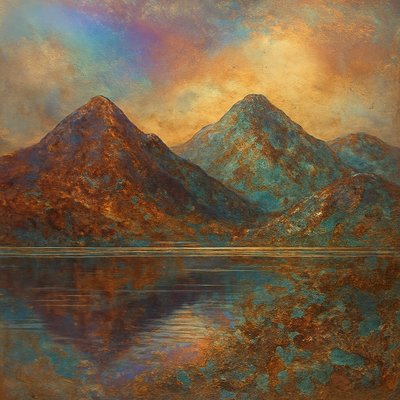
serene landscape with mountains and water
An Asian Slice
At the dark end of an alley on a moonless night,
A youth squats low to the ground, turned toward the wall with his face in his lap.  Someone might think he’s sleeping.  He’s smoking heroin.  Soon he’ll fall over and soil himself, and stay right there until dawn.

Back at the neon-lit mouth of this dark alley, 
hookers walk back and forth, hurrying to get past the alley, either for fear or because is smells so bad.  Eyelids, all painted golden, Asian whores always look like they’re made of candy.  Candy it is; but a snarling cat awaits its prey.
Mr. Chen has arranged for the little family  to cross secretly into Hong Kong—a place known for its bright skyline and bustling streets. Under the cover of darkness and with careful planning, Siu Zi, her father and Grandmother, along with Mr. Chen have boarded a small boat that carries them silently across the water. The sea is calm, its surface reflecting a tapestry of starlight, as if the heavens themselves are guiding them.  Siu-Zi lies nestled between her father and grandmother, wrapped up in blankets, in the forward part of an open boat with quiet motors propelling them along. Their is an air of mystery and tension.
Wing Sun is a 10 year old Malaysian boy. We see him from the back as he stands, looking down the street in the evening. The scent of mooncakes and burning lantern oil fills the air in the street in Petaling Jaya where Wing Sun lives.  Everything is aglow with the soft light of lanterns, their colors reflected in the puddles left by the afternoon rain.  At least 6 vendors have pulled their carts up onto the sidewalks on both sides of the street, selling moon pies and other special treats.  
Several of Wing-Sun's neighborhood friends, some younger than he and some a little older, were standing around in a circle, waiting for him to come outside.
Morning inside the classroom at a private school in Kuala Lumpur before class begins. Students stand next to their desks as the teacher, standing in front, leads them in the usual morning recitations of the five national principles, their voices blending into one:
	"Kepercayaan kepada Tuhan." (Belief in God.)
	"Kesetiaan kepada Raja dan Negara." (Loyalty to the King and Country.)
	"Keluhuran Perlembagaan." (Supremacy of the Constitution.)
	"Kedaulatan Undang-Undang." (Rule of Law.)
	"Kesopanan dan Kesusilaan." (Courtesy and Morality.)
Wing-Sun repeats the words automatically, his eyes drift across the classroom, catching a glimpse of Siu-Zi, the new girl, standing in her usual spot near the window.
Digital painting mimicking traditional oil painting techniques in the art style of Digital Art --v 6.1
An awe-inspiring and whimsical scene featuring Willy Wonka's Great Glass Wonkavator, soaring through the sky and beyond the confines of the chocolate factory. The Wonkavator itself is a magnificent, multi-directional glass elevator, transparent and sparkling, with a middle aged Willy Wonka (wearing his iconic top hat, purple coat, and bowtie) and a young Victorian well dressed lady looking out with expressions of joy, wonder and excitement. The interior is filled with intricate buttons and levers for controlling its magical flight. The Wonkavator is depicted in mid-flight, perhaps bursting through the factory roof or ascending above the clouds. Below it, the fantastical landscape of the Chocolate Factory is visible – chocolate rivers, edible gardens, candy cane trees, and various whimsical buildings. Beyond the factory, a stunning, imaginative sky unfolds, perhaps with floating candy clouds, distant fantastical landmarks, or even glimpses of outer space and planets. The lighting is bright and magical, emphasizing the glass's transparency and the vibrant colors of the world below and beyond. The overall mood is one of boundless adventure, limitless possibilities, and pure, joyful fantasy."
An awe-inspiring and whimsical scene featuring Willy Wonka's Great Glass Wonkavator, soaring high above the chocolate factory and ascending into a fantastical sky. The Wonkavator itself is a magnificent, multi-directional glass elevator, transparent and sparkling, with Willy Wonka (in his iconic purple coat and top hat), young Charlie Bucket, and Grandpa Joe clearly visible and enjoying the ride inside. Wonka points excitedly, Charlie looks out with wide-eyed wonder, and Grandpa Joe grins with delight. The interior of the Wonkavator shows intricate, whimsical control panels.

The Wonkavator is depicted in mid-flight, having just burst through the factory roof or rising above the clouds. Below it, the fantastical landscape of the Chocolate Factory is spread out – chocolate rivers, edible gardens, candy cane trees, and various whimsical buildings. Beyond the factory, a stunning, imaginative sky unfolds, filled with floating candy clouds, distant fantastical landmarks, and even glimpses of planets and stars. The lighting is bright and magical, emphasizing the glass's transparency and the vibrant colors of the world below and beyond. The overall mood is one of boundless adventure, limitless possibilities, and pure, joyful fantasy."
A vibrant and atmospheric impressionistic painting capturing the essence of the provided photograph: two figures on bicycles, a child in the foreground and an adult behind, crossing a rustic wooden bridge over a flowing stream. The scene is transformed into a glorious autumn landscape, where the surrounding trees are ablaze with rich, impressionistic brushstrokes of brilliant golds, fiery oranges, and deep reds, intermingled with patches of lingering green.

The wooden bridge itself is rendered with textural, broken brushstrokes, suggesting its weathered planks, with scattered fall leaves painted in warm, detached dabs of color. The stream below glimmers with soft reflections of the autumn light and foliage, depicted with fluid, expressive strokes. The figures on the bicycles are captured with a sense of movement and energy, their forms suggested rather than precisely detailed, blending into the lively, shimmering atmosphere.

The sky above, if visible through the canopy, is a soft, luminous blue, hinted at with delicate washes. The lighting is soft and diffused, characteristic of a pleasant autumn day, creating a radiant and inviting mood. The overall effect is one of fleeting beauty, captured light, and the joyful freedom of a crisp fall ride, rendered with the characteristic loose, vibrant brushwork and subjective color of impressionism.
 Recompense to no man evil for evil. Provide things honest in the sight of all men.
A historically accurate and atmospheric depiction of the signing of the Mayflower Compact aboard the ship in November 1620. The scene is set in the dimly lit, cramped cabin of the Mayflower, with the ship's timbers and rigging subtly visible, conveying the challenging conditions of the voyage. A simple table or chest serves as the signing surface. The primary focus is on a small group of the last individuals signing the document: specifically, the indentured servants (or 'strangers' not directly part of the Separatist congregation) approaching or at the table. Their expressions show a mix of weary determination, understanding of the necessity, and perhaps a hint of quiet apprehension or resignation to this new social contract, given their status. They are dressed in the plain, practical clothing typical of 17th-century commoners and laborers. Figures of prominent Pilgrims or 'Saints' (like William Bradford or John Carver) are visible in the background, observing the proceedings with a sense of gravity and leadership, but they are not the central focus. The lighting is low and warm, perhaps from a lantern, creating a chiaroscuro effect that highlights the faces of the signers. The atmosphere conveys the momentousness of the act under difficult circumstances, the diverse composition of the group, and the early seeds of self-governance in a new world. The artistic style is a realistic, historically detailed oil painting, capturing the solemnity and human element of this pivotal historical moment."
Music app icon
Modular bamboo shelving system
Moss Graffiti Street Art Style Style Transfer Example
urban street with city activity
a tree in nature
animal standing in natural pose
still life with everyday objects
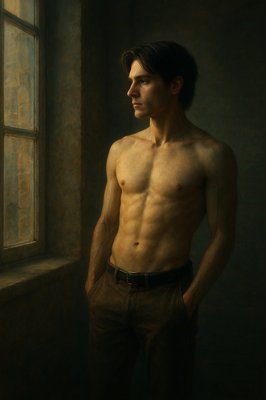
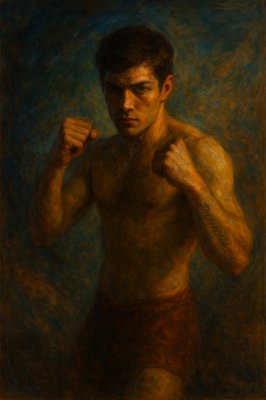
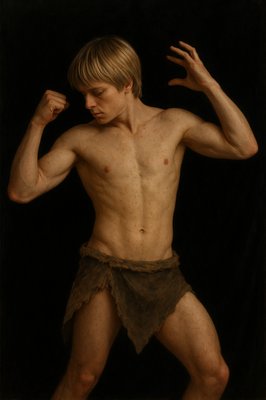
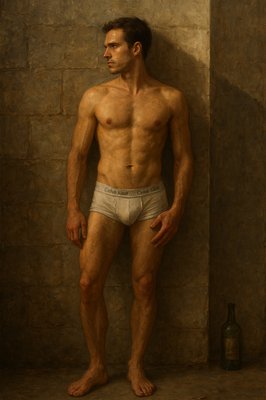
portrait
landscape
still life