A Man Leaning Against A Wall With His Hands In His Pockets Art

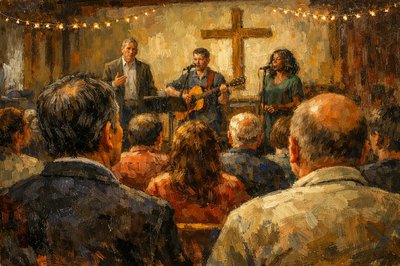
Inside an informal church in London.  Wing Sun's father has been invited to attend with his counterpart from the office.  He doesn't have anything else to do on Sunday morning, so he goes along.  we are standing in the back of the room.  There are many people of different ethnicities, the Pastor is standing up front alongside a worship leader with a guitar, and a young black woman, facing the audience.  The atmosphere is warm and welcoming, but Wing Sun's father feels a little uncomfortable.
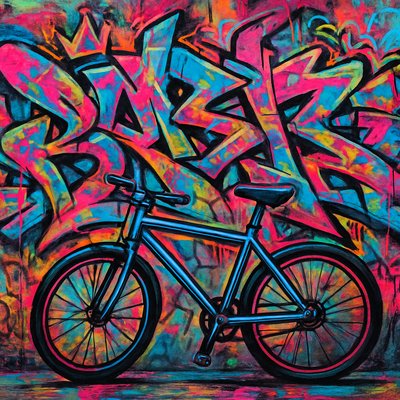
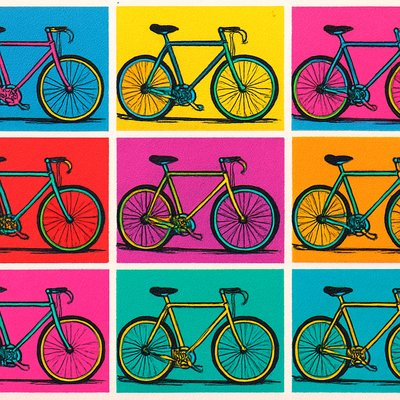
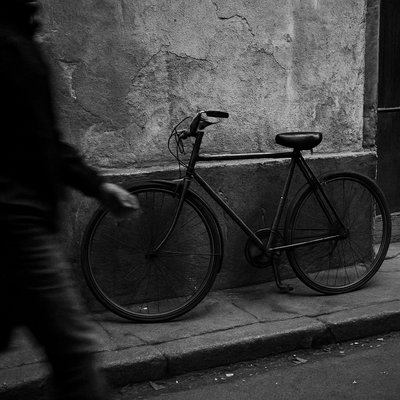
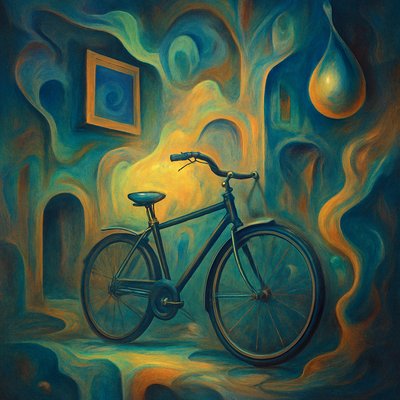
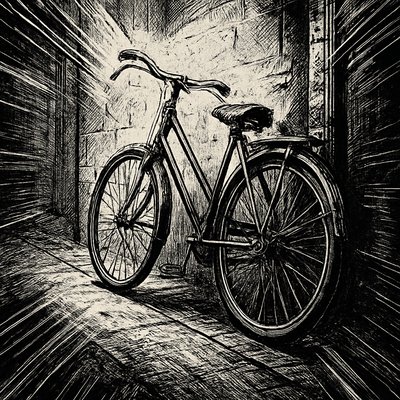
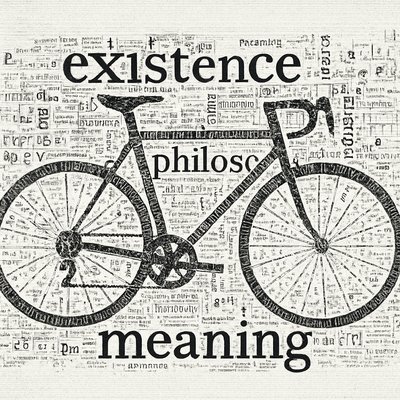
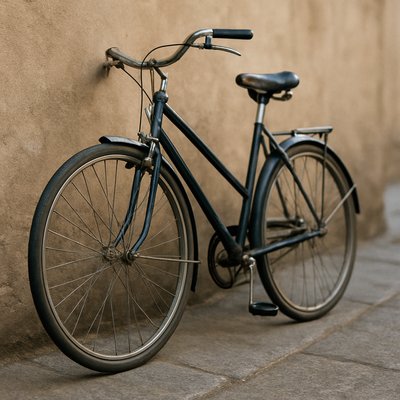
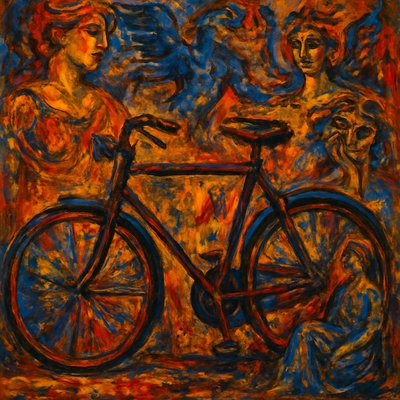
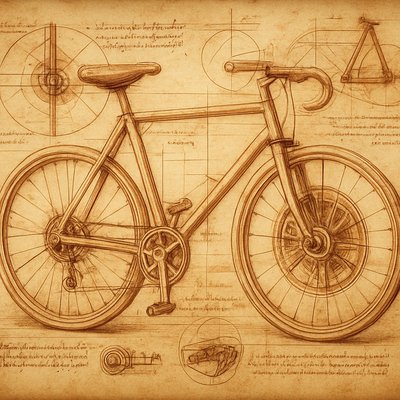
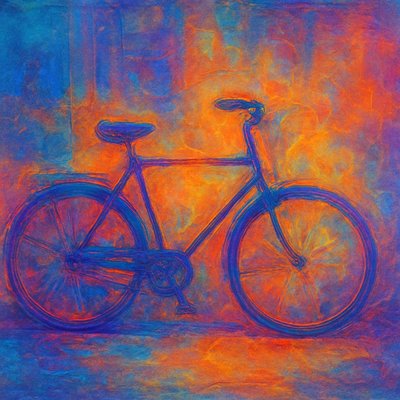
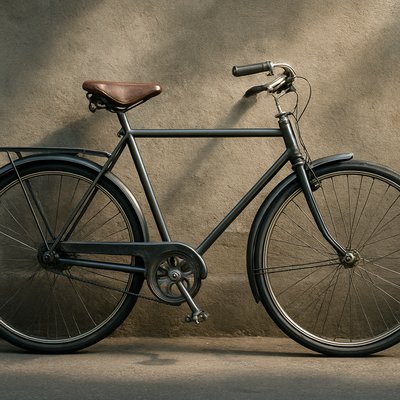
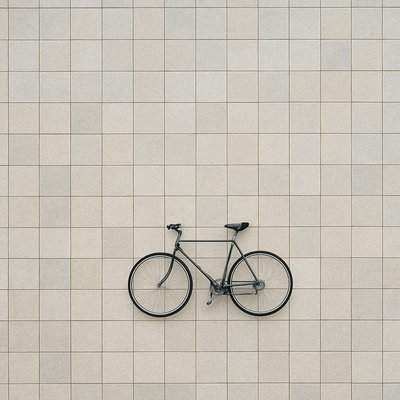
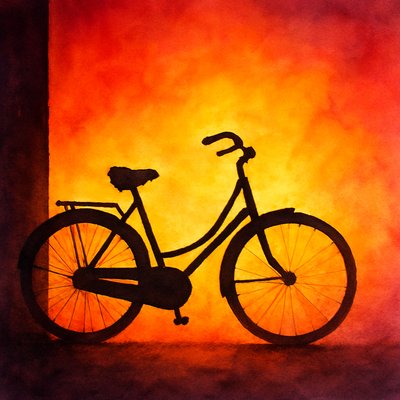
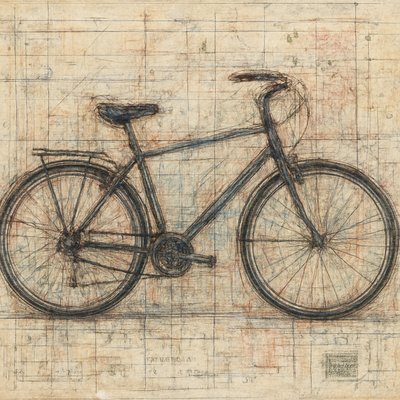
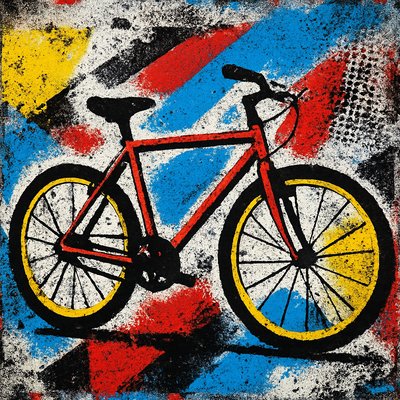
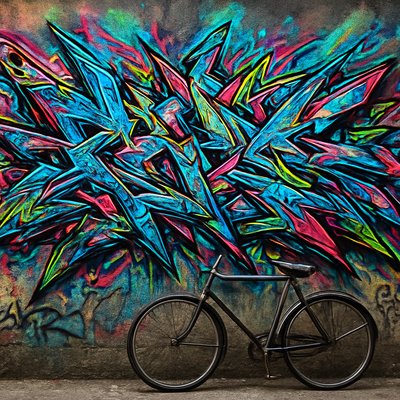
bicyle resting against a wall
Scholar with astronomical instruments
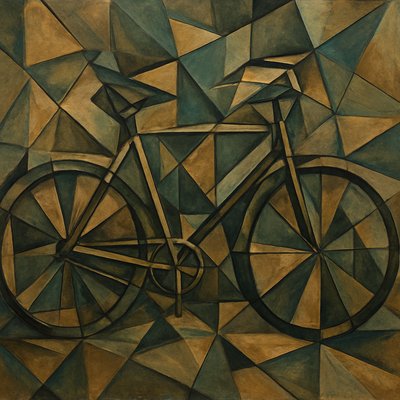
bicyle resting against a wall
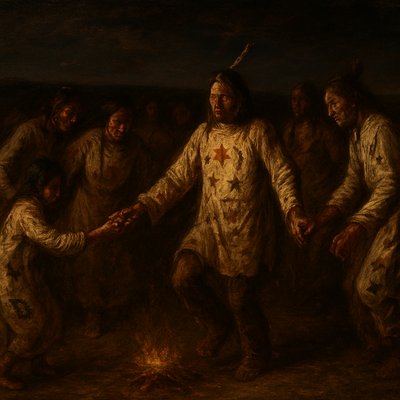
"A historically accurate depiction of a Ghost Dance, focusing on the late 19th-century context, specifically around 1890-1891. The scene shows Lakota (Sioux) or Northern Paiute people (specify one or include elements of both, but avoid anachronisms) participating in the ceremony.

Setting: A vast, open prairie or high desert landscape, under an expansive sky. The time of day could be dusk or night, with a prominent moon or stars, or a bright, clear day. Avoid overtly spiritual or ethereal elements like floating spirits unless explicitly requested for a later, more symbolic iteration. The focus should be on the earthly ceremony.

Participants: A circle of men, women, and children, hand-in-hand, moving in a slow, rhythmic shuffle or circular motion. Their faces show a mixture of devotion, hope, and determination. Some may have expressions of trance or deep concentration.

Attire:

    Ghost Dance Shirts/Dresses: Emphasize the unique Ghost Dance shirts and dresses, which were typically made of muslin or canvas. These garments should feature painted designs such as stars, crescents, birds (especially eagles or crows), buffalo, human figures, or crosses. The designs should appear hand-painted, not mass-produced.

    Hair and Adornments: Participants should have braided hair or wear it long. Some may wear feathers (e.g., eagle or hawk feathers) in their hair. Minimal traditional adornments, as the focus was often on the Ghost Dance shirt itself. Avoid overly elaborate or Hollywood-esque depictions of war bonnets unless relevant to a specific individual and context.

    Footwear: Moccasins or bare feet.

Action/Atmosphere:

    The dancers are moving in a counter-clockwise circle, with a central figure or a small group often leading.

    The overall mood is one of earnest prayer and communal spiritual effort. The dance should convey a sense of hope for renewal and the return of the old ways, rather than aggression or despair.

    There might be a central pole or small fire as a focal point, around which the dance takes place.

    Avoid any signs of direct conflict or violence; the Ghost Dance itself was a non-violent spiritual movement.

Specific Considerations for Accuracy:

    Wovoka's Influence: The teachings of Wovoka (the Northern Paiute prophet) emphasized peace, hard work, and the return of the buffalo and deceased ancestors. The scene should subtly reflect this hopeful, redemptive spirit.

    Regional Variations: If focusing on Lakota, consider their specific interpretations, which sometimes included more imagery related to their warrior traditions on the shirts, but still within the peaceful framework of the dance.
    Respectful Portrayal: Ensure the depiction is respectful and avoids any stereotypical or caricatured representations of Indigenous people. Focus on their human dignity and spiritual sincerity.
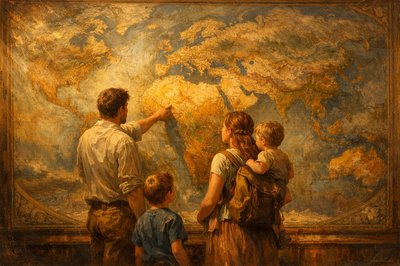
A young couple with two children stand in front of a wall-sized world map, facing the map.  The young father is pointing to somewhere in Africa.  The young mother is wearing a backpack and carrying one of the children on her hip.
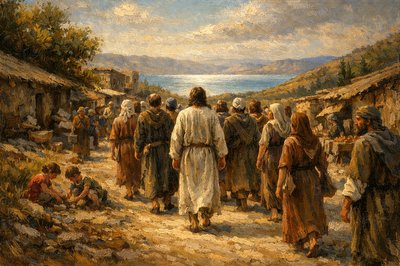
First century Palestine.  Jesus walks away from the camera down a road that goes through town with several of His disciples.   Jesus wears a plain robe like most ordinary men.  The other people are dressed like peasants, farmers, and tradesmen.  There are also women in the group, wearing plain, everyday clothing.  Some children are playing near the roadside.  The Sea of Galilee shines in the far distance.
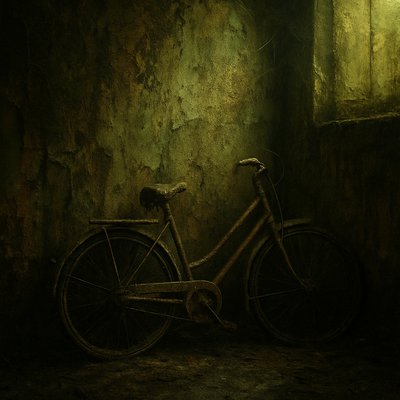
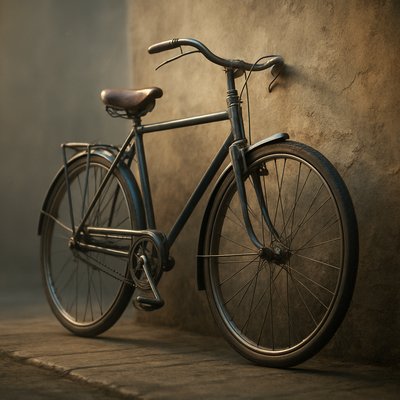
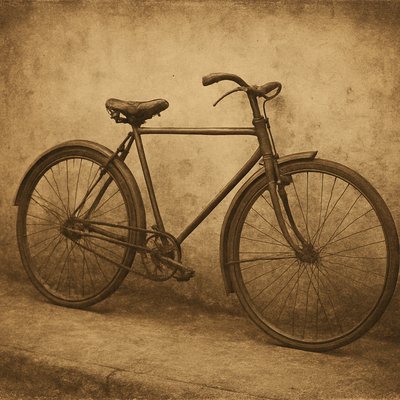
bicyle resting against a wall
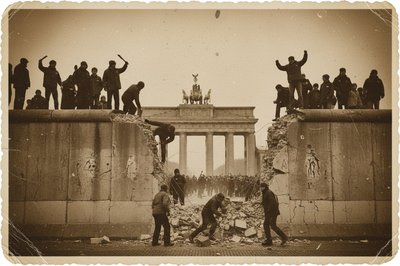
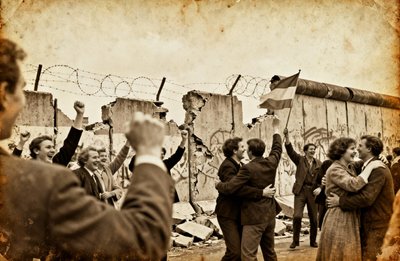
fall of the berlin wall
bicyle resting against a wall
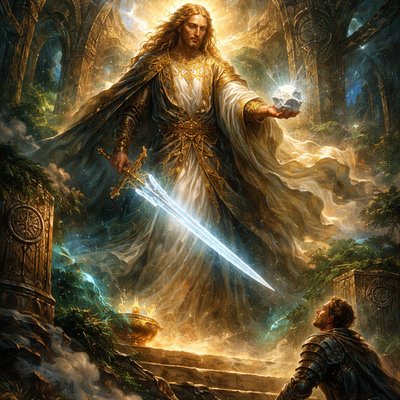
“And to the angel of the church in Pergamos write; These things saith he which hath the sharp sword with two edges; He that hath an ear, let him hear what the Spirit saith unto the churches; To him that overcometh will I give to eat of the hidden manna, and will give him a white stone, and in the stone a new name written, which no man knoweth saving he that receiveth it.” (Revelation 2:12,17, KJV)
bicyle resting against a wall
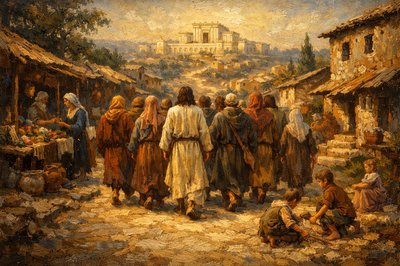
First century Palestine.  Jesus walks away from the camera along a road that goes through town with several of His disciples.   Jesus wears a plain robe like most ordinary men.  The other people are dressed like peasants, farmers, and tradesmen.  There are also women in the group, wearing plain, everyday clothing.  Some children are playing near the roadside.  Merchants are selling their goods in booths along the road.  There are houses along the road also.  The road goes upward toward the Temple in the far distance.
bicyle resting against a wall
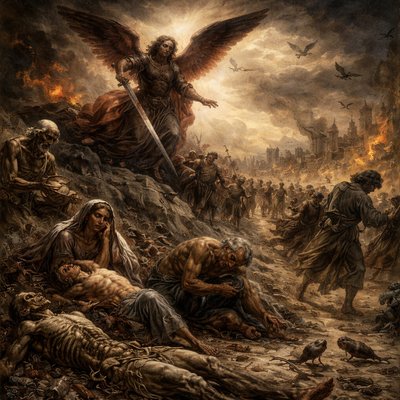
Express without words “And I will persecute them with the sword, with the famine, and with the pestilence, and will deliver them to be removed to all the kingdoms of the earth, to be a curse, and an astonishment, and an hissing, and a reproach, among all the nations whither I have driven them:” (Jeremiah 29:18, KJV)
bicyle resting against a wall
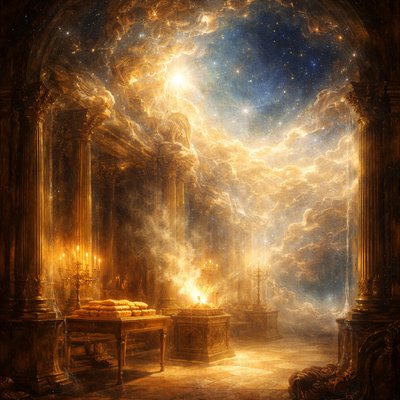
A surreal, double-exposure art piece. Inside, a detailed architectural interior of a temple with a table of "shewbread" and a glowing altar. Outside and overlapping, a vast, swirling nebula and "heaven of heavens" filled with stars and cosmic light, suggesting the infinite nature of God. The temple walls seem translucent, unable to contain the celestial glory. Ethereal, oil painting style, deep blues and glowing golds, inspired by Rembrandt’s lighting. “And Solomon sent to Huram the king of Tyre, saying, As thou didst deal with David my father, and didst send him cedars to build him an house to dwell therein, even so deal with me. Behold, I build an house to the name of the LORD my God, to dedicate it to him, and to burn before him sweet incense, and for the continual shewbread, and for the burnt offerings morning and evening, on the sabbaths, and on the new moons, and on the solemn feasts of the LORD our God. This is an ordinance for ever to Israel. And the house which I build is great: for great is our God above all gods. But who is able to build him an house, seeing the heaven and heaven of heavens cannot contain him? who am I then, that I should build him an house, save only to burn sacrifice before him?” (2 Chronicles 2:3-6, KJV)
bicyle resting against a wall
fall of the berlin wall
bicyle resting against a wall