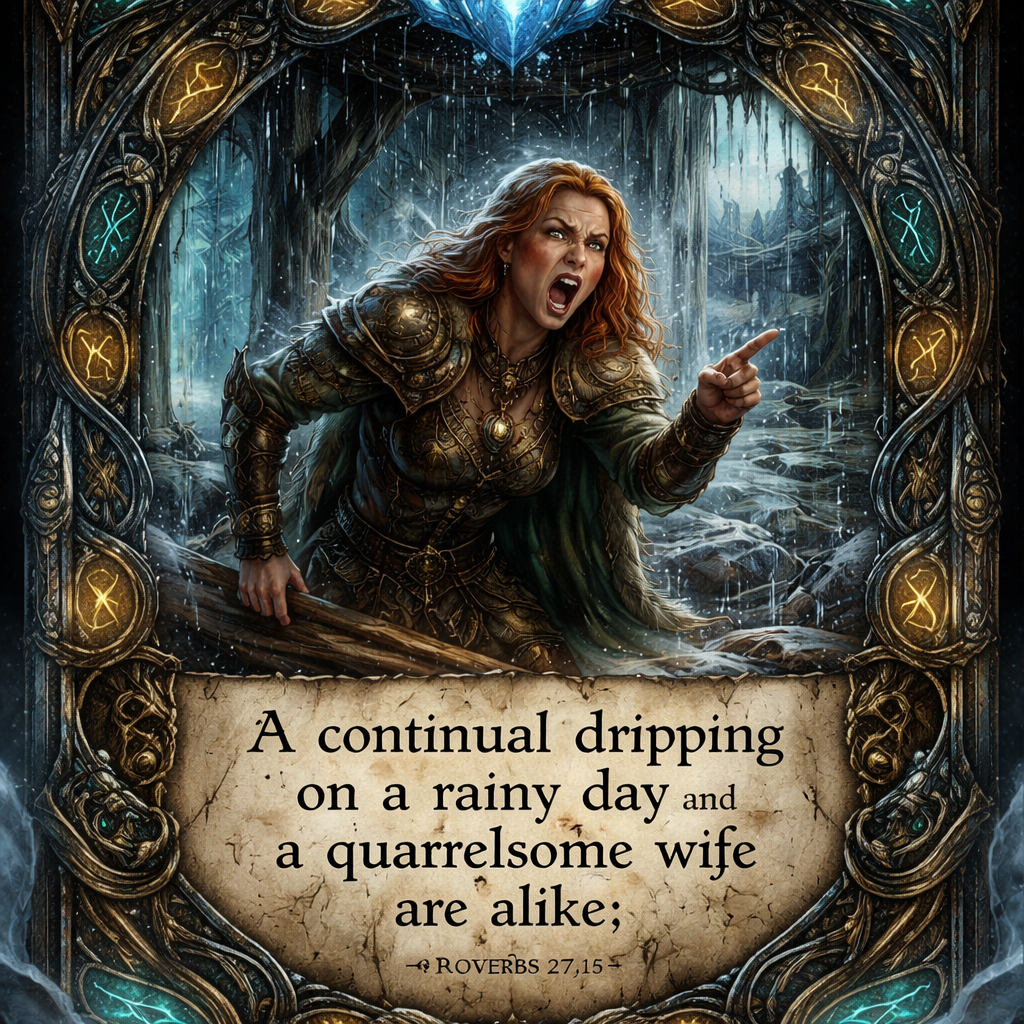
“A continual dripping on a rainy day and a quarrelsome wife are alike;” (Proverbs 27:15, ESV)
Created by

“A continual dripping on a rainy day and a quarrelsome wife are alike;” (Proverbs 27:15, ESV)

Style Used
Norse Fantasy Art preview
Norse Fantasy Artby @stylecreator
Viking and Norse mythology inspired fantasy featuring gods, valkyries, frost giants, and the nine realms with runic magic.

See More
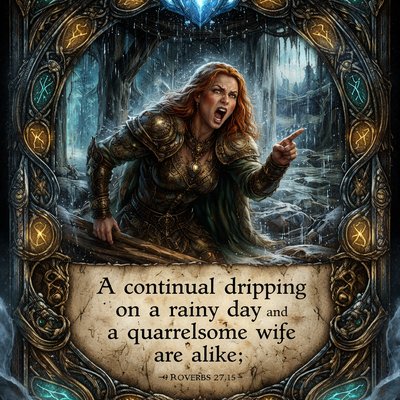
“A continual dripping on a rainy day and a quarrelsome wife are alike;” (Proverbs 27:15, ESV)
“to restrain her is to restrain the wind or to grasp oil in one's right hand.” (Proverbs 27:16, ESV)
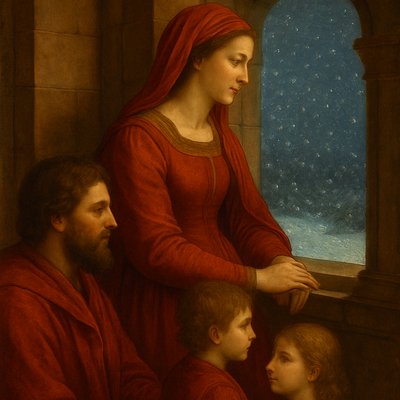
Renaissance Painting, a noble woman of Proverbs 31, standing at the window of a warm, well-lit stone home clothed richly in scarlet. She looks out at a heavy, beautiful snowstorm with a look of peace and calm resolve. Her children and husband are in the foreground, richly and completely clothed in scarlet wool. Focus on the detailed texture of the scarlet fabric, the warm contrast of the interior light against the cold blue snow outside, and a majestic, dignified atmosphere.
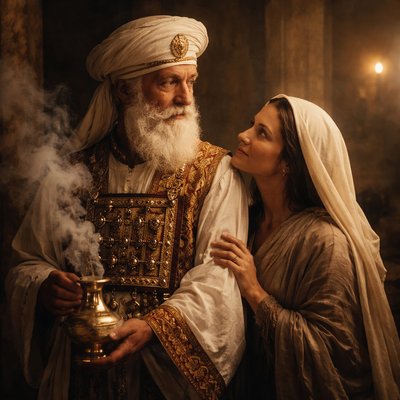
“There was in the days of Herod, the king of Judaea, a certain priest named Zacharias, of the course of Abia: and his wife was of the daughters of Aaron, and her name was Elisabeth.” (Luke 1:5, KJV)
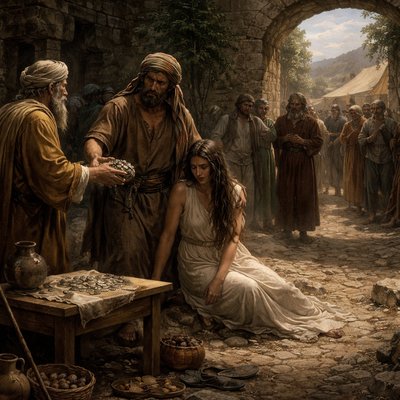
“If a man find a damsel that is a virgin, which is not betrothed, and lay hold on her, and lie with her, and they be found; Then the man that lay with her shall give unto the damsel's father fifty shekels of silver, and she shall be his wife; because he hath humbled her, he may not put her away all his days..” (Deuteronomy 22:28-29, KJV)
“And on my servants and on my handmaidens I will pour out in those days of my Spirit; and they shall prophesy:” (Acts 2:18, KJV)
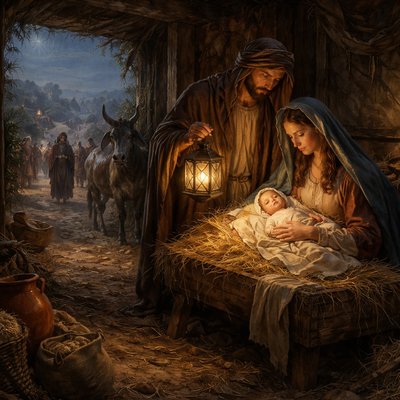
“And it came to pass in those days, that there went out a decree from Caesar Augustus, that all the world should be taxed. (And this taxing was first made when Cyrenius was governor of Syria.) And all went to be taxed, every one into his own city. And Joseph also went up from Galilee, out of the city of Nazareth, into Judaea, unto the city of David, which is called Bethlehem; (because he was of the house and lineage of David:) To be taxed with Mary his espoused wife, being great with child. And so it was, that, while they were there, the days were accomplished that she should be delivered. And she brought forth her firstborn son, and wrapped him in swaddling clothes, and laid him in a manger; because there was no room for them in the inn.” (Luke 2:1-7, KJV)
a man leaning against a wall with his hands behind his head
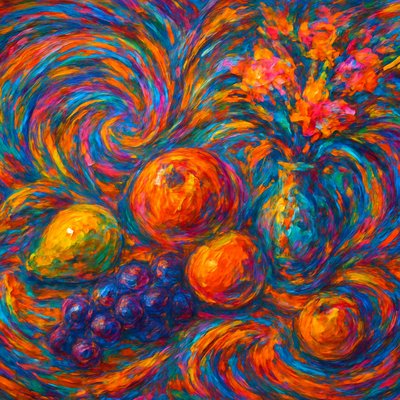
still life arrangement of fruits and flowers
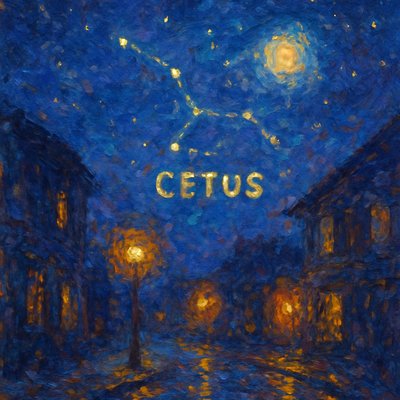
Cetus in the starry night sky.
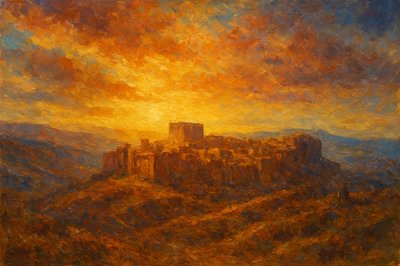
a painting of a castle on a hill
still life arrangement of fruits and flowers
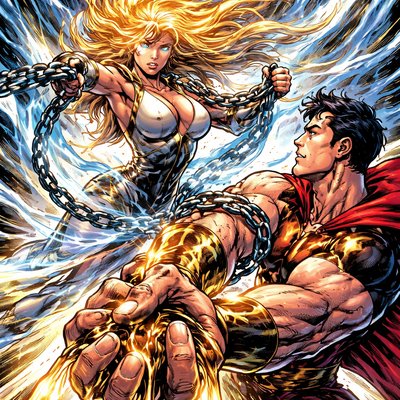
Photorealism Art Style, a chaotic and dynamic downhill ski race featuring four WWF-style wrestlers: two muscular women and two powerful men. All four are fiercely competing, wearing over-the-top, classic 90s-era WWF wrestling attire (like bright spandex, signature logos, and knee pads) over their ski boots, on skis. They are actively engaged in wrestling-like maneuvers while skiing—one wrestler might be attempting a headlock, another is pushing an opponent, and one is dramatically dodging. They are speeding down a pristine, snowy mountain slope under bright, clear daylight with pine trees visible in the background. Focus on intense facial expressions, exaggerated action, realistic snow spray, and detailed textures of both wrestling gear and ski equipment.
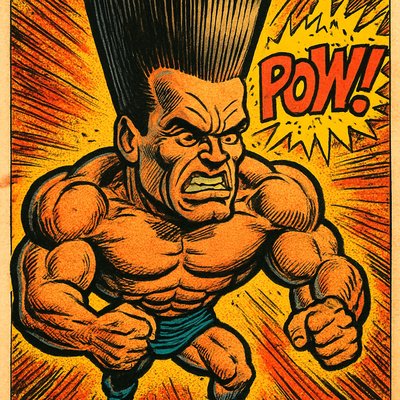
Arnold Schwarzenegger, extreme caricature, enormously tall crew cut hair, massive muscles, tiny lower body, exaggerated robotic expression, big head on tiny body, thick crisp black outlines, vibrant saturated colors, clean comic illustration style
a man holding onto a rope in a forest
Father and Grandmother with Siu Zi leaving their home in a Guangzhou street in the dark of night.  There is an air of secrecy. Siu Zi clutches her small bag, its contents little more than a few treasured keepsakes and faded photographs. Her father’s reassuring hand on her shoulder, and the soft presence of her grandmother at his side, give her the courage to move forward. A taxi waits down the street to take them to the train.
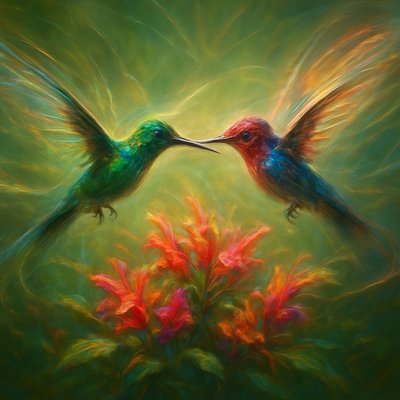
A breathtaking and dynamic close-up scene depicting two iridescent hummingbirds engaged in a vigorous mid-air duel over a cluster of vibrant, nectar-rich flowers. Their tiny wings are blurred into translucent arcs of motion, a testament to their incredible speed and agility, creating a frantic, energetic atmosphere.

One hummingbird, perhaps a brilliant emerald green, lunges forward, while the other, possibly a fiery ruby red or shimmering blue, hovers defensively, their long beaks pointed towards each other in a fierce territorial display. Their tiny, intense eyes are sharply focused on their opponent.

They are positioned directly above or fiercely guarding a cluster of brightly colored, inviting flowers, such as trumpet vines, fuchsias, or salvia, which are depicted with exquisite detail and rich, saturated hues, dripping with nectar. The background is a soft, dreamlike blur of lush green foliage and dappled sunlight, keeping the focus entirely on the intense aerial ballet. The lighting is bright and dramatic, catching the metallic sheen of their feathers and emphasizing their jewel-like colors. The overall mood is one of intense energy, fierce beauty, and natural competition dynamic illustration, vibrant fantasy art, exaggerated motion lines, glowing effects on iridescence, stylized flowers, energetic and fluid composition
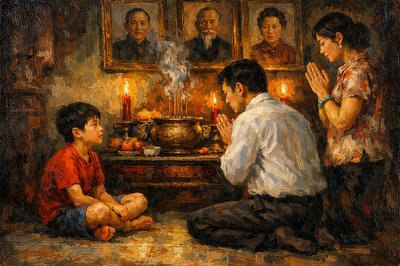
Inside a home in Petaling Jaya, Wing-Sun, a 10 year old Chinese boy sits cross-legged on the cool tile floor, watching the delicate tendrils of smoke rise from the joss sticks his father has just placed in the family altar’s bronze urn. The flickering candlelight casts shifting shadows over the framed portraits of the ancestors, their solemn faces gazing out from another time.
Wing-Sun's father, dressed in crisp slacks and a neatly pressed white shirt, murmurs a quiet prayer, his voice low and rhythmic. Beside him, Wing-Sun’s mother clasps her hands together in a quiet moment of respect before adjusting the jade bangle on her wrist. Their morning ritual is a quiet, practiced thing; one they perform, and Wing-Sun observes, every day.
A massive, solid metal USSR emblem glows harshly in red and gold, radiating intense, blinding light. The emblem is firmly pressed down onto the back of a large, dark eagle, which is clearly pinned and crushed beneath its weight. The eagle’s wings are forcibly flattened and bent outward, feathers distorted, body warped under the relentless pressure. Its legs and torso are pressed into the ground, unable to move, showing literal physical force. The emblem dominates the composition, casting sharp, dramatic shadows across the dark eagle. The scene is rendered in bold, graphic socialist propaganda poster style, with high-contrast colors, simplified forms, exaggerated perspective, and stylized lighting. Harsh rays of light radiate from the emblem, emphasizing power and oppression. No abstract symbolism, no heroic balance, no floating elements — only a monumental emblem pressing down, physically immobilizing the eagle.
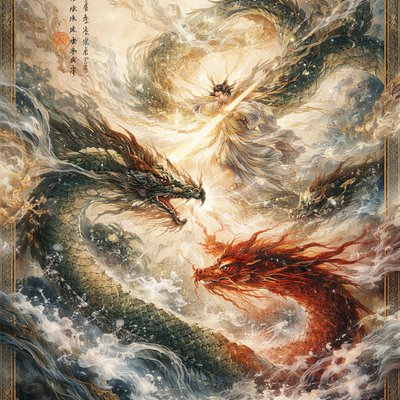
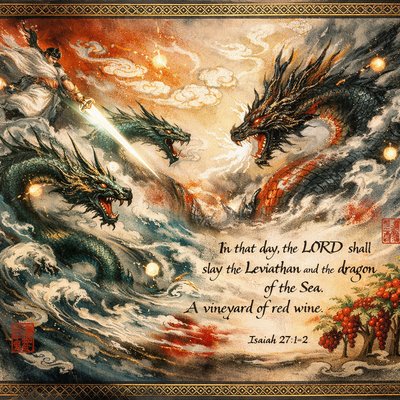
“In that day the LORD with his sore and great and strong sword shall punish leviathan the piercing serpent, even leviathan that crooked serpent; and he shall slay the dragon that is in the sea. In that day sing ye unto her, A vineyard of red wine.” (Isaiah 27:1-2, KJVA)
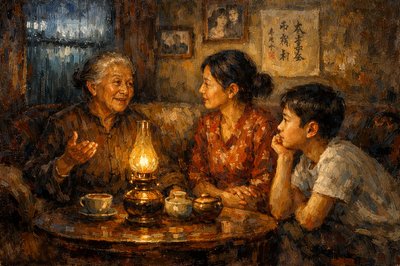
At his Grandmother's house in Penang, while the tropical rain taps softly against the window, Wing Sun, Mother and Grandmother gather in the cozy living room. The room glows with the soft light of an oil lamp, and the walls are adorned with faded photographs and delicate calligraphy. Grandmother’s eyes sparkle as she begins to speak—a voice that carries both the wisdom of her years and the tender care of someone who’s seen many seasons change.  Wing Sun is pensive with anticipation.  What will she say?
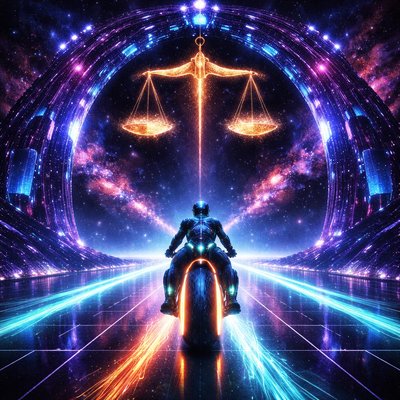
Neon-Futurism Digital Art Style, Bioluminescent Sci-Fi Cosmic Setting, Symmetrical Composition. A dynamic shot from directly behind a lone rider speeding into the deep cosmos.

The Rider & Bike Direction: A futuristic, hubless "light-cycle" sportbike (with glowing cyan and orange wheel rings and chassis lighting) is speeding away from the camera. The rider, wearing a matching full-coverage glowing armored suit and helmet, is seated correctly facing forward, leaning into the speed.

The Action (Entering the Gateway): The motorcycle and rider are just entering beneath a monumental cosmic archway that spans the entire glowing blue laser-grid highway.

The Libra Arch structure: The massive archway is constructed of towering, glowing violet and deep blue digital circuitry and crystallized stardust. Hanging majestically from the center of the archway's lintel, directly above the rider's path, is a gigantic set of balanced Cosmic Scales, composed of radiant golden energy and concentrated star clusters.

Atmosphere: The neon trails of the bike reflect on the glossy grid road surface. The background is infinite space filled with geometric stars.
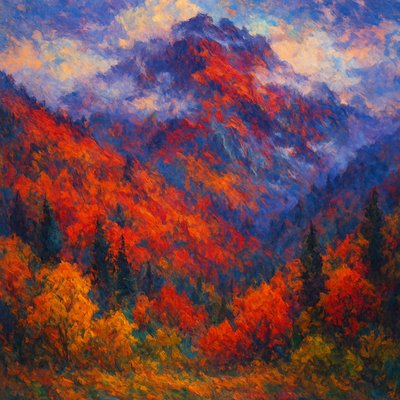
A breathtaking and intensely dramatic cinematic landscape photograph based on the provided image of a mountain valley. The scene captures a majestic mountainside vibrant with dramatized autumn foliage, showcasing an explosion of rich, saturated reds, fiery oranges, and brilliant golds across the slopes. Interspersed among the deciduous trees are towering dark green evergreens, providing a striking contrast against the warm fall colors.

Wisps of ethereal mist or low-hanging clouds cling to the upper reaches and valleys of the mountain, adding depth and a sense of mystique. The sky above, partially visible, shows patches of dramatic, cloud-dappled blue peeking through, hinting at a powerful natural setting. The foreground features a mix of vibrant green and gold trees, framing the grand scale of the mountain.

The image uses vibrant color grading and dramatic contrast to enhance the luminosity and intensity of the fall colors, making them truly pop. The lighting is rich and moody, highlighting textures on the rocky cliffs and the varied foliage. The overall mood is one of awe-inspiring natural beauty, epic scale, and profound autumnal splendor, rendered with the high visual impact of a cinematic scene."
Seamless triptych artwork with no dividing lines or borders, continuous scene flowing left to right, left panel shows a palomino horse in the foreground on the far left side of the scene walking down a grassy slope toward a reflective teal-blue river in the Scottish Highlands with rocks and ferns around its hooves, center panel continues the same landscape as the horse now appears in the midground at the center of the scene standing at the river’s edge drinking from the reflective water beside ancient moss-covered stone ruins, right panel continues the scene as the horse appears far away in the distance on the far right side of the scene following the riverbank toward steep mist-covered mountains with dramatic sunlight breaking through the clouds, unified natural palette of greens golds and reflective teal blues, consistent cinematic lighting, shared horizon line, smooth uninterrupted left-to-right visual flow with no panel separation.
“But thou, when thou prayest, enter into thy closet, and when thou hast shut thy door, pray to thy Father which is in secret; and thy Father which seeth in secret shall reward thee openly. But when ye pray, use not vain repetitions, as the heathen do: for they think that they shall be heard for their much speaking. Be not ye therefore like unto them: for your Father knoweth what things ye have need of, before ye ask him. After this manner therefore pray ye: Our Father which art in heaven, Hallowed be thy name. Thy kingdom come. Thy will be done in earth, as it is in heaven. Give us this day our daily bread. And forgive us our debts, as we forgive our debtors. And lead us not into temptation, but deliver us from evil: For thine is the kingdom, and the power, and the glory, for ever. Amen. For if ye forgive men their trespasses, your heavenly Father will also forgive you: But if ye forgive not men their trespasses, neither will your Father forgive your trespasses.” (Matthew 6:6-15, KJV)
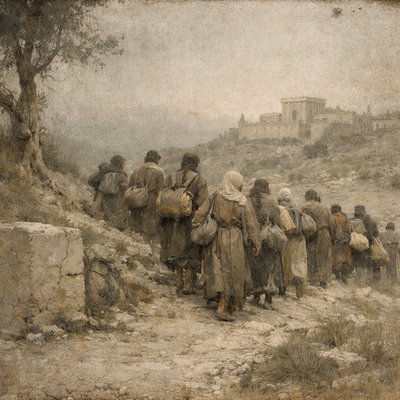
In Old Testament times a group of 12 - 15 Hebrew men and women on pilgrimage ascend a steep road toward Jerusalem and the Temple, headed for the feast of the Passover.  They each carry their own bag, sachel or bedroll.  Anticipation fills the air as the set out on their journey.
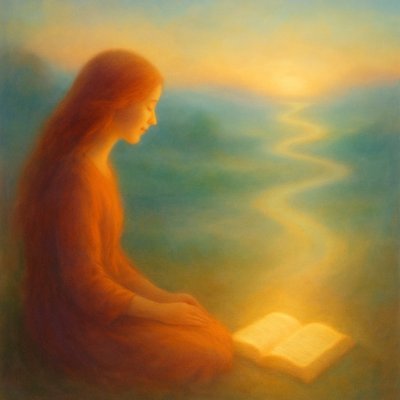
profound image representing the verse Psalm 119:15. The scene depicts a solitary lady with flowing, long red hair, in a posture of deep contemplation or meditation. She is seated or kneeling in a peaceful, natural setting – perhaps on a gentle hillside overlooking a tranquil landscape, by a calm body of water, or within a serene garden. Her expression is focused and reverent.

Before her, or subtly integrated into the scene, is an ancient scroll or open book, glowing with a soft, ethereal light, symbolizing God's precepts. Her posture and gaze are directed towards this source of wisdom, with a clear sense of 'fixing her eyes' on its profound truth.

Extending from the scroll/book, or subtly woven into the distant landscape, are luminous, ethereal pathways or guiding lights, representing 'Your ways' (God's ways). These pathways are clear and inviting, leading towards a bright, hopeful horizon, symbolizing divine guidance and understanding. The atmosphere is tranquil and reflective, bathed in soft, warm, golden light (perhaps dawn or dusk), signifying clarity and spiritual insight. The overall mood is one of peace, deep wisdom, divine guidance, and focused devotion, rendered with a beautiful, luminous quality."
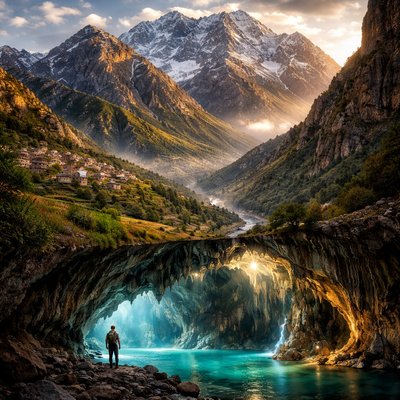
Epic cinematic landscape of the majestic Shaho mountain range in western Iran, part of the central Zagros Mountains, towering rugged limestone peaks rising to over 3400 meters with snow-capped summits at Havi Khani peak, dramatic steep ridges and deep valleys, lush green slopes in spring with wildflowers and scattered oak forests, Kurdish villages with stone houses clinging to terraced hillsides in the foreground near the Sirwan River valley, golden hour sunlight casting long shadows and warm glow on the rocky cliffs, misty atmosphere, ultra-detailed, photorealistic --ar 16:9 --v 6 --q 2
In the lower scene, seamlessly integrate an entrance to the ancient Quri Qala water cave at the foothills of Shaho, glowing turquoise underground river flowing through massive cavern mouth, crystal-clear water reflecting stalactites and stalagmites, illuminated chambers with sparkling mineral formations, dripping water, natural blue-green lighting from within the cave, adventurous explorer figure with headlamp standing at the entrance gazing in awe, mysterious and enchanting atmosphere, high contrast between the bright mountain exterior and the ethereal glowing cave interior, masterpiece, highly detailed, National Geographic style photography"

Conversation with Gemini
You said
I need a written prompt for ArtStyles expressing Psalm 33:17

Gemini said
This is a powerful verse that speaks to the limits of human might and reliance on military strength. Capturing "futility" and "vain hope" in a visual format requires contrasting the power of the horse with its inability to save.

Here are a few written prompts for ArtStyles, exploring different artistic interpretations of Psalm 33:17 ("An horse is a vain thing for safety: neither shall he deliver any by his great strength.").

Option 1: The Historical/Realist Approach (The Moment of Realization)
This prompt focuses on a powerful warhorse in a situation where its strength is useless.

Prompt: A hyper-realistic, cinematic shot of a magnificent, armored warhorse standing in the middle of a devastating natural disaster, such as a massive flash flood or a crumbling earthquake fissure. The horse is straining with "great strength," but its eyes show panic, unable to deliver its rider from the overwhelming force of nature. The rider is looking up, realizing the futility of their trust in the animal. Golden hour lighting, heavy atmosphere, dramatic composition, highly detailed textures.

Option 2: The Symbolic/Painterly Approach (The Crumbling Idol)
This prompt treats the horse as a symbol of misplaced trust that is failing.

Prompt: An epic, oil painting style depiction of a colossal, imposing bronze statue of a powerful rearing stallion, symbolizing military might. The statue is cracked and beginning to crumble under the weight of an dark, tumultuous sky. In the background, a vast army that trusted in this strength is retreating in disarray. The light filters through the clouds like a divine judgment, highlighting the crumbling metal. Dark baroque style, high contrast, dramatic shadows, moody atmosphere.

Option 3: The Contrasting Composition (The Weakness of Might)
This prompt uses contrast to show that even the strongest horse cannot offer true safety.

Prompt: A wide, epic fantasy landscape. In the foreground, a mighty warrior on a magnificent, heavily armored destrier, looking imposing and strong. However, they are standing on the edge of an impossibly vast, churning abyss or facing a supernatural storm that no physical strength can overcome. The horse looks small and vulnerable against the sheer scale of the threat, emphasizing the "vain hope" of physical deliverance. Etherial lighting, dramatic scale, high resolution, detailed concept art style.

You said
Let's broaden the thought of this prompt to include verses 13-22

Gemini said
Expanding the scope to Psalm 33:13-22 transforms the image from a single moment of failure into a grand narrative of Divine Sovereignty vs. Human Limitation.

This passage contrasts the "Eye of the Lord" watching from heaven with the kings, armies, and horses struggling on earth. To capture this in ArtStyles, we need to use compositional layers—showing the heavenly perspective and the earthly reality simultaneously.

Option 1: The Vertical Contrast (The Gaze from Above)
This captures verses 13–15 ("The LORD looketh from heaven") and verses 16–17 (the futility of the host).

Prompt: A vertical, epic-scale composition. In the upper third, a radiant, ethereal light breaks through golden, celestial clouds, representing "the eye of the Lord" looking down. In the lower two-thirds, a vast ancient battlefield is visible from a high-altitude "god's-eye" view. A king and his "multitude of an host" with thousands of horses look like tiny, fragile figurines. The earthly army is shrouded in dust and shadows, while the divine light illuminates a single, humble figure kneeling in prayer. Surrealism meets historical epic, cinematic lighting, 8k, dramatic atmosphere.

Option 2: The Shield of Mercy (The Spiritual Protection)
This focuses on verses 18–20 ("He is our help and our shield") and the "hope in His mercy."

Prompt: A powerful, symbolic artwork. In the center, a weary traveler or soul stands amidst a desolate landscape of "famine" and "death." A massive, warhorse and a king’s discarded crown lie in the background, broken and useless. Surrounding the traveler is a translucent, shimmering "shield" made of pure, golden light and ancient Hebrew script. The light is warm and protective, contrasting with the dark, cold environment outside the shield. Ethereal, digital painting style, intricate details, glowing highlights, Rembrandt lighting.

Option 3: The Fashioner of Hearts (The Internal & Universal)
This interprets verse 15 ("He fashioneth their hearts alike") and verse 21 ("Our heart shall rejoice in him").

Prompt: A conceptual, artistic piece showing a "heavenly habitation" above the world. From the light of heaven, glowing threads of gold descend, connecting to the "hearts" of diverse people across a vast, stylized map of the earth. In the foreground, a mighty warrior on a warhorse is fading into a ghostly transparency, while a simple person filled with "hope and mercy" is rendered in vivid, solid color and light. Artistic, symbolic, deep blues and radiant golds, high contrast, minimalist but profound.

How to Structure These Verses
When you're trying to capture a long passage like this, it helps to think of the "thematic flow." Here is a quick breakdown of how these prompts are organized:

A Quick Tip for ArtStyles
Since you are looking for "correct AI language," try adding the phrase "Double Exposure" to these prompts if you want to see the "Heavenly Gaze" and the "Earthly Army" merged into one artistic image. It creates a very sophisticated, layered look that reflects the spiritual depth of the Psalms.

Would you like me to try a prompt that focuses more on the "Famine and Death" aspect of verse 19, or should we stay with the more "Glorious and Hopeful" side of the passage?

You said
No I want the horse to represent the heart of a person upon whom the Lord is examining

Gemini said
That is a profound metaphorical shift. By making the horse a representation of the human heart, you’re capturing the essence of Verse 15 ("He fashioneth their hearts alike; he considereth all their works") alongside the warning about "vain strength."

In this visual, the horse isn't just an animal; it's the inner spirit—powerful, proud, but ultimately transparent and dependent before the Creator.

Here are three prompts for ArtStyles that use the horse as a metaphor for the heart under divine examination.

Option 1: The Luminous Anatomy (The Transparent Soul)
This focuses on the "Lord looking from heaven" (v. 13) into the very fabric of the heart/horse.

Prompt: A majestic, powerful warhorse standing in a void of deep celestial blue. The horse is translucent, made of shimmering ethereal light and "golden threads," representing the human heart. From above, a single, piercing beam of divine white light descends, illuminating the horse's "inner workings" and spirit. The horse looks strong but is bowed in submission, showing that its "great strength" is nothing under the gaze of the Creator. Highly detailed, sacred art style, glowing highlights, volumetric lighting.

Option 2: The Reflected Examination (The Eye of the Lord)
This uses the "Eye of the Lord" (v. 18) as the primary lens, with the "heart-horse" reflected within it.

Prompt: An extreme, artistic close-up of a celestial, radiant eye representing the "Eye of the Lord." In the reflection of the pupil, we see a silhouette of a rearing, powerful horse representing a proud human heart. The horse is surrounded by a faint, crumbling golden armor that is falling away, revealing a soft, humble light underneath. The composition emphasizes "considering all their works." Cinematic, macro photography style, ethereal, gold and midnight blue palette.

Option 3: The Fashioned Spirit (The Potter and the Clay)
This focuses on Verse 15 ("He fashioneth their hearts") using a horse as the form being shaped.

Prompt: A surrealist masterpiece. Large, glowing, nebulous hands made of stars are gently "fashioning" and shaping a powerful horse out of liquid gold and white light. The horse represents the "human heart" being molded by the Divine. The background is the "heaven of heavens." The horse is muscular and "strong," yet it is clearly a creation being examined for its "hope and mercy" rather than its own might. Ethereal, breathtaking scale, digital art, high contrast, shimmering textures.

Technical "AI Language" Tips for this Concept:
"Translucent" or "Ethereal": Using these words ensures the horse doesn't look like a literal farm animal, but like a spiritual symbol.

"Submission": Adding this to the horse’s posture helps convey that it knows it is being examined.

"Celestial" / "Divine": These keywords help ArtStyles understand that the light source should feel holy, not just like a lamp or the sun.

This approach really gets to the core of the Psalm—that while we might feel "strong" like a warhorse, our true safety is found in being "fashioned" and watched over by Him.

Would you like to try one of these, or should we adjust the "atmosphere" to be more vibrant and colorful?

You said
I need help also with “For the law of the Spirit of life in Christ Jesus hath made me free from the law of sin and death.” (Romans 8:2, KJVA)

as a focal point for the greater passage Romans 1-17 writing the prompt for ArtStyles.

Gemini said
This is arguably one of the most doctrinally significant and visually powerful verses in the entire New Testament. It is the hinge upon which the argument of Romans turns—moving from the struggle against sin in chapter 7 to the glorious liberty of the Spirit in chapter 8.

To capture "freedom from the law of sin and death" into "the law of the Spirit of life," we need prompts that emphasize radical contrast, transition, and breaking of bondages. We are moving from darkness and decay to light and vitality.

Here are three prompts for ArtStyles, ranging from the symbolic to the visceral, designed to serve as a visual focal point for Romans 8:1-17.

Option 1: The Bursting Chrysalis (Metaphorical Life)
This focuses heavily on the "Spirit of life" overcoming "death," echoing the transition from the "flesh" to the "Spirit" found in verses 5-11.

Prompt: A hyper-detailed, surreal masterpiece. A dark, brittle, rigid structure resembling a ribcage and chains (representing the law of sin and death) is violently bursting outward. From within, a dazzling, vibrant entity made of iridescent light, fresh green vines, glowing water, and dove-like wings is emerging, completely shattered the old structure. The setting is a transition from a shadowy abyss to a radiant sunlit expanse. Cinematic lighting, themes of resurrection and vitality, 8k resolution, intricate textures.

Option 2: The Two Paths (Classical/Allegorical)
This focuses on the "walk" mentioned in verse 4—contrasting those who walk after the flesh with those who walk after the Spirit.

Prompt: A wide, epic scale, oil painting style in the vein of John Martin. Two paths diverge. The path on the left is dry, stony, and leads into a dark, suffocating fog filled with grappling, shadowed figures and withered trees (the law of sin and death). The path on the right is bathed in a soft, warm, golden celestial light and is lush with blooming life, leading upward. A solitary figure stands at the split, looking upward on the illuminated path, having just dropped heavy iron chains on the ground. Dramatic contrast, spiritual atmosphere, high detail.

Option 3: The Embrace of Adoption (Relational/Verses 14-16)
This prompt focuses on the resulting relationship: moving from slavery and fear (v. 15) to becoming "sons" who cry "Abba, Father." It shows the freedom that comes through Christ Jesus.

Prompt: A powerfully emotional, classical sacred art style painting. A ragged figure, formerly a slave, is kneeling, their hands reaching out in submission and relief. Their heavy, rusty chains have been shattered on the dusty ground. Before them is a figure enveloped in radiant, warm, golden light (representing Christ Jesus), whose hand is gently lifting the kneeling person's chin. Above them, a shimmering dove made of pure light descends, symbolizing the Spirit of adoption witnessing to their spirit. Themes of mercy, freedom, and homecoming. Chiaroscuro lighting, deep colors.

"AI Language" Tips for Romans 8:
"Shattered" or "Bursting": Crucial for showing the active transition of "making me free" (hath made me free)—it's not passive, it's forceful.

"Iridescent" / "Vitality": Helps ArtStyles understand that "Life" in this context isn't just "not dead," but a supernatural, vibrant, glowing existence.

"Slavery vs. Sonship": If you want a more emotional tone, focus the prompt on the transition from "fear" to "Abba," which we tried to capture in Option 3.

Each of these aims to condense the theology of Romans 1-17 into a single, profound image where the transition from binding law to liberating Spirit is undeniable.

You said
I need some of your help writing the prompt for ArtStyles concerning this verse “For Christ is not entered into the holy places made with hands, which are the figures of the true; but into heaven itself, now to appear in the presence of God for us:” (Hebrews 9:24, KJV) as part of a greater passage verses 14-28

Gemini said
This passage is a beautiful and central theological pivot in the book of Hebrews. It moves the focus from the earthly rituals—which were merely "figures" or "shadows"—to the ultimate reality of Christ entering the true, heavenly sanctuary to advocate "for us."

To translate this passage (Hebrews 9:14-28, with verse 24 as the focus) for an AI image generator like ArtStyles, we need prompts that emphasize transcendence, contrast, and intercession. We must visually distinguish the "made with hands" earthly temple from "heaven itself."

Here are three written prompts for ArtStyles, exploring different artistic approaches to this powerful verse.

Option 1: The Cinematic Ascension (Focus on Contrast)
This prompt focuses on the transition from the dim, earthly "figure" to the blinding reality of "heaven itself."

Prompt: A wide-angle, cinematic masterpiece. The lower portion of the image shows the interior of an ancient, candlelit Tabernacle, detailed with tapestries and hewn stone (the "holy places made with hands"). Above it, the roof dissolves into swirling, luminous, celestial energy and golden light that is boundless ("heaven itself"). The figure of Jesus Christ, radiant with a soft inner light and wearing simple, brilliant white robes, is ascending from the shadowy temple into the infinite light, looking back with compassionate intercessory eyes. Volumetric lighting, grand scale, highly detailed, dramatic atmosphere.

Option 2: The Theological Blueprint (Focus on "Figures of the True")
This is a more symbolic, conceptual approach that treats the earthly temple as a shadow or template beneath the heavenly reality.

Prompt: A surrealist, double-exposure art piece. In the foreground, there are translucent, architect’s blueprint lines and ghostly outlines of the ancient Temple altars, lampstands, and the Holy of Holies (representing the "figures of the true"). Overlapping and far superior to them, Jesus Christ stands before an blinding, warm, golden divine presence (representing the "presence of God"). He is actively gesturing forward, presenting a scroll or his own wounds on behalf of unseen people ("for us"). Transcendent, ethereal, glowing edges, minimal color palette of gold, white, and midnight blue.

Option 3: The Heavenly Courtroom (Focus on "Appear for Us")
This focuses on the intercessory role of Christ appearing before God on our behalf, summarizing the effect of the whole passage (verses 14-28).

Prompt: A classical, baroque style oil painting with dramatic lighting (Chiaroscuro). The setting is a magnificent, infinite heavenly throne room filled with blinding, holy light. The central focus is Jesus Christ, marked with the scars of his sacrifice (v. 26), standing confidently before an incomprehensible, brilliant Light representing the Father. He is looking into the light while his arms are spread wide in an advocate's pose, symbolically standing "for us." Below his feet are broken temple curtains and shadows. Themes of victory, redemption, and holiness. Rich textures, deep colors.

Key "AI Language" for Hebrews 9:24:
If you want to tweak these or create your own, make sure to include these concepts for ArtStyles:

"Made with hands" vs. "Heaven itself": Use keywords like "Shadows", "Figures", or "Blueprints" for the earthly side, and "Infinite", "Luminous", or "Celestial" for the heavenly side.

"Appear for us": The posture of Christ is important. Use words like "Advocate", "Mediator", "Interceding", or "Presenting" to define his pose.

"Better Sacrifice" (Context of v23): You can hint at this by adding details like "radiant scars" or "remission of sins" as atmospheric elements.

You said
I also need help writing a prompt for ArtStyles about “Therefore will I divide him a portion with the great, and he shall divide the spoil with the strong; because he hath poured out his soul unto death: and he was numbered with the transgressors; and he bare the sin of many, and made intercession for the transgressors.” (Isaiah 53:12, KJV)

Gemini said
This verse is the triumphant and heartbreaking climax of the "Suffering Servant" prophecy. It presents a massive paradox: a victorious conqueror dividing the spoils of war, yet that victory was achieved only by humbling himself to the point of a shameful, criminal death ("numbered with the transgressors").

To capture Isaiah 53:12 for ArtStyles, we need imagery that balances suffering and glory, showing Christ as both the Victim and the Victor.

Here are three prompts designed to translate this complex theology into visual language.

Option 1: The Broken Victor (Focus on Triumph Through Suffering)
This prompt focuses on the "dividing the spoil" while emphasizing that his "great strength" came from his sacrifice.

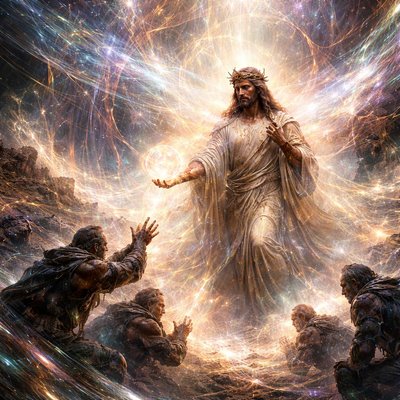
Prompt: A hyper-realistic, dramatic oil painting, Chiaroscuro style. A magnificent, yet visibly wounded figure, representing Jesus Christ, stands in a landscape that is half-darkened battlefield, half-celestial light. He wears a crown that is a blend of sharp thorns and shining gold. He is extending one hand, which bears the mark of a nail, and is handing a luminous, glowing orb (representing "the spoil") to a group of humbled, "strong" figures kneeling before him. His other hand is clasped in a gesture of plea or "intercession." His expression is one of triumphant exhaustion and deep mercy. The atmosphere is solemn, epic, and highly detailed.