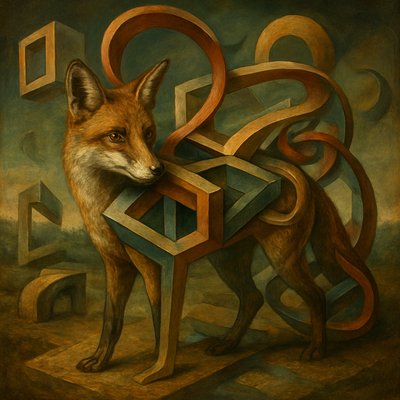
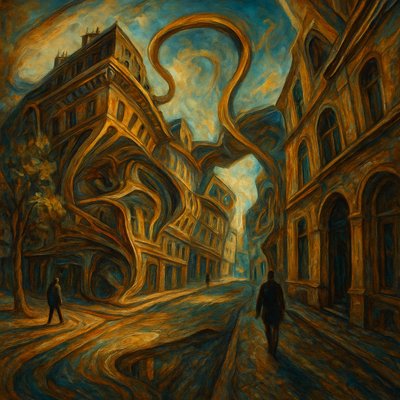
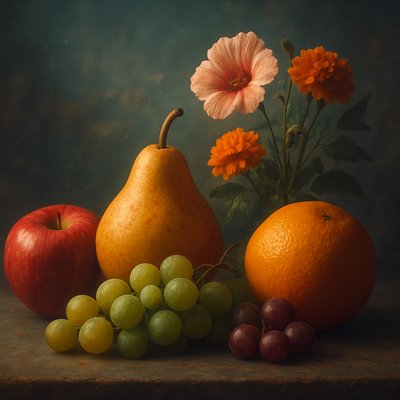
Warrior Unleashing Ultimate Technique Art

illustration depicting Jesus Christ as the true High Priest after the order of Melchizedek, fulfilling Hebrews 7:11.Standing prominently in radiant, warm golden light, Jesus dominates the foreground. He is clad in majestic, deep royal blue and your signature Tola scarlet priestly robes, heavily embroidered with intricate gold patterns of a roaring lion and flourishing grapevines. He does not wear the traditional Levitical (Aaron) high priestly garments. His expression is regal, compassionate, and powerful.A powerful, luminous golden aura shaped distinctly like a massive, roaring lion's head emanates from behind him, forming a spiritual halo that encompasses him. This symbolizes his dual role as King-Priest from the tribe of Judah. He holds up a golden chalice and a loaf of bread, referring to Melchizedek's offering and the new covenant.
illustration depicting Jesus Christ as the true High Priest after the order of Melchizedek, fulfilling Hebrews 7:11.Standing prominently in radiant, warm golden light, Jesus dominates the foreground. He is clad in majestic, deep royal blue and your signature Tola scarlet priestly robes, heavily embroidered with intricate gold patterns of a roaring lion and flourishing grapevines. He does not wear the traditional Levitical (Aaron) high priestly garments. His expression is regal, compassionate, and powerful.A powerful, luminous golden aura shaped distinctly like a massive, roaring lion's head emanates from behind him, forming a spiritual halo that encompasses him. This symbolizes his dual role as King-Priest from the tribe of Judah. He holds up a golden chalice and a loaf of Unleavened bread, referring to Melchizedek's offering and the new covenant.
“And I heard the number of them which were sealed: and there were sealed an hundred and forty and four thousand of all the tribes of the children of Israel. Of the tribe of Juda were sealed twelve thousand. Of the tribe of Reuben were sealed twelve thousand. Of the tribe of Gad were sealed twelve thousand. Of the tribe of Aser were sealed twelve thousand. Of the tribe of Nepthalim were sealed twelve thousand. Of the tribe of Manasses were sealed twelve thousand. Of the tribe of Simeon were sealed twelve thousand. Of the tribe of Levi were sealed twelve thousand. Of the tribe of Issachar were sealed twelve thousand. Of the tribe of Zabulon were sealed twelve thousand. Of the tribe of Joseph were sealed twelve thousand. Of the tribe of Benjamin were sealed twelve thousand.” (Revelation 7:4-8, KJV)
Art Style & Atmosphere: A richly detailed, cinematic fantasy photograph with a whimsical, storybook quality. The lighting is dappled and golden, filtering through a complex canopy, creating a serene and wondrous atmosphere.

The Subjects: A magnificent, large Bengal tigress with deep orange and black fur walks with a slow, confident stride through the center of the frame. Perched comfortably on her shoulder blades, looking around with wide-eyed curiosity, is a small tabby kitten with unusual, muted olive-green and brownish-grey striped fur.

The Environment (The Forest-Library): The setting is a seamless, magical fusion of an ancient woodland and a grand library.

    The Trees: Towering, gnarled trees have trunks that are not just bark, but carved wooden bookshelves packed tight with thousands of leather-bound books, scrolls, and codices.

    The Canopy: The "leaves" above are a mixture of real green foliage and open book pages fluttering in the breeze, creating a stained-glass effect with the sunlight.

    The Floor: The forest floor is a mix of moss, roots, and stacks of old books that look like natural rock formations or undergrowth.

    School Elements: Old, weathered wooden school desks are integrated into the landscape, some overgrown with ivy, holding open botanical textbooks. A large slate chalkboard, covered in arcane botanical diagrams, is embedded into a mossy rock face.

Composition: A wide-angle shot showing the scale of the environment as the tigress and kitten move along a path paved with worn flagstones and embedded encyclopedias.
Art Style & Atmosphere: A richly detailed, cinematic fantasy photograph with a whimsical, storybook quality. The lighting is dappled and golden, filtering through a complex canopy, creating a serene and wondrous atmosphere.

The Subjects: A magnificent, large Bengal tigress with deep orange and black fur walks with a slow, confident stride through the center of the frame. Perched comfortably on her shoulder blades, looking around with wide-eyed curiosity, is a small tabby kitten with unusual, muted olive-green and brownish-grey striped fur.

The Environment (The Forest-Library): The setting is a seamless, magical fusion of an ancient woodland and a grand library.

    The Trees: Towering, gnarled trees have trunks that are not just bark, but carved wooden bookshelves packed tight with thousands of leather-bound books, scrolls, and codices.

    The Canopy: The "leaves" above are a mixture of real green foliage and open book pages fluttering in the breeze, creating a stained-glass effect with the sunlight.

    The Floor: The forest floor is a mix of moss, roots, and stacks of old books that look like natural rock formations or undergrowth.

    School Elements: Old, weathered wooden school desks are integrated into the landscape, some overgrown with ivy, holding open botanical textbooks. A large slate chalkboard, covered in arcane botanical diagrams, is embedded into a mossy rock face.

Composition: A wide-angle shot showing the scale of the environment as the tigress and kitten move along a path paved with worn flagstones and embedded encyclopedias.
A realistic and peaceful image of a 56-year-old woman fishing on the shores of Lake Livingston, Texas, during the Christmas season. She has very long, vibrant red hair that flows all the way down to her waist, gently moving in the breeze.
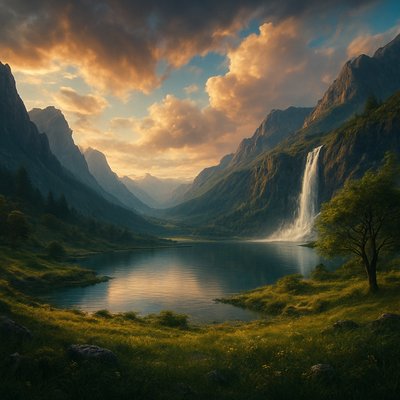
She is standing on a wooden dock or sitting in a comfortable chair by the water, surrounded by the tall pine trees characteristic of East Texas. The weather is cool but pleasant (Texas winter). She is wearing cozy holiday-themed attire, such as a warm plaid flannel shirt in red and green, a festive scarf, or a beanie. Maybe there is a small Christmas wreath on the railing of the dock or a thermos of hot cocoa nearby. The lake is calm and reflects the soft winter sun. The lighting is warm and golden. High quality, photorealistic, serene atmosphere.
Start with a completely ordinary, even boring photograph of a full moon reflecting over a still lake.
Corrupt it until it no longer resembles its original subject at all, but still somehow feels like it’s haunted by what it used to be. Push the file through at least four different deliberate stages of destruction (e.g. heavy JPEG decay → databend in Audacity → pixel sorting by luminance → extreme RGB channel displacement and offset). Let compression artifacts bloom into impossible colors. Allow entire sections to liquefy and drip downward. Make the metadata scream. The final image should feel like a memory that’s been compressed, encrypted, lost, recovered, and compressed again for twenty years.

An awe-inspiring and whimsical scene featuring Willy Wonka's Great Glass Wonkavator, soaring high above Louisiana and ascending into a fantastical sky. The Wonkavator itself is a magnificent, multi-directional glass elevator, transparent and sparkling, with Willy Wonka (in his iconic purple coat and top hat), and several  cats in stylish New Orleans clothing clearly visible and enjoying the ride inside. The interior of the Wonkavator shows intricate, whimsical control panels. The Wonkavator is depicted in mid-flight, having just burst through the factory roof or rising above the clouds. Below it, the fantastical landscape of the Bayou and various whimsical buildings from the city of New Orleans. Beyond is the ocean. The lighting is bright and magical, emphasizing the glass's transparency and the vibrant colors of the world below and beyond. The overall mood is one of boundless adventure, limitless possibilities, and pure, joyful fantasy."
"fresco painting, stylized Egyptian profile, hieroglyphic details, vibrant earth tones"A dramatic, indoor scene from the Book of Exodus depicting the confrontation between Moses and the Egyptian magicians, Jannes and Jambres, in the court of Pharaoh. In the foreground, Jannes and Jambres stand proudly, dressed in ornate, gold-trimmed Egyptian robes, their faces stern and defiant. They are surrounded by their magical staffs and are attempting to replicate a miracle, perhaps surrounded by writhing, magically created snakes. Moses stands opposite them, his figure conveying authority and resolve, illuminated by a stark, celestial light. The background is a grand, dimly lit hall in the Egyptian palace, filled with massive columns and Pharaoh watching from his throne. The mood is one of intense rivalry, ancient power, and dramatic tension."
Beautiful, vibrant fields
The Fourth reached out his eager hand and felt about the knee. What most this wondrous beast is like is mighty plain, said he; Tis clear enough the Elephant is very like a tree!
The first approached the elephant and happening to fall against his broad and study side at once began to bawl, God bless me but the elephant is very like a wall. Show a blind man falling against the side of the elephant with tusks.
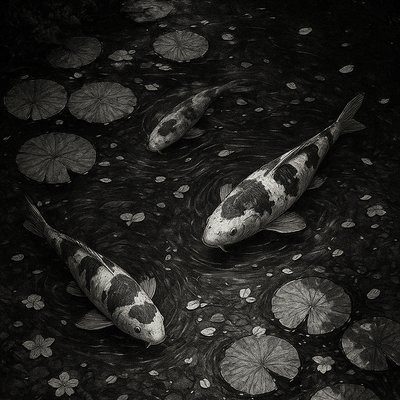
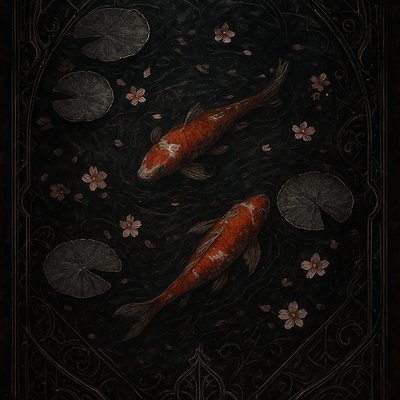
A koi pond seen from above, orange and white koi fish swimming among lily pads, clear water with subtle ripples, fallen cherry blossom petals floating on the surface, dappled sunlight
The first approached the elephant and happening to fall against his broad and study side at once began to bawl, God bless me but the elephant is very like a wall. Show a blind man falling against the side of the elephant.
Migration patterns
Storm clouds gathering
A koi pond seen from above, orange and white koi fish swimming among lily pads, clear water with subtle ripples, fallen cherry blossom petals floating on the surface, dappled sunlight
"A hyper-realistic, cinematic portrait of Zelek the Ammonite, one of King David’s elite 'Mighty Men.' He is a towering figure with a weathered, fierce expression, wearing ancient Near Eastern bronze-and-iron scale armor with heavy leather straps. He stands in a stance of immense power, holding a massive, jagged-edged broadsword or a heavy iron-headed spear. The background is a battlefield where he has literally 'broken' through the enemy line—visualized as a physical fissure or crack in the earth radiating from his feet (Baal-perazim style). The enemy 'host' is seen scattering and dissolving in his wake, depicted as shadowy figures falling back into a golden, dusty haze. Art Style: Gritty biblical realism blended with epic 2026 digital concept art; heavy emphasis on texture (hammered metal, scarred skin, desert sand), deep shadows, and high-contrast volumetric lighting. 8K resolution, wide-angle lens, masterpiece quality
“And it came to pass in those days, that there went out a decree from Caesar Augustus, that all the world should be taxed. (And this taxing was first made when Cyrenius was governor of Syria.) And all went to be taxed, every one into his own city. And Joseph also went up from Galilee, out of the city of Nazareth, into Judaea, unto the city of David, which is called Bethlehem; (because he was of the house and lineage of David:) To be taxed with Mary his espoused wife, being great with child. And so it was, that, while they were there, the days were accomplished that she should be delivered. And she brought forth her firstborn son, and wrapped him in swaddling clothes, and laid him in a manger; because there was no room for them in the inn.” (Luke 2:1-7, KJV)
Judges 20:8-12 (KJV)
8 And all the people arose as one man, saying, We will not any of us go to his tent, neither will we any of us turn into his house.
9 But now this shall be the thing which we will do to Gibeah; we will go up by lot against it;
10 And we will take ten men of an hundred throughout all the tribes of Israel, and an hundred of a thousand, and a thousand out of ten thousand, to fetch victual for the people, that they may do, when they come to Gibeah of Benjamin, according to all the folly that they have wrought in Israel.
11 So all the men of Israel were gathered against the city, knit together as one man.
12 And the tribes of Israel sent men through all the tribe of Benjamin, saying, What wickedness is this that is done among you?
John Singer Sargent Oil Painting Style, Grand Manner Portraiture, Rich Impasto Brushwork. A full-length, elegant portrait of a society figure standing in a dramatic pose, wrapped in a voluminous, heavy emerald green velvet cloak.

The Fabric & Brushwork: The velvet is rendered with deep, saturated greens and near-black shadows, using sweeping, visible brushstrokes to convey weight and a luxurious, soft sheen where the light hits the folds. The ornate gold embroidery and bullion trim along the edges and collar are painted with thick, confident dashes of yellow ochre, burnt sienna, and bright white impasto that make the metal appear to sparkle and catch the light.

The Atmosphere: The lighting is dramatic and directional, coming from the upper left, highlighting the texture of the cloak and the gold. The background is a dark, atmospheric, loosely painted interior of a Gilded Age mansion, with indistinct antique furniture and deep shadows, ensuring all focus is on the figure and the magnificent garment. The overall mood is opulent and mysterious.
Steampunk Historical Fantasy, Satirical Illustration Style, Cinematic Lighting. A bizarre, anachronistic scene inside a drafty medieval castle great hall (Camelot). A group of noblewomen, dressed in elaborate 6th-century velvet gowns, wimples, and tall pointed hennin hats with veils, are seated on rough wooden stools. They are furiously working a massive, makeshift telephone switchboard operator station.

The Technology: The switchboard is constructed from rough-hewn oak timbers, gleaming brass gears, porcelain insulators, and hundreds of thick, chaotic copper wires that are strung haphazardly across ancient tapestries and stone walls, disappearing out narrow arrow-slit windows.

The Action: The ladies hold bulky, antique Victorian-era earpieces and large brass mouthpieces, plugging heavy cables with oversized jacks into the board with expressions of intense concentration and mild confusion. Knights in armor walk past in the background, looking bewildered. Sunlight streams through gothic windows, illuminating the dust and the clash of eras.
Steampunk Historical Fantasy, Satirical Illustration Style, Cinematic Lighting. A bizarre, anachronistic scene inside a drafty medieval castle great hall (Camelot). A group of noblewomen, dressed in elaborate 6th-century velvet gowns, wimples, and tall pointed hennin hats with veils, are seated on rough wooden stools. They are furiously working a massive, makeshift telephone switchboard operator station.

The Technology: The switchboard is constructed from rough-hewn oak timbers, gleaming brass gears, porcelain insulators, and hundreds of thick, chaotic copper wires that are strung haphazardly across ancient tapestries and stone walls, disappearing out narrow arrow-slit windows.

The Action: The ladies hold bulky, antique Victorian-era earpieces and large brass mouthpieces, plugging heavy cables with oversized jacks into the board with expressions of intense concentration and mild confusion. Knights in armor walk past in the background, looking bewildered. Sunlight streams through gothic windows, illuminating the dust and the clash of eras.
Seamless triptych artwork, continuous scene flowing left to right, left panel shows a palomino horse in the foreground on the far left side of the scene walking down a grassy slope toward a reflective teal-blue river in the Scottish Highlands with rocks and ferns around its hooves, center panel continues the same landscape as the horse now appears in the midground at the center of the scene standing at the river’s edge drinking from the reflective water beside ancient moss-covered stone ruins, right panel continues the scene as the horse appears far away in the distance on the far right side of the scene following the riverbank toward steep mist-covered mountains with dramatic sunlight breaking through the clouds, unified natural palette of greens golds and reflective teal blues, consistent cinematic lighting, shared horizon line, smooth uninterrupted left-to-right visual flow with no panel separation.
A triptych oil painting, presented as three heavily framed, connected panels in the dramatic, tenebrism style of Baroque masters like Caravaggio. The overall atmosphere is one of supernatural, oppressive darkness and violent chaos.

The Left Panel shows the penitent thief on his cross, body twisted in pain but his face turned toward the center panel with a look of sorrowful acceptance. A faint, supernatural light illuminates his face against a nearly black sky. Below him, rocks are splitting.

The Center Panel is dominated by Jesus on the cross, head bowed in finality. The sky is a swirling vortex of eclipse darkness, blotting out the sun. The ground beneath the cross is violently cracking open, emitting dust and smoke, with debris caught in mid-air from the earthquake shockwave.

The Right Panel shows the impenitent thief, writhing and screaming against his bonds, his face contorted in rage looking away from the center. He is almost swallowed by the shadows. The cross appears unstable as the cliffside crumbles beneath it. The entire triptych has a rich, dark color palette of deep browns, blacks, and muted crimson, textured with visible, frantic brushstrokes.
A triptych oil painting, presented as three heavily framed, connected panels in the dramatic, tenebrism style of Baroque masters like Caravaggio. The overall atmosphere is one of supernatural, oppressive darkness and violent chaos.

The Left Panel shows the penitent thief on his cross, body twisted in pain but his face turned toward the center panel with a look of sorrowful acceptance. A faint, supernatural light illuminates his face against a nearly black sky. Below him, rocks are splitting.

The Center Panel is dominated by Jesus on the cross, head bowed in finality. The sky is a swirling vortex of eclipse darkness, blotting out the sun. The ground beneath the cross is violently cracking open, emitting dust and smoke, with debris caught in mid-air from the earthquake shockwave.

The Right Panel shows the impenitent thief, writhing and screaming against his bonds, his face contorted in rage looking away from the center. He is almost swallowed by the shadows. The cross appears unstable as the cliffside crumbles beneath it. The entire triptych has a rich, dark color palette of deep browns, blacks, and muted crimson, textured with visible, frantic brushstrokes.
A magical, high-fantasy illustration capturing the final scene of Reepicheep's journey from C.S. Lewis's The Voyage of the Dawn Treader. A very small, simple, wooden coracle (boat) is drifting alone across the vast, calm, crystalline waters of the Silver Sea, which is covered in a dense carpet of large, creamy-white and luminous purple sea flowers (lilies or star-shaped blossoms).

The noble Mouse, Reepicheep, stands bravely in the little boat. He is wearing his formal armor and sword, and his tiny sail is lowered. He is looking ahead with an expression of hope and determination toward the far, shimmering horizon where the sky and sea meet the edge of the world, represented by a column or curtain of bright, clear light. The lighting is ethereal and soft, emphasizing the profound stillness and peacefulness of the scene. The overall style should be reminiscent of classic book illustrations, rich in detail, color, and wonder. Golden light of Aethel-red, epic atmosphere, fantasy illustration."
An awe-inspiring and whimsical scene featuring Willy Wonka's Great Glass Wonkavator, soaring through the sky and beyond the confines of Ontario Canada and its flag. The Wonkavator itself is a magnificent, multi-directional glass elevator, transparent and sparkling, with Willy Wonka (wearing his iconic top hat, purple coat, and bowtie) and 2 Canadian ladies looking out with expressions of joy, wonder and excitement. The interior is filled with intricate buttons and levers for controlling its magical flight. The Wonkavator is depicted in mid-flight, ascending above the clouds flying out to the ocean. Below it, the fantastical landscape of Ontario Canada is visible with a large Canadian flay flying over the city. – and various whimsical buildings. Beyond Ontario, a stunning, imaginative sky unfolds, perhaps with floating candy clouds, distant fantastical landmarks, or even glimpses of outer space and planets. The lighting is bright and magical, emphasizing the glass's transparency and the vibrant colors of the world below and beyond. The overall mood is one of boundless adventure, limitless possibilities, and pure, joyful fantasy."
A young woman with timeless 1980s glamour, Cyndi Lauper-like look, sits at a small outdoor café table on a cliff overlooking a picturesque seaside town. She gazes over the town below as the sun rises, casting radiant hues of pink, orange, and teal across the rooftops and narrow streets. She has luminous pastel makeup, bright expressive eyes, and a stylishly teased hairstyle with vivid color streaks. Her outfit is eclectic and bold: layered accessories, a patterned jacket with neon accents, fingerless gloves, and whimsical jewelry sparkling in the morning light. On the table beside her rests a delicate porcelain coffee cup of fine Italian china, painted with intricate cobalt blue, gold, and crimson designs. From the cup, steam rises, transforming into miniature planets, glowing constellations, and swirling galaxies that drift upward like vapor into the sky above. The atmosphere is cinematic, luminous, filled with radiant tones, crisp clarity, and classic beauty, with no dark overlay.
A majestic and reverent scene, directly inspired by Revelation 5:8. A group of elderly, robed figures are kneeling in worship, their faces and attention directed towards a central focal point. Each elder holds a golden harp in one hand and a golden bowl brimming with luminous, swirling incense in the other. The incense, representing the collective prayers of all saints, rises in shimmering, golden tendrils from each bowl, converging and ascending towards the central figure. At the very center of the composition, slightly elevated and bathed in radiant light, stands the Lamb who was slain, embodying divine power and sacrifice, the recipient of all this worship. The atmosphere is ethereal, filled with soft, divine golden light emanating from the incense and the Lamb, emphasizing the precious, sacred, and unified nature of the prayers being offered before Him. Focus on the rich textures of gold, the reverence of the elders, and the radiant presence of the Lamb
A historically accurate and deeply somber depiction of the immediate aftermath of the Wounded Knee Massacre in December 1890. The scene captures the desolate, snow-covered landscape of the Pine Ridge Reservation. Focus on the fallen Lakota men, women, and children, scattered across the snow, their bodies still and tragic. A few surviving individuals are shown in postures of profound grief or shock, perhaps tending to the wounded. The distant presence of U.S. soldiers, heavily armed, stands as a stark and cold counterpoint to the devastation. The atmosphere is one of profound sorrow, loss, and the brutal silence of winter. The lighting is cold and muted, emphasizing the harshness of the environment and the tragedy of the event. The artistic style should be a realistic, painterly approach, evoking the historical period with unflinching honesty but without graphic sensationalism. The intent is to serve as a memorial to the victims and a historical testament to the tragic event."
A vivid, dramatic scene depicting a lone figure standing resiliently in the center of a swirling swarm of bees, their forms illuminated by a fiery glow as thorns around them burn brightly, then fade into ash. The figure, clad in simple yet radiant robes, holds a shining sword raised triumphantly, symbolizing divine strength and victory. Behind them, a radiant light bursts forth, representing the presence of the Lord, with beams breaking through a stormy sky. The ground beneath the figure is cracked but stable, showing they were pushed but did not fall. The atmosphere is intense yet hopeful, with a harmonious blend of danger and divine protection, capturing the essence of Psalm 118:12-14--strength, salvation, and triumph through faith. The color palette includes fiery oranges, deep golds, and cool blues to contrast the chaos with divine peace. Ultra-realistic, slightly surreal. Extreme detail.
A woman dressed in Great Depression era fashion, standing in a dimly lit, humble setting. She wears a modest, long-sleeved dress made of durable, slightly faded cotton or rayon, with a mid-calf hemline. The dress is a muted color like dusty blue, faded green, or soft brown, possibly with a subtle, small floral or geometric pattern. Her hair is styled simply, perhaps in soft waves or a practical updo, and she wears sturdy, low-heeled lace-up shoes. Her posture is resilient, reflecting the strength of the era. The background is simple and sparse, hinting at the economic hardship, perhaps an old wooden wall or a faded curtain. The overall feeling is one of quiet determination and dignified hardship Use Art Deco architecture or Art Deco interior in the background, but describe the fashion as faded, worn, and humble. Juxtapose the sleek, modern geometry of the setting with the practical, mended, and heavy wool textures of the clothing.
An awe-inspiring and whimsical scene featuring Willy Wonka's Great Glass Wonkavator, soaring through the sky and beyond the confines of the chocolate factory. The Wonkavator itself is a magnificent, multi-directional glass elevator, transparent and sparkling, with Willy Wonka (wearing his iconic top hat, purple coat, and bowtie) and Charlie Bucket and Grandpa Joe inside, looking out with expressions of wonder and excitement. The interior is filled with intricate buttons and levers for controlling its magical flight.

The Wonkavator is depicted in mid-flight, perhaps bursting through the factory roof or ascending above the clouds. Below it, the fantastical landscape of the Chocolate Factory is visible – chocolate rivers, edible gardens, candy cane trees, and various whimsical buildings. Beyond the factory, a stunning, imaginative sky unfolds, perhaps with floating candy clouds, distant fantastical landmarks, or even glimpses of outer space and planets. The lighting is bright and magical, emphasizing the glass's transparency and the vibrant colors of the world below and beyond. The overall mood is one of boundless adventure, limitless possibilities, and pure, joyful fantasy."
An awe-inspiring and whimsical scene featuring Willy Wonka's Great Glass Wonkavator, soaring through the sky and beyond the confines of the chocolate factory. The Wonkavator itself is a magnificent, multi-directional glass elevator, transparent and sparkling, with Willy Wonka (wearing his iconic top hat, purple coat, and bowtie) and Charlie Bucket (and perhaps Grandpa Joe) inside, looking out with expressions of wonder and excitement. The interior is filled with intricate buttons and levers for controlling its magical flight.

The Wonkavator is depicted in mid-flight, perhaps bursting through the factory roof or ascending above the clouds. Below it, the fantastical landscape of the Chocolate Factory is visible – chocolate rivers, edible gardens, candy cane trees, and various whimsical buildings. Beyond the factory, a stunning, imaginative sky unfolds, perhaps with floating candy clouds, distant fantastical landmarks, or even glimpses of outer space and planets. The lighting is bright and magical, emphasizing the glass's transparency and the vibrant colors of the world below and beyond. The overall mood is one of boundless adventure, limitless possibilities, and pure, joyful fantasy."
A dramatic, richly detailed scene in the ancient Babylonian royal court. In the foreground, three wise and esteemed Babylonian court magicians (Chaldeans/astrologers) are gathered around a central figure, possibly the king, or intently studying an inscribed clay tablet. They are dressed in opulent, finely woven robes of deep blues, reds, and gold, with elaborate turbans or headwear. Their long, meticulously styled beards and hair indicate their status and wisdom. One magician holds a stylus, another points to intricate cuneiform script on a clay tablet, and the third gazes thoughtfully, perhaps at a celestial chart or into a symbolic brazier. The background reveals the grand, awe-inspiring architecture of the Babylonian palace, with glazed brick walls adorned with depictions of mythical creatures (like the Ishtar Gate lions) and massive, ornate columns. The atmosphere is one of profound intellectual pursuit, ancient wisdom, and mystical interpretation under the watchful eyes of the king. epic fantasy art, cinematic lighting, ultra-detailed, dramatic shadows, mystical glow"
"A hyper-realistic, cinematic portrait of Zelek the Ammonite, one of King David’s elite 'Mighty Men.' He is a towering figure with a weathered, fierce expression, wearing ancient Near Eastern bronze-and-iron scale armor with heavy leather straps. He stands in a stance of immense power, holding a massive, jagged-edged broadsword or a heavy iron-headed spear. The background is a battlefield where he has literally 'broken' through the enemy line—visualized as a physical fissure or crack in the earth radiating from his feet (Baal-perazim style). The enemy 'host' is seen scattering and dissolving in his wake, depicted as shadowy figures falling back into a golden, dusty haze. Art Style: Gritty biblical realism blended with epic 2026 digital concept art; heavy emphasis on texture (hammered metal, scarred skin, desert sand), deep shadows, and high-contrast volumetric lighting. 8K resolution, wide-angle lens, masterpiece quality