Rush Hour Through Time Art

still life arrangement of fruits and flowers
serene landscape with mountains and water
still life arrangement of fruits and flowers
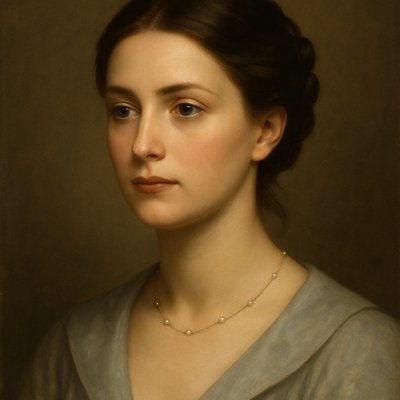
portrait of a person with expressive eyes
still life arrangement of fruits and flowers
serene landscape with mountains and water
portrait of a person with expressive eyes
serene landscape with mountains and water
portrait of a person with expressive eyes
serene landscape with mountains and water
still life arrangement of fruits and flowers
portrait of a person with expressive eyes
serene landscape with mountains and water
portrait of a person with expressive eyes
still life arrangement of fruits and flowers
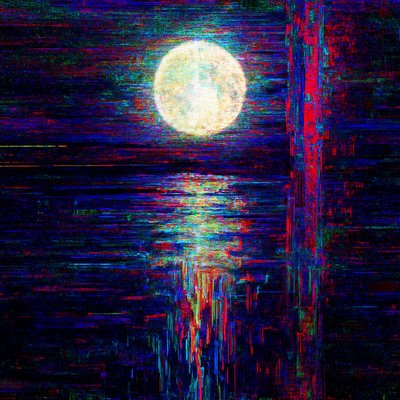
Start with a completely ordinary, even boring photograph of a full moon reflecting over a still lake.
Corrupt it until it no longer resembles its original subject at all, but still somehow feels like it’s haunted by what it used to be. Push the file through at least four different deliberate stages of destruction (e.g. heavy JPEG decay → databend in Audacity → pixel sorting by luminance → extreme RGB channel displacement and offset). Let compression artifacts bloom into impossible colors. Allow entire sections to liquefy and drip downward. Make the metadata scream. The final image should feel like a memory that’s been compressed, encrypted, lost, recovered, and compressed again for twenty years.

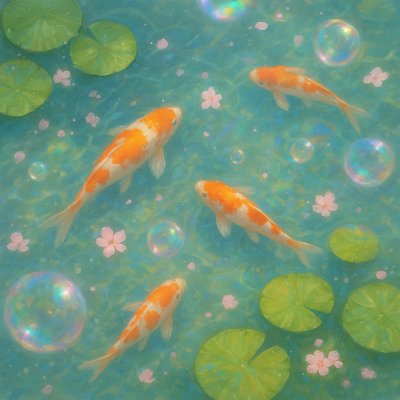
A koi pond seen from above, orange and white koi fish swimming among lily pads, clear water with subtle ripples, fallen cherry blossom petals floating on the surface, dappled sunlight
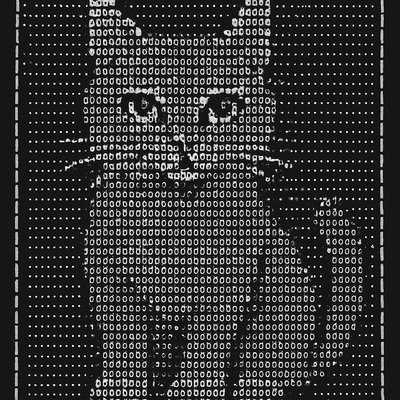
Cat
Cinematic night scene of traditional Northern New Mexico adobe houses with rounded corners and flat roofs, nestled in a snowy Taos landscape. Large soft snowflakes are falling through the air. The windows are glowing with warm golden candlelight. Along the rooflines and pathways, hundreds of traditional luminarias (farolitos) cast a soft amber glow. The scene features Puebloan-inspired Christmas art and geometric patterns in turquoise, copper, silver, and midnight blue. No red or green colors. High detail, serene atmosphere, high contrast between the warm golden lights and the cool blue twilight snow, 8k resolution, photorealistic.
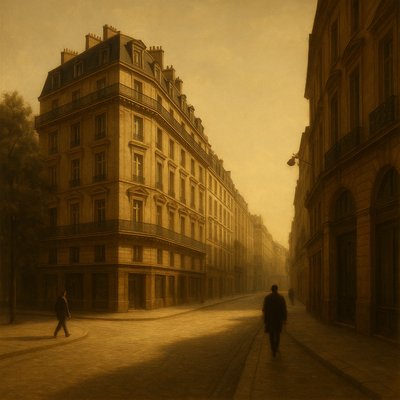
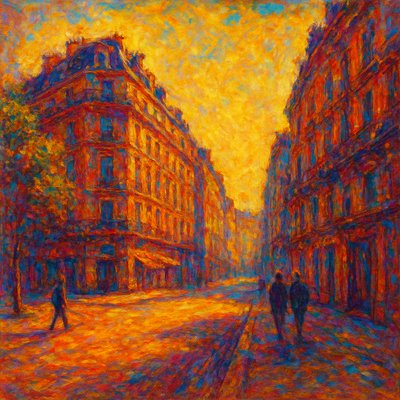
Japanese Architecture Art Style Transfer Example
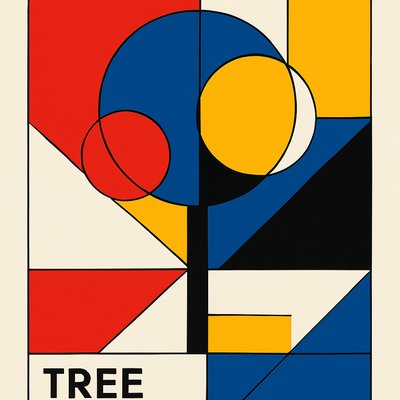
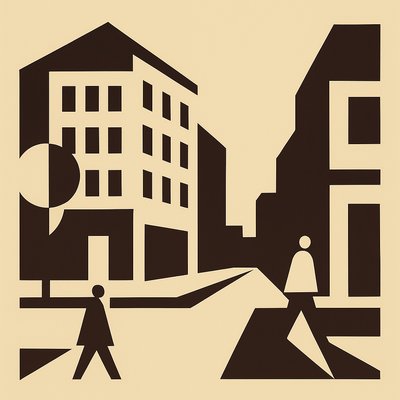
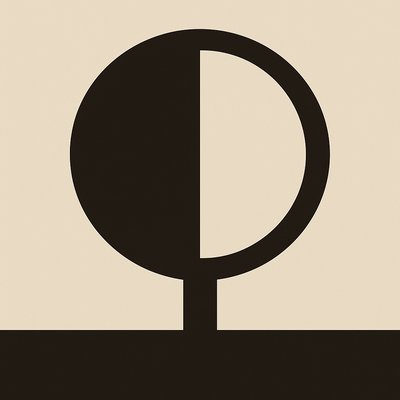
Minimalist Geometric Art Style Transfer Example
Japanese Architecture Art Style Transfer Example
Minimalist Geometric Art Style Transfer Example
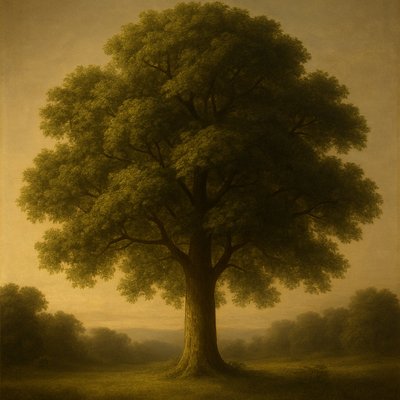
a tree in nature
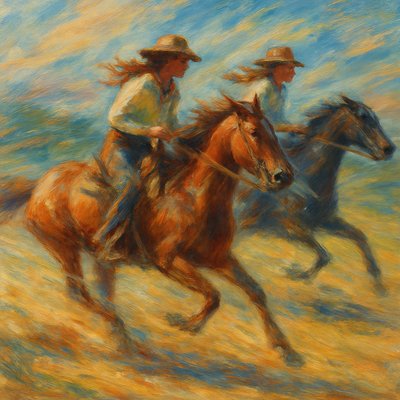
Cowgirls riding horses.
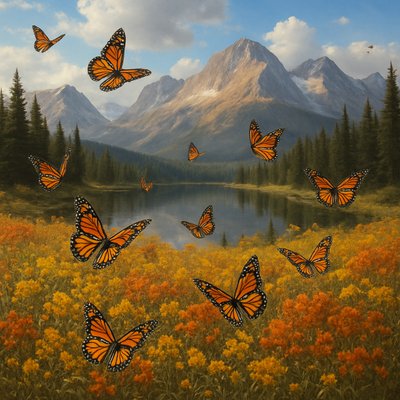
Butterflies migrating across a field of fall flowers in the Rocky Mountains
Figure experiencing grief
The triumph of wisdom
Galloping horses
A sundrenched beach scene
A snow owl in flight
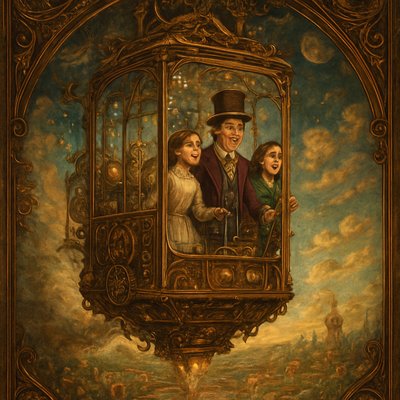
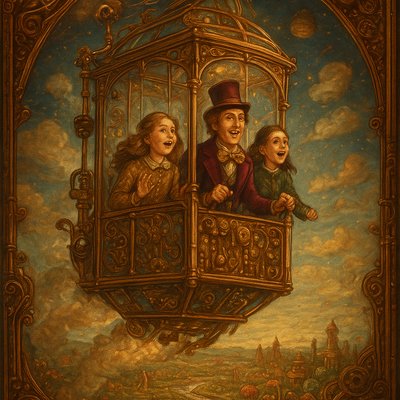
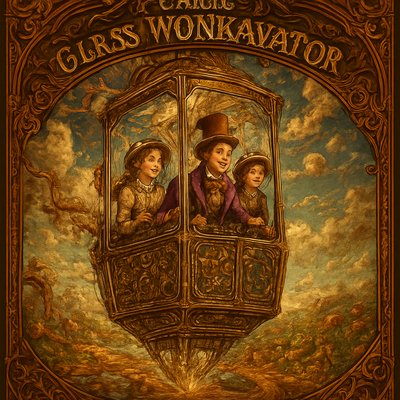
An awe-inspiring and whimsical scene featuring Willy Wonka's Great Glass Wonkavator, soaring through the sky and beyond the confines of the chocolate factory. The Wonkavator itself is a magnificent, multi-directional glass elevator, transparent and sparkling, with Willy Wonka (wearing his iconic top hat, purple coat, and bowtie) and 2 young Victorian well dressed ladies looking out with expressions of joy, wonder and excitement. The interior is filled with intricate buttons and levers for controlling its magical flight. The Wonkavator is depicted in mid-flight, perhaps bursting through the factory roof or ascending above the clouds. Below it, the fantastical landscape of the Chocolate Factory is visible – chocolate rivers, edible gardens, candy cane trees, and various whimsical buildings. Beyond the factory, a stunning, imaginative sky unfolds, perhaps with floating candy clouds, distant fantastical landmarks, or even glimpses of outer space and planets. The lighting is bright and magical, emphasizing the glass's transparency and the vibrant colors of the world below and beyond. The overall mood is one of boundless adventure, limitless possibilities, and pure, joyful fantasy."
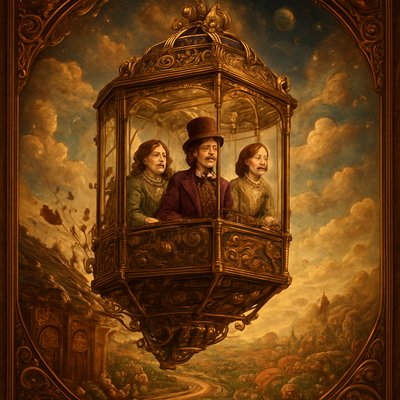
An awe-inspiring and whimsical scene featuring Willy Wonka's Great Glass Wonkavator, soaring through the sky and beyond the confines of the chocolate factory. The Wonkavator itself is a magnificent, multi-directional glass elevator, transparent and sparkling, with a middle aged Willy Wonka (wearing his iconic top hat, purple coat, and bowtie) and 2 young Victorian well dressed ladies looking out with expressions of joy, wonder and excitement. The interior is filled with intricate buttons and levers for controlling its magical flight. The Wonkavator is depicted in mid-flight, perhaps bursting through the factory roof or ascending above the clouds. Below it, the fantastical landscape of the Chocolate Factory is visible – chocolate rivers, edible gardens, candy cane trees, and various whimsical buildings. Beyond the factory, a stunning, imaginative sky unfolds, perhaps with floating candy clouds, distant fantastical landmarks, or even glimpses of outer space and planets. The lighting is bright and magical, emphasizing the glass's transparency and the vibrant colors of the world below and beyond. The overall mood is one of boundless adventure, limitless possibilities, and pure, joyful fantasy."
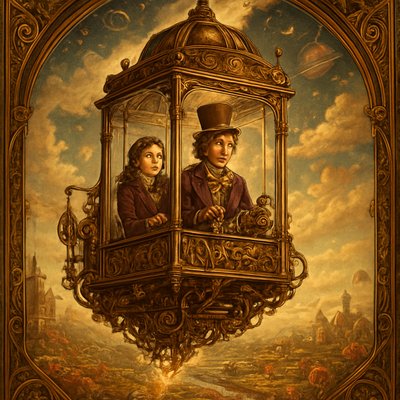
An awe-inspiring and whimsical scene featuring Willy Wonka's Great Glass Wonkavator, soaring through the sky and beyond the confines of the chocolate factory. The Wonkavator itself is a magnificent, multi-directional glass elevator, transparent and sparkling, with a middle aged Willy Wonka (wearing his iconic top hat, purple coat, and bowtie) and a young Victorian well dressed lady looking out with expressions of wonder and excitement. The interior is filled with intricate buttons and levers for controlling its magical flight. The Wonkavator is depicted in mid-flight, perhaps bursting through the factory roof or ascending above the clouds. Below it, the fantastical landscape of the Chocolate Factory is visible – chocolate rivers, edible gardens, candy cane trees, and various whimsical buildings. Beyond the factory, a stunning, imaginative sky unfolds, perhaps with floating candy clouds, distant fantastical landmarks, or even glimpses of outer space and planets. The lighting is bright and magical, emphasizing the glass's transparency and the vibrant colors of the world below and beyond. The overall mood is one of boundless adventure, limitless possibilities, and pure, joyful fantasy."
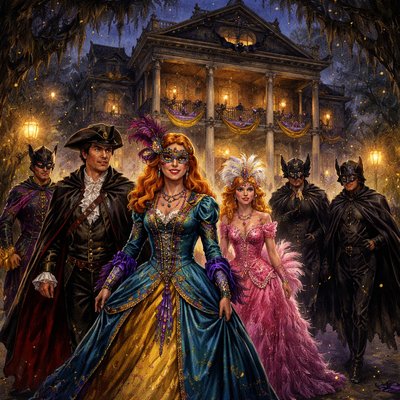
Exterior nighttime scene from Nancy Drew book #81 The Mardi Gras Mystery, the group in full festive costumes arriving at the grand, shadowy Seaton Mansion known as 'Bat Hollow' in New Orleans during Mardi Gras. Teenage detective Nancy Drew leads the way with reddish-blonde hair, wearing an elegant masquerade gown in blue and gold with purple accents, feathered half-mask, strands of colorful beads, and a mysterious smile. Beside her, Ned Nickerson in a dashing tuxedo or pirate-inspired costume with cape and tricorn hat. Bess Marvin (blonde, glamorous) in a sparkling pink feathered ball gown and elaborate headdress, George Fayne (short dark hair, sporty) in a fun jester outfit or adventurous explorer costume with mask. Brian Seaton and his father Bartholomew nearby in partial bat-themed costumes—dark capes, bat-wing collars, eerie masks with pointed ears. The historic Southern mansion looms behind: tall columns, wrought-iron balconies draped with Mardi Gras lights and purple/green/gold banners, flickering lanterns at the entrance, Spanish moss in ancient oaks, subtle bat motifs in the architecture, warm glowing windows hinting at antique interiors and the stolen portrait. Festive yet slightly eerie atmosphere—confetti in the air, distant parade sounds implied, dramatic twilight sky with stars, vibrant colors against gothic shadows. 1980s Nancy Drew book illustration style, adventurous and exciting, detailed costumes and group dynamic, cinematic wide-angle composition, lively holiday energy mixed with subtle suspense."
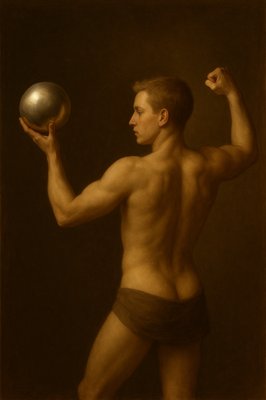
a statue of a man with a chain around his waist
a painting of a man standing in a doorway