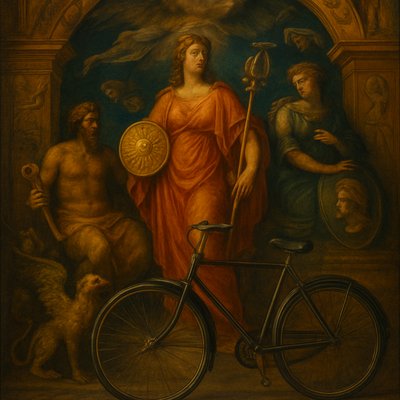
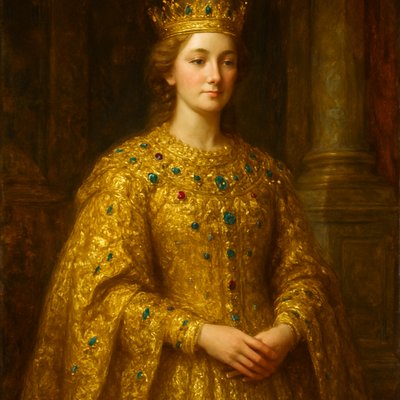
Renaissance Painting, A Noble Woman Of Proverbs 31, Standing At The Window Of A Warm, Well Lit Stone Home Clothed Richly In Art

A historically accurate and atmospheric depiction of the signing of the Mayflower Compact aboard the ship in November 1620. The scene is set in the dimly lit, cramped cabin of the Mayflower, with the ship's timbers and rigging subtly visible, conveying the challenging conditions of the voyage. A simple table or chest serves as the signing surface. The primary focus is on a small group of the last individuals signing the document: specifically, the indentured servants (or 'strangers' not directly part of the Separatist congregation) approaching or at the table. Their expressions show a mix of weary determination, understanding of the necessity, and perhaps a hint of quiet apprehension or resignation to this new social contract, given their status. They are dressed in the plain, practical clothing typical of 17th-century commoners and laborers. Figures of prominent Pilgrims or 'Saints' (like William Bradford or John Carver) are visible in the background, observing the proceedings with a sense of gravity and leadership, but they are not the central focus. The lighting is low and warm, perhaps from a lantern, creating a chiaroscuro effect that highlights the faces of the signers. The atmosphere conveys the momentousness of the act under difficult circumstances, the diverse composition of the group, and the early seeds of self-governance in a new world. The artistic style is a realistic, historically detailed oil painting, capturing the solemnity and human element of this pivotal historical moment."
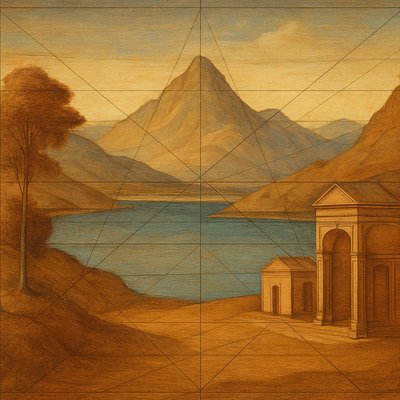
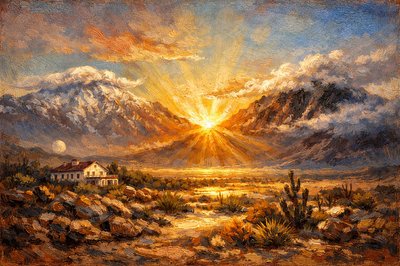
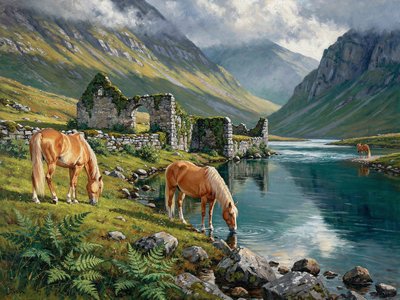
wide landscape with natural scenery

A vivid, dramatic scene depicting a lone figure standing resiliently in the center of a swirling swarm of bees, their forms illuminated by a fiery glow as thorns around them burn brightly, then fade into ash. The figure, clad in simple yet radiant robes, holds a shining sword raised triumphantly, symbolizing divine strength and victory. Behind them, a radiant light bursts forth, representing the presence of the Lord, with beams breaking through a stormy sky. The ground beneath the figure is cracked but stable, showing they were pushed but did not fall. The atmosphere is intense yet hopeful, with a harmonious blend of danger and divine protection, capturing the essence of Psalm 118:12-14--strength, salvation, and triumph through faith. The color palette includes fiery oranges, deep golds, and cool blues to contrast the chaos with divine peace. Ultra-realistic, slightly surreal. Extreme detail.
A serene and majestic watercolor painting, capturing the essence of a grand, towering evergreen tree (like the dominant one in the provided image) standing proudly in a sun-dappled, open forest glade. The tree's deep green needles are rendered with varying washes, showcasing its immense height and full, tiered branches that reach towards a partly cloudy, bright blue sky.

In the foreground and around the base of this glorious tree, two or three graceful mule deer are depicted. One might be grazing peacefully, another looking up towards the viewer with its large, expressive ears, and a fawn possibly tucked nearby. Their coats are rendered in soft, earthy watercolor tones of grey-brown, with delicate highlights and shading to suggest their gentle forms and distinctive white rumps and tails.

The surrounding landscape features a subtle ground cover of dry grasses and scattered undergrowth, characteristic of a high-desert or mountain forest floor, painted with soft, blended washes of ochre, sage green, and light brown. The sky above is a classic watercolor blend of soft blues and wispy white clouds. The overall mood is one of tranquil natural beauty, quiet majesty, and a harmonious coexistence of wildlife and ancient trees, rendered with the flowing, luminous quality of watercolor art loose watercolor style, vibrant yet soft washes, visible brushstrokes, luminous transparency, natural light, serene atmosphere
A vivid, dramatic scene depicting a lone figure standing resiliently in the center of a swirling swarm of bees, their forms illuminated by a fiery glow as thorns around them burn brightly, then fade into ash. The figure, clad in simple yet radiant robes, holds a shining sword raised triumphantly, symbolizing divine strength and victory. Behind them, a radiant light bursts forth, representing the presence of the Lord, with beams breaking through a stormy sky. The ground beneath the figure is cracked but stable, showing they were pushed but did not fall. The atmosphere is intense yet hopeful, with a harmonious blend of danger and divine protection, capturing the essence of Psalm 118:12-14--strength, salvation, and triumph through faith. The color palette includes fiery oranges, deep golds, and cool blues to contrast the chaos with divine peace. Ultra-realistic, slightly surreal. Extreme detail.
A koi pond seen from above, orange and white koi fish swimming among lily pads, clear water with subtle ripples, fallen cherry blossom petals floating on the surface, dappled sunlight
still life with everyday objects
A historically accurate and atmospheric depiction of the signing of the Mayflower Compact aboard the ship in November 1620. The scene is set in the dimly lit, cramped cabin of the Mayflower, with the ship's timbers and rigging subtly visible, conveying the challenging conditions of the voyage. A simple table or chest serves as the signing surface. The primary focus is on a small group of the last individuals signing the document: specifically, the indentured servants (or 'strangers' not directly part of the Separatist congregation) approaching or at the table. Their expressions show a mix of weary determination, understanding of the necessity, and perhaps a hint of quiet apprehension or resignation to this new social contract, given their status. They are dressed in the plain, practical clothing typical of 17th-century commoners and laborers. Figures of prominent Pilgrims or 'Saints' (like William Bradford or John Carver) are visible in the background, observing the proceedings with a sense of gravity and leadership, but they are not the central focus. The lighting is low and warm, perhaps from a lantern, creating a chiaroscuro effect that highlights the faces of the signers. The atmosphere conveys the momentousness of the act under difficult circumstances, the diverse composition of the group, and the early seeds of self-governance in a new world. The artistic style is a realistic, historically detailed oil painting, capturing the solemnity and human element of this pivotal historical moment."
A vivid, dramatic scene depicting a lone figure standing resiliently in the center of a swirling swarm of bees, their forms illuminated by a fiery glow as thorns around them burn brightly, then fade into ash. The figure, clad in simple yet radiant robes, holds a shining sword raised triumphantly, symbolizing divine strength and victory. Behind them, a radiant light bursts forth, representing the presence of the Lord, with beams breaking through a stormy sky. The ground beneath the figure is cracked but stable, showing they were pushed but did not fall. The atmosphere is intense yet hopeful, with a harmonious blend of danger and divine protection, capturing the essence of Psalm 118:12-14--strength, salvation, and triumph through faith. The color palette includes fiery oranges, deep golds, and cool blues to contrast the chaos with divine peace. Ultra-realistic, slightly surreal. Extreme detail.
John Singer Sargent Oil Painting Style, Grand Manner Portraiture, Rich Impasto Brushwork. A full-length, elegant portrait of a society figure standing in a dramatic pose, wrapped in a voluminous, heavy emerald green velvet cloak.

The Fabric & Brushwork: The velvet is rendered with deep, saturated greens and near-black shadows, using sweeping, visible brushstrokes to convey weight and a luxurious, soft sheen where the light hits the folds. The ornate gold embroidery and bullion trim along the edges and collar are painted with thick, confident dashes of yellow ochre, burnt sienna, and bright white impasto that make the metal appear to sparkle and catch the light.

The Atmosphere: The lighting is dramatic and directional, coming from the upper left, highlighting the texture of the cloak and the gold. The background is a dark, atmospheric, loosely painted interior of a Gilded Age mansion, with indistinct antique furniture and deep shadows, ensuring all focus is on the figure and the magnificent garment. The overall mood is opulent and mysterious.
Epic Landscape Photography Style, Wide-Angle Lens, Golden Hour Lighting. A profound, sweeping photograph of a single, colossal ancient Eastern Cottonwood tree standing isolated in the center of a vast expanse of the Nebraska rolling highlands (Sandhills).

The Tree: It is massive and gnarled, a true sentinel of the plains, with a thick, deeply fissured trunk and sprawling, asymmetrical branches shaped by years of constant wind.

The Environment: The surrounding landscape is a sea of undulating, gentle hills covered in knee-high mixed-grass prairie that glows coppery-gold and sage-green in the late afternoon light. The grasses are visibly swaying in the breeze. A faint, winding dirt track leads toward the horizon.

The Sky & Light: The sky is immense and dramatic, taking up two-thirds of the frame, filled with textured cumulus clouds catching the brilliant oranges, deep purples, and soft pinks of the sunset. The light is warm, casting long shadows across the folds of the hills. The mood is quiet, vast, and solitary.
Epic Landscape Photography Style, Wide-Angle Lens, Golden Hour Lighting. A profound, sweeping photograph of a single, colossal ancient Eastern Cottonwood tree standing isolated in the center of a vast expanse of the Nebraska rolling highlands (Sandhills).

The Tree: It is massive and gnarled, a true sentinel of the plains, with a thick, deeply fissured trunk and sprawling, asymmetrical branches shaped by years of constant wind.

The Environment: The surrounding landscape is a sea of undulating, gentle hills covered in knee-high mixed-grass prairie that glows coppery-gold and sage-green in the late afternoon light. The grasses are visibly swaying in the breeze. A faint, winding dirt track leads toward the horizon.

The Sky & Light: The sky is immense and dramatic, taking up two-thirds of the frame, filled with textured cumulus clouds catching the brilliant oranges, deep purples, and soft pinks of the sunset. The light is warm, casting long shadows across the folds of the hills. The mood is quiet, vast, and solitary.
Epic Landscape Photography Style, Wide-Angle Lens, Golden Hour Lighting. A profound, sweeping photograph of a single, colossal ancient Eastern Cottonwood tree standing isolated in the center of a vast expanse of the Nebraska rolling highlands (Sandhills).

The Tree: It is massive and gnarled, a true sentinel of the plains, with a thick, deeply fissured trunk and sprawling, asymmetrical branches shaped by years of constant wind.

The Environment: The surrounding landscape is a sea of undulating, gentle hills covered in knee-high mixed-grass prairie that glows coppery-gold and sage-green in the late afternoon light. The grasses are visibly swaying in the breeze. A faint, winding dirt track leads toward the horizon.

The Sky & Light: The sky is immense and dramatic, taking up two-thirds of the frame, filled with textured cumulus clouds catching the brilliant oranges, deep purples, and soft pinks of the sunset. The light is warm, casting long shadows across the folds of the hills. The mood is quiet, vast, and solitary.