Recycled Gold Ring With Lab Diamond Art

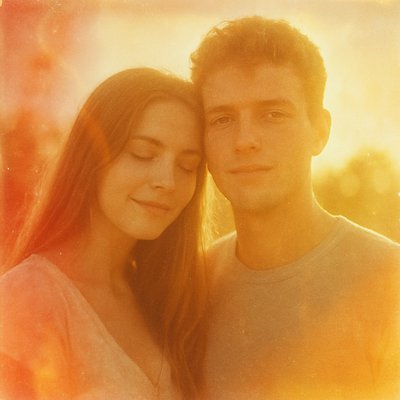
portrait of two people together
A koi pond seen from above, orange and white koi fish swimming among lily pads, clear water with subtle ripples, fallen cherry blossom petals floating on the surface, dappled sunlight
a collage of different types of street signs
a painting of a woman looking in a mirror
a painting of a man holding a magnifying glass
Architectural Anatomy Surrealism Art Style Style Transfer Example
Fluxus Art Style Style Transfer Example
a tree in nature
bicyle resting against a wall
portrait of two people together
a tree in nature
Fluxus Art Style Style Transfer Example
Architectural Anatomy Surrealism Art Style Style Transfer Example
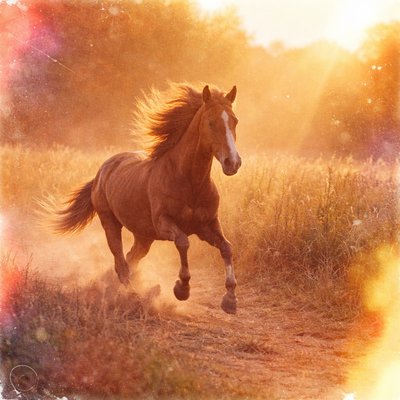
animal standing in natural pose
bicyle resting against a wall
portrait of two people together
animal standing in natural pose
still life arrangement of fruits and flowers
a majestic white cow with soulful eyes stands triumphantly elevated on the slanted, half-submerged rooftop of an old wooden cotton house during an apocalyptic flood, rising chaotic waters swirling violently below like judgment waves from a forgotten deluge. The cow is perfectly balanced and serene amid destruction, symbolizing unexpected divine deliverance from the hangman and chaos. In the stormy, star-filled sky behind, a faint glowing blue Neptune planet hovers near the shadowy, jagged silhouette of Cetus the sea monster constellation lurking in the cosmic void. Moody blues, grungy textures, toxic neon glows on the water, ethereal decay, high contrast dramatic lighting, cinematic wide shot, cyber-grunge atmosphere, intricate details on the cow's fur and the crumbling roof, sense of prophetic hope piercing the darkness
still life arrangement of fruits and flowers
Art Style: Neon-Futurism Digital Art, vibrant and high-contrast. A blend of cosmic sci-fi and mystical fantasy. 8k resolution with bioluminescent lighting effects.

The Subject: A powerful, ethereal figure representing Aquarius. She has flowing, glowing cyan hair that moves as if underwater. She is wearing a sleek, iridescent bodysuit etched with glowing star constellations.

The Action: She is balanced perfectly on a glowing, translucent surfboard made of pure amethyst crystal. She is surfing inside the "tube" of a massive, curling cosmic wave that she is creating herself.

The Wave of Creation: > * In her hands, she holds two ornate, ancient silver urns (pitchers).

    Instead of just water, liquid starlight and crystalline energy pour out of the urns, merging directly into the base of the wave she is riding.

    The wave itself is filled with swirling nebulae, miniature planets, and sparkling diamond-dust foam.

The Setting: An alien moonscape background with giant, glowing crystal clusters (pink and blue) jutting out of the dark sand. The sky is a deep violet, featuring a distant, massive sun and neighboring planets hanging in the atmosphere.

Atmosphere & Lighting: Electric and exhilarating. Bright "energy splashes" fly off the board, and a trail of glowing turquoise water follows her path. The light should be dominated by Electric Cyan, Magenta, and Deep Purple.
Funny yet eerie gift portrait: a smug cartoonish blue-tinted fleagle (flying eagle-beagle hybrid creature) breaking free from a comically oversized birdcage labeled 'Materialism & Elite Control', wearing tiny sunglasses and a 'Wake Up Sheeple' t-shirt, shattering holographic chains with laser eyes, confetti of red pills raining down, vibrant pop-surrealism style like a mix of Ralph Steadman and modern meme art, bold colors, humorous but with dark undertones
A detailed, ancient-style map of the land of Canaan, with distinct, labeled territories for the Hivites, Arkite, and Sinite people groups. Each territory should have subtle visual cues reflecting their possible historical characteristics or natural environments. For example, the Hivite territory could show some hilly or forested areas, the Arkite territory might feature a coastal city, and the Sinite territory could suggest a more inland or mountainous region. The map should have a weathered, parchment-like texture, with an elegant, old-world font for the labels. In one corner, a small, illuminated manuscript-style illustration could depict three distinct figures, each subtly representing one of the groups, perhaps dressed in period-appropriate attire and engaging in an activity typical of their region. The overall aesthetic should evoke historical scholarship and cartography."
A historically accurate and atmospheric depiction of the signing of the Mayflower Compact aboard the ship in November 1620. The scene is set in the dimly lit, cramped cabin of the Mayflower, with the ship's timbers and rigging subtly visible, conveying the challenging conditions of the voyage. A simple table or chest serves as the signing surface. The primary focus is on a small group of the last individuals signing the document: specifically, the indentured servants (or 'strangers' not directly part of the Separatist congregation) approaching or at the table. Their expressions show a mix of weary determination, understanding of the necessity, and perhaps a hint of quiet apprehension or resignation to this new social contract, given their status. They are dressed in the plain, practical clothing typical of 17th-century commoners and laborers. Figures of prominent Pilgrims or 'Saints' (like William Bradford or John Carver) are visible in the background, observing the proceedings with a sense of gravity and leadership, but they are not the central focus. The lighting is low and warm, perhaps from a lantern, creating a chiaroscuro effect that highlights the faces of the signers. The atmosphere conveys the momentousness of the act under difficult circumstances, the diverse composition of the group, and the early seeds of self-governance in a new world. The artistic style is a realistic, historically detailed oil painting, capturing the solemnity and human element of this pivotal historical moment."
Gritty Historical Realism Style, Cinematic Film Photography, Natural Daylight. A powerful, candid medium shot of the infamous pirate duo, Anne Bonny and Mary Read, standing side-by-side on the weathered wooden deck of the sloop Revenge in the Caribbean Sea (circa 1720).

The Subjects: Both are dressed in practical, worn 18th-century male sailor's attire—loose canvas breeches, oversized linen shirts, heavy leather waistcoats, and bandanas—scruffy clothing that disguises their gender at a distance but reveals them as fiercely capable women upon closer inspection. Their faces are sun-weathered, dirty, and determined.

Specific Details: Anne Bonny (left) has fiery red hair escaping a dark bandana and a tricorn hat pushed back; she holds a drawn cutlass and has a defiant, volatile expression. Mary Read (right) looks sturdier, wearing a heavy wool coat, arms crossed over her chest with two flintlock pistols visible in her sash, looking steady and calculating.

The Setting: The background is a chaotic, working pirate ship deck with coils of tarred rope, rigging, barrels, and a cannon. Beyond the rail is the turquoise ocean and a hazy tropical coastline. The lighting is harsh, midday sun, with salt spray in the air. The mood is tense, rebellious, and authentic. Film grain texture.
house with front view
hot cup of coffee with steam
cozy house with warm lighting
wide landscape with natural scenery
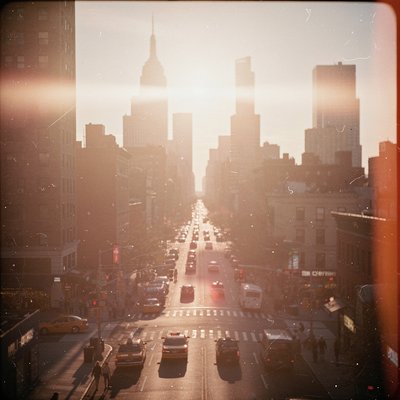
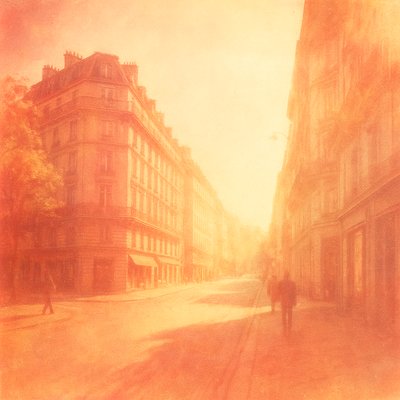
busy street scene with people
urban street with city activity
still life with everyday objects
a close up of a person with a cell phone
urban street with city activity
still life with everyday objects
wide landscape with natural scenery
a close up of a sign with dates on it
a man with short hair and a black shirt
portrait of a person with expressive eyes