Porcelain Glaze Style Transfer Example Art

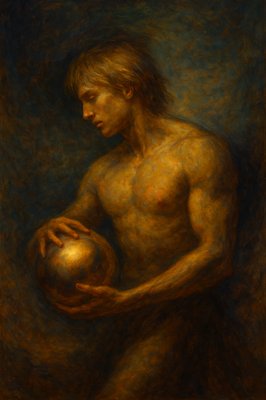
a painting of a man with no shirt on
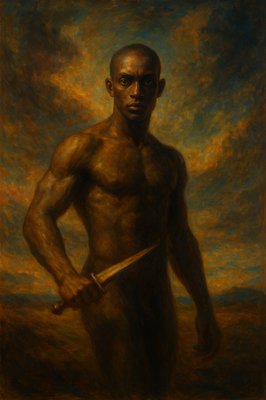
a painting of a man holding a knife
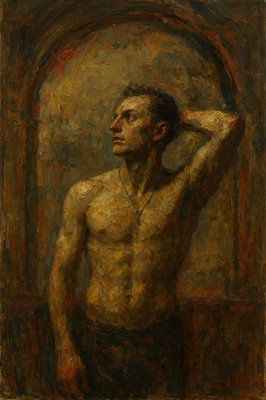
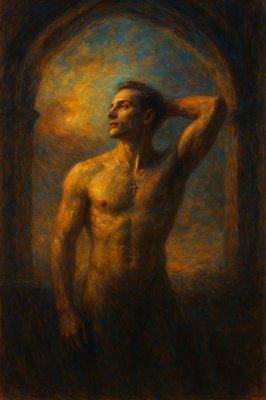
a painting of a man with his hand on his head
a painting of a man holding a sword and a shield
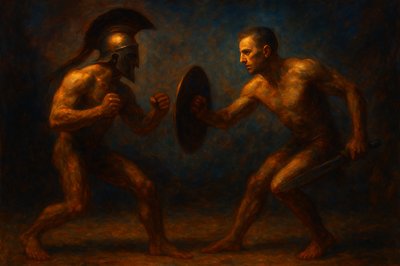
a painting of two men fighting each other
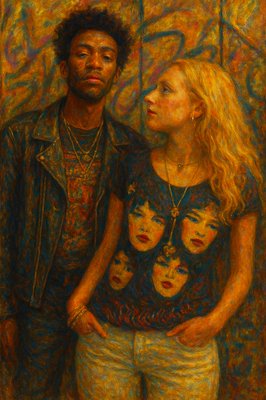
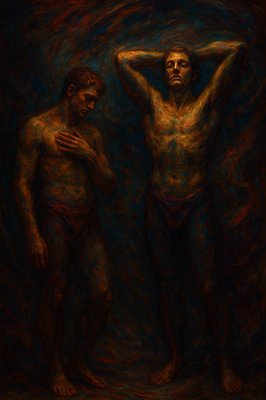
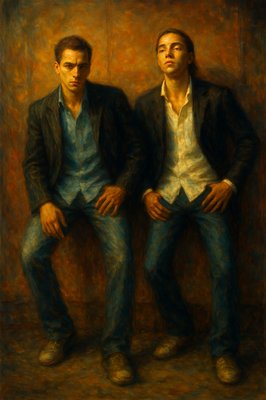
a painting of two men standing next to each other
a painting of two men holding swords in their hands
a painting of a man with no shirt on
a painting of a man standing next to two bulls
a painting of two men holding a disc
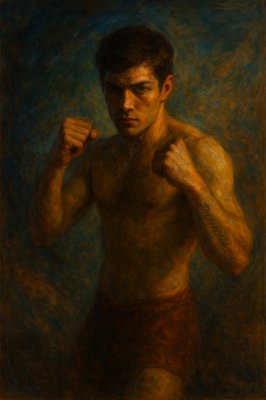
a painting of a man with a boxing glove
a painting of a man with his arms spread out
a painting of a man holding a knife
a painting of a man with wings in the air
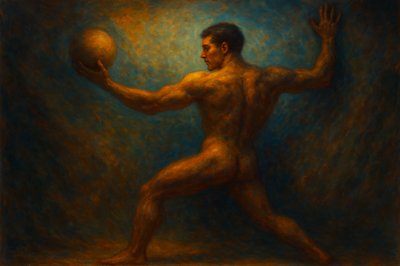
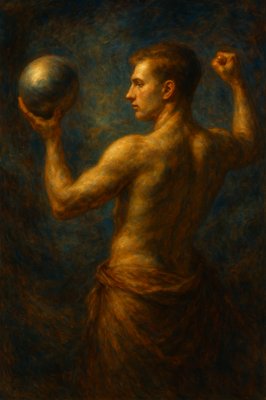
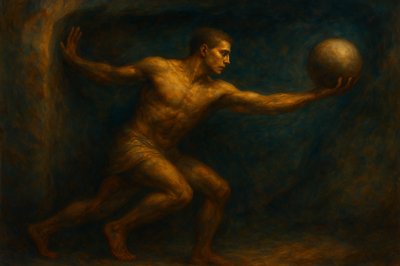
a painting of a man holding a ball
a painting of a man without a shirt
a painting of two men sitting next to each other
a painting of two people standing next to each other
a painting of a man holding a ball
a painting of a man holding a baseball bat
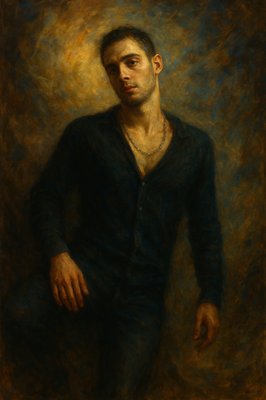
a painting of a man in a black shirt
a painting of a man sitting in a chair
a painting of a man in a wrestling suit
a painting of a man with his arms crossed
a painting of a man holding a rope over his head
a painting of a man with no shirt on
a painting of a shirtless man flexing his muscles
a painting of a man and a demon
a painting of a man holding a rope
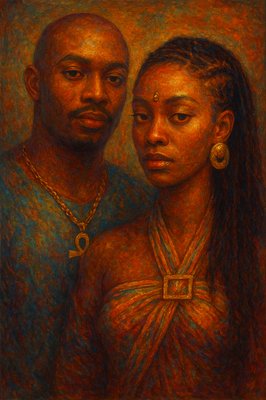
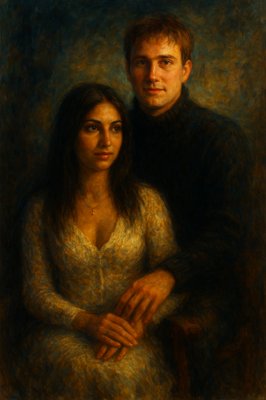
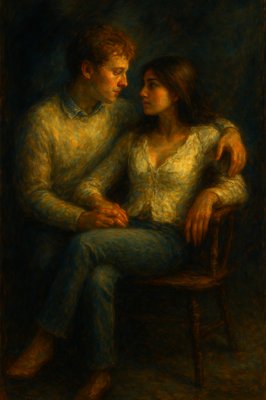
a painting of a man and a woman
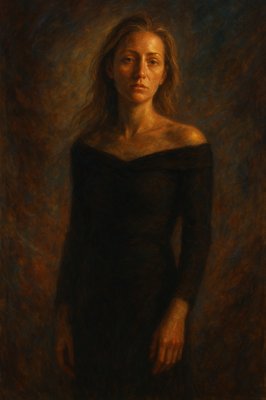
a painting of a woman in a black dress
a painting of a man sitting next to a woman
a painting of a rocky cliff in the ocean
a painting of a man and woman sitting next to each other
a painting of a man kneeling in a tunnel
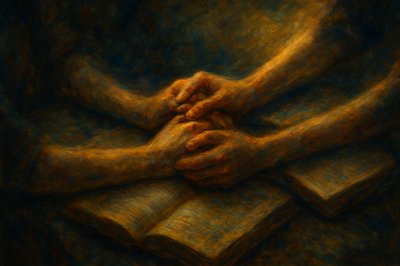
a painting of two hands holding a book
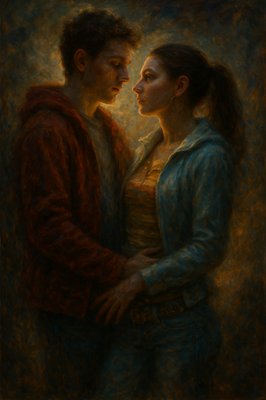
a painting of a man and a woman
A historically accurate and atmospheric depiction of the signing of the Mayflower Compact aboard the ship in November 1620. The scene is set in the dimly lit, cramped cabin of the Mayflower, with the ship's timbers and rigging subtly visible, conveying the challenging conditions of the voyage. A simple table or chest serves as the signing surface. The primary focus is on a small group of the last individuals signing the document: specifically, the indentured servants (or 'strangers' not directly part of the Separatist congregation) approaching or at the table. Their expressions show a mix of weary determination, understanding of the necessity, and perhaps a hint of quiet apprehension or resignation to this new social contract, given their status. They are dressed in the plain, practical clothing typical of 17th-century commoners and laborers. Figures of prominent Pilgrims or 'Saints' (like William Bradford or John Carver) are visible in the background, observing the proceedings with a sense of gravity and leadership, but they are not the central focus. The lighting is low and warm, perhaps from a lantern, creating a chiaroscuro effect that highlights the faces of the signers. The atmosphere conveys the momentousness of the act under difficult circumstances, the diverse composition of the group, and the early seeds of self-governance in a new world. The artistic style is a realistic, historically detailed oil painting, capturing the solemnity and human element of this pivotal historical moment."
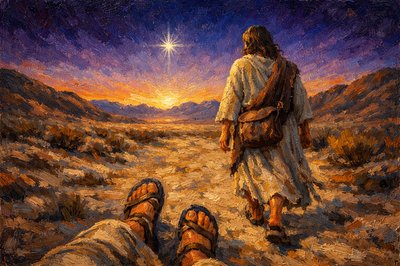
Personal POV scene. Me and Jesus in the desert on a cool morning at daybreak walking toward a bright star. Jesus is wearing old clothes and carrying a satchel. I’m wearing old clothes and sandals just like Him. The air is cool and crisp. The sky is bright blue on the horizon with deep purple fading into black at the upper atmosphere. The air is crisp and clear. It’s like the desert in California looking east toward Arizona. There are desert hills on the north and south sides and mountains in the distance.
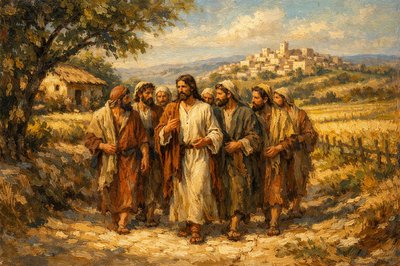
First century Palestine.  Mid-morning in a rural area.  The sun is warm and the atmosphere is positive.  Jesus and His disciples walk along a country road that goes to Bethany. There are some trees shading part of the road ahead, and cultivated fields on either side of the road.  Jesus, wears ordinary clothing like most men, and He’s talking to His disciples as the walk along.  The disciples are listening intently to Jesus, and His face is kind, but intense.  A farm house sits off to one side, and the town is visible in the distance.
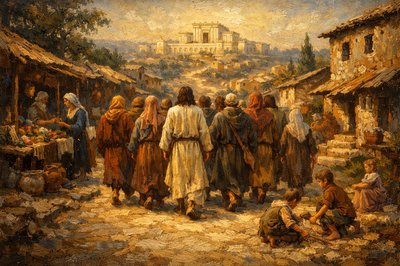
First century Palestine.  Jesus walks away from the camera along a road that goes through town with several of His disciples.   Jesus wears a plain robe like most ordinary men.  The other people are dressed like peasants, farmers, and tradesmen.  There are also women in the group, wearing plain, everyday clothing.  Some children are playing near the roadside.  Merchants are selling their goods in booths along the road.  There are houses along the road also.  The road goes upward toward the Temple in the far distance.
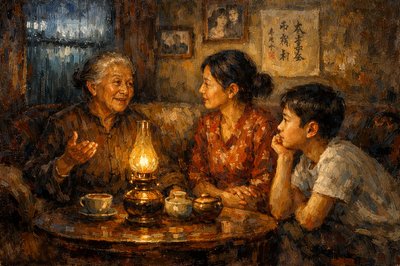
At his Grandmother's house in Penang, while the tropical rain taps softly against the window, Wing Sun, Mother and Grandmother gather in the cozy living room. The room glows with the soft light of an oil lamp, and the walls are adorned with faded photographs and delicate calligraphy. Grandmother’s eyes sparkle as she begins to speak—a voice that carries both the wisdom of her years and the tender care of someone who’s seen many seasons change.  Wing Sun is pensive with anticipation.  What will she say?