Mechanical Bird From Engine Parts Art

A historically accurate, deeply reverent and spiritually evocative oil painting. Two traditional Southern Ute individuals, a man and a woman, stand side-by-side with profound solemnity and ancient peace on the high mesa overlooking the twin spires of Chimney Rock National Monument (Chimney Rock and Companion Rock). They are dressed in authentic, richly detailed traditional attire. The man holds a feathered staff, his gaze directed towards the horizon, symbolizing his role as a protector and observer of the earth. The woman gestures subtly towards the sky, her posture conveying an intimate connection to the celestial, perhaps in a gesture of spiritual offering or acknowledgment. The scene's context is the stalling of the moon's analemma, with the moon itself appearing large and prominent, hanging low in the sky, its unique position clearly marking this cyclical astronomical pause. The atmosphere is bathed in the ethereal, soft glow of early morning light, just as the sun begins to kiss the distant peaks, casting long, significant shadows that stretch across the mesa. Their faces are etched with wisdom and a quiet understanding of the cosmos. The vast, spiritual landscape of Chimney Rock is an integral part of the composition, symbolizing their deep, timeless connection to both earth and sky, and their role as guardians of this sacred knowledge. Fine art composition, conveying a powerful sense of timeless ritual, astronomical reverence, and cultural continuity
Kinetic Sculpture Art Style Style Transfer Example
a tree in nature
house with front view
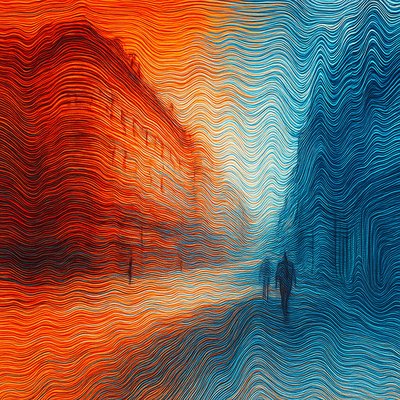
urban street with city activity
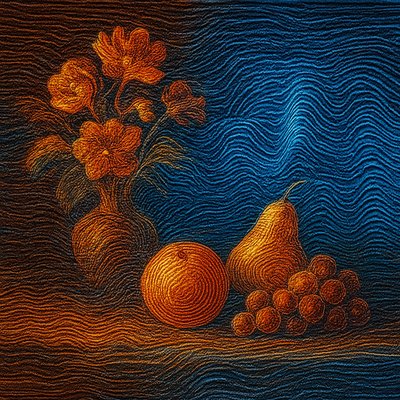
still life with everyday objects
wide landscape with natural scenery

portrait of a person with expressive eyes
serene landscape with mountains and water
A highly detailed photograph of a cheerful female Camp Host with long, flowing red hair, wearing a forest green uniform shirt and khaki pants. She is standing in the San Juan National Forest and is holding a wooden rake. She is engaged in a friendly conversation with Smokey the Bear. The forest setting features large Ponderosa pine trees with orange bark and the ground is covered in a layer of pine needles and raked debris, illustrating fire prevention efforts. The lighting is soft, natural daylight filtering through the trees, giving a warm and encouraging tone. Focus on realistic texture for the uniform, hair, and pine needles.
A breathtaking full-body photograph captures a woman from behind, standing in a vast, vibrant field of purple lupin flowers in Glacier National Park. Her long, rich plum purple hair is beautifully intertwined with fresh lupin blooms, forming an ethereal halo. She wears a unique 70s-inspired outfit consisting of shimmering lavender bell-bottom pants and a matching tunic-style top with bell sleeves and a square neckline, flared at the waist, adorned with subtle white horse patterns. The setting sun paints the sky in dramatic hues of fiery orange and deep red, silhouetting the majestic purple mountain ranges in the distance. The scene evokes a sense of wonder, serenity, and a deep connection to the wild beauty of nature, with a magical, almost fantastical feel, within the iconic landscape of Glacier National Park.
A highly detailed photograph of a cheerful female Camp Host with long, flowing red hair, wearing a forest green uniform shirt and khaki pants. She is standing in the San Juan National Forest and is holding a wooden rake. She is engaged in a friendly conversation with Smokey the Bear. The forest setting features large Ponderosa pine trees with orange bark and the ground is covered in a layer of pine needles and raked debris, illustrating fire prevention efforts. The lighting is soft, natural daylight filtering through the trees, giving a warm and encouraging tone. Focus on realistic texture for the uniform, hair, and pine needles.
A secret witches' party in 1920s Weimar Berlin. Opulent, crumbling ballroom, flickering gaslight, deep shadows. Flapper-era attendees in high fashion, subtle occult accessories. Decadent feast, champagne, cigarette smoke. A central antique table with mysterious ritual objects. Juxtaposition of extreme luxury and hidden magic. Cinematic realism, dark academia, chiaroscuro, rich jewel tones. Influenced by Babylon Berlin aesthetics.
A party in 1920s Weimar Berlin. Opulent, crumbling ballroom, flickering gaslight, deep shadows. Flapper-era attendees in high fashion. Decadent feast, champagne, cigarette smoke. A central antique table with mysterious ritual objects. Juxtaposition of extreme luxury and hidden magic. Cinematic realism, dark academia, chiaroscuro, rich jewel tones. Influenced by Babylon Berlin series aesthetics.
A historically accurate and atmospheric depiction of the signing of the Mayflower Compact aboard the ship in November 1620. The scene is set in the dimly lit, cramped cabin of the Mayflower, with the ship's timbers and rigging subtly visible, conveying the challenging conditions of the voyage. A simple table or chest serves as the signing surface. The primary focus is on a small group of the last individuals signing the document: specifically, the indentured servants (or 'strangers' not directly part of the Separatist congregation) approaching or at the table. Their expressions show a mix of weary determination, understanding of the necessity, and perhaps a hint of quiet apprehension or resignation to this new social contract, given their status. They are dressed in the plain, practical clothing typical of 17th-century commoners and laborers. Figures of prominent Pilgrims or 'Saints' (like William Bradford or John Carver) are visible in the background, observing the proceedings with a sense of gravity and leadership, but they are not the central focus. The lighting is low and warm, perhaps from a lantern, creating a chiaroscuro effect that highlights the faces of the signers. The atmosphere conveys the momentousness of the act under difficult circumstances, the diverse composition of the group, and the early seeds of self-governance in a new world. The artistic style is a realistic, historically detailed oil painting, capturing the solemnity and human element of this pivotal historical moment."
A stunning, high-contrast black and white cinematic still, mimicking the style of 1920s German Expressionism. Depict a luxurious, futuristic rooftop garden party. The scene features Freder, the young master, surrounded by several glamorous, wealthy, aristocratic ladies. The women are all dressed in ornate, art-deco-inspired gowns, their hair styled in sleek 1920s waves. Each lady wears an intricate, opulent Venetian masquerade mask that covers their eyes, adding an element of mystery and formality. In the background, the colossal, sharp, angular skyscrapers of the 'Metropolis' cityscape loom under a dramatic, moody sky. The garden is filled with exotic, highly geometric and stylized plants and gilded statues, reflecting the extreme wealth of the elite.
A historically accurate and atmospheric depiction of the signing of the Mayflower Compact aboard the ship in November 1620. The scene is set in the dimly lit, cramped cabin of the Mayflower, with the ship's timbers and rigging subtly visible, conveying the challenging conditions of the voyage. A simple table or chest serves as the signing surface. The primary focus is on a small group of the last individuals signing the document: specifically, the indentured servants (or 'strangers' not directly part of the Separatist congregation) approaching or at the table. Their expressions show a mix of weary determination, understanding of the necessity, and perhaps a hint of quiet apprehension or resignation to this new social contract, given their status. They are dressed in the plain, practical clothing typical of 17th-century commoners and laborers. Figures of prominent Pilgrims or 'Saints' (like William Bradford or John Carver) are visible in the background, observing the proceedings with a sense of gravity and leadership, but they are not the central focus. The lighting is low and warm, perhaps from a lantern, creating a chiaroscuro effect that highlights the faces of the signers. The atmosphere conveys the momentousness of the act under difficult circumstances, the diverse composition of the group, and the early seeds of self-governance in a new world. The artistic style is a realistic, historically detailed oil painting, capturing the solemnity and human element of this pivotal historical moment."
Monochrome Gradient Minimalism Art Style Style Transfer Example
house with front view
a tree in nature
bicyle resting against a wall
wide landscape with natural scenery
portrait of a person with expressive eyes
Bonsai Wire Sculpture Style Transfer Example
house with front view
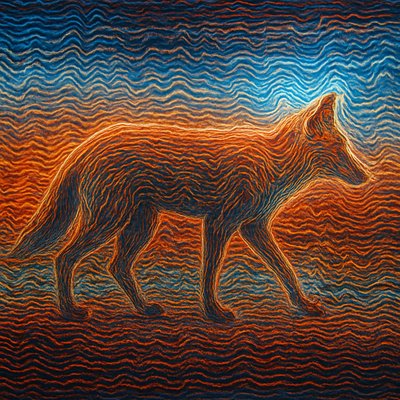
animal standing in natural pose
urban street with city activity
still life with everyday objects
wide landscape with natural scenery
still life arrangement of fruits and flowers
portrait of a person with expressive eyes
Monochrome Gradient Minimalism Art Style Style Transfer Example
urban street with city activity
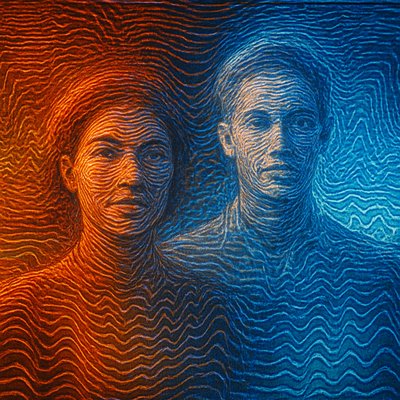
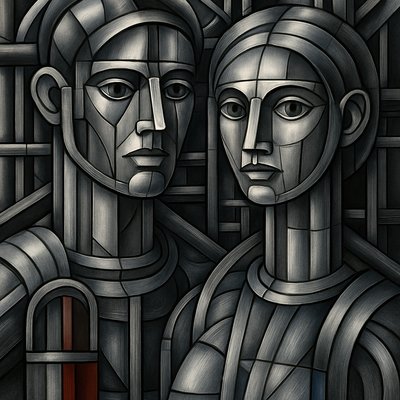
portrait of two people together
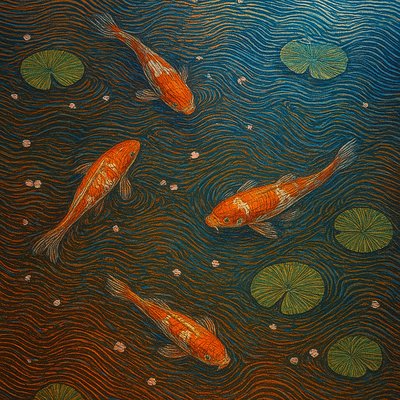
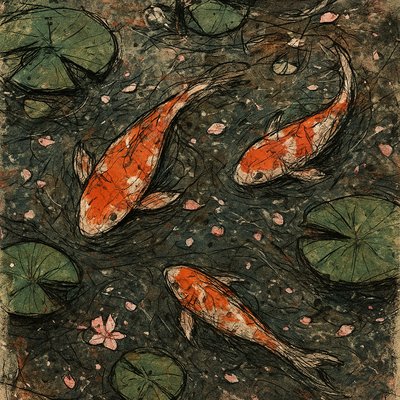
animal standing in natural pose
still life with everyday objects
serene landscape with mountains and water
Bonsai Wire Sculpture Style Transfer Example
a tree in nature
bicyle resting against a wall