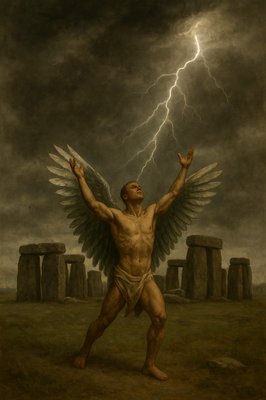
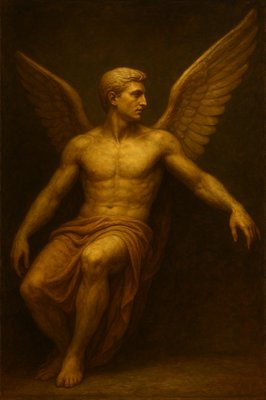
Ezekiel 1:1 28 Create The Angel Described In These Verses Give The Wheels Eyes And Make Sure The Animal Heads Are In The Right Art

Digital Art Style, Romanticism Art Style, a profoundly joyful and beautifully vibrant painting inspired by Psalm 16:11, "You make known to me the path of life; you will fill me with joy in your presence, with eternal pleasures at your right hand." The scene features a pair of exquisitely detailed Peach-faced Lovebirds, with their iconic bright peach faces, vivid green bodies, and touches of blue on their rumps. They are perched affectionately close together on a blossoming branch, their expressions conveying deep contentment and joy. Behind them, a softly glowing, ethereal 'path' of light winds gently through a lush, vibrant, and abundant natural landscape, illuminated by a warm, radiant, divine light that bathes the entire scene. The environment is rich with blooming flowers and verdant foliage, suggesting a place of eternal pleasure and divine presence. Focus intently on the vibrant, luminous colors of the Lovebirds, their tender, joyful interaction, and the glowing, symbolic 'path of life' that permeates the harmonious and blissful atmosphere
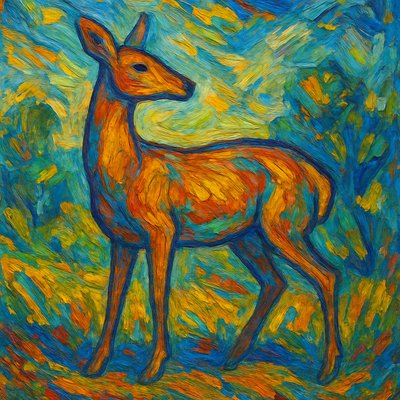
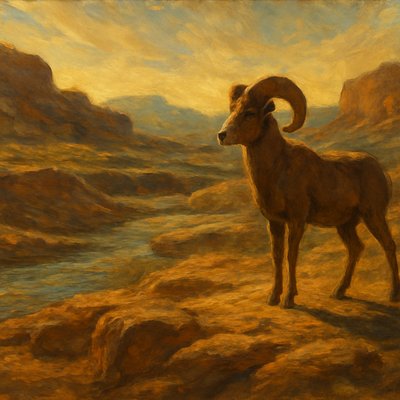
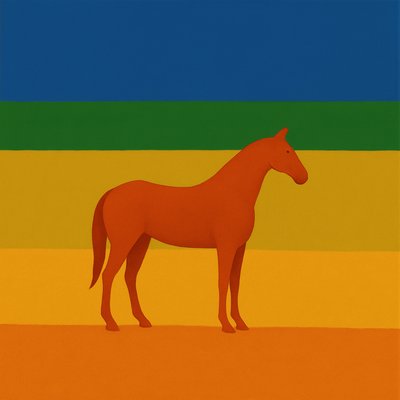
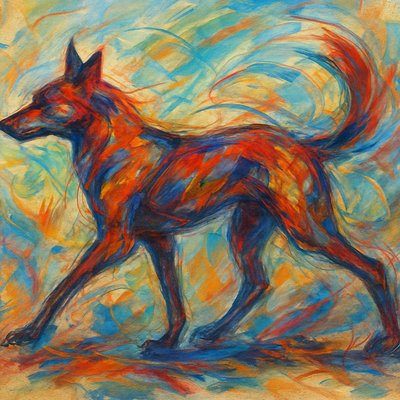
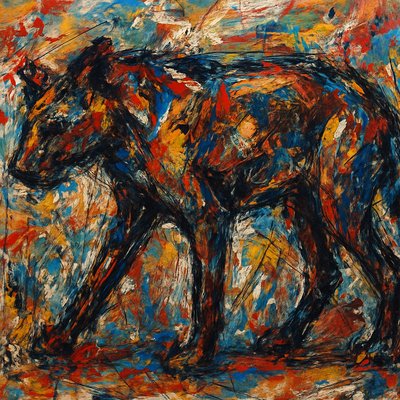
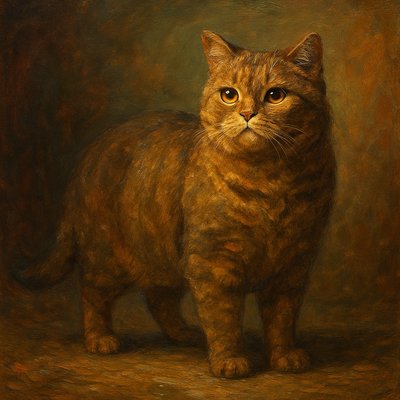
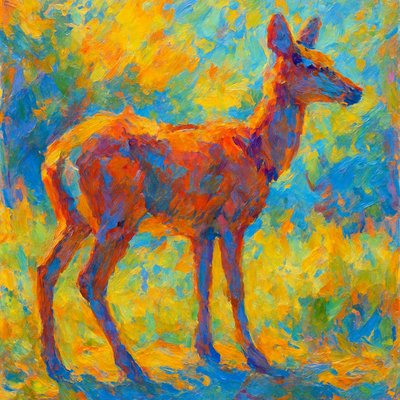
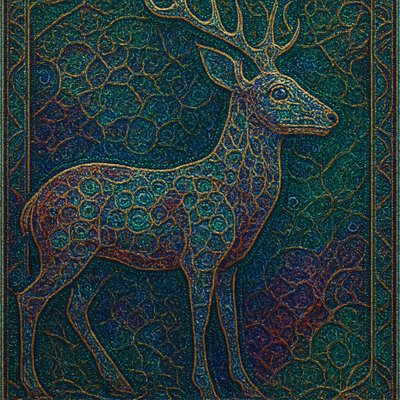
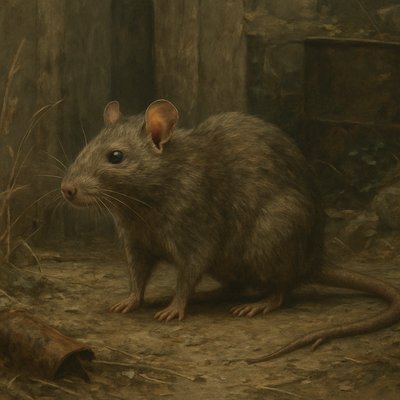
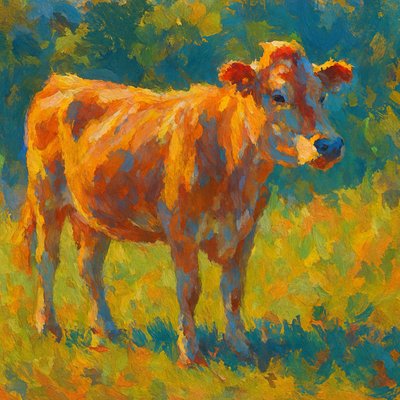
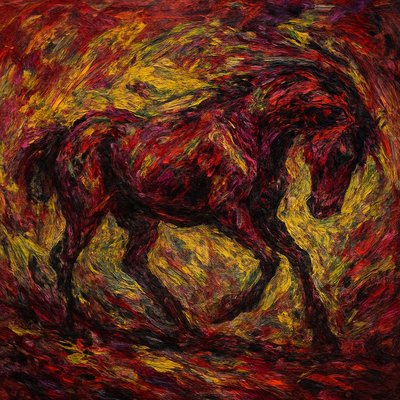
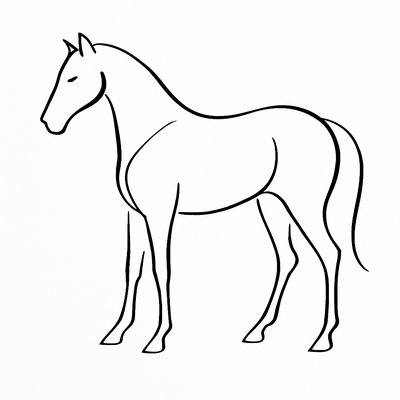
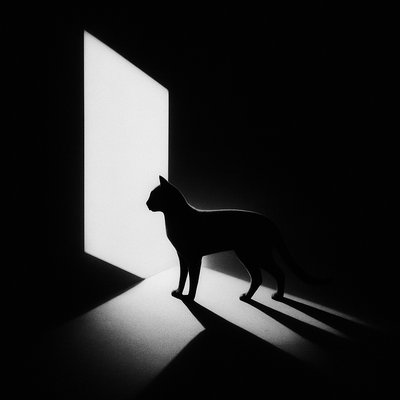
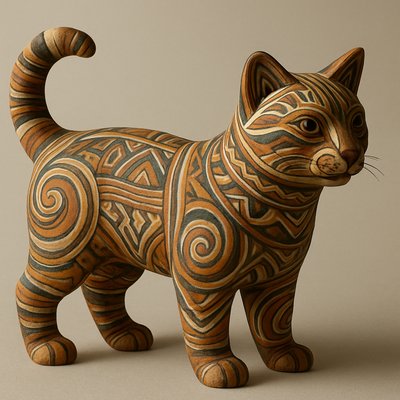
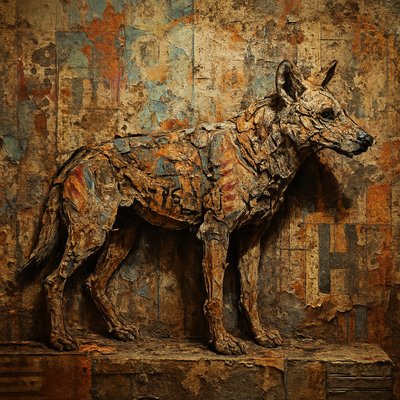
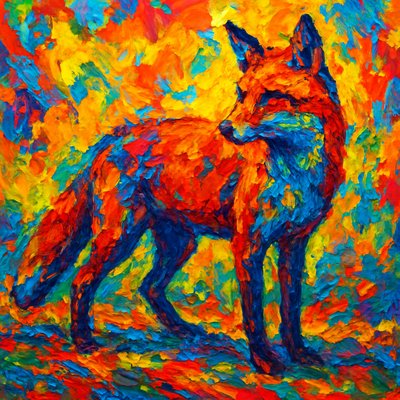
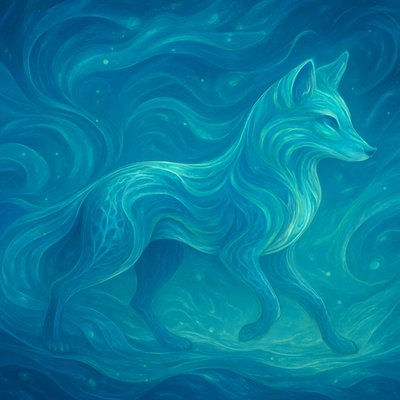
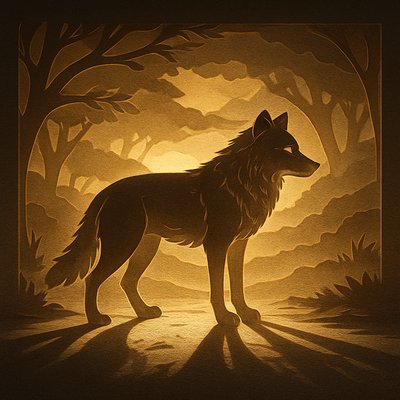
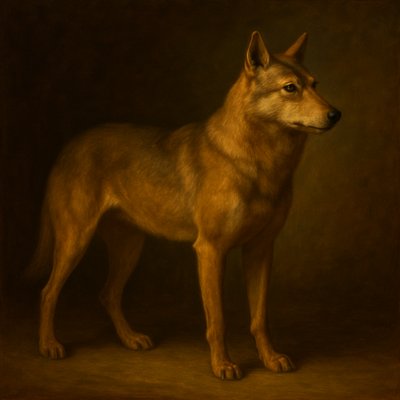
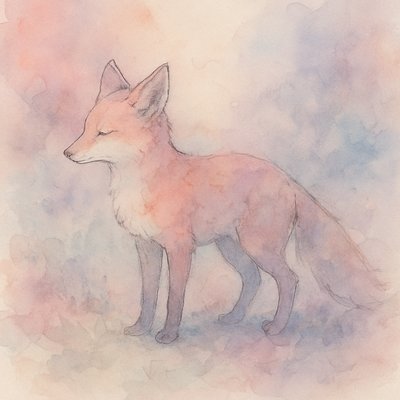
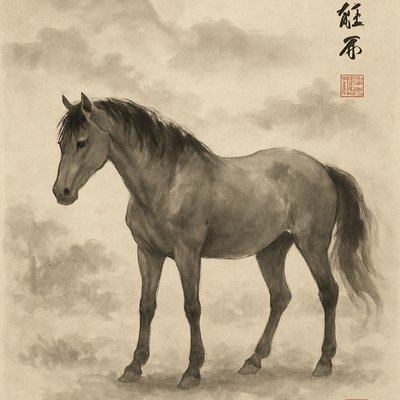
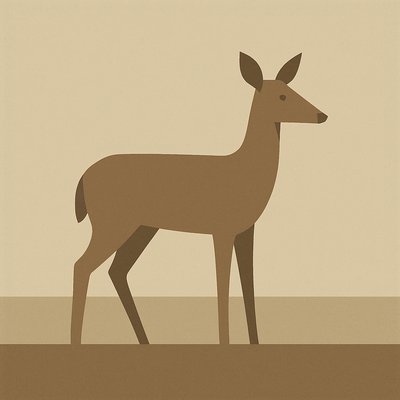
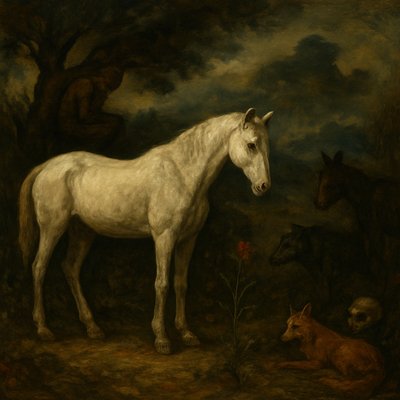
animal standing in natural pose
A stunning and spiritually evocative depiction of the traditional Lakota Hoop Dance (or Intertribal Hoop Dance). The central figure is a single, male Hoop Dancer, captured mid-motion, demonstrating incredible agility and grace. He is adorned in vibrant, traditional regalia with intricate beadwork, feathers, and fringes, and is surrounded by a mesmerizing array of hoops, dynamically formed into various shapes and symbols, representing animals, stories, or the sacred circle of life. His face reflects intense focus, reverence, and the deep storytelling inherent in the dance. In the background, partially obscured by a light morning mist or soft haze, the monumental carving of the Crazy Horse Memorial is visible, lending a profound sense of historical continuity, honor, and enduring spirit to the scene. The setting is an open, natural area, perhaps a grassy plain or red rock outcropping, under a clear, early morning sky with the sun just beginning to illuminate the landscape, casting a soft, golden light. The atmosphere is one of dynamic energy, profound cultural pride, and deep spiritual connection to both tradition and the ancestral land. The artistic style is a vivid, realistic painting with a strong sense of movement, capturing the intricate details of the hoops and regalia, against the majestic, stoic presence of the memorial."

Key Considerations Reflected in This Prompt:

    Corrected Dance Name: Clearly states "Lakota Hoop Dance (or Intertribal Hoop Dance)."

    Central Figure: Focuses on a "single, male Hoop Dancer" to highlight the individual skill and artistry.

    Hoops & Symbolism: Emphasizes the "mesmerizing array of hoops, dynamically formed into various shapes and symbols" and their meaning.

    Crazy Horse Memorial Background: Explicitly places the "monumental carving of the Crazy Horse Memorial" in the background, noting its symbolic significance ("historical continuity, honor, and enduring spirit").

    Setting & Lighting: Suggests "early morning mist or soft haze" for the background to give the memorial an ethereal quality, and "soft, golden light" for the dancer.

    Mood: Conveys "dynamic energy, profound cultural pride, and deep spiritual connection."

    Artistic Style: "Vivid, realistic painting with a strong sense of movement.
A giant grouper fish, over a coral reef in the ocean, professional photography, extreme detail (
Psalms 124:1-6 KJVA  A Song of degrees of David. If it had not been the LORD who was on our side, now may Israel say;  (2)  If it had not been the LORD who was on our side, when men rose up against us:  (3)  Then they had swallowed us up quick, when their wrath was kindled against us:  (4)  Then the waters had overwhelmed us, the stream had gone over our soul:  (5)  Then the proud waters had gone over our soul.  (6)  Blessed be the LORD, who hath not given us as a prey to their teeth.
    A breathtaking, full-size artistic sculpture of a standing buffalo, rendered entirely in the style of intricate, luminous glass art, reminiscent of the painted buffalo installations found in West Yellowstone art shows. The buffalo's form is composed of countless individual pieces of vibrant, multifaceted stained glass or fused glass, meticulously cut, arranged, and joined, creating a cohesive and majestic shape.

    Instead of traditional paint, the entire surface of this glass buffalo is adorned with various miniature, finely detailed scenes and patterns etched, painted, or embedded within the glass itself, or created by the unique coloration and texture of the glass pieces. These scenes could depict:

        Western landscapes: Yellowstone's geysers, mountain ranges, pine forests, rivers.

        Wildlife: Elk, bears, wolves, eagles (in glass).

        Native American art motifs: Geometric patterns, symbols, and figures (also rendered in glass).

        Historical moments: Subtle nods to early explorers or iconic figures (stylized in glass).

    The buffalo's interior is subtly illuminated, causing the entire sculpture to glow from within. Light catches every facet of the glass, creating a dazzling play of refracted colors and intricate shadows on the ground around it. The background is a clean, modern art gallery setting with soft, focused lighting, allowing the buffalo to be the sole, radiant centerpiece. The atmosphere is one of awe, wonder, and appreciation for artistic craftsmanship and the spirit of the American West, reimagined through a unique, luminous medium. The artistic style is hyper-realistic, emphasizing the detailed texture, transparency, and brilliant light play inherent in glass art."
    A breathtaking, full-size artistic standing buffalo, rendered entirely in the style of intricate, luminous glass art, reminiscent of the painted buffalo installations. The buffalo's majestic form is composed of countless individual pieces of vibrant, multifaceted stained glass or fused glass, meticulously cut, arranged, and joined.

    The entire surface of this glass buffalo is adorned with various miniature, finely detailed scenes and patterns etched, painted, or embedded within the glass itself, or created by the unique coloration and texture of the glass pieces. These scenes depict:

        Iconic Yellowstone landscapes: Old Faithful erupting in miniature, the Grand Canyon of the Yellowstone, geothermal pools.

        Local wildlife: Elk, bears, wolves, eagles (all rendered in the glass medium).

        Native American art motifs: Geometric patterns, symbols, and figures (also within the glass).

    The buffalo's interior is subtly illuminated, causing the entire sculpture to glow from within, acting as a beacon of art and nature. Light catches every facet of the glass, creating a dazzling play of refracted colors that project intricate patterns onto the surrounding natural environment.
    The setting is the glory of Yellowstone National Park, specifically an expansive, iconic vista. Perhaps in a verdant meadow with distant geysers steaming, or near a crystal-clear river. The morning sun, bright and golden, backlights the buffalo, intensifying its inner glow and creating a dramatic contrast with the rugged, natural beauty of the park. The atmosphere is one of awe, harmony between art and nature, and a profound celebration of the spirit of the American West. The artistic style is hyper-realistic, emphasizing the detailed texture, transparency, and brilliant light play inherent in glass art, seamlessly integrated into a vibrant, natural landscape.
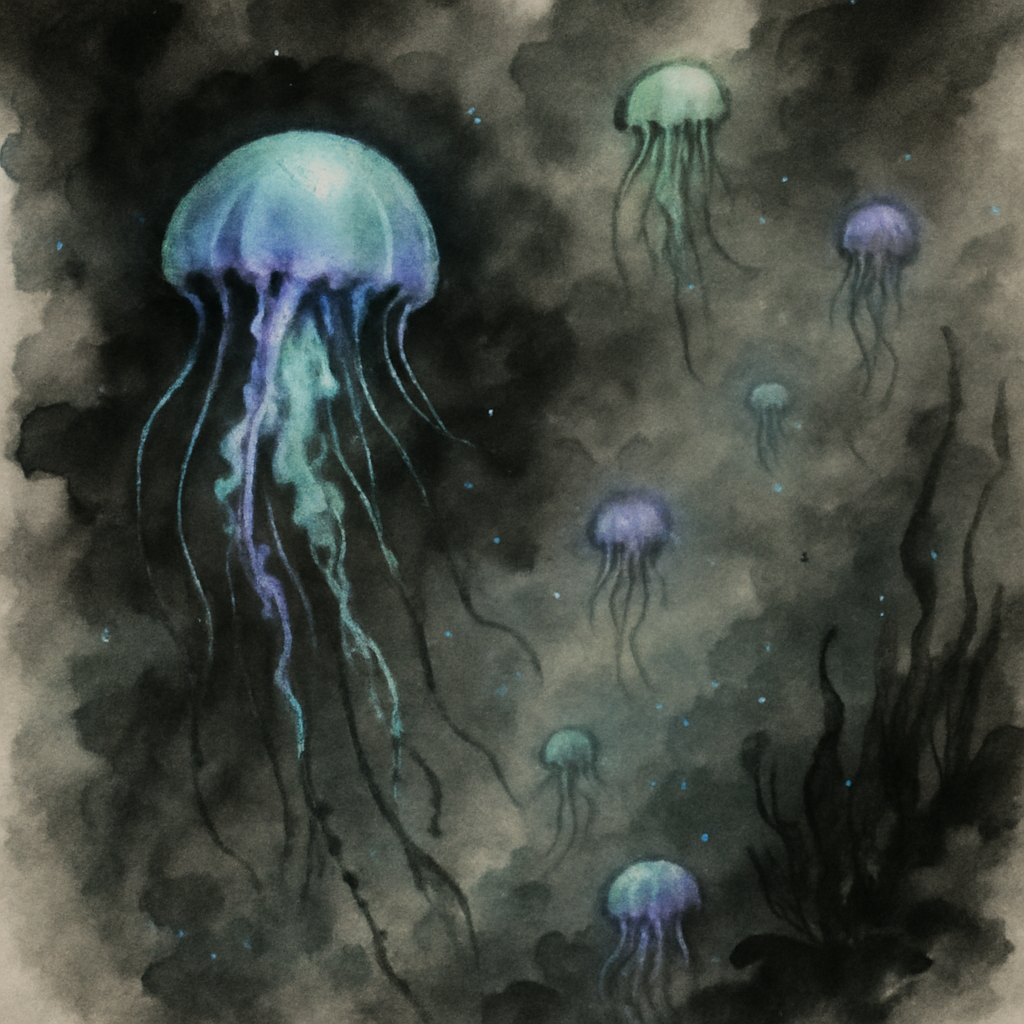
A deep sea jellyfish garden
A historically accurate and atmospheric depiction of the signing of the Mayflower Compact aboard the ship in November 1620. The scene is set in the dimly lit, cramped cabin of the Mayflower, with the ship's timbers and rigging subtly visible, conveying the challenging conditions of the voyage. A simple table or chest serves as the signing surface. The primary focus is on a small group of the last individuals signing the document: specifically, the indentured servants (or 'strangers' not directly part of the Separatist congregation) approaching or at the table. Their expressions show a mix of weary determination, understanding of the necessity, and perhaps a hint of quiet apprehension or resignation to this new social contract, given their status. They are dressed in the plain, practical clothing typical of 17th-century commoners and laborers. Figures of prominent Pilgrims or 'Saints' (like William Bradford or John Carver) are visible in the background, observing the proceedings with a sense of gravity and leadership, but they are not the central focus. The lighting is low and warm, perhaps from a lantern, creating a chiaroscuro effect that highlights the faces of the signers. The atmosphere conveys the momentousness of the act under difficult circumstances, the diverse composition of the group, and the early seeds of self-governance in a new world. The artistic style is a realistic, historically detailed oil painting, capturing the solemnity and human element of this pivotal historical moment."
animal standing in natural pose
Tokyo
animal standing in natural pose
Digital Art Style, Romanticism Art Style, a profoundly joyful and beautifully vibrant painting inspired by Psalm 16:11, "You make known to me the path of life; you will fill me with joy in your presence, with eternal pleasures at your right hand." The scene features a pair of exquisitely detailed Peach-faced Lovebirds, with their iconic bright peach faces, vivid green bodies, and touches of blue on their rumps. They are perched affectionately close together on a blossoming branch, their expressions conveying deep contentment and joy. Behind them, a softly glowing, ethereal 'path' of light winds gently through a lush, vibrant, and abundant natural landscape, illuminated by a warm, radiant, divine light that bathes the entire scene. The environment is rich with blooming flowers and verdant foliage, suggesting a place of eternal pleasure and divine presence. Focus intently on the vibrant, luminous colors of the Lovebirds, their tender, joyful interaction, and the glowing, symbolic 'path of life' that permeates the harmonious and blissful atmosphere
Paris
animal standing in natural pose
Unstressed vowels weakened to schwa.
The final -e in words like name became silent.
Endings like -ed and -es lost their full vowel sound, making English more rhythmically stress-timed.
6. The wh sound stayed distinct longer.
Which and witch sounded different—which started with a breathy hw. Today the pronunciation is similar but the difference remains in some dialects. create a picture withoud words
animal standing in natural pose
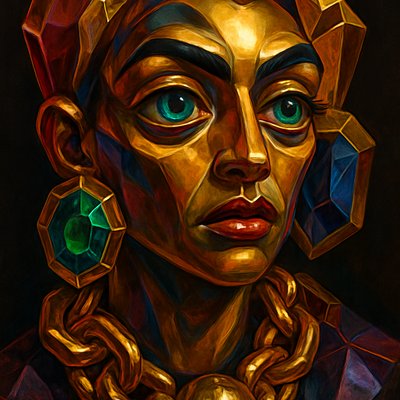
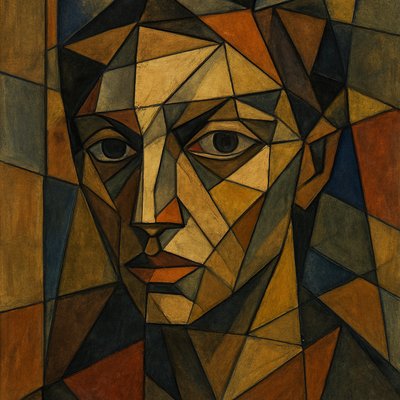
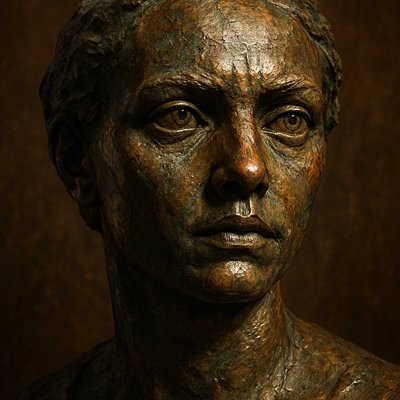
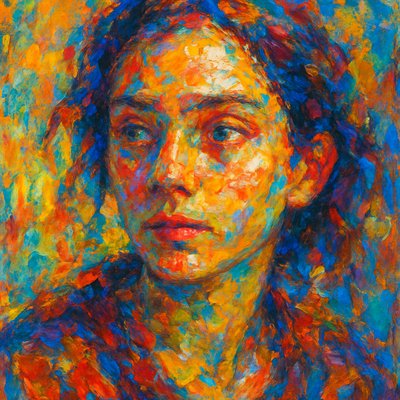
portrait of a person with expressive eyes
animal standing in natural pose
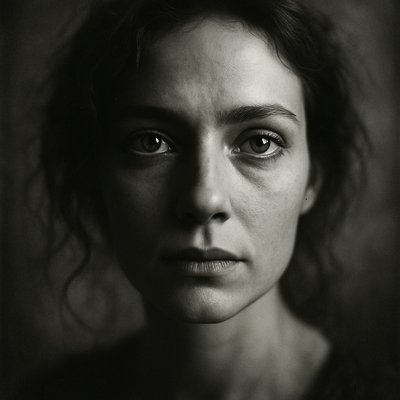
portrait of a person with expressive eyes
animal standing in natural pose
a tree in nature
portrait of a person with expressive eyes
animal standing in natural pose
portrait of a person with expressive eyes
animal standing in natural pose
A classical sculpture
animal standing in natural pose
portrait of a person with expressive eyes
animal standing in natural pose