An Outdoor Scene In At The Beach. A White Mom And African American Dad Walk Away From The Camera With Their Two Kids, All Art

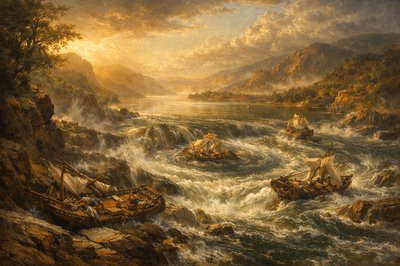
Now, those captains must learn what the river will do
when it makes that great turn out of sight.
How it dashes them up on the rocks of the shore
How it spins to the left and the right.
It beats them and breaks them and crushes their pride
Leaves them dizzy and sick and all jumbled inside
‘til they’ve all but forgotten that glorious ride
lying flat on their deck in the sun.
There they lie, drying out in the sun.

As you round the point where the river was bent
and survey the great wideness ahead,
you can see all those captains alone on their decks,
beat and broken and very near dead.
Then the current takes hold and there’s naught you can do
as it drags you down into its maw.
Headed straight for those rocks, you make ready to crash
but at last, you rise up, roll and yaw.

Going back and away, then forward again,
fearing each time, the rocks will prevail!
You’re trapped in a cycling, circling tide,
in an eddy withstanding a gale.
But each time you circle that great whirling tide
and you’ve not hit the rocks or been thrown to the side
and you’re kept from the falls, cascading and wide,
for the eddy’s small mercy give praise.
Give the merciful currents your praise!
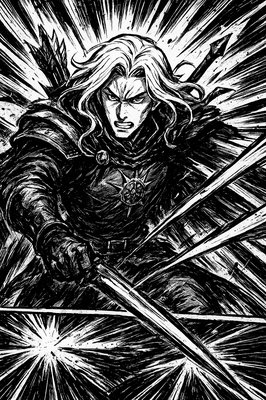
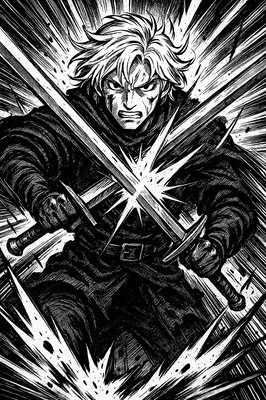
a painting of a man in armor holding two swords
“Lift up your eyes on high, and behold who hath created these things, that bringeth out their host by number: he calleth them all by names by the greatness of his might, for that he is strong in power; not one faileth.” (Isaiah 40:26, KJV)
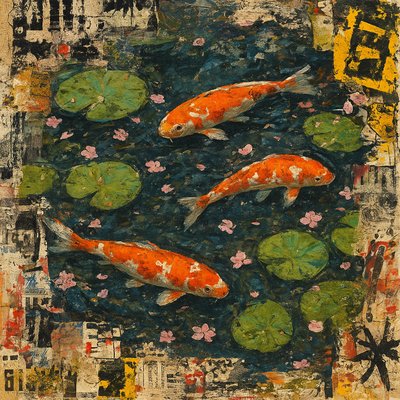
A koi pond seen from above, orange and white koi fish swimming among lily pads, clear water with subtle ripples, fallen cherry blossom petals floating on the surface, dappled sunlight
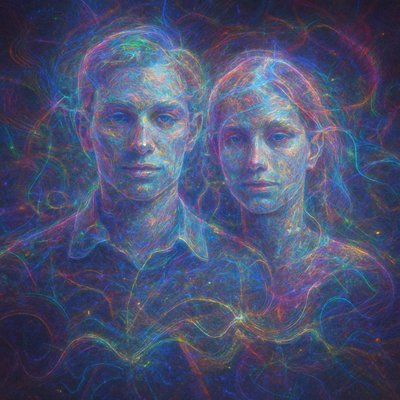
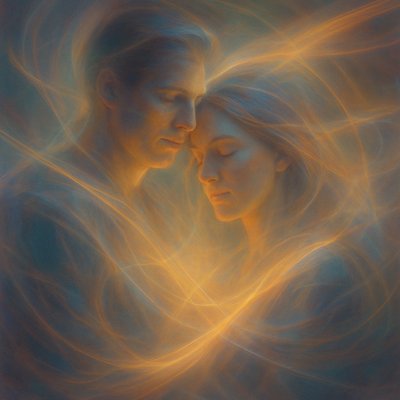
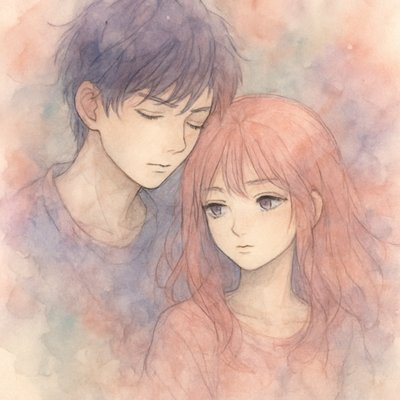
portrait of two people together
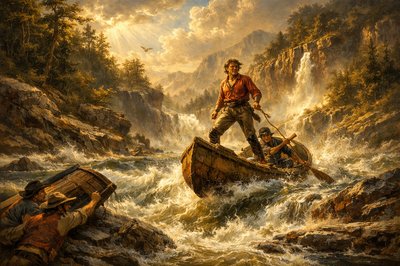
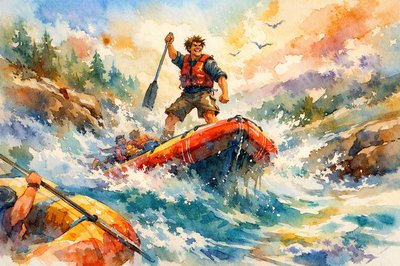
Out where the river runs wild and free
and only the brave dare row;
where the rapids are deep, and the challenge is fresh
and it takes them where it means to go.
With breakneck speed, grinning into the wind,
standing straight on the bow of their craft,
just a glimpse now and then of those captains you’ll catch
flying by, near capsizing your raft.

They’ve no time for advice to those standing on shore
or to aid the ones just wading out,
for their task is to pilot this current, they think,
and it’s all they can do to stay out of the drink,
and their lives could be gone in the space of a wink
should they lose but a moment to doubt.
Standing tall, they never must doubt!
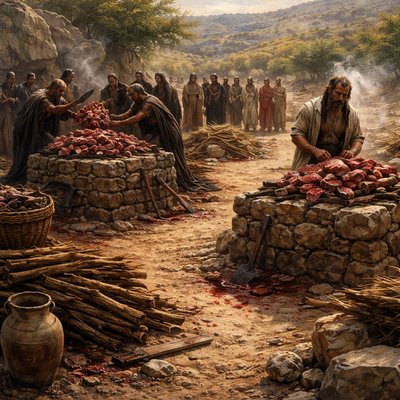
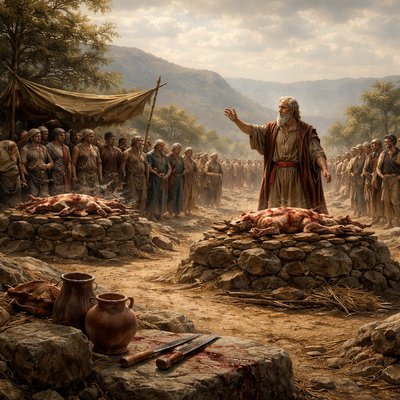
“Let them therefore give us two bullocks; and let them choose one bullock for themselves, and cut it in pieces, and lay it on wood, and put no fire under: and I will dress the other bullock, and lay it on wood, and put no fire under:” (1 Kings 18:23, KJV)
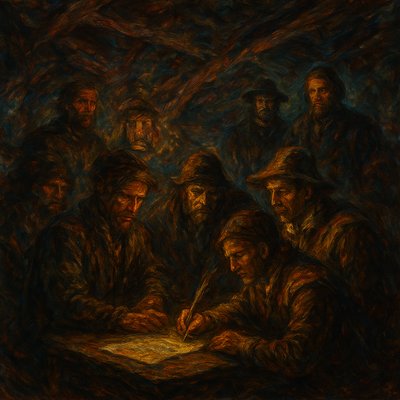
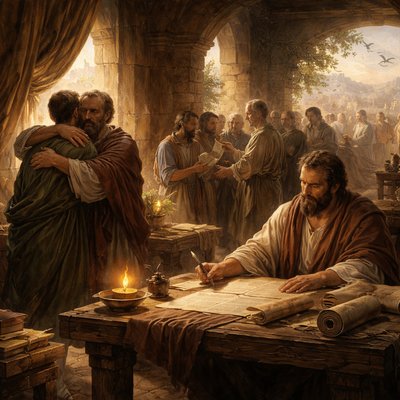
A historically accurate and atmospheric depiction of the signing of the Mayflower Compact aboard the ship in November 1620. The scene is set in the dimly lit, cramped cabin of the Mayflower, with the ship's timbers and rigging subtly visible, conveying the challenging conditions of the voyage. A simple table or chest serves as the signing surface. The primary focus is on a small group of the last individuals signing the document: specifically, the indentured servants (or 'strangers' not directly part of the Separatist congregation) approaching or at the table. Their expressions show a mix of weary determination, understanding of the necessity, and perhaps a hint of quiet apprehension or resignation to this new social contract, given their status. They are dressed in the plain, practical clothing typical of 17th-century commoners and laborers. Figures of prominent Pilgrims or 'Saints' (like William Bradford or John Carver) are visible in the background, observing the proceedings with a sense of gravity and leadership, but they are not the central focus. The lighting is low and warm, perhaps from a lantern, creating a chiaroscuro effect that highlights the faces of the signers. The atmosphere conveys the momentousness of the act under difficult circumstances, the diverse composition of the group, and the early seeds of self-governance in a new world. The artistic style is a realistic, historically detailed oil painting, capturing the solemnity and human element of this pivotal historical moment."
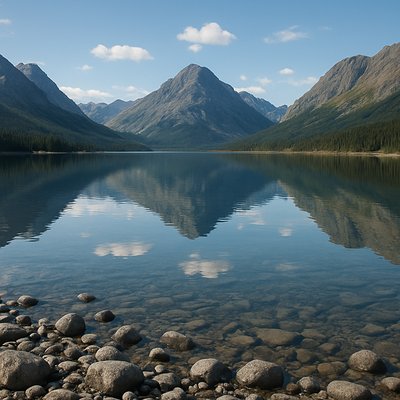
serene landscape with mountains and water
still life arrangement of fruits and flowers
wide landscape with natural scenery
Out where the river runs wild and free
and only the brave dare row;
where the rapids are deep, and the challenge is fresh
and it takes them where it means to go.
With breakneck speed, grinning into the wind,
standing straight on the bow of their craft,
just a glimpse now and then of those captains you’ll catch
flying by, near capsizing your raft.

They’ve no time for advice to those standing on shore
or to aid the ones just wading out,
for their task is to pilot this current, they think,
and it’s all they can do to stay out of the drink,
and their lives could be gone in the space of a wink
should they lose but a moment to doubt.
Standing tall, they never must doubt!
wide landscape with natural scenery
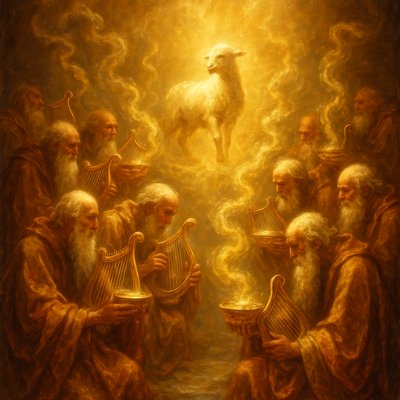
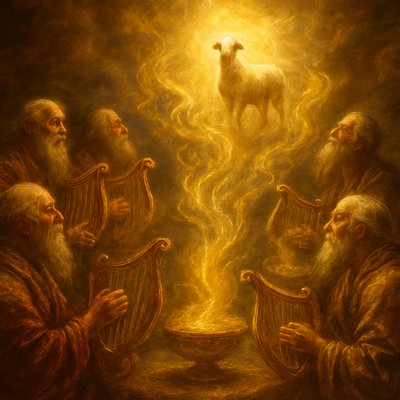
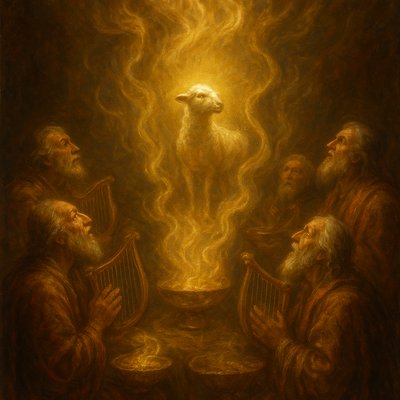
A majestic and reverent scene, directly inspired by Revelation 5:8. A group of elderly, robed figures are kneeling in worship, their faces and attention directed towards a central focal point. Each elder holds a golden harp in one hand and a golden bowl brimming with luminous, swirling incense in the other. The incense, representing the collective prayers of all saints, rises in shimmering, golden tendrils from each bowl, converging and ascending towards the central figure. At the very center of the composition, slightly elevated and bathed in radiant light, stands the Lamb who was slain, embodying divine power and sacrifice, the recipient of all this worship. The atmosphere is ethereal, filled with soft, divine golden light emanating from the incense and the Lamb, emphasizing the precious, sacred, and unified nature of the prayers being offered before Him. Focus on the rich textures of gold, the reverence of the elders, and the radiant presence of the Lamb
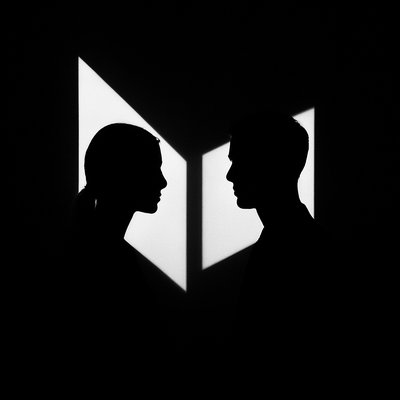
portrait of two people together
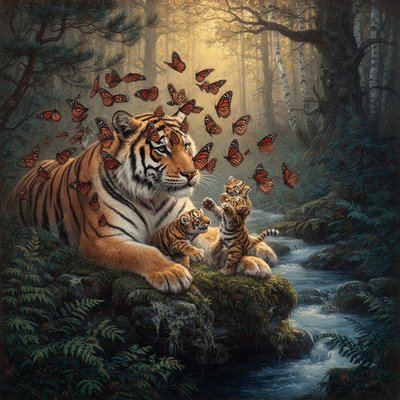
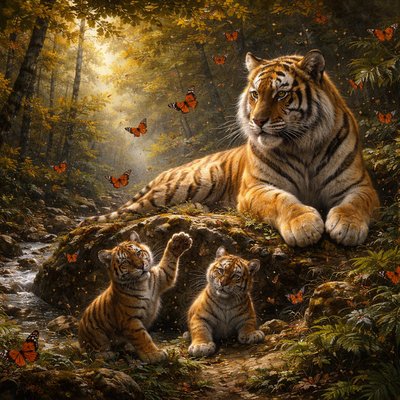
Nature Photography Style, Romantic Naturalism Painting, a breathtaking, incredibly detailed scene deep within the primeval forests of Russia's Amur-Ussuri region. A massive, powerful female Amur Tiger with thick, pale orange and dark striped fur rests on a moss-covered rocky outcrop, watching over her two playful cubs who are batting at the air. The scene is absolutely swarming with hundreds of Red Admiral butterflies (distinct black wings with vibrant orange-red bands and white spots). The butterflies form swirling clouds, landing gently on the tigers' fur, their noses, and the surrounding lush ferns and Korean pine branches. The forest floor is dense with undergrowth, lichen, and a clear, cold stream nearby. The lighting is dappled golden hour sunlight filtering through a canopy of birch and ancient oak trees, creating a magical, serene atmosphere. Focus on the texture of the thick tiger fur and the delicate wings of the butterflies.
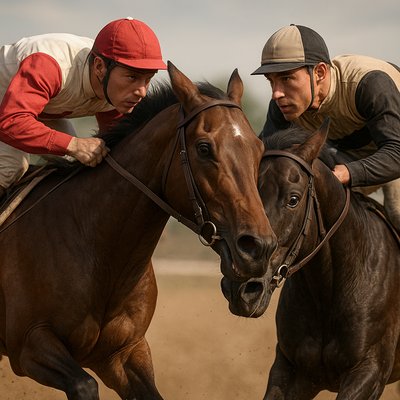
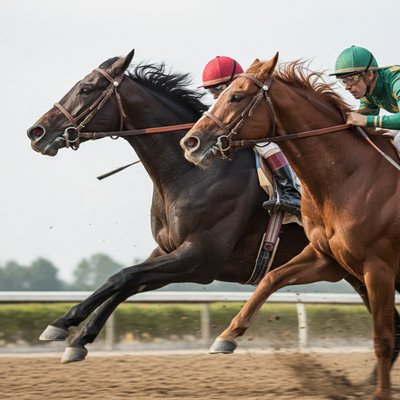
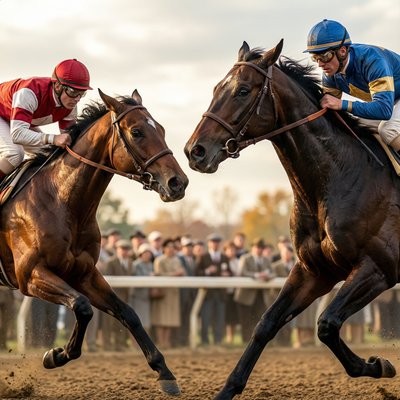
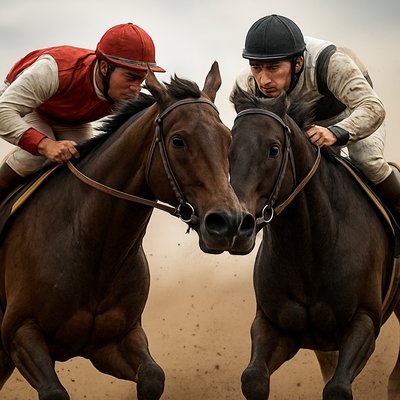
Seabiscuit vs. War Admiral (The Gaze)

    A hyper-realistic, high-resolution photograph capturing the apex of the 1938 match race between Seabiscuit and War Admiral.

    Focus: The composition is tight, showing both horses running neck-and-neck, dominating the frame. The camera angle is side-on and slightly low, emphasizing their size and muscle. The critical focus is on the space between the horses' heads as they are running stride for stride.

    Details: War Admiral (the dark bay) should show determination and slight surprise, with his head stretched out. Seabiscuit (the smaller bay) should display his characteristic "game" look—intense, focused, and seemingly looking directly into War Admiral's eyes (or toward his rival). Both jockeys (Red Pollard or George Woolf for Seabiscuit; Charles Kurtsinger for War Admiral) are visible, leaning low and urging their mounts on.

    Atmosphere: The light should be bright but slightly diffused, suggesting an autumn afternoon at Pimlico. Dust and track debris are kicked up behind them, blurred slightly by the horses' tremendous speed. The image must convey the raw power, intense rivalry, and the exact moment when the smaller horse asserts his dominance.

    Style: Cinematic photography, realistic texture, sharp focus on the horses' eyes and muscle definition.
Seabiscuit vs. War Admiral (The Gaze)

    A hyper-realistic, high-resolution photograph capturing the apex of the 1938 match race between Seabiscuit and War Admiral.

    Focus: The composition is tight, showing both horses running neck-and-neck, dominating the frame. The camera angle is side-on and slightly low, emphasizing their size and muscle. The critical focus is on the space between the horses' heads as they are running stride for stride.

    Details: War Admiral (the dark bay) should show determination and slight surprise, with his head stretched out. Seabiscuit (the smaller bay) should display his characteristic "game" look—intense, focused, and seemingly looking directly into War Admiral's eyes (or toward his rival). Both jockeys (Red Pollard or George Woolf for Seabiscuit; Charles Kurtsinger for War Admiral) are visible, leaning low and urging their mounts on.

    Atmosphere: The light should be bright but slightly diffused, suggesting an autumn afternoon at Pimlico. Dust and track debris are kicked up behind them, blurred slightly by the horses' tremendous speed. The image must convey the raw power, intense rivalry, and the exact moment when the smaller horse asserts his dominance.

    Style: Cinematic photography, realistic texture, sharp focus on the horses' eyes and muscle definition.
Seabiscuit vs. War Admiral (The Gaze)

    A hyper-realistic, high-resolution photograph capturing the apex of the 1938 match race between Seabiscuit and War Admiral.

    Focus: The composition is tight, showing both horses running neck-and-neck, dominating the frame. The camera angle is side-on and slightly low, emphasizing their size and muscle. The critical focus is on the space between the horses' heads as they are running stride for stride.

    Details: War Admiral (the dark bay) should show determination and slight surprise, with his head stretched out. Seabiscuit (the smaller bay) should display his characteristic "game" look—intense, focused, and seemingly looking directly into War Admiral's eyes (or toward his rival). Both jockeys (Red Pollard or George Woolf for Seabiscuit; Charles Kurtsinger for War Admiral) are visible, leaning low and urging their mounts on.

    Atmosphere: The light should be bright but slightly diffused, suggesting an autumn afternoon at Pimlico. Dust and track debris are kicked up behind them, blurred slightly by the horses' tremendous speed. The image must convey the raw power, intense rivalry, and the exact moment when the smaller horse asserts his dominance.

    Style: Cinematic photography, realistic texture, sharp focus on the horses' eyes and muscle definition.
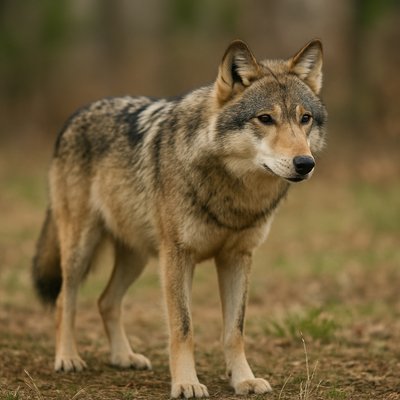
animal standing in natural pose
A majestic and reverent scene, directly inspired by Revelation 5:8. A group of elderly, robed figures are kneeling in worship, their faces and attention directed towards a central focal point. Each elder holds a golden harp in one hand and a golden bowl brimming with luminous, swirling incense in the other. The incense, representing the collective prayers of all saints, rises in shimmering, golden tendrils from each bowl, converging and ascending towards the central figure. At the very center of the composition, slightly elevated and bathed in radiant light, stands the Lamb who was slain, embodying divine power and sacrifice, the recipient of all this worship. The atmosphere is ethereal, filled with soft, divine golden light emanating from the incense and the Lamb, emphasizing the precious, sacred, and unified nature of the prayers being offered before Him. Focus on the rich textures of gold, the reverence of the elders, and the radiant presence of the Lamb
portrait of two people together

Colossians 2:2-5 (KJV)
2 That their hearts might be comforted, being knit together in love, and unto all riches of the full assurance of understanding, to the acknowledgement of the mystery of God, and of the Father, and of Christ;
3 In whom are hid all the treasures of wisdom and knowledge.
4 And this I say, lest any man should beguile you with enticing words.
5 For though I be absent in the flesh, yet am I with you in the spirit, joying and beholding your order, and the stedfastness of your faith in Christ.
Seabiscuit vs. War Admiral (The Gaze)

    A hyper-realistic, high-resolution photograph capturing the apex of the 1938 match race between Seabiscuit and War Admiral.

    Focus: The composition is tight, showing both horses running neck-and-neck, dominating the frame. The camera angle is side-on and slightly low, emphasizing their size and muscle. The critical focus is on the space between the horses' heads as they are running stride for stride.

    Details: War Admiral (the dark bay) should show determination and slight surprise, with his head stretched out. Seabiscuit (the smaller bay) should display his characteristic "game" look—intense, focused, and seemingly looking directly into War Admiral's eyes (or toward his rival). Both jockeys (Red Pollard or George Woolf for Seabiscuit; Charles Kurtsinger for War Admiral) are visible, leaning low and urging their mounts on.

    Atmosphere: The light should be bright but slightly diffused, suggesting an autumn afternoon at Pimlico. Dust and track debris are kicked up behind them, blurred slightly by the horses' tremendous speed. The image must convey the raw power, intense rivalry, and the exact moment when the smaller horse asserts his dominance.

    Style: Cinematic photography, realistic texture, sharp focus on the horses' eyes and muscle definition.
wide landscape with natural scenery
A koi pond seen from above, orange and white koi fish swimming among lily pads, clear water with subtle ripples, fallen cherry blossom petals floating on the surface, dappled sunlight
new Heaven and new Earth
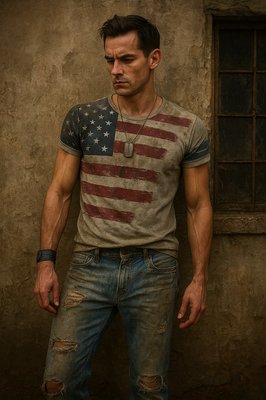
a man standing in front of a wall with an american flag on it
“That their hearts might be comforted, being knit together in love, and unto all riches of the full assurance of understanding, to the acknowledgement of the mystery of God, and of the Father, and of Christ; In whom are hid all the treasures of wisdom and knowledge.” (Colossians 2:2-3, KJV)
Battle scene
urban street with city activity
a drawing of a woman holding two swords
urban street with city activity
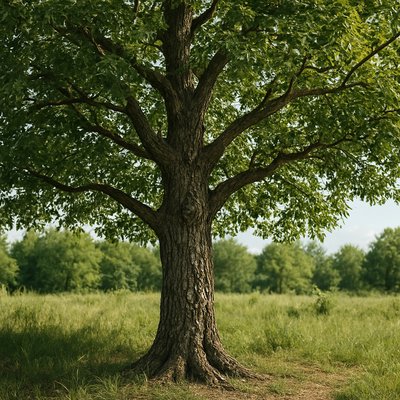
a tree in nature
A majestic and reverent scene, directly inspired by Revelation 5:8. A group of elderly, robed figures are kneeling in worship, their faces and attention directed towards a central focal point. Each elder holds a golden harp in one hand and a golden bowl brimming with luminous, swirling incense in the other. The incense, representing the collective prayers of all saints, rises in shimmering, golden tendrils from each bowl, converging and ascending towards the central figure. At the very center of the composition, slightly elevated and bathed in radiant light, stands the Lamb who was slain, embodying divine power and sacrifice, the recipient of all this worship. The atmosphere is ethereal, filled with soft, divine golden light emanating from the incense and the Lamb, emphasizing the precious, sacred, and unified nature of the prayers being offered before Him. Focus on the rich textures of gold, the reverence of the elders, and the radiant presence of the Lamb
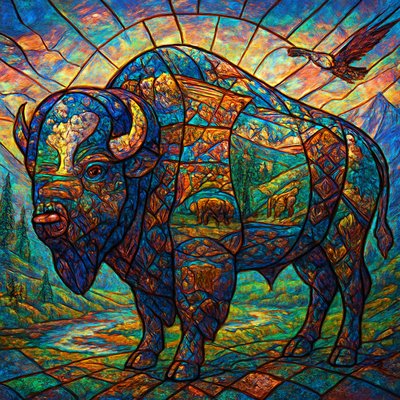
    A breathtaking and vibrant artwork rendered entirely in the style of a grand, traditional stained glass masterwork, without any visible window frame or architectural borders. The central, dominant subject is a majestic, life-sized buffalo, meticulously composed from countless individual pieces of richly colored, textured, and patterned stained glass, seamlessly joined by intricate lead lines.

    The entire surface of this stained glass buffalo is adorned with miniature, finely detailed scenes and patterns created directly from the cut and arranged glass pieces themselves. These integrated scenes within the buffalo's form vividly depict:

        Iconic Yellowstone landscapes: Old Faithful erupting, the Grand Canyon of the Yellowstone, and geothermal pools, all rendered through brilliant, luminous glass.

        Local wildlife: Elk, bears, wolves, and eagles, seamlessly depicted with incredible detail through various glass textures and colors.

        Native American art motifs: Geometric patterns and symbols, intricately incorporated as part of the glass design.

    The areas surrounding the buffalo within this expansive stained glass artwork extend the Yellowstone theme, depicting a vast, stylized landscape of soaring mountains, dense pine forests, a winding river, and a vibrant sky, all rendered in the same luminous stained glass technique.

    The entire artwork is bathed in brilliant, natural light streaming through it, causing every piece of glass to glow with dazzling, jewel-toned colors. Light refracts and casts intricate, colored patterns outwards, creating an immersive, ethereal atmosphere as if the artwork itself is a portal. The artistic style emphasizes the exquisite craftsmanship, the seamless transitions of colored light, and the profound beauty of both the buffalo and the Yellowstone wilderness it represents, presented as a singular, unbounded work of luminous art.
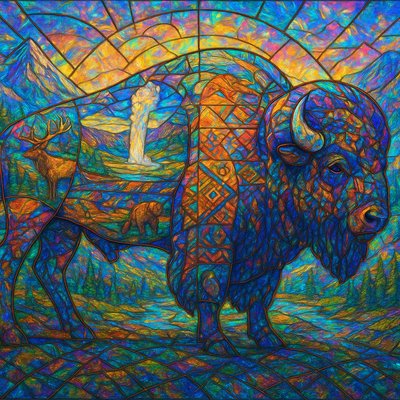
    A breathtaking and vibrant artwork rendered entirely in the style of a grand, traditional stained glass masterwork, without any visible window frame or architectural borders. The central, dominant subject is a majestic, life-sized buffalo, meticulously composed from countless individual pieces of richly colored, textured, and patterned stained glass, seamlessly joined by intricate lead lines.

    The entire surface of this stained glass buffalo is adorned with miniature, finely detailed scenes and patterns created directly from the cut and arranged glass pieces themselves. These integrated scenes within the buffalo's form vividly depict:

        Iconic Yellowstone landscapes: Old Faithful erupting, the Grand Canyon of the Yellowstone, and geothermal pools, all rendered through brilliant, luminous glass.

        Local wildlife: Elk, bears, wolves, and eagles, seamlessly depicted with incredible detail through various glass textures and colors.

        Native American art motifs: Geometric patterns and symbols, intricately incorporated as part of the glass design.

    The areas surrounding the buffalo within this expansive stained glass artwork extend the Yellowstone theme, depicting a vast, stylized landscape of soaring mountains, dense pine forests, a winding river, and a vibrant sky, all rendered in the same luminous stained glass technique.

    The entire artwork is bathed in brilliant, natural light streaming through it, causing every piece of glass to glow with dazzling, jewel-toned colors. Light refracts and casts intricate, colored patterns outwards, creating an immersive, ethereal atmosphere as if the artwork itself is a portal. The artistic style emphasizes the exquisite craftsmanship, the seamless transitions of colored light, and the profound beauty of both the buffalo and the Yellowstone wilderness it represents, presented as a singular, unbounded work of luminous art.
portrait of two people together
“Let them therefore give us two bullocks; and let them choose one bullock for themselves, and cut it in pieces, and lay it on wood, and put no fire under: and I will dress the other bullock, and lay it on wood, and put no fire under: And call ye on the name of your gods, and I will call on the name of the LORD: and the God that answereth by fire, let him be God. And all the people answered and said, It is well spoken.” (1 Kings 18:23-24, KJV)
a painting of a man holding two swords