A Tree Through The Seasons Art

anthropomorphic coyote in a tailored Victorian suit, wearing a brass-trimmed top hat and monocle, steampunk style, intricate mechanical accessories, standing in a forest with copper pipes and gear-laced trees, full body portrait, Vibrant Colors, heavy oil paint impasto, in the style of Peter Max with Mary Blair aspects.
Create an image of the short-lived U.S. Army post known as Fort Lowell, New Mexico, circa 1868. The buildings are made of rough-hewn, rustic logs and timber, surrounded by a high mountain valley and coniferous trees, reflecting the high altitude of the New Mexico territory. Show a small number of New Mexico volunteers in period uniforms and their horses within a simple log palisade or fence line. The scene should be overcast and rugged, capturing the isolation of a frontier outpost
An awe-inspiring and whimsical scene featuring Willy Wonka's Great Glass Wonkavator, soaring through the sky and beyond the confines of the chocolate factory. The Wonkavator itself is a magnificent, multi-directional glass elevator, transparent and sparkling, with Willy Wonka (wearing his iconic top hat, purple coat, and bowtie) and 2 young Victorian well dressed ladies looking out with expressions of joy, wonder and excitement. The interior is filled with intricate buttons and levers for controlling its magical flight. The Wonkavator is depicted in mid-flight, perhaps bursting through the factory roof or ascending above the clouds. Below it, the fantastical landscape of the Chocolate Factory is visible – chocolate rivers, edible gardens, candy cane trees, and various whimsical buildings. Beyond the factory, a stunning, imaginative sky unfolds, perhaps with floating candy clouds, distant fantastical landmarks, or even glimpses of outer space and planets. The lighting is bright and magical, emphasizing the glass's transparency and the vibrant colors of the world below and beyond. The overall mood is one of boundless adventure, limitless possibilities, and pure, joyful fantasy."
An awe-inspiring and whimsical scene featuring Willy Wonka's Great Glass Wonkavator, soaring through the sky and beyond the confines of the chocolate factory. The Wonkavator itself is a magnificent, multi-directional glass elevator, transparent and sparkling, with a middle aged Willy Wonka (wearing his iconic top hat, purple coat, and bowtie) and 2 young Victorian well dressed ladies looking out with expressions of joy, wonder and excitement. The interior is filled with intricate buttons and levers for controlling its magical flight. The Wonkavator is depicted in mid-flight, perhaps bursting through the factory roof or ascending above the clouds. Below it, the fantastical landscape of the Chocolate Factory is visible – chocolate rivers, edible gardens, candy cane trees, and various whimsical buildings. Beyond the factory, a stunning, imaginative sky unfolds, perhaps with floating candy clouds, distant fantastical landmarks, or even glimpses of outer space and planets. The lighting is bright and magical, emphasizing the glass's transparency and the vibrant colors of the world below and beyond. The overall mood is one of boundless adventure, limitless possibilities, and pure, joyful fantasy."
An awe-inspiring and whimsical scene featuring Willy Wonka's Great Glass Wonkavator, soaring through the sky and beyond the confines of the chocolate factory. The Wonkavator itself is a magnificent, multi-directional glass elevator, transparent and sparkling, with a middle aged Willy Wonka (wearing his iconic top hat, purple coat, and bowtie) and a young Victorian well dressed lady looking out with expressions of wonder and excitement. The interior is filled with intricate buttons and levers for controlling its magical flight. The Wonkavator is depicted in mid-flight, perhaps bursting through the factory roof or ascending above the clouds. Below it, the fantastical landscape of the Chocolate Factory is visible – chocolate rivers, edible gardens, candy cane trees, and various whimsical buildings. Beyond the factory, a stunning, imaginative sky unfolds, perhaps with floating candy clouds, distant fantastical landmarks, or even glimpses of outer space and planets. The lighting is bright and magical, emphasizing the glass's transparency and the vibrant colors of the world below and beyond. The overall mood is one of boundless adventure, limitless possibilities, and pure, joyful fantasy."
An awe-inspiring and whimsical scene featuring Willy Wonka's Great Glass Wonkavator, soaring through the sky and beyond the confines of the chocolate factory. The Wonkavator itself is a magnificent, multi-directional glass elevator, transparent and sparkling, with Willy Wonka (wearing his iconic top hat, purple coat, and bowtie) and Charlie Bucket (and perhaps Grandpa Joe) inside, looking out with expressions of wonder and excitement. The interior is filled with intricate buttons and levers for controlling its magical flight.

The Wonkavator is depicted in mid-flight, perhaps bursting through the factory roof or ascending above the clouds. Below it, the fantastical landscape of the Chocolate Factory is visible – chocolate rivers, edible gardens, candy cane trees, and various whimsical buildings. Beyond the factory, a stunning, imaginative sky unfolds, perhaps with floating candy clouds, distant fantastical landmarks, or even glimpses of outer space and planets. The lighting is bright and magical, emphasizing the glass's transparency and the vibrant colors of the world below and beyond. The overall mood is one of boundless adventure, limitless possibilities, and pure, joyful fantasy."
An awe-inspiring and whimsical scene featuring Willy Wonka's Great Glass Wonkavator, soaring through the sky and beyond the confines of the chocolate factory. The Wonkavator itself is a magnificent, multi-directional glass elevator, transparent and sparkling, with Willy Wonka (wearing his iconic top hat, purple coat, and bowtie) and Charlie Bucket and Grandpa Joe inside, looking out with expressions of wonder and excitement. The interior is filled with intricate buttons and levers for controlling its magical flight.

The Wonkavator is depicted in mid-flight, perhaps bursting through the factory roof or ascending above the clouds. Below it, the fantastical landscape of the Chocolate Factory is visible – chocolate rivers, edible gardens, candy cane trees, and various whimsical buildings. Beyond the factory, a stunning, imaginative sky unfolds, perhaps with floating candy clouds, distant fantastical landmarks, or even glimpses of outer space and planets. The lighting is bright and magical, emphasizing the glass's transparency and the vibrant colors of the world below and beyond. The overall mood is one of boundless adventure, limitless possibilities, and pure, joyful fantasy."
An awe-inspiring and whimsical scene featuring Willy Wonka's Great Glass Wonkavator, soaring through the sky and beyond the confines of the chocolate factory. The Wonkavator itself is a magnificent, multi-directional glass elevator, transparent and sparkling, with Willy Wonka (wearing his iconic top hat, purple coat, and bowtie) and Charlie Bucket (and perhaps Grandpa Joe) inside, looking out with expressions of wonder and excitement. The interior is filled with intricate buttons and levers for controlling its magical flight.

The Wonkavator is depicted in mid-flight, perhaps bursting through the factory roof or ascending above the clouds. Below it, the fantastical landscape of the Chocolate Factory is visible – chocolate rivers, edible gardens, candy cane trees, and various whimsical buildings. Beyond the factory, a stunning, imaginative sky unfolds, perhaps with floating candy clouds, distant fantastical landmarks, or even glimpses of outer space and planets. The lighting is bright and magical, emphasizing the glass's transparency and the vibrant colors of the world below and beyond. The overall mood is one of boundless adventure, limitless possibilities, and pure, joyful fantasy."
A young boy, no older than 12, is intensely focused on climbing a steep, rocky hillside in the San Juan National Forest, specifically along the Piedra River. He is scrambling upwards on his hands and knees towards a cougar watching him approach from behind a bush. He is carrying a fishing rod held securely in one hand. The hill is covered in dry dirt and scattered small rocks with ponderosa pines and aspen trees in the landscape.  Far below, at the bottom of the hillside, a clear, meandering mountain stream (the Piedra River) sparkles under twilight. The atmosphere is quiet, tense, capturing the stark beauty of the remote Colorado wilderness.
A young boy, no older than 12, is intensely focused on climbing a steep, rocky hillside in the San Juan National Forest, specifically along the Piedra River. He is scrambling upwards on his hands and knees towards a cougar watching him approach from behind a bush above the boy. He is carrying a fishing rod held securely in one hand. The hill is covered in dry dirt and scattered small rocks with ponderosa pines and aspen trees in the landscape.  Far below, at the bottom of the hillside, a clear, meandering mountain stream (the Piedra River) sparkles under twilight. The atmosphere is quiet, tense, capturing the stark beauty of the remote Colorado wilderness.
A young boy, no older than 12, is intensely focused on climbing a steep, rocky hillside in the San Juan National Forest, specifically along the Piedra River. He is scrambling upwards on his hands and knees. He is carrying a fishing rod held securely in one hand. The hill is covered in dry dirt and scattered small rocks with ponderosa pines and aspen trees in the landscape. Just ahead and slightly above him is a dense scrub oak). Behind this bush, the head of a cougar is visible, watching the boy. Far below, at the bottom of the hillside, a clear, meandering mountain stream (the Piedra River) sparkles under twilight. The atmosphere is quiet, tense, capturing the stark beauty of the remote Colorado wilderness.
A young boy, no older than 12, is intensely focused on climbing a steep, rocky hillside in the San Juan National Forest, specifically along the Piedra River. He is scrambling upwards on his hands and knees. He is carrying a fishing rod held securely in one hand. The hill is covered in dry dirt and scattered small rocks with ponderosa pines and aspen trees in the landscape. Just ahead and slightly above him is a dense scrub oak). Behind this bush, the head of a cougar is visible, watching the boy climbing towards him unaware. Far below, at the bottom of the hillside, a clear, meandering mountain stream (the Piedra River) sparkles under twilight. The atmosphere is quiet, tense, capturing the stark beauty of the remote Colorado wilderness.
Oil Painting Art Style, a magnificent, normal-sized Red Admiral butterfly with its wings spread wide, revealing intricate patterns of bold black, vivid orange-red, and crisp white, delicately perched on the stem or curving surface of a large, plump orange pumpkin. This scene is set within a sprawling, sun-drenched autumn pumpkin patch, where numerous pumpkins of various sizes are nestled amongst lush green and fading yellow vines. Surrounding the pumpkins are vibrant fall flowers arranged like a charming garden, in hues of deep red, golden yellow, and rustic orange. In the background, hints of golden aspen-like leaves glow from distant trees, adding to the rich autumn palette. The entire composition is bathed in clear, crisp, golden autumn sunlight, casting subtle shadows and highlighting the rich textures. Focus on the detailed brushwork on the butterfly's tiny wings, the tangible texture of the pumpkin's skin, and the vibrant, layered colors of the fall foliage, flowers, and pumpkins, creating a detailed and serene artistic composition.
Create an image of the short-lived U.S. Army post known as Fort Lowell, New Mexico, circa 1868. The buildings are made of rough-hewn, rustic logs and timber, surrounded by a high mountain valley and coniferous trees, reflecting the high altitude of the New Mexico territory. Show a small number of New Mexico volunteers in period uniforms and their horses within a simple log palisade or fence line. The scene should be overcast and rugged, capturing the isolation of a frontier outpost
An awe-inspiring and whimsical scene featuring Willy Wonka's Great Glass Wonkavator, soaring through the sky and beyond the confines of the chocolate factory. The Wonkavator itself is a magnificent, multi-directional glass elevator, transparent and sparkling, with a middle aged Willy Wonka (wearing his iconic top hat, purple coat, and bowtie) and a young Victorian well dressed lady looking out with expressions of joy, wonder and excitement. The interior is filled with intricate buttons and levers for controlling its magical flight. The Wonkavator is depicted in mid-flight, perhaps bursting through the factory roof or ascending above the clouds. Below it, the fantastical landscape of the Chocolate Factory is visible – chocolate rivers, edible gardens, candy cane trees, and various whimsical buildings. Beyond the factory, a stunning, imaginative sky unfolds, perhaps with floating candy clouds, distant fantastical landmarks, or even glimpses of outer space and planets. The lighting is bright and magical, emphasizing the glass's transparency and the vibrant colors of the world below and beyond. The overall mood is one of boundless adventure, limitless possibilities, and pure, joyful fantasy."
A thrilling and vibrant scene from the board game Candy Land, capturing the excitement of sliding down its biggest, most iconic slide. The slide itself is massive, curving, and made entirely of a glistening, colorful candy material, like a giant, rainbow-striped candy cane or smooth, translucent hard candy. A cheerful, diverse group of children (or classic Candy Land characters like Princess Lolly or Mr. Mint) are depicted in mid-descent, laughing and filled with joy, their hands in the air.

Below and around the slide, the fantastical landscape of Candy Land stretches out: rolling hills of frosting, lollipop trees, rivers of chocolate, gingerbread houses, and giant gumdrops. The colors are incredibly vivid and saturated, creating a truly fantastical and edible world. The perspective is dynamic, looking down the slide with the characters, enhancing the sense of speed and fun. The lighting is bright and cheerful, emphasizing the candy's sparkle and the overall joyful atmosphere.
Alice, wearing her blue dress, looking distressed, with her neck stretched impossibly high, vanishing into the foliage above. Her head emerges far above the trees of the Wonderland forest. A flock of angry Pigeons fly around her immense face, one landing on her ear and pecking at it, mistakenly believing her to be a serpent trying to steal their eggs. Below, the tiny, disoriented body of Alice stands near the base of the massive neck. Whimsical, detailed oil painting, saturated colors, storybook illustration by John Tenniel crossed with Salvador Dali, high contrast lighting.
A fantastically cheerful and dynamic scene featuring the happy pumpkin-head figure (with the swirled, smiling carved face and internal glow) as the pilot of a classic, brightly colored biplane. The biplane itself is whimsically designed, perhaps with candy-themed accents or painted in vibrant, cheerful colors like orange, purple, and green.

The biplane is soaring through a clear, azure autumn sky, actively 'crop-dusting' a massive, exuberant stream of colorful Halloween candy from its underside. The candy (an abundant mix of wrapped chocolates, lollipops, candy corn, and various sweets) cascades downwards in a wide, joyous plume, spreading across the landscape below.

The landscape beneath the biplane is an idyllic, festive autumnal scene: rolling hills covered in vibrant fall foliage (golden, red, orange trees), a charming pumpkin patch, or a quaint, candy-colored village. The perspective is dynamic, capturing the plane in motion with the candy streaming behind it. The lighting is bright and sunny, emphasizing the vivid colors of the plane, the candy, and the autumn scenery. The overall mood is one of pure, unadulterated joy, playful magic, and festive exuberance, like a sugary parade from the sky."
Alice, wearing her blue dress, looking distressed, with her neck stretched impossibly high, vanishing into the foliage above. Her head emerges far above the trees of the Wonderland forest. A flock of angry Pigeons fly around her immense face, one landing on her ear and pecking at it, mistakenly believing her to be a serpent trying to steal their eggs. Below, the tiny, disoriented body of Alice stands near the base of the massive neck. Whimsical, detailed oil painting, saturated colors, storybook illustration by John Tenniel crossed with Salvador Dali, high contrast lighting.
A fantastically cheerful and dynamic scene featuring the happy pumpkin-head figure (with the swirled, smiling carved face and internal glow) as the pilot of a classic, brightly colored biplane. The biplane itself is whimsically designed, perhaps with candy-themed accents or painted in vibrant, cheerful colors like orange, purple, and green.

The biplane is soaring through a clear, azure autumn sky, actively 'crop-dusting' a massive, exuberant stream of colorful Halloween candy from its underside. The candy (an abundant mix of wrapped chocolates, lollipops, candy corn, and various sweets) cascades downwards in a wide, joyous plume, spreading across the landscape below.

The landscape beneath the biplane is an idyllic, festive autumnal scene: rolling hills covered in vibrant fall foliage (golden, red, orange trees), a charming pumpkin patch, or a quaint, candy-colored village. The perspective is dynamic, capturing the plane in motion with the candy streaming behind it. The lighting is bright and sunny, emphasizing the vivid colors of the plane, the candy, and the autumn scenery. The overall mood is one of pure, unadulterated joy, playful magic, and festive exuberance, like a sugary parade from the sky." whimsical illustration, vibrant, dynamic motion, expressive character, detailed candy and plane design, festive atmosphere
A fantastically cheerful and dynamic scene featuring the happy pumpkin-head figure (with the swirled, smiling carved face and internal glow) as the pilot of a classic, brightly colored biplane. The biplane itself is whimsically designed, perhaps with candy-themed accents or painted in vibrant, cheerful colors like orange, purple, and green.

The biplane is soaring through a clear, azure autumn sky, actively 'crop-dusting' a massive, exuberant stream of colorful Halloween candy from its underside. The candy (an abundant mix of wrapped chocolates, lollipops, candy corn, and various sweets) cascades downwards in a wide, joyous plume, spreading across the landscape below.

The landscape beneath the biplane is an idyllic, festive autumnal scene: rolling hills covered in vibrant fall foliage (golden, red, orange trees), a charming pumpkin patch, or a quaint, candy-colored village. The perspective is dynamic, capturing the plane in motion with the candy streaming behind it. The lighting is bright and sunny, emphasizing the vivid colors of the plane, the candy, and the autumn scenery. The overall mood is one of pure, unadulterated joy, playful magic, and festive exuberance, like a sugary parade from the sky." "pop art style, bold outlines, vibrant flat colors, dynamic composition, graphic novel aesthetic, strong visual impact"
An awe-inspiring and whimsical scene featuring Willy Wonka's Great Glass Wonkavator, soaring high above the chocolate factory and ascending into a fantastical sky. The Wonkavator itself is a magnificent, multi-directional glass elevator, transparent and sparkling, with Willy Wonka (in his iconic purple coat and top hat), young Charlie Bucket, and Grandpa Joe clearly visible and enjoying the ride inside. Wonka points excitedly, Charlie looks out with wide-eyed wonder, and Grandpa Joe grins with delight. The interior of the Wonkavator shows intricate, whimsical control panels.

The Wonkavator is depicted in mid-flight, having just burst through the factory roof or rising above the clouds. Below it, the fantastical landscape of the Chocolate Factory is spread out – chocolate rivers, edible gardens, candy cane trees, and various whimsical buildings. Beyond the factory, a stunning, imaginative sky unfolds, filled with floating candy clouds, distant fantastical landmarks, and even glimpses of planets and stars. The lighting is bright and magical, emphasizing the glass's transparency and the vibrant colors of the world below and beyond. The overall mood is one of boundless adventure, limitless possibilities, and pure, joyful fantasy."
A fantastically cheerful and dynamic scene featuring the happy pumpkin-head figure (with the swirled, smiling carved face and internal glow) as the pilot of a classic, brightly colored biplane. The biplane itself is whimsically designed, perhaps with candy-themed accents or painted in vibrant, cheerful colors like orange, purple, and green.

The biplane is soaring through a clear, azure autumn sky, actively 'crop-dusting' a massive, exuberant stream of colorful Halloween candy from its underside. The candy (an abundant mix of wrapped chocolates, lollipops, candy corn, and various sweets) cascades downwards in a wide, joyous plume, spreading across the landscape below.

The landscape beneath the biplane is an idyllic, festive autumnal scene: rolling hills covered in vibrant fall foliage (golden, red, orange trees), a charming pumpkin patch, or a quaint, candy-colored village. The perspective is dynamic, capturing the plane in motion with the candy streaming behind it. The lighting is bright and sunny, emphasizing the vivid colors of the plane, the candy, and the autumn scenery. The overall mood is one of pure, unadulterated joy, playful magic, and festive exuberance, like a sugary parade from the sky." whimsical illustration, cartoon animation style, vibrant, dynamic motion, expressive character, detailed candy and plane design, festive atmosphere
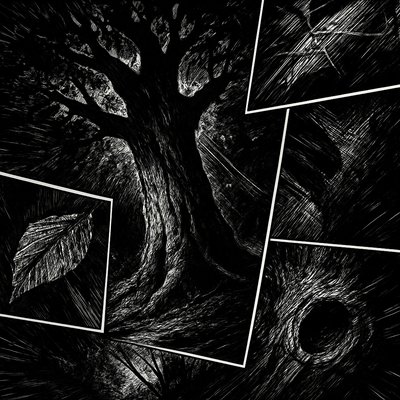
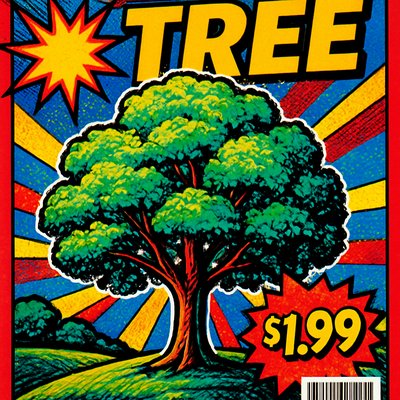
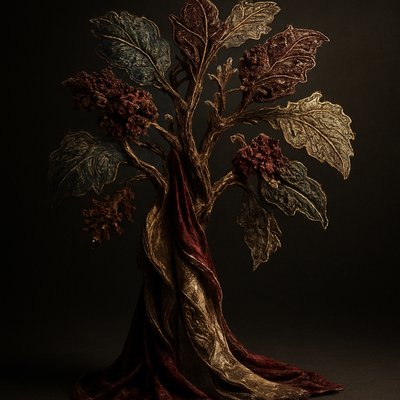
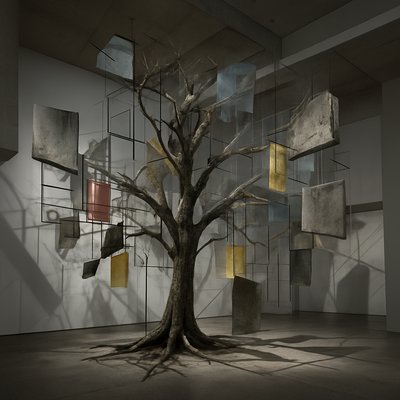
The Fourth reached out his eager hand and felt about the knee. What most this wondrous beast is like is mighty plain, said he; Tis clear enough the Elephant is very like a tree!
The seasons personified
a painting of a night scene with a camper and trees
Allegorical painting representing the four seasons in the art style of Renaissance --v 6.1
Morning fog lifting from river
bicyle resting against a wall
urban street with city activity
animal standing in natural pose
house with front view
portrait of a person with expressive eyes
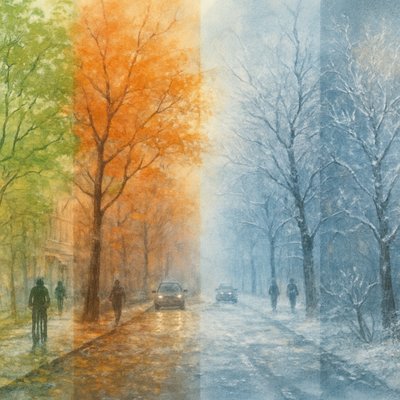
Seasonal Impressionism Art Style Style Transfer Example
portrait of two people together