A Painting Of A Man With A Sword And A Helmet Art

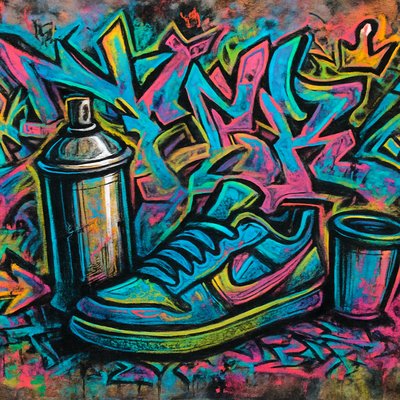
still life with everyday objects
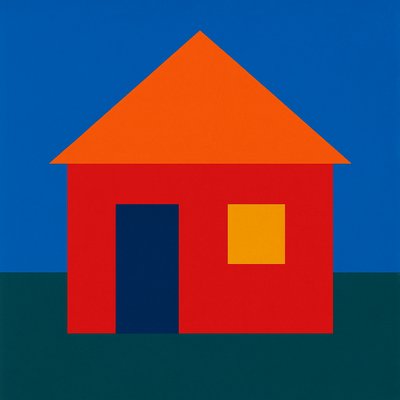
house with front view
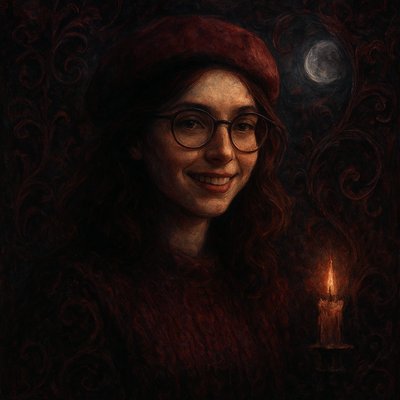
Gothic Romance Art Style Transfer Example
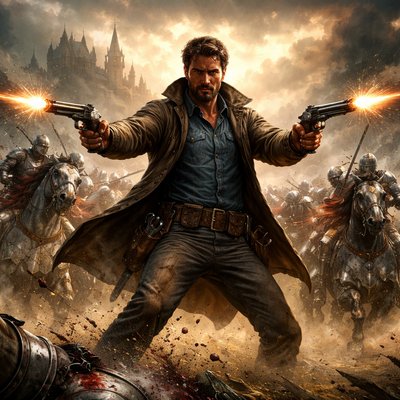
A dramatic epic fantasy scene of a fierce 19th-century Yankee engineer in modern work clothes and coat standing defiantly amid a chaotic medieval battlefield, dual-wielding gleaming Colt revolvers firing with muzzle flashes and smoke trails, facing a charging line of heavily armored knights in full shining plate mail with lances lowered and horses rearing, bullets impacting armor with sparks and dents, knights tumbling in shock and agony, misty Arthurian field with ancient castles and stormy skies in the background at dramatic golden-hour sunset, intense action pose with recoil kick, rich metallic reflections on armor and gun barrels, vibrant crimson blood accents, deep shadows and god-ray lighting piercing through dust and gunpowder haze, hyper-detailed textures on chainmail scratches, fabric tears, and explosive debris, photorealistic cinematic fantasy style, high dynamic range, ultra-detailed 8k masterpiece in the vein of Greg Rutkowski and Simon Stålenhag with epic war realism, absurd violent anachronism from Mark Twain's A Connecticut Yankee in King Arthur's Court, breathtaking composition
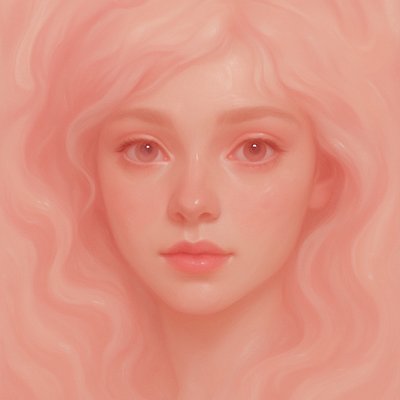
a woman with long hair and a multicolored background
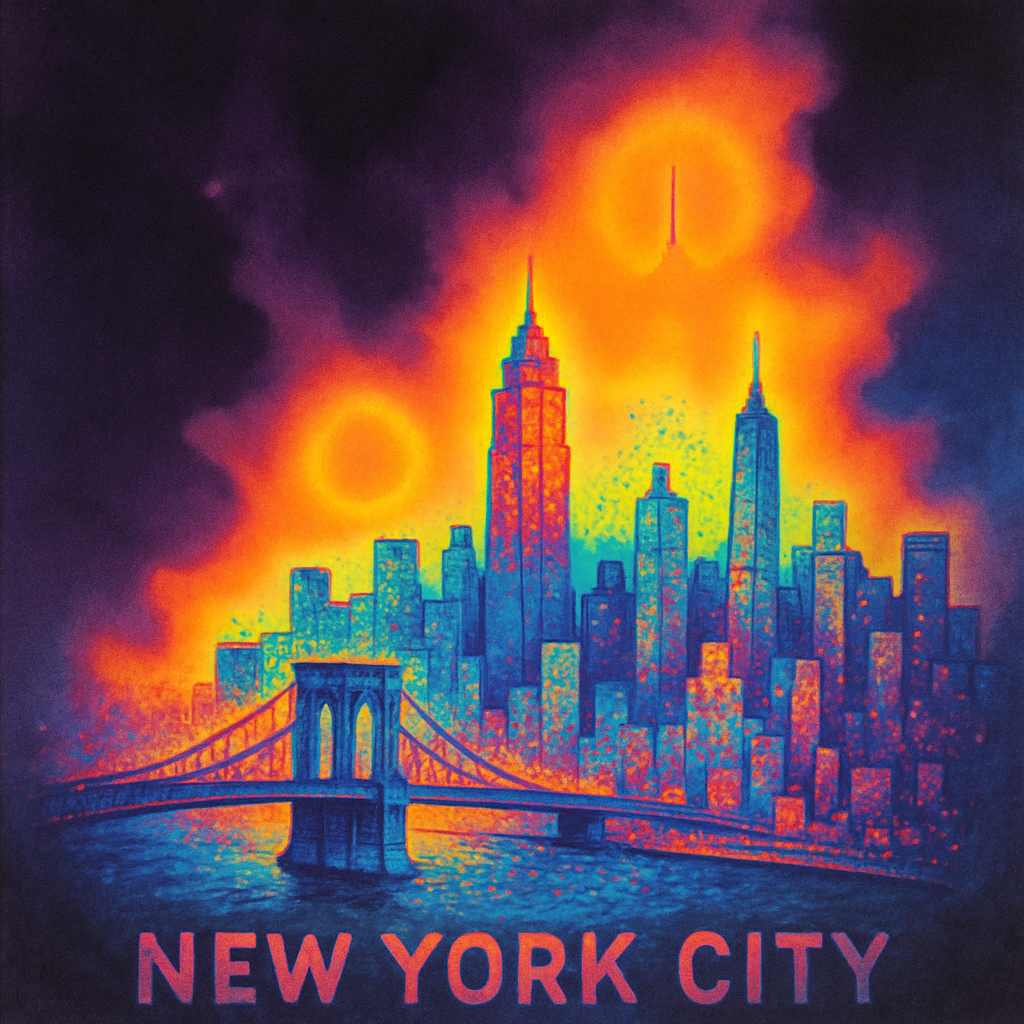
New York City
Los Angeles
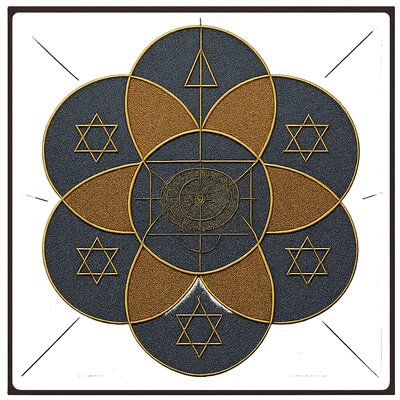
The rose of Venus pattern
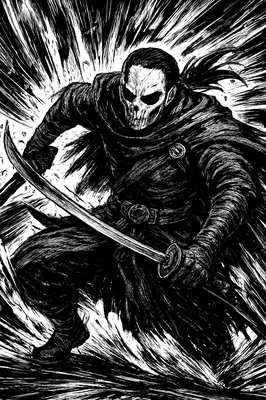
a black and white drawing of a skeleton holding a sword
Pierced luminaire with botanical patterns
portrait of a person with expressive eyes
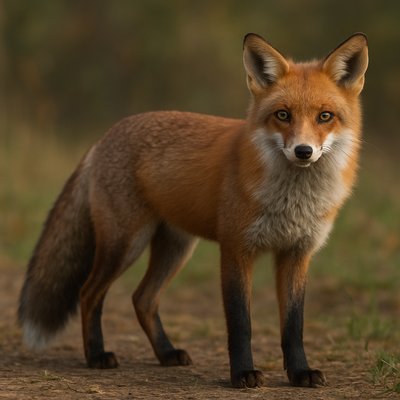
animal standing in natural pose
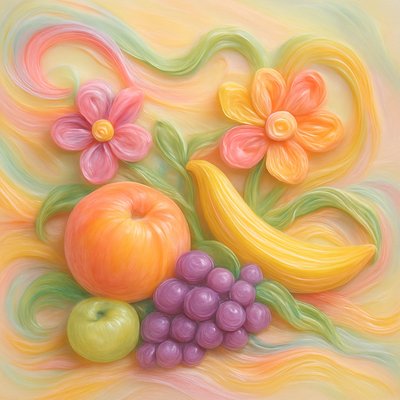
still life arrangement of fruits and flowers
bicyle resting against a wall
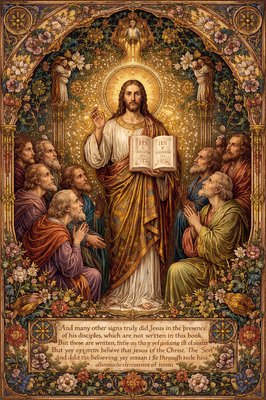
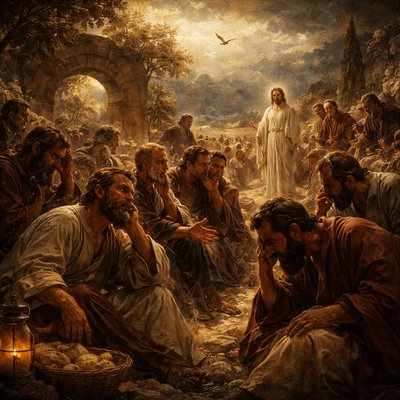
“And many other signs truly did Jesus in the presence of his disciples, which are not written in this book: But these are written, that ye might believe that Jesus is the Christ, the Son of God; and that believing ye might have life through his name.” (John 20:30-31, KJV)
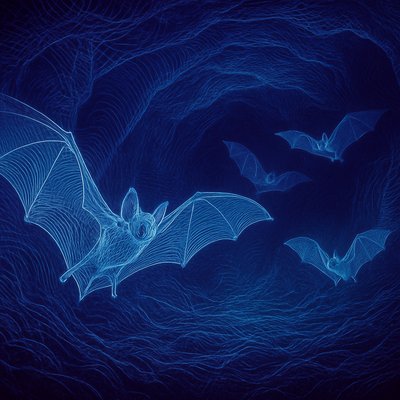
A group of ghost bats, with large translucent wings, in a giant cave in Queensland, Australia. Photo-realistic, professional nature photography, extreme detail
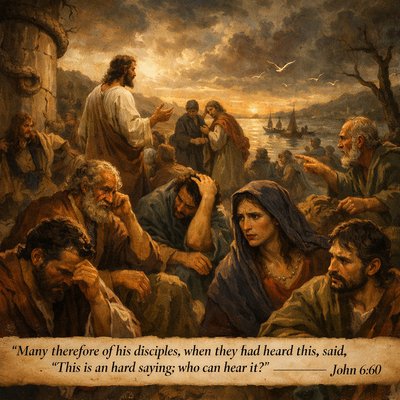
Many therefore of his disciples, when they had heard this, said, This is an hard saying; who can hear it?
John 6:60 (KJV)
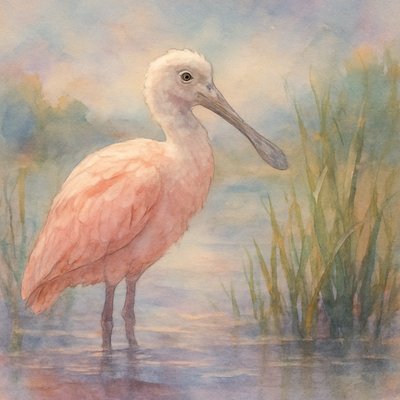
A captivating and serene portrait of a young Roseate Spoonbill juvenile standing gracefully in its natural wetland habitat. The bird's plumage is a delicate and soft pale rosy-pink or peach color, much lighter and more muted than the vibrant pink of its adult counterparts, with touches of white or very light cream feathers, particularly on its head and neck. Its characteristic long, spatulate (spoon-shaped) bill is prominent, though it might be a slightly duller gray or greenish-gray than an adult's.

The juvenile spoonbill stands in shallow, calm water, possibly surrounded by lush green marsh grasses, reeds, or mangrove roots. The background is a soft-focus wetland scene, hinting at a warm, sunny day with serene water and distant vegetation, perhaps with a clear blue sky or a gentle sunset glow. The lighting is soft and natural, emphasizing the subtle, beautiful peach and rosy tones of its feathers and the unique texture of its plumage. The overall mood is one of quiet elegance, youthful beauty, and peaceful observation in nature." impressionistic watercolor painting, soft washes of color, delicate brushstrokes, ethereal atmosphere, focus on color blend and texture"
Elaborate fantasy map of a non-existent world in the art style of Outsider Art --v 6.1
Many therefore of his disciples, when they had heard this, said, This is an hard saying; who can hear it?
John 6:60 (KJV)
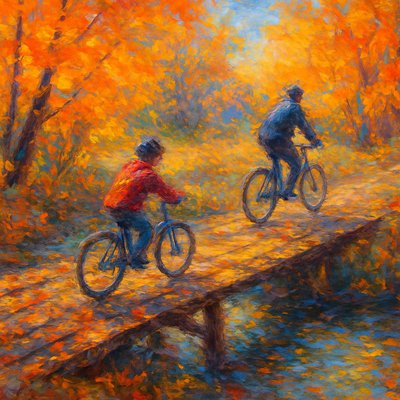
A vibrant and atmospheric impressionistic painting capturing the essence of the provided photograph: two figures on bicycles, a child in the foreground and an adult behind, crossing a rustic wooden bridge over a flowing stream. The scene is transformed into a glorious autumn landscape, where the surrounding trees are ablaze with rich, impressionistic brushstrokes of brilliant golds, fiery oranges, and deep reds, intermingled with patches of lingering green.

The wooden bridge itself is rendered with textural, broken brushstrokes, suggesting its weathered planks, with scattered fall leaves painted in warm, detached dabs of color. The stream below glimmers with soft reflections of the autumn light and foliage, depicted with fluid, expressive strokes. The figures on the bicycles are captured with a sense of movement and energy, their forms suggested rather than precisely detailed, blending into the lively, shimmering atmosphere.
The sky above, if visible through the canopy, is a soft, luminous blue, hinted at with delicate washes. The lighting is soft and diffused, characteristic of a pleasant autumn day, creating a radiant and inviting mood. The overall effect is one of fleeting beauty, captured light, and the joyful freedom of a crisp fall ride, rendered with the characteristic loose, vibrant brushwork and subjective color of impressionism.
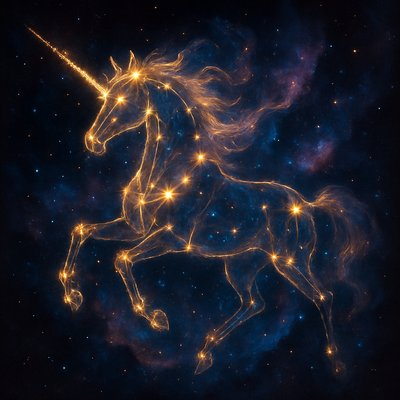
A vivid and artistic depiction of the Monoceros constellation as a majestic mythical unicorn, with its body, horn, mane, and legs formed by bright, glowing stars connected by ethereal golden lines to outline the shape. The unicorn appears dynamic and ethereal, galloping through the cosmos, surrounded by swirling clouds of colorful stardust, nebulae in shades of blue, purple, and pink, and scattered distant stars in a deep black space background. Render in a fantasy astronomy style, high detail, cosmic glow, and magical atmosphere.
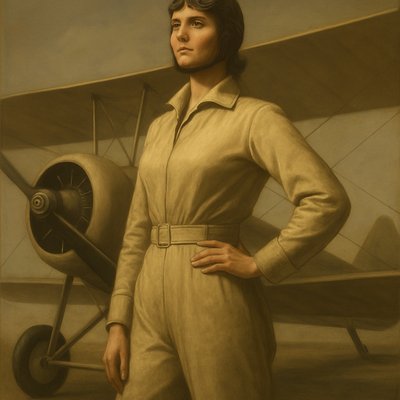
A statuesque, heroic portrait of Lady Mary Bailey (the aviator) standing confidently by her small biplane, the De Havilland Moth.

Style: Neoclassical painting emphasizing idealized forms, clear lines, balanced composition, and muted color palettes (such as marble white, deep blues, and sepia tones). The figures and machine should look elegant and timeless, like a heroic ancient myth.
King and queen
A mysterious librarian
urban street with city activity
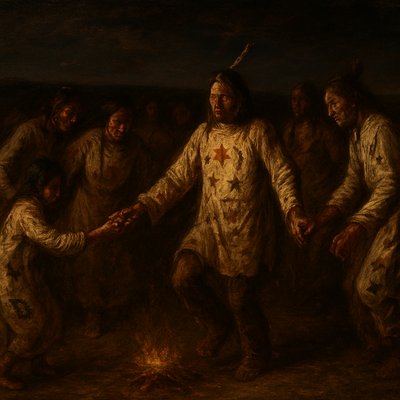
"A historically accurate depiction of a Ghost Dance, focusing on the late 19th-century context, specifically around 1890-1891. The scene shows Lakota (Sioux) or Northern Paiute people (specify one or include elements of both, but avoid anachronisms) participating in the ceremony.

Setting: A vast, open prairie or high desert landscape, under an expansive sky. The time of day could be dusk or night, with a prominent moon or stars, or a bright, clear day. Avoid overtly spiritual or ethereal elements like floating spirits unless explicitly requested for a later, more symbolic iteration. The focus should be on the earthly ceremony.

Participants: A circle of men, women, and children, hand-in-hand, moving in a slow, rhythmic shuffle or circular motion. Their faces show a mixture of devotion, hope, and determination. Some may have expressions of trance or deep concentration.

Attire:

    Ghost Dance Shirts/Dresses: Emphasize the unique Ghost Dance shirts and dresses, which were typically made of muslin or canvas. These garments should feature painted designs such as stars, crescents, birds (especially eagles or crows), buffalo, human figures, or crosses. The designs should appear hand-painted, not mass-produced.

    Hair and Adornments: Participants should have braided hair or wear it long. Some may wear feathers (e.g., eagle or hawk feathers) in their hair. Minimal traditional adornments, as the focus was often on the Ghost Dance shirt itself. Avoid overly elaborate or Hollywood-esque depictions of war bonnets unless relevant to a specific individual and context.

    Footwear: Moccasins or bare feet.

Action/Atmosphere:

    The dancers are moving in a counter-clockwise circle, with a central figure or a small group often leading.

    The overall mood is one of earnest prayer and communal spiritual effort. The dance should convey a sense of hope for renewal and the return of the old ways, rather than aggression or despair.

    There might be a central pole or small fire as a focal point, around which the dance takes place.

    Avoid any signs of direct conflict or violence; the Ghost Dance itself was a non-violent spiritual movement.

Specific Considerations for Accuracy:

    Wovoka's Influence: The teachings of Wovoka (the Northern Paiute prophet) emphasized peace, hard work, and the return of the buffalo and deceased ancestors. The scene should subtly reflect this hopeful, redemptive spirit.

    Regional Variations: If focusing on Lakota, consider their specific interpretations, which sometimes included more imagery related to their warrior traditions on the shirts, but still within the peaceful framework of the dance.

    Respectful Portrayal: Ensure the depiction is respectful and avoids any stereotypical or caricatured representations of Indigenous people. Focus on their human dignity and spiritual sincerity.
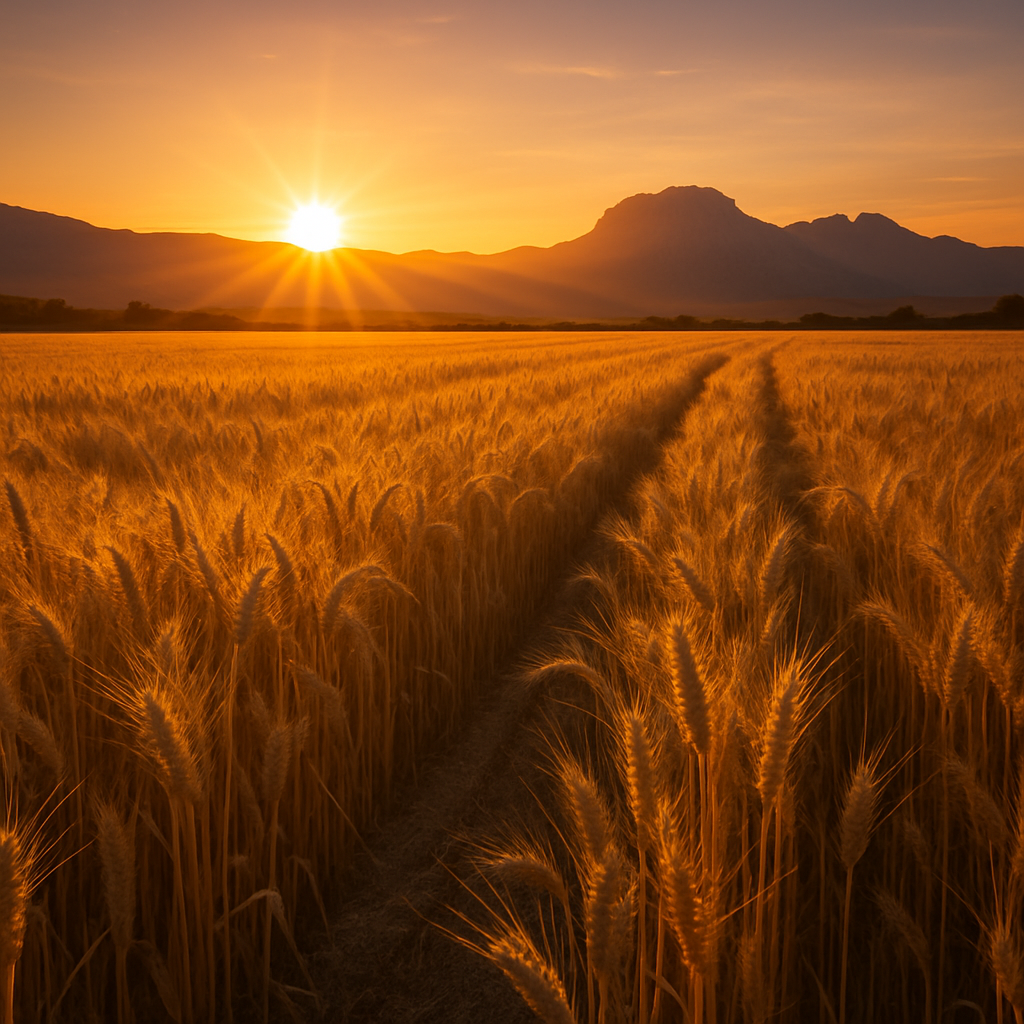
Wheat field with distant mountains
serene landscape with mountains and water
animal standing in natural pose
house with front view
animal standing in natural pose
Hot cup of coffee
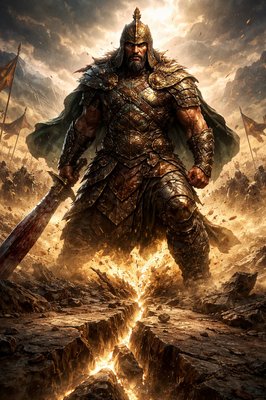
"A hyper-realistic, cinematic portrait of Zelek the Ammonite, one of King David’s elite 'Mighty Men.' He is a towering figure with a weathered, fierce expression, wearing ancient Near Eastern bronze-and-iron scale armor with heavy leather straps. He stands in a stance of immense power, holding a massive, jagged-edged broadsword or a heavy iron-headed spear. The background is a battlefield where he has literally 'broken' through the enemy line—visualized as a physical fissure or crack in the earth radiating from his feet (Baal-perazim style). The enemy 'host' is seen scattering and dissolving in his wake, depicted as shadowy figures falling back into a golden, dusty haze. Art Style: Gritty biblical realism blended with epic 2026 digital concept art; heavy emphasis on texture (hammered metal, scarred skin, desert sand), deep shadows, and high-contrast volumetric lighting. 8K resolution, wide-angle lens, masterpiece quality
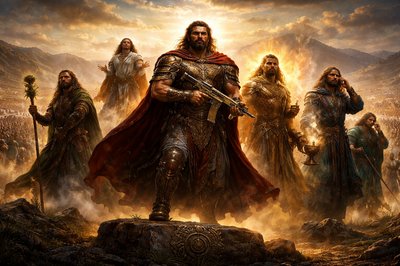
A cinematic, hyper-realistic wide shot of six valiant biblical warriors, the sons of Tola, standing as "heads of their father’s house" in an ancient Levantine desert landscape. In the center, Uzzi is a massive, muscular commander clad in bronze armor, incongruously wielding a modern tactical Uzi submachine gun with gold engravings. Surrounding him are his brothers: Rephaiah holding a staff entwined with healing herbs; Jeriel standing atop a massive foundation stone looking toward heaven; Jahmai enveloped in a warm, protective golden aura; Jibsam Holding a detailed censer releasing fragrant incense smoke.; and Shemuel in a posture of listening, hand to his ear as if hearing a divine whisper. In the background, a vast army of 22,600 soldiers stretches to the horizon under the golden sun of King David’s era. Epic composition, dramatic chiaroscuro lighting, intricate leather and metal textures, 8k resolution, ArtStation style.
animal standing in natural pose
Crowned Virgin