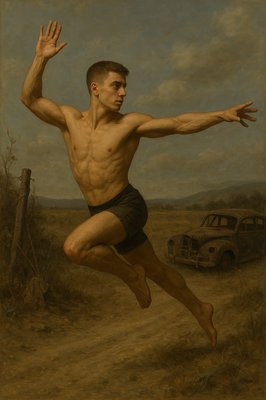
A Painting Of A Man Holding A Rope Over His Head Art

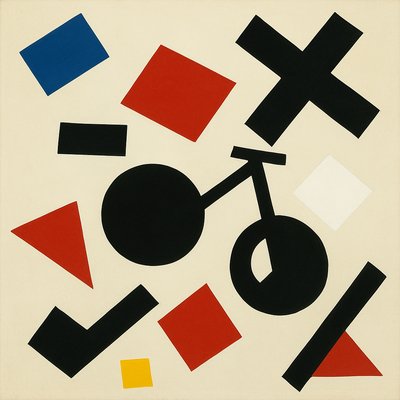
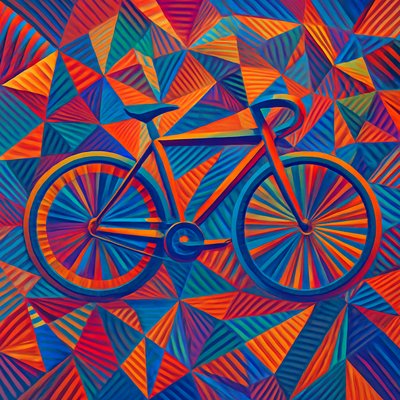
bicyle resting against a wall
an abstract painting of a woman's face
a painting of a woman sitting on the ground
“And Jacob took him rods of green poplar, and of the hazel and chesnut tree; and pilled white strakes in them, and made the white appear which was in the rods. And he set the rods which he had pilled before the flocks in the gutters in the watering troughs when the flocks came to drink, that they should conceive when they came to drink. And the flocks conceived before the rods, and brought forth cattle ringstraked, speckled, and spotted. And Jacob did separate the lambs, and set the faces of the flocks toward the ringstraked, and all the brown in the flock of Laban; and he put his own flocks by themselves, and put them not unto Laban's cattle. And it came to pass, whensoever the stronger cattle did conceive, that Jacob laid the rods before the eyes of the cattle in the gutters, that they might conceive among the rods. But when the cattle were feeble, he put them not in: so the feebler were Laban's, and the stronger Jacob's. And the man increased exceedingly, and had much cattle, and maidservants, and menservants, and camels, and asses.” (Genesis 30:37-43, KJV)
a painting of a man and woman posing for a picture
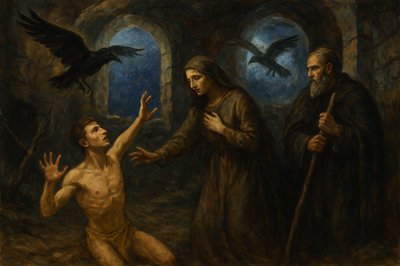
a painting of a man reaching for a bird
a painting of a shirtless man in a dark room
a painting of a mountain range with colorful lines
a painting of a man standing in front of a doorway
a painting of a man standing in front of a boat
a painting of a man standing in front of a stained glass window
An awe-inspiring and whimsical scene featuring Willy Wonka's Great Glass Wonkavator, soaring high above Louisiana and ascending into a fantastical sky. The Wonkavator itself is a magnificent, multi-directional glass elevator, transparent and sparkling, with Willy Wonka (in his iconic purple coat and top hat), and several  cats in stylish New Orleans clothing clearly visible and enjoying the ride inside. The interior of the Wonkavator shows intricate, whimsical control panels. The Wonkavator is depicted in mid-flight, having just burst through the factory roof or rising above the clouds. Below it, the fantastical landscape of the Bayou and various whimsical buildings from the city of New Orleans. Beyond is the ocean. The lighting is bright and magical, emphasizing the glass's transparency and the vibrant colors of the world below and beyond. The overall mood is one of boundless adventure, limitless possibilities, and pure, joyful fantasy."
An extreme low-angle perspective shot, looking vertically up toward the sky. Alice’s impossibly long, pale neck stretches out of frame through the dense, gnarled canopy of the dark Wonderland forest. Her head, massive and distorted by the perspective, is visible against a turbulent, twilight sky. Her expression is one of confusion and fear. Small, furious Pigeons swarm her head like bothersome insects. The scene is lit by eerie moonlight filtering through the leaves, emphasizing the dramatic scale and height. Photorealistic fantasy, cinematic 16:9 aspect ratio, volumetric fog, moody atmosphere.
An awe-inspiring and whimsical scene featuring Willy Wonka's Great Glass Wonkavator, soaring high above Louisiana and ascending into a fantastical sky. The Wonkavator itself is a magnificent, multi-directional glass elevator, transparent and sparkling, with Willy Wonka (in his iconic purple coat and top hat), and several  cats in stylish New Orleans clothing clearly visible and enjoying the ride inside. The interior of the Wonkavator shows intricate, whimsical control panels. The Wonkavator is depicted in mid-flight, having just burst through the factory roof or rising above the clouds. Below it, the fantastical landscape of the Bayou and various whimsical buildings from the city of New Orleans. Beyond is the ocean. The lighting is bright and magical, emphasizing the glass's transparency and the vibrant colors of the world below and beyond. The overall mood is one of boundless adventure, limitless possibilities, and pure, joyful fantasy."
A historically accurate and atmospheric depiction of the signing of the Mayflower Compact aboard the ship in November 1620. The scene is set in the dimly lit, cramped cabin of the Mayflower, with the ship's timbers and rigging subtly visible, conveying the challenging conditions of the voyage. A simple table or chest serves as the signing surface. The primary focus is on a small group of the last individuals signing the document: specifically, the indentured servants (or 'strangers' not directly part of the Separatist congregation) approaching or at the table. Their expressions show a mix of weary determination, understanding of the necessity, and perhaps a hint of quiet apprehension or resignation to this new social contract, given their status. They are dressed in the plain, practical clothing typical of 17th-century commoners and laborers. Figures of prominent Pilgrims or 'Saints' (like William Bradford or John Carver) are visible in the background, observing the proceedings with a sense of gravity and leadership, but they are not the central focus. The lighting is low and warm, perhaps from a lantern, creating a chiaroscuro effect that highlights the faces of the signers. The atmosphere conveys the momentousness of the act under difficult circumstances, the diverse composition of the group, and the early seeds of self-governance in a new world. The artistic style is a realistic, historically detailed oil painting, capturing the solemnity and human element of this pivotal historical moment."
still life arrangement of fruits and flowers
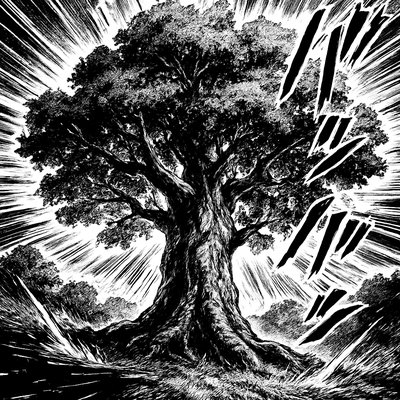
serene landscape with mountains and water
a painting of two men sitting in a cave
Steampunk Historical Fantasy, Satirical Illustration Style, Cinematic Lighting. A bizarre, anachronistic scene inside a drafty medieval castle great hall (Camelot). A group of noblewomen, dressed in elaborate 6th-century velvet gowns, wimples, and tall pointed hennin hats with veils, are seated on rough wooden stools. They are furiously working a massive, makeshift telephone switchboard operator station.

The Technology: The switchboard is constructed from rough-hewn oak timbers, gleaming brass gears, porcelain insulators, and hundreds of thick, chaotic copper wires that are strung haphazardly across ancient tapestries and stone walls, disappearing out narrow arrow-slit windows.

The Action: The ladies hold bulky, antique Victorian-era earpieces and large brass mouthpieces, plugging heavy cables with oversized jacks into the board with expressions of intense concentration and mild confusion. Knights in armor walk past in the background, looking bewildered. Sunlight streams through gothic windows, illuminating the dust and the clash of eras.
A historically accurate and atmospheric depiction of the signing of the Mayflower Compact aboard the ship in November 1620. The scene is set in the dimly lit, cramped cabin of the Mayflower, with the ship's timbers and rigging subtly visible, conveying the challenging conditions of the voyage. A simple table or chest serves as the signing surface. The primary focus is on a small group of the last individuals signing the document: specifically, the indentured servants (or 'strangers' not directly part of the Separatist congregation) approaching or at the table. Their expressions show a mix of weary determination, understanding of the necessity, and perhaps a hint of quiet apprehension or resignation to this new social contract, given their status. They are dressed in the plain, practical clothing typical of 17th-century commoners and laborers. Figures of prominent Pilgrims or 'Saints' (like William Bradford or John Carver) are visible in the background, observing the proceedings with a sense of gravity and leadership, but they are not the central focus. The lighting is low and warm, perhaps from a lantern, creating a chiaroscuro effect that highlights the faces of the signers. The atmosphere conveys the momentousness of the act under difficult circumstances, the diverse composition of the group, and the early seeds of self-governance in a new world. The artistic style is a realistic, historically detailed oil painting, capturing the solemnity and human element of this pivotal historical moment."
An awe-inspiring and whimsical scene featuring Willy Wonka's Great Glass Wonkavator, soaring through the sky and beyond the confines of the chocolate factory. The Wonkavator itself is a magnificent, multi-directional glass elevator, transparent and sparkling, with Willy Wonka (wearing his iconic top hat, purple coat, and bowtie) and Charlie Bucket (and perhaps Grandpa Joe) inside, looking out with expressions of wonder and excitement. The interior is filled with intricate buttons and levers for controlling its magical flight.

The Wonkavator is depicted in mid-flight, perhaps bursting through the factory roof or ascending above the clouds. Below it, the fantastical landscape of the Chocolate Factory is visible – chocolate rivers, edible gardens, candy cane trees, and various whimsical buildings. Beyond the factory, a stunning, imaginative sky unfolds, perhaps with floating candy clouds, distant fantastical landmarks, or even glimpses of outer space and planets. The lighting is bright and magical, emphasizing the glass's transparency and the vibrant colors of the world below and beyond. The overall mood is one of boundless adventure, limitless possibilities, and pure, joyful fantasy."
An awe-inspiring and whimsical scene featuring Willy Wonka's Great Glass Wonkavator, soaring high above the chocolate factory and ascending into a fantastical sky. The Wonkavator itself is a magnificent, multi-directional glass elevator, transparent and sparkling, with Willy Wonka (in his iconic purple coat and top hat), young Charlie Bucket, and Grandpa Joe clearly visible and enjoying the ride inside. Wonka points excitedly, Charlie looks out with wide-eyed wonder, and Grandpa Joe grins with delight. The interior of the Wonkavator shows intricate, whimsical control panels.

The Wonkavator is depicted in mid-flight, having just burst through the factory roof or rising above the clouds. Below it, the fantastical landscape of the Chocolate Factory is spread out – chocolate rivers, edible gardens, candy cane trees, and various whimsical buildings. Beyond the factory, a stunning, imaginative sky unfolds, filled with floating candy clouds, distant fantastical landmarks, and even glimpses of planets and stars. The lighting is bright and magical, emphasizing the glass's transparency and the vibrant colors of the world below and beyond. The overall mood is one of boundless adventure, limitless possibilities, and pure, joyful fantasy."
An awe-inspiring and whimsical scene featuring Willy Wonka's Great Glass Wonkavator, soaring through the sky and beyond the confines of the chocolate factory. The Wonkavator itself is a magnificent, multi-directional glass elevator, transparent and sparkling, with Willy Wonka (wearing his iconic top hat, purple coat, and bowtie) and Charlie Bucket and Grandpa Joe inside, looking out with expressions of wonder and excitement. The interior is filled with intricate buttons and levers for controlling its magical flight.

The Wonkavator is depicted in mid-flight, perhaps bursting through the factory roof or ascending above the clouds. Below it, the fantastical landscape of the Chocolate Factory is visible – chocolate rivers, edible gardens, candy cane trees, and various whimsical buildings. Beyond the factory, a stunning, imaginative sky unfolds, perhaps with floating candy clouds, distant fantastical landmarks, or even glimpses of outer space and planets. The lighting is bright and magical, emphasizing the glass's transparency and the vibrant colors of the world below and beyond. The overall mood is one of boundless adventure, limitless possibilities, and pure, joyful fantasy."
A cathedral interior
Triptych addressing personal and collective history in the art style of New European Painting --v 6.1
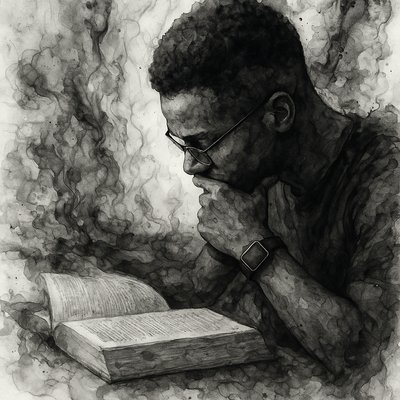
a man in a blue sweater covers his mouth with his hands
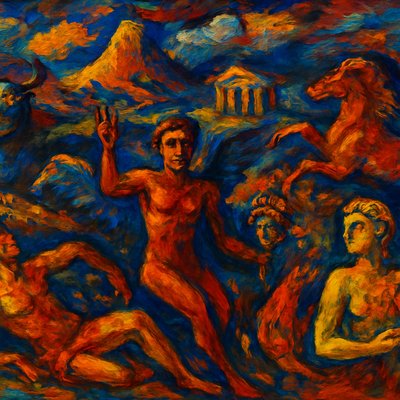
Neo-Expressionist Modern Art Style Style Transfer Example
Volume 1 – Chapter 1: “Running Away”

Story Points:

Ji Hun is bored and unhappy with his life in the band “Forever.” Inner thoughts reveal his frustration and desire to escape.

He decides to run away; changes his appearance with a ginger curly wig and glasses to hide his identity.

Ji Hun sneaks out, but security guards notice him and start chasing him.

While running, he accidentally bumps into Min Joon, a girl with long curly black hair, wearing a hoodie and baggy jeans. They fall on the ground.

Min Joon helps him up and insists on taking him to her home to relax.

She offers him tea and biscuits; they start talking. Ji Hun lies and says his name is “Jin” and that he is an accountant.

He notices posters of his band “Forever” in her room and realizes she is a fan. Min Joon praises Ji Hun’s voice, making him shy.

Ji Hun talks about never enjoying life; Min Joon promises to teach him how to enjoy life.

Ji Hun hesitates, worried about being recognized, but she reassures him. He agrees to go with her.

Min Joon prepares to take him outside, setting up the transition to Chapter 2 (car ride and amusement park).

Page/Panel Flow Suggestions:

Pages 1–3: Ji Hun’s frustration, morning in the band dorm, decision to escape.

Pages 4–5: Ji Hun changing disguise.

Pages 6–8: Running and being chased by security guards.

Pages 9–12: Collision with Min Joon, first meeting.

Pages 13–16: Min Joon taking him home, tea and biscuits scene.

Pages 17–20: Conversation about Ji Hun’s unhappiness, Min Joon promising to show him joy.
Los Angeles
“abstract fluid art with deep blues and gold seams inspired by kintsugi, no recognizable objects, high resolution, seamless texture”
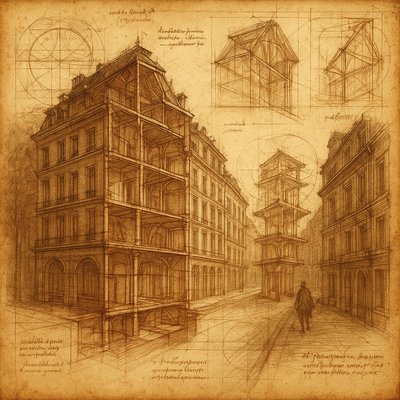
urban street with city activity
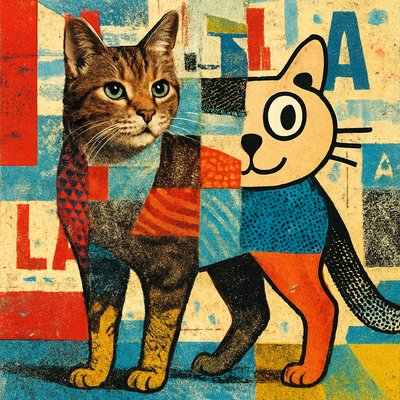
animal standing in natural pose
urban street with city activity
animal standing in natural pose
a man standing in the middle of a forest
still life arrangement of fruits and flowers
Megacorporation headquarters with imposing architecture in the art style of Cyberpunk --v 6.1