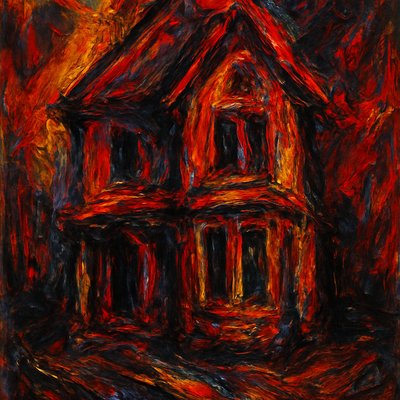
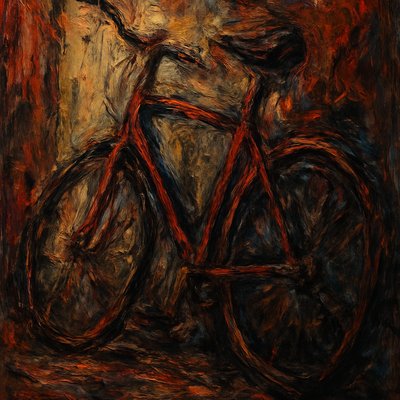
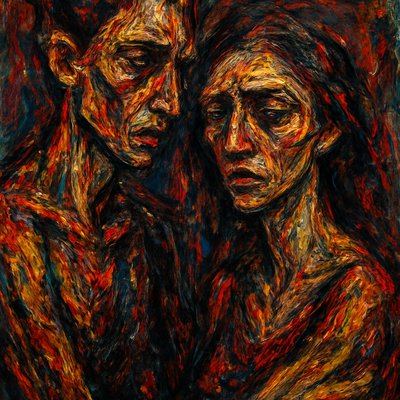
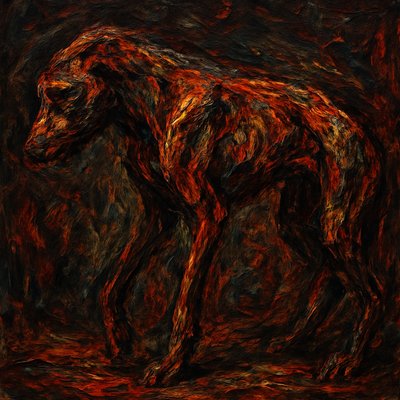
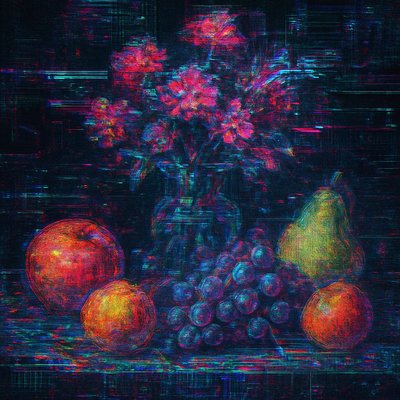
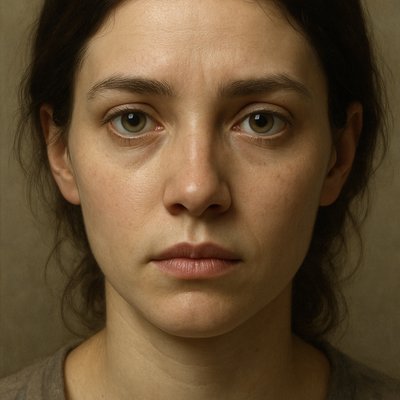
Social Realist Figurative Art Style Style Transfer Example Art

Participatory installation creating social interactions in the art style of Relational Art --v 6.1
A historically accurate and atmospheric depiction of the signing of the Mayflower Compact aboard the ship in November 1620. The scene is set in the dimly lit, cramped cabin of the Mayflower, with the ship's timbers and rigging subtly visible, conveying the challenging conditions of the voyage. A simple table or chest serves as the signing surface. The primary focus is on a small group of the last individuals signing the document: specifically, the indentured servants (or 'strangers' not directly part of the Separatist congregation) approaching or at the table. Their expressions show a mix of weary determination, understanding of the necessity, and perhaps a hint of quiet apprehension or resignation to this new social contract, given their status. They are dressed in the plain, practical clothing typical of 17th-century commoners and laborers. Figures of prominent Pilgrims or 'Saints' (like William Bradford or John Carver) are visible in the background, observing the proceedings with a sense of gravity and leadership, but they are not the central focus. The lighting is low and warm, perhaps from a lantern, creating a chiaroscuro effect that highlights the faces of the signers. The atmosphere conveys the momentousness of the act under difficult circumstances, the diverse composition of the group, and the early seeds of self-governance in a new world. The artistic style is a realistic, historically detailed oil painting, capturing the solemnity and human element of this pivotal historical moment."
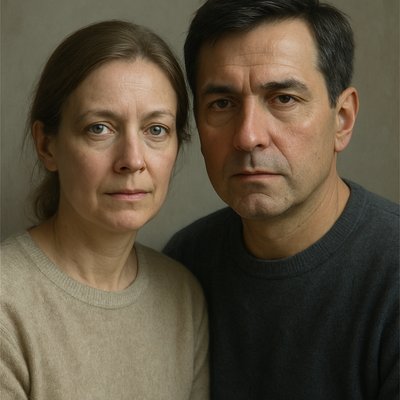
Portrait of a coal miner after a long shift in the art style of Social Realism --v 6.1
Group composition reflecting on contemporary social dynamics in the art style of New European Painting --v 6.1
Figurative painting with strong colors and emotional directness in the art style of Stuckism --v 6.1
Politically charged action addressing social issues in the art style of Performance Art --v 6.1
Allegorical painting addressing contemporary social issues in the art style of Neo-Romanticism --v 6.1
Crowded beach scene with a mix of social classes in the art style of Ashcan School --v 6.1
Controversial self-portrait challenging social norms in the style of Young British Artists --v 6.1
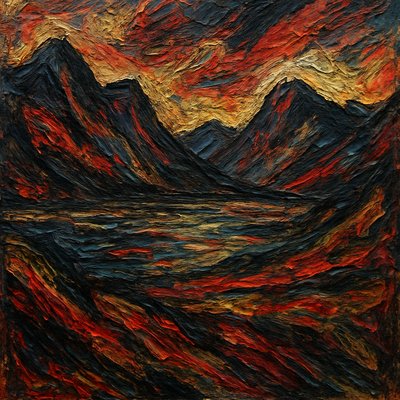
Figurative artwork with distorted forms and emotional rawness in the art style of Neo-Expressionism --v 6.1
Figurative artwork with distorted forms and emotional intensity in the art style of Neo-Expressionism --v 6.1
Figurative abstraction exploring human form and gesture in the art style of New European Painting --v 6.1
Interactive touchscreen artwork mimicking social media interface in the art style of Neo-Pop Art --v 6.1
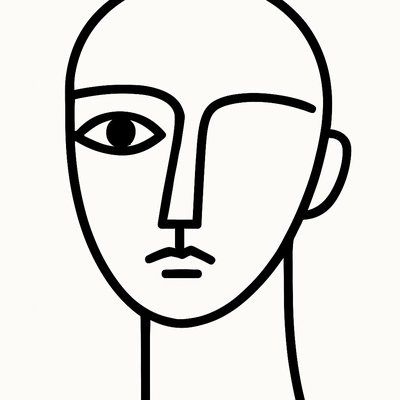
Conceptual self-portrait without figurative elements in the art style of Conceptual Art --v 6.1
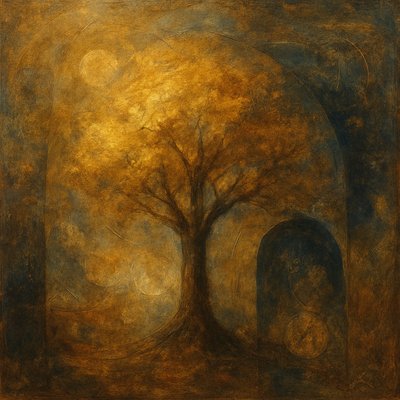
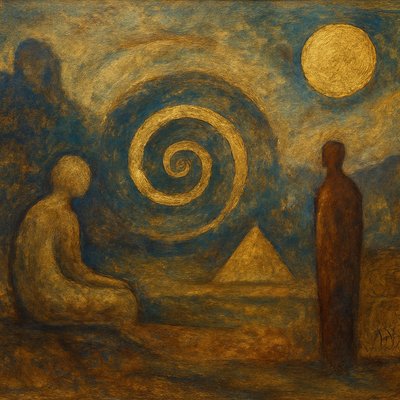
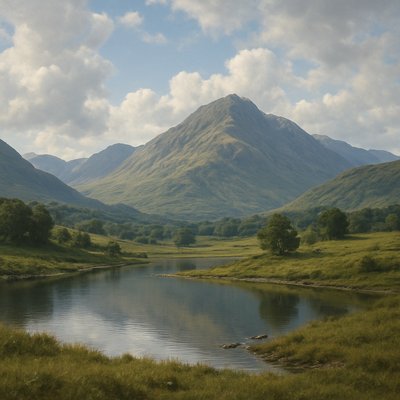
Dream landscape
autobrush on masterpieces
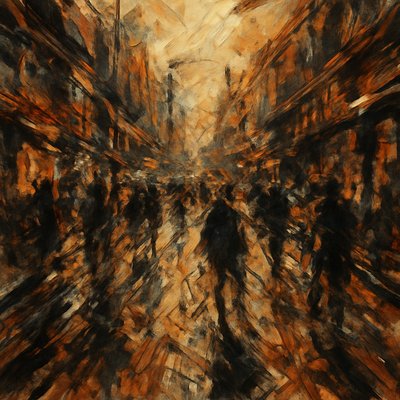
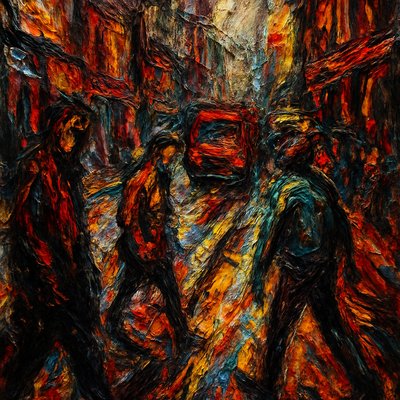
New York City
Portrait of a coal miner after a long shift in the art style of Social Realism --v 6.1
Colorful abstract composition with hidden figurative elements in the art style of Transavantgarde --v 6.1
Politically charged action addressing social issues in the art style of Performance Art --v 6.1
Allegorical painting addressing contemporary social issues in the art style of Neo-Romanticism --v 6.1
Controversial self-portrait challenging social norms in the style of Young British Artists --v 6.1
Interactive touchscreen artwork mimicking social media interface in the art style of Neo-Pop Art --v 6.1
A detailed, ancient-style map of the land of Canaan, with distinct, labeled territories for the Hivites, Arkite, and Sinite people groups. Each territory should have subtle visual cues reflecting their possible historical characteristics or natural environments. For example, the Hivite territory could show some hilly or forested areas, the Arkite territory might feature a coastal city, and the Sinite territory could suggest a more inland or mountainous region. The map should have a weathered, parchment-like texture, with an elegant, old-world font for the labels. In one corner, a small, illuminated manuscript-style illustration could depict three distinct figures, each subtly representing one of the groups, perhaps dressed in period-appropriate attire and engaging in an activity typical of their region. The overall aesthetic should evoke historical scholarship and cartography."
Conceptual self-portrait without figurative elements in the art style of Conceptual Art --v 6.1