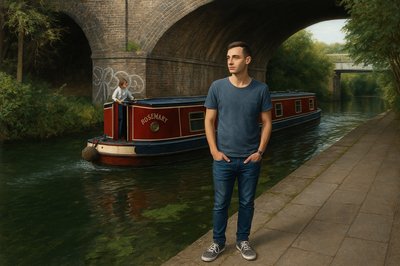
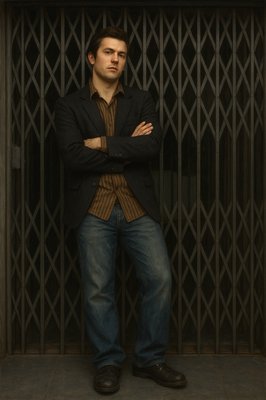
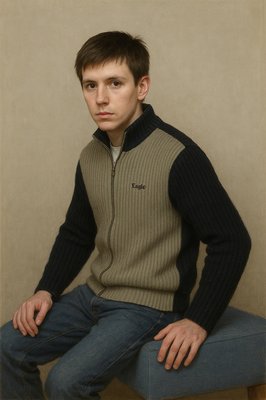
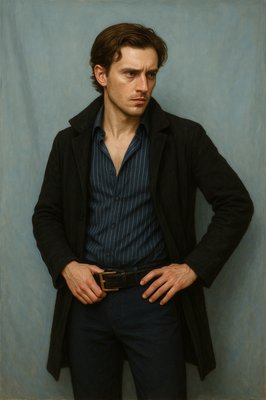
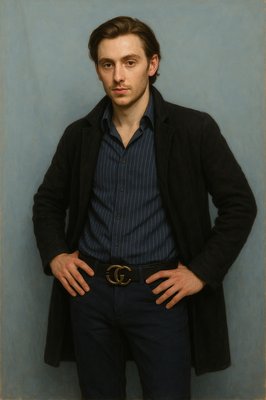
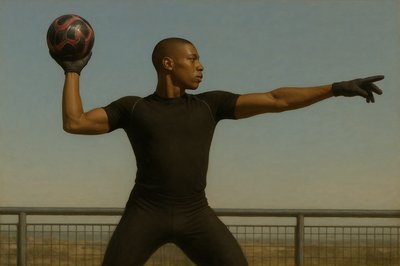
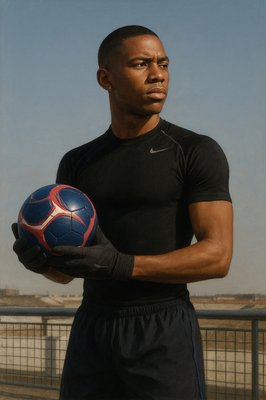
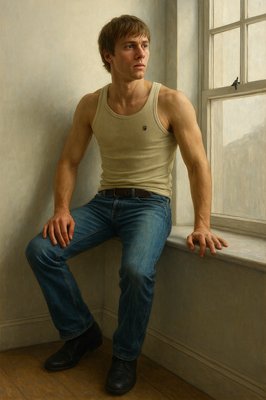
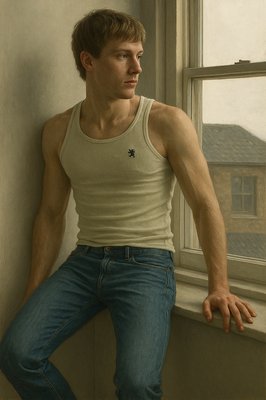
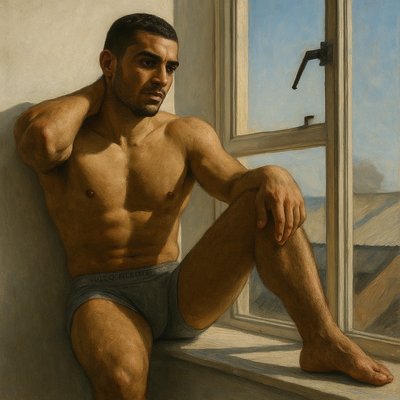
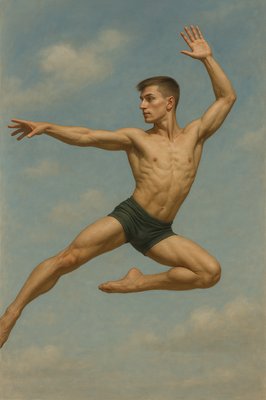
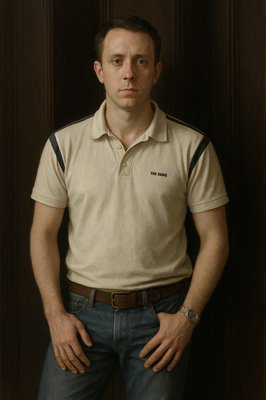
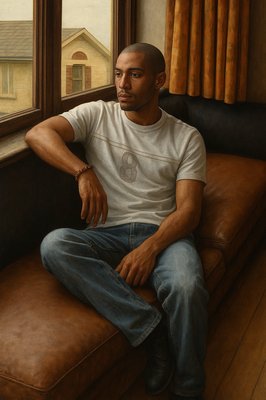
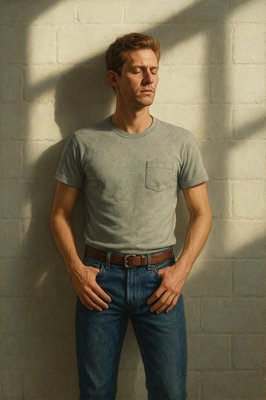
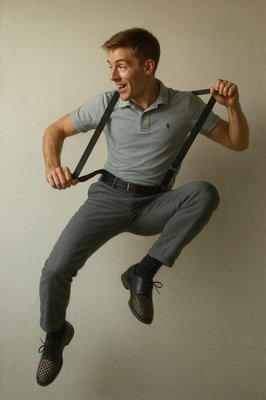
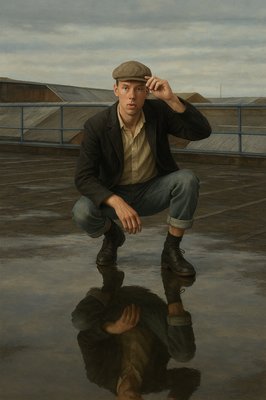
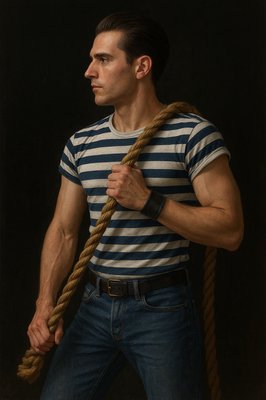
Social Realism Art Style Style Transfer Example Art

Provocative performance challenging social taboos in the art style of Transgressive Art --v 6.1
Participatory installation creating social interactions in the art style of Relational Art --v 6.1
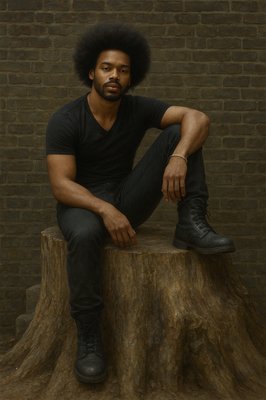
portrait of a person with expressive eyes
still life arrangement of fruits and flowers
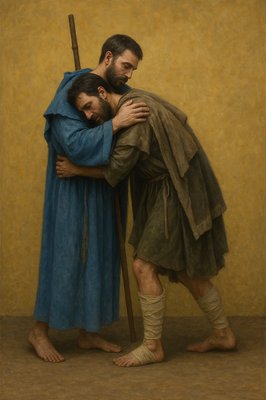
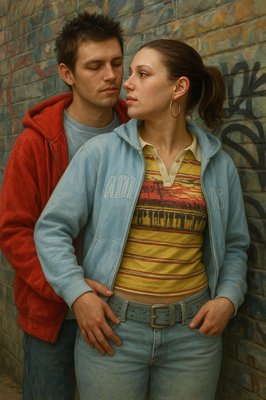
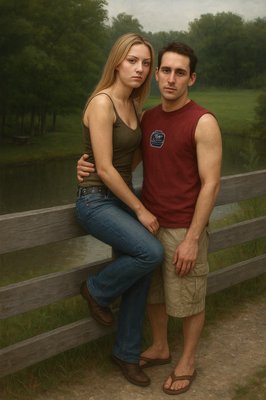
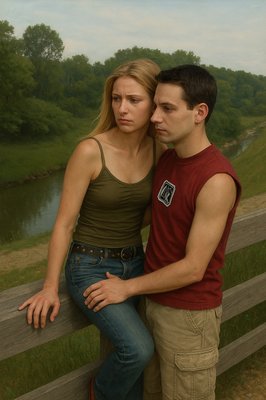
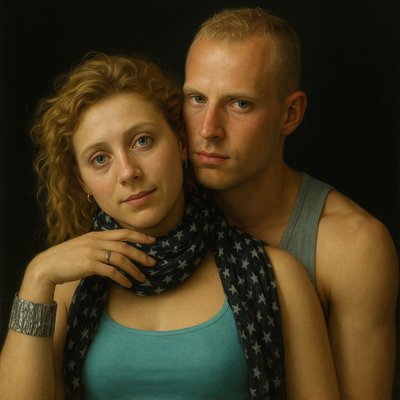
portrait of two people together
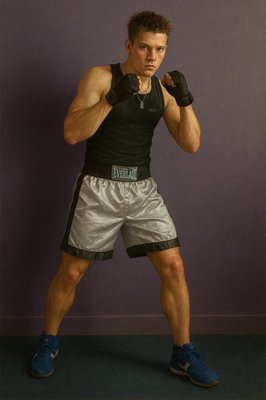
Group composition reflecting on contemporary social dynamics in the art style of New European Painting --v 6.1
A historically accurate and atmospheric depiction of the signing of the Mayflower Compact aboard the ship in November 1620. The scene is set in the dimly lit, cramped cabin of the Mayflower, with the ship's timbers and rigging subtly visible, conveying the challenging conditions of the voyage. A simple table or chest serves as the signing surface. The primary focus is on a small group of the last individuals signing the document: specifically, the indentured servants (or 'strangers' not directly part of the Separatist congregation) approaching or at the table. Their expressions show a mix of weary determination, understanding of the necessity, and perhaps a hint of quiet apprehension or resignation to this new social contract, given their status. They are dressed in the plain, practical clothing typical of 17th-century commoners and laborers. Figures of prominent Pilgrims or 'Saints' (like William Bradford or John Carver) are visible in the background, observing the proceedings with a sense of gravity and leadership, but they are not the central focus. The lighting is low and warm, perhaps from a lantern, creating a chiaroscuro effect that highlights the faces of the signers. The atmosphere conveys the momentousness of the act under difficult circumstances, the diverse composition of the group, and the early seeds of self-governance in a new world. The artistic style is a realistic, historically detailed oil painting, capturing the solemnity and human element of this pivotal historical moment."
a tree in nature
house with front view
bicyle resting against a wall
urban street with city activity
animal standing in natural pose
wide landscape with natural scenery

portrait of two people together
portrait of a person with expressive eyes
serene landscape with mountains and water
still life arrangement of fruits and flowers
Cinematic Concept Art, High Fantasy Illustration, Wide Angle, Dynamic Lighting "A wide, epic shot of the Wizard of Oz Scarecrow being violently lifted into the air by three menacing, taloned Flying Monkeys descending from a swirling, dark-clouded sky. The Scarecrow is mid-scream, straw is bursting from a tear in his pant leg, and his hat is flying off. The scene is set over a desolate, golden field, with a tiny Yellow Brick Road receding into the distance. Volumetric light rays pierce the storm clouds, highlighting the terror and the tattered fabric of the monkeys' wings. Focal Length 24mm, 8K, highly detailed, dramatic shadow depth."
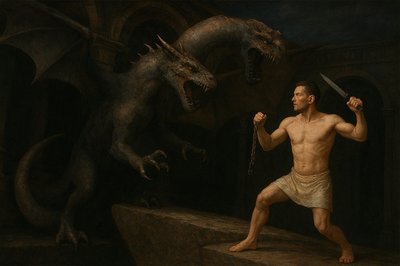
a painting of a man with a ring around his neck
a tree in nature
urban street with city activity
animal standing in natural pose
bicyle resting against a wall
portrait of two people together
wide landscape with natural scenery
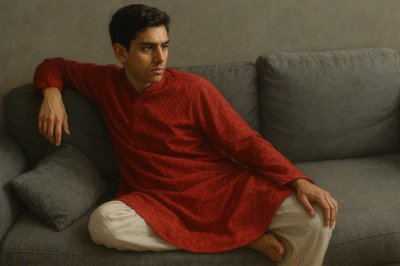
serene landscape with mountains and water
portrait of a person with expressive eyes
Macro photography of a cute gingerbread man juggling seven colorful jelly beans in a high arc. The gingerbread man has thick white frosting swirls and tiny silver pearl buttons. The jelly beans are glowing and translucent in bright red, blue, and orange. Professional studio lighting, sharp focus on the cookie texture, blurred kitchen background, 8k resolution, highly detailed, whimsical atmosphere.
early 1900s American schoolhouse with snowy playground, dozens of children bundled in scarves and mittens, joyfully throwing snowballs, sliding down wooden sleds, climbing rustic playground equipment, nostalgic sepia-toned color overlay, archival photograph aesthetic, cinematic wide shot
New York City
New York City
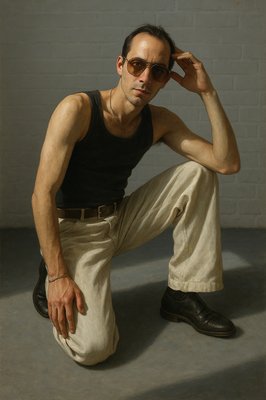
a painting of a man kneeling on a cliff
whimsical little horse, intricate details, watercolor-dream mood, gentle movement in the mane and tail, expressive eyes, cinematic depth and color
"A cheerful and fantastical figure with a large, glowing jack-o'-lantern for a head. The pumpkin's face is carved with a distinctly happy, friendly, wide-mouthed smile and joyful eyes. Instead of traditional jagged cuts, the facial features (eyes, nose, mouth) are intricately carved with elegant, swirling, vine-like patterns, giving it a whimsical and artistic look. The pumpkin head emits a warm, inviting orange glow from within.

Dramatically bursting and cascading out of the very top of the pumpkin's head is an overflowing abundance of vibrant, colorful Halloween candy. This candy explosion includes individually wrapped chocolates, lollipops, jelly beans, candy corn, and various brightly colored sweets, all tumbling outwards in a joyous, sugary fountain.

The figure itself has a rustic, scarecrow-like body, perhaps dressed in tattered but festive autumn-colored clothing (e.g., burlap, plaid, or warm browns and oranges), standing in an autumnal setting. The background could feature a gently lit pumpkin patch, fallen autumn leaves, or a soft, blurred evening sky. The lighting is warm and enchanting, highlighting the pumpkin's glow and the glossy sheen of the candy. The overall mood is one of festive joy, playful magic, and autumnal abundance. stylized realism, intricate detail, dynamic composition, warm dramatic lighting, focus on textures (pumpkin, candy), fantasy elements"
house with front view
bicyle resting against a wall
urban street with city activity