Skull With Violin And Dying Roses Art

Skull with violin and dying roses
Scholar's mortality
Geometric skull with roses
Raven on skull with roses
Geometric skull with roses
Violin and sheet music deconstructed
Skull ring with garnets
a painting of a violin and a vase of flowers
Coral Reef
“But God prepared a worm when the morning rose the next day, and it smote the gourd that it withered. And it came to pass, when the sun did arise, that God prepared a vehement east wind; and the sun beat upon the head of Jonah, that he fainted, and wished in himself to die, and said, It is better for me to die than to live.” (Jonah 4:7-8, KJV)
“But God prepared a worm ( Tola worm) when the morning rose the next day, and it smote the gourd that it withered. And it came to pass, when the sun did arise, that God prepared a vehement east wind; and the sun beat upon the head of Jonah, that he fainted, and wished in himself to die, and said, It is better for me to die than to live.” (Jonah 4:7-8, KJV)
Mt Fuji
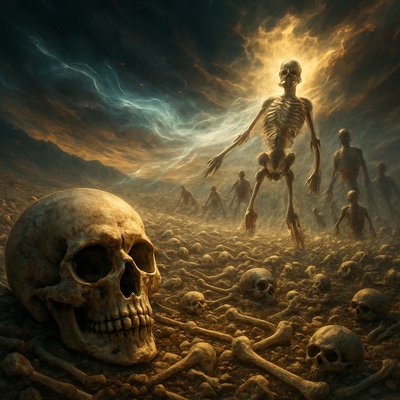
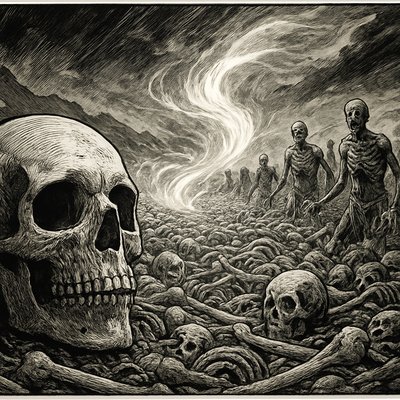
An incredibly detailed and profound scene depicting the Vision of the Dry Bones from Ezekiel 37. The immediate foreground features a stark, highly detailed close-up of a single ancient human skull, its empty eye sockets gazing out, perfectly rendered with realistic bone texture. Beyond this skull, stretching into the mid-ground, a vast, desolate valley is entirely carpeted with an immense, sprawling expanse of countless other ancient, stark white human bones and skulls. A powerful, divine wind (ruach), emanating an ethereal, sacred glow, swirls violently through this boneyard. This divine energy causes the bones to dramatically rattle, shift, and miraculously knit together, forming complete skeletons. Further in the background, some of these skeletons have already begun to rapidly form tendons, flesh, and skin, starting to rise as part of a nascent, colossal army. The sky above is dramatic and ominous, with streaks of divine light breaking through thick clouds. The overall mood is one of overwhelming desolation, followed by the initial, awe-inspiring moments of miraculous transformation and the promise of life."
A porcelain doll
Saint's vision
Banquet table with oysters and wine
Heritage roses with botanical details
urban street with city activity
animal standing in natural pose
wide landscape with natural scenery
portrait of a person with expressive eyes
Lovers on castle balcony

“For none of us liveth to himself, and no man dieth to himself. For whether we live, we live unto the Lord; and whether we die, we die unto the Lord: whether we live therefore, or die, we are the Lord's.” (Romans 14:7-8, KJVA)
a painting of a skeleton holding a book
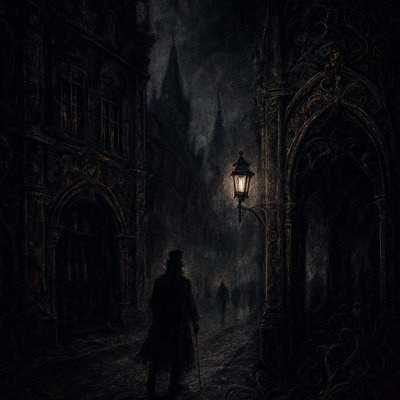
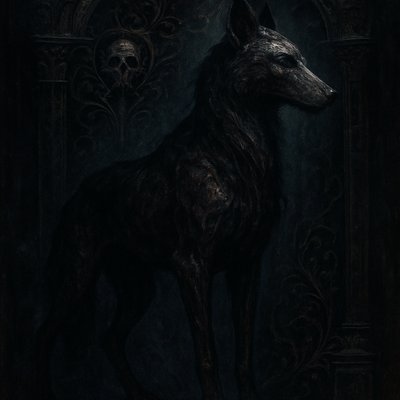
Dark Gothic Art Style Transfer Example
a tree in nature
house with front view
Skateboarding cat
Vampire aristocrat in moonlit castle
First love confession
bicyle resting against a wall
portrait of two people together
still life with everyday objects
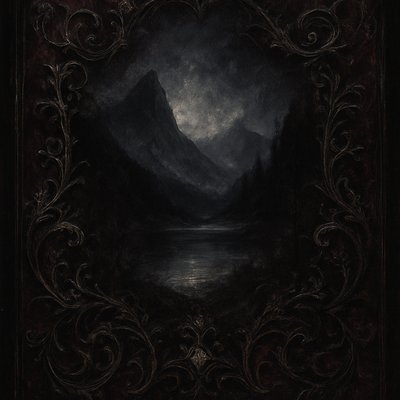
serene landscape with mountains and water
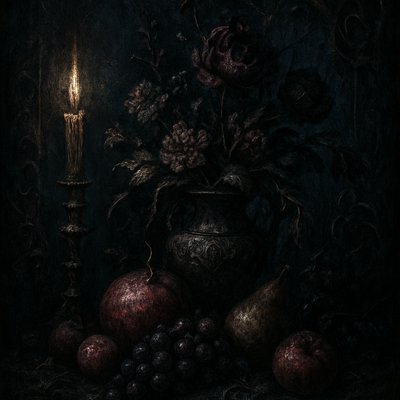
still life arrangement of fruits and flowers
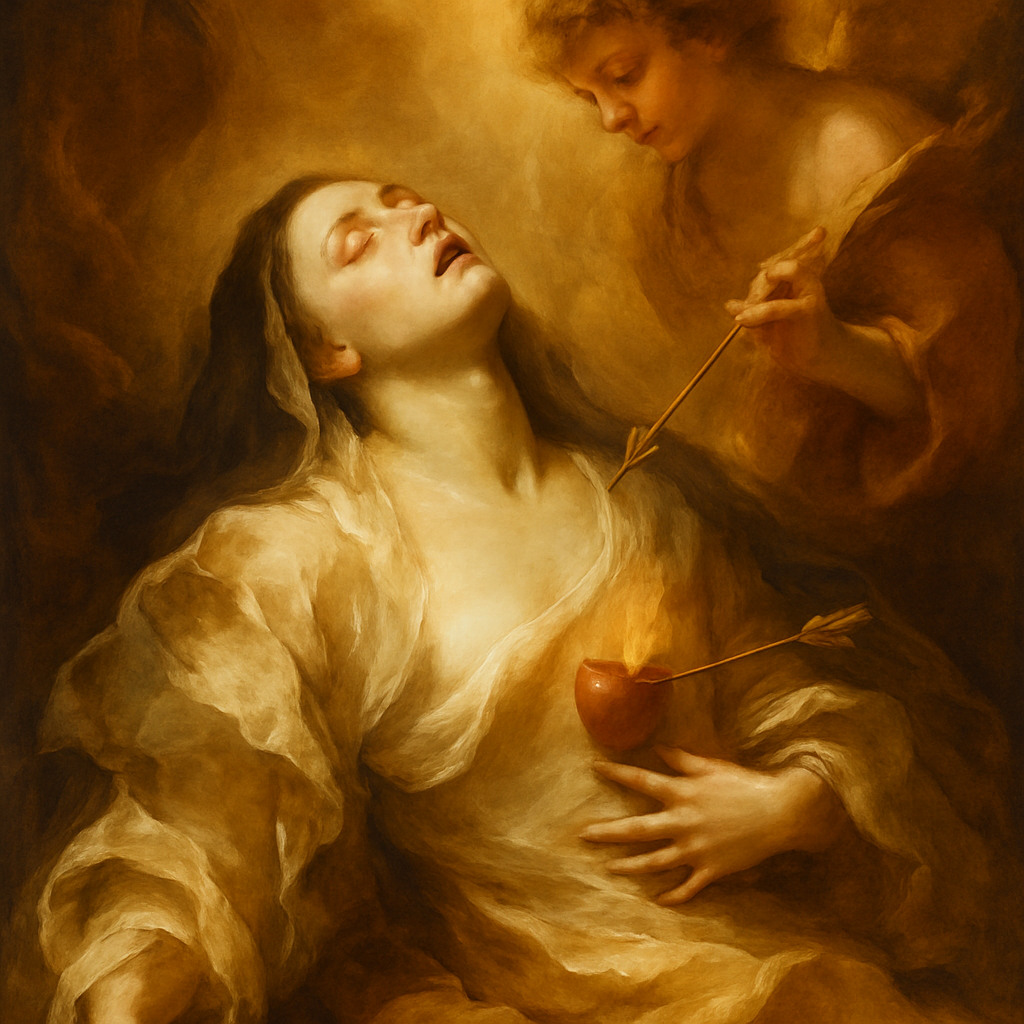
Mystic's divine union
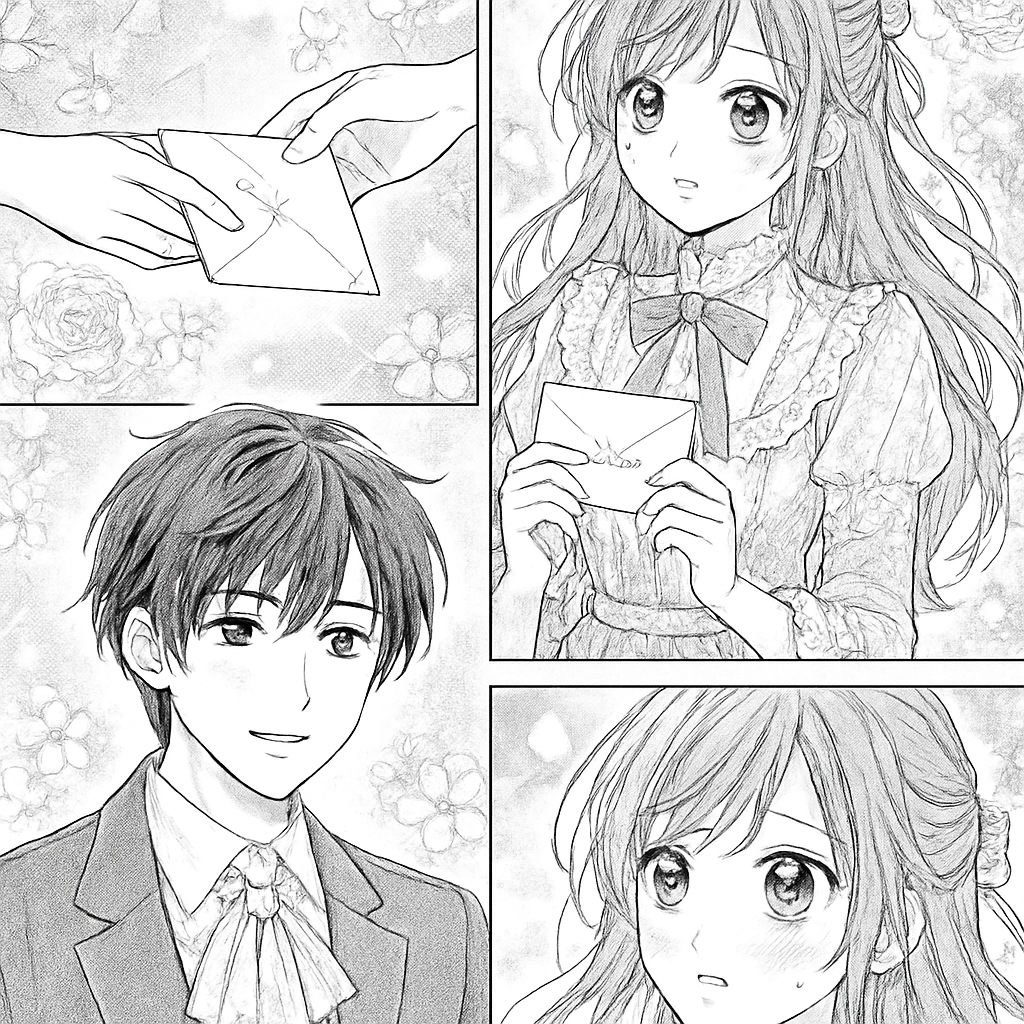
Love letter confession scene
Smiling bubble tea