Pull Along Wooden Duck Art

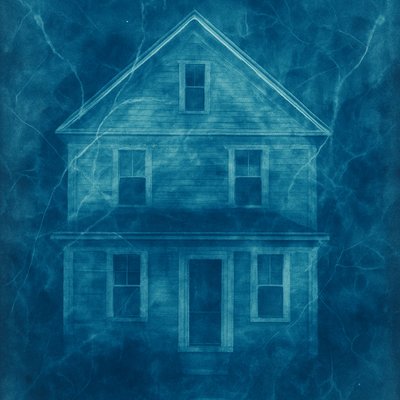
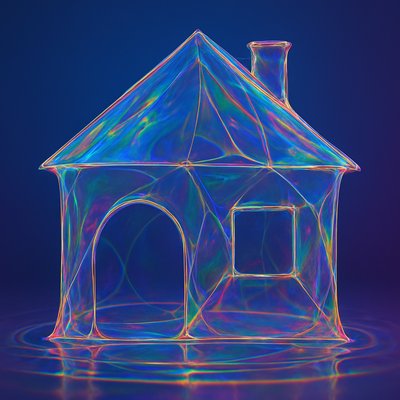
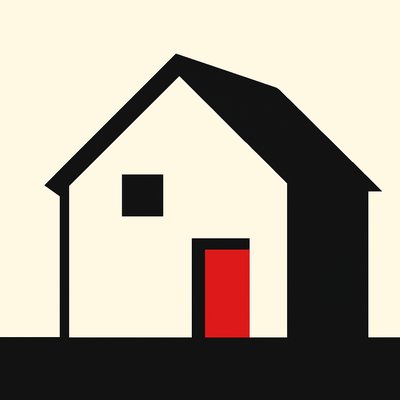
house with front view
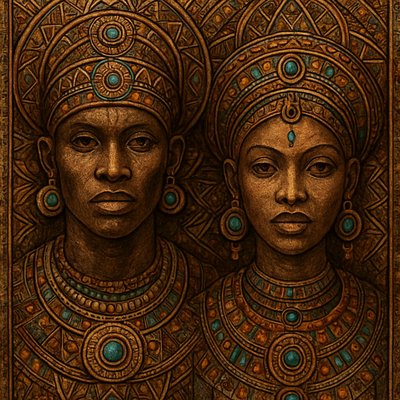
portrait of two people together
animal standing in natural pose
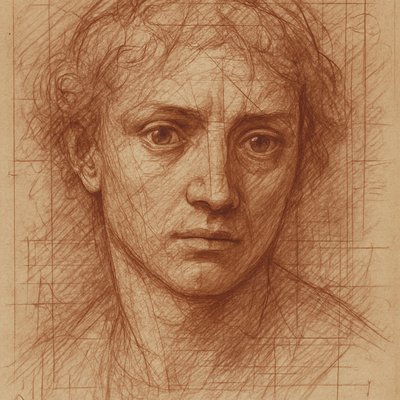
portrait of a person with expressive eyes
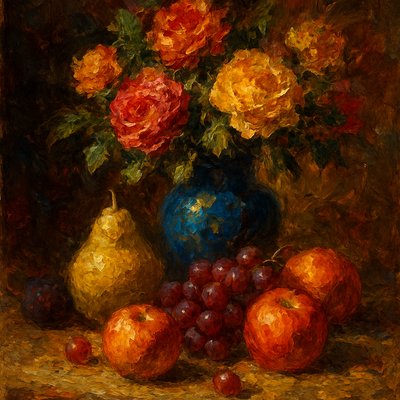
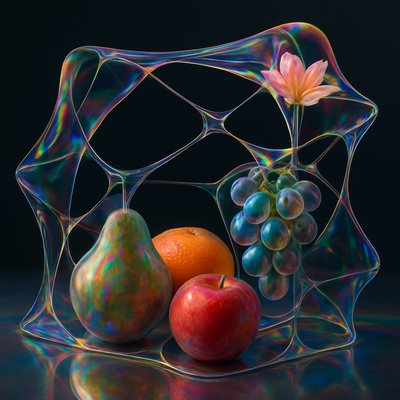
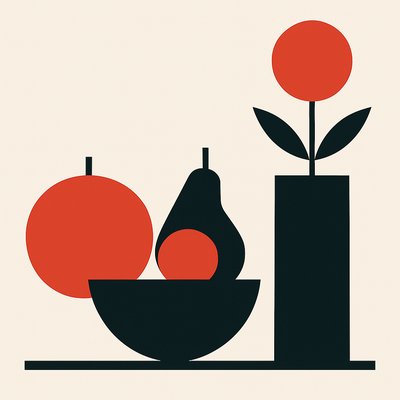
still life arrangement of fruits and flowers
women working during world war 2
It is better to dwell in the corner of the housetop, than with a brawling woman and in a wide house.
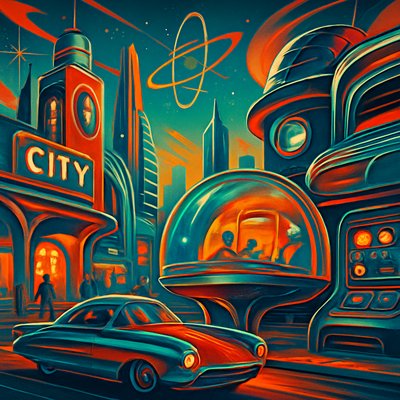
Solar city rhythm
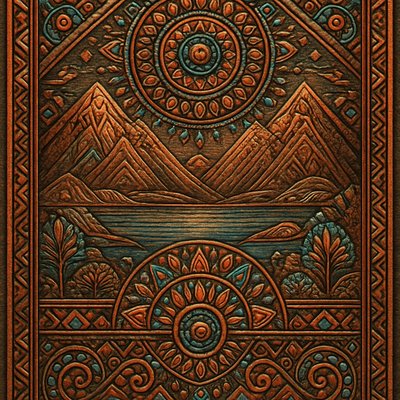
Wood carving of mythical creatures and legends in the art style of Folk Art --v 6.1
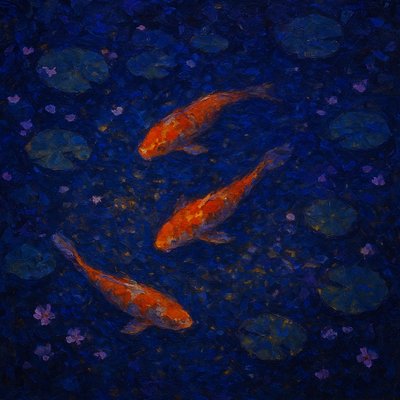
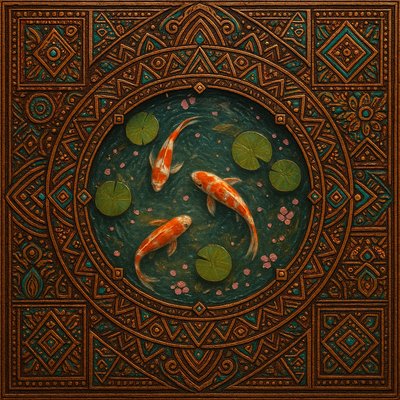
A koi pond seen from above, orange and white koi fish swimming among lily pads, clear water with subtle ripples, fallen cherry blossom petals floating on the surface, dappled sunlight
women working during world war 2
a painting of a man standing in front of a wall
Bohemian Furniture Art Style Transfer Example
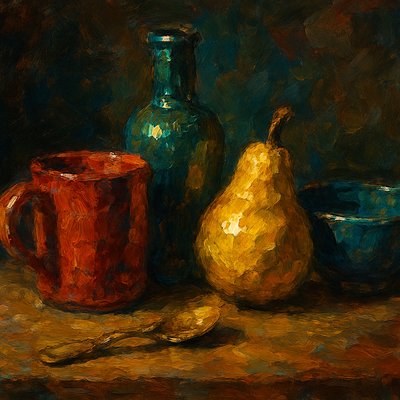
still life with everyday objects
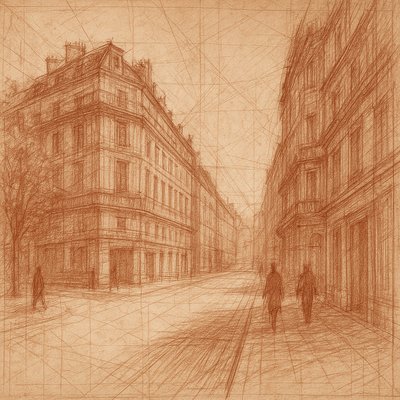
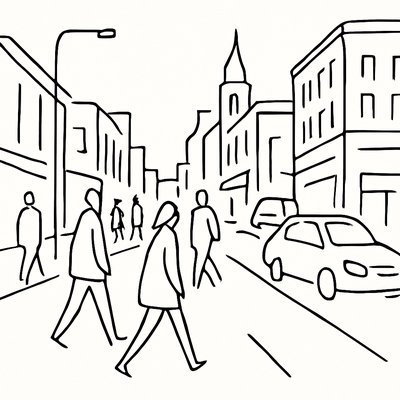
urban street with city activity
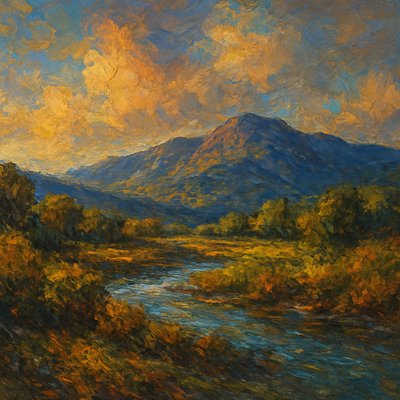
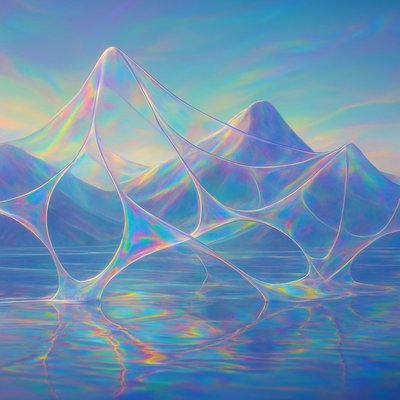
serene landscape with mountains and water
portrait of a person with expressive eyes
Art Style: Analytical Cubism, avant-garde oil painting style reminiscent of Picasso and Braque.

Subject: A dense, tangled thicket of Rhododendrons and Mountain Laurel bushes.

Composition & Details: The entire natural scene is deconstructed into overlapping geometric planes, fractured shards, and intersecting angles. There are no curved lines; everything is rendered in cubes, cones, and trapezoids.

    The Rhododendrons: Large, showy flower trusses are broken into faceted crystalline structures of deep magenta, rose pink, and violet blocks, looking like explosions of colored quartz rather than soft petals.

    The Mountain Laurels: The smaller, intricate flowers are rendered as complex, repeating geometric star-patterns and angular cups in white and pale pink with distinct red polygonal markings.

    Foliage & Branches: The thick, leathery leaves are fragmented green triangles and parallelograms overlapping each other, creating a sense of depth without traditional perspective. The woody stems and branches are jagged, intersecting brown and grey cylinders that shatter across the frame.
Color & Texture: A palette of muted earth tones—ochre, burnt umber, forest green, and slate grey—contrasted sharply with the jewel-toned facets of the flower colors. The finish should have a heavy, textured oil paint feel with visible palette knife marks and rough brushwork.
The feeling of dawn
Mountain range
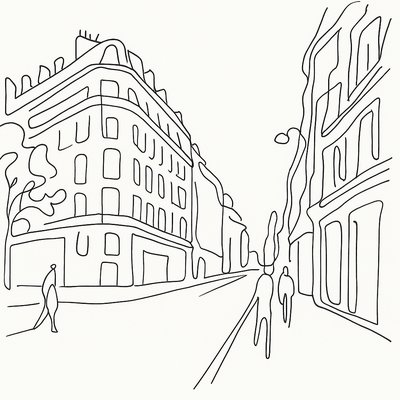
New York City
Palm-sized mythical horse figurine, anatomically correct with gentle pose and calm expression, subtle wings, minimalist fantasy style, whimsical and serene, soft studio lighting with shallow depth of field, plain background, limited colors, high but restrained detail
Woe unto them that call evil good, and good evil; that put darkness for light, and light for darkness; that put bitter for sweet, and sweet for bitter!

"The world is in greater peril from those who tolerate or encourage evil than from those who actually commit it."

DO NOT PUT WORDS IN THE IMAGE
Coastal Interior Design Style Transfer Example
portrait of two people together
urban street with city activity
still life arrangement of fruits and flowers
Now, those captains must learn what the river will do
when it makes that great turn out of sight.
How it dashes them up on the rocks of the shore
How it spins to the left and the right.
It beats them and breaks them and crushes their pride
Leaves them dizzy and sick and all jumbled inside
‘til they’ve all but forgotten that glorious ride
lying flat on their deck in the sun.
There they lie, drying out in the sun.

As you round the point where the river was bent
and survey the great wideness ahead,
you can see all those captains alone on their decks,
beat and broken and very near dead.

Then the current takes hold and there’s naught you can do
as it drags you down into its maw.
Headed straight for those rocks, you make ready to crash

but at last, you rise up, roll and yaw.

Going back and away, then forward again,
fearing each time, the rocks will prevail!
You’re trapped in a cycling, circling tide,
in an eddy withstanding a gale.
But each time you circle that great whirling tide
and you’ve not hit the rocks or been thrown to the side
and you’re kept from the falls, cascading and wide,
for the eddy’s small mercy give praise.
Give the merciful currents your praise!
Los Angeles
A forest with hidden spirits
A koi pond seen from above, orange and white koi fish swimming among lily pads, clear water with subtle ripples, fallen cherry blossom petals floating on the surface, dappled sunlight
Wood carving of mythical creatures and legends in the art style of Folk Art --v 6.1
Art Style: Analytical Cubism, avant-garde oil painting style reminiscent of Picasso and Braque.

Subject: A dense, tangled thicket of Rhododendrons and Mountain Laurel bushes.

Composition & Details: The entire natural scene is deconstructed into overlapping geometric planes, fractured shards, and intersecting angles. There are no curved lines; everything is rendered in cubes, cones, and trapezoids.

    The Rhododendrons: Large, showy flower trusses are broken into faceted crystalline structures of deep magenta, rose pink, and violet blocks, looking like explosions of colored quartz rather than soft petals.

    The Mountain Laurels: The smaller, intricate flowers are rendered as complex, repeating geometric star-patterns and angular cups in white and pale pink with distinct red polygonal markings.

    Foliage & Branches: The thick, leathery leaves are fragmented green triangles and parallelograms overlapping each other, creating a sense of depth without traditional perspective. The woody stems and branches are jagged, intersecting brown and grey cylinders that shatter across the frame.

Color & Texture: A palette of muted earth tones—ochre, burnt umber, forest green, and slate grey—contrasted sharply with the jewel-toned facets of the flower colors. The finish should have a heavy, textured oil paint feel with visible palette knife marks and rough brushwork.
Art Style: Analytical Cubism, avant-garde oil painting style reminiscent of Picasso and Braque.

Subject: A dense, tangled thicket of Rhododendrons and Mountain Laurel bushes.

Composition & Details: The entire natural scene is deconstructed into overlapping geometric planes, fractured shards, and intersecting angles. There are no curved lines; everything is rendered in cubes, cones, and trapezoids.

    The Rhododendrons: Large, showy flower trusses are broken into faceted crystalline structures of deep magenta, rose pink, and violet blocks, looking like explosions of colored quartz rather than soft petals.

    The Mountain Laurels: The smaller, intricate flowers are rendered as complex, repeating geometric star-patterns and angular cups in white and pale pink with distinct red polygonal markings.

    Foliage & Branches: The thick, leathery leaves are fragmented green triangles and parallelograms overlapping each other, creating a sense of depth without traditional perspective. The woody stems and branches are jagged, intersecting brown and grey cylinders that shatter across the frame.

Color & Texture: A palette of muted earth tones—ochre, burnt umber, forest green, and slate grey—contrasted sharply with the jewel-toned facets of the flower colors. The finish should have a heavy, textured oil paint feel with visible palette knife marks and rough brushwork.
Art Style: Analytical Cubism, avant-garde oil painting style reminiscent of Picasso and Braque.

Subject: A dense, tangled thicket of Rhododendrons and Mountain Laurel bushes.

Composition & Details: The entire natural scene is deconstructed into overlapping geometric planes, fractured shards, and intersecting angles. There are no curved lines; everything is rendered in cubes, cones, and trapezoids.

    The Rhododendrons: Large, showy flower trusses are broken into faceted crystalline structures of deep magenta, rose pink, and violet blocks, looking like explosions of colored quartz rather than soft petals.

    The Mountain Laurels: The smaller, intricate flowers are rendered as complex, repeating geometric star-patterns and angular cups in white and pale pink with distinct red polygonal markings.

    Foliage & Branches: The thick, leathery leaves are fragmented green triangles and parallelograms overlapping each other, creating a sense of depth without traditional perspective. The woody stems and branches are jagged, intersecting brown and grey cylinders that shatter across the frame.

Color & Texture: A palette of muted earth tones—ochre, burnt umber, forest green, and slate grey—contrasted sharply with the jewel-toned facets of the flower colors. The finish should have a heavy, textured oil paint feel with visible palette knife marks and rough brushwork.