Plush Toy Art Style Transfer Example Art

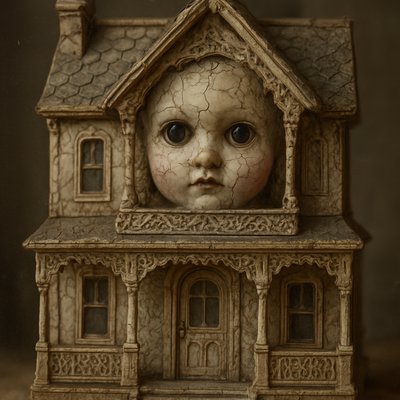
house with front view
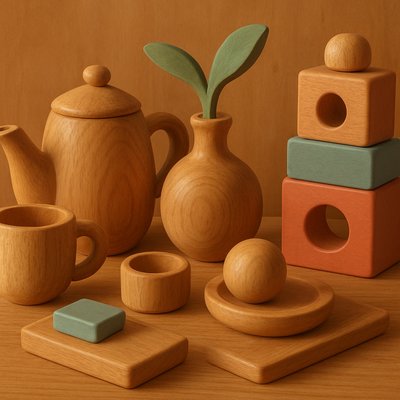
still life with everyday objects
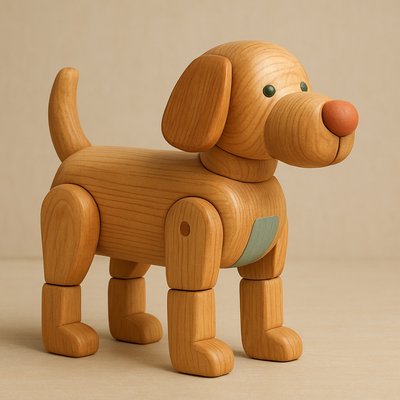
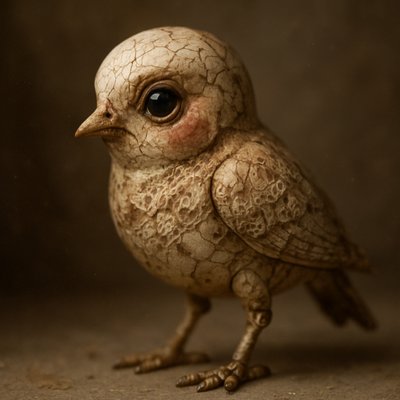
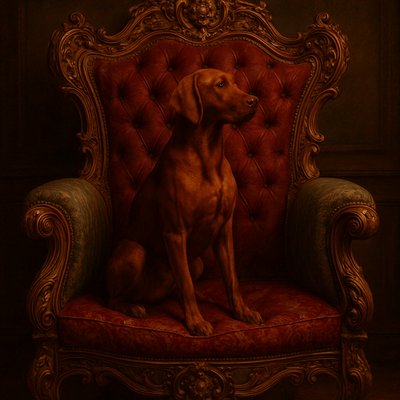
animal standing in natural pose
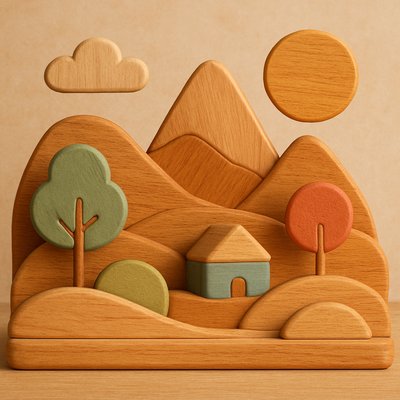
wide landscape with natural scenery
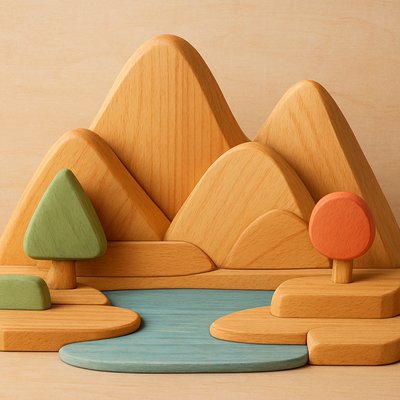
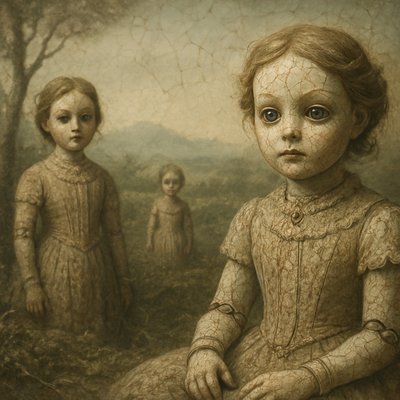
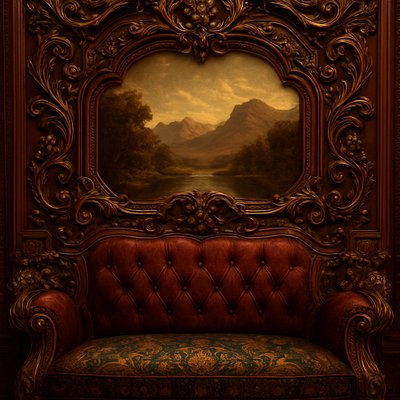
serene landscape with mountains and water
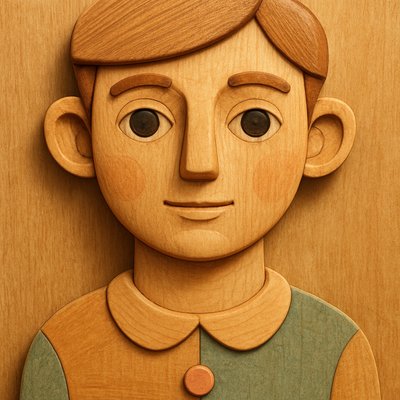
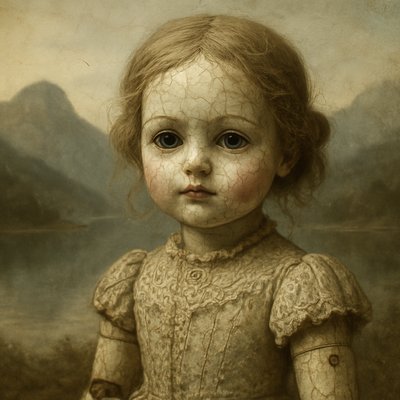
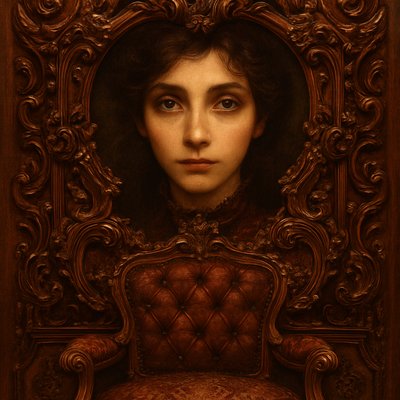
portrait of a person with expressive eyes
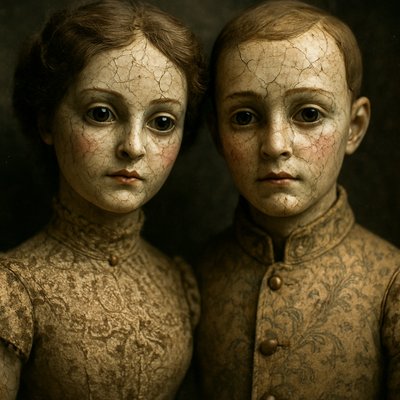
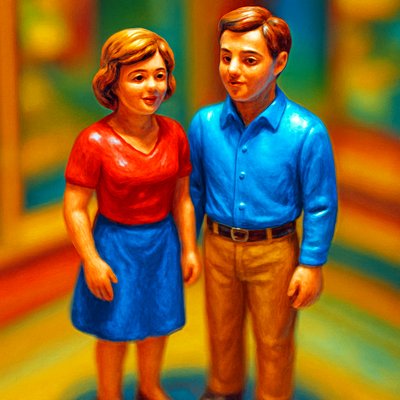
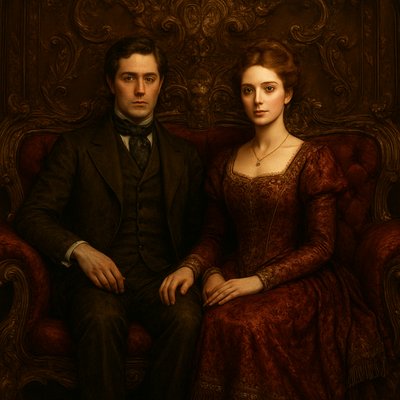
portrait of two people together
animal standing in natural pose
wide landscape with natural scenery
serene landscape with mountains and water
a tree in nature
house with front view
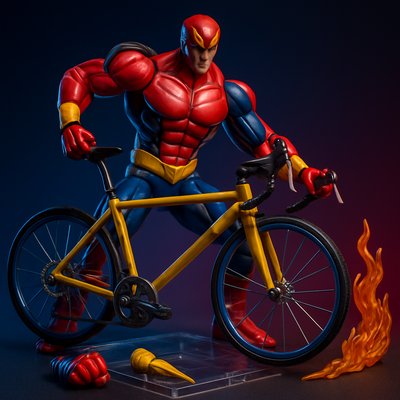
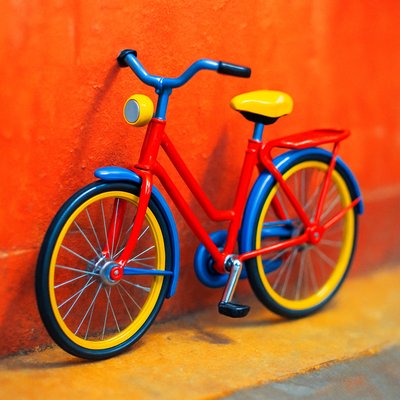
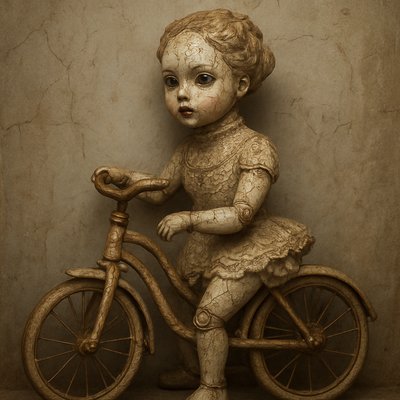
bicyle resting against a wall
portrait of two people together
still life with everyday objects

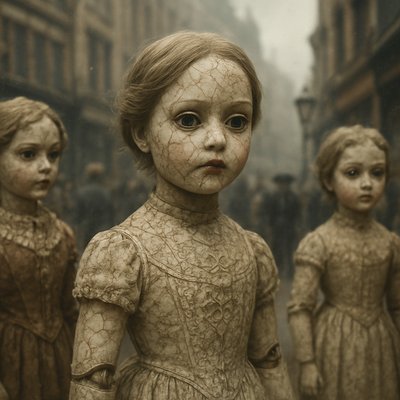
urban street with city activity
portrait of a person with expressive eyes
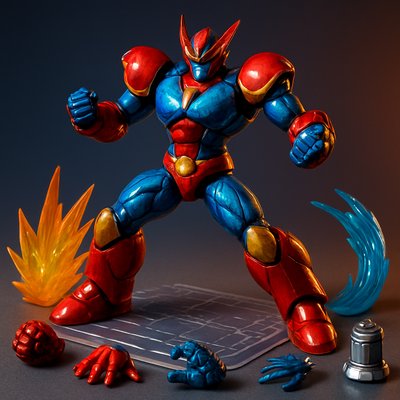
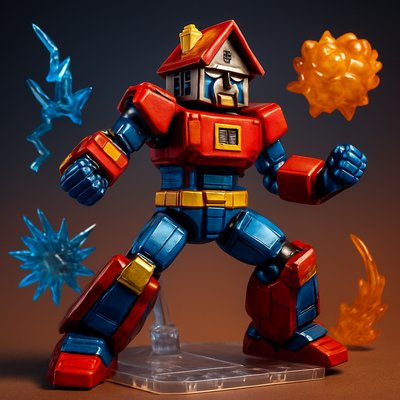
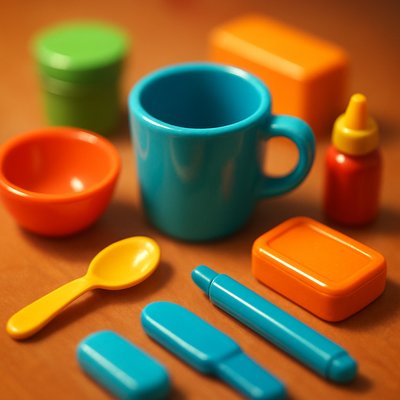
Sculpture made from mass-produced plastic toys in the art style of Neo-Pop Art --v 6.1
a tree in nature
house with front view
bicyle resting against a wall
urban street with city activity
still life with everyday objects
portrait of a person with expressive eyes
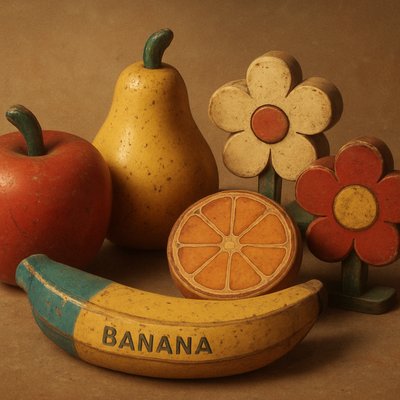
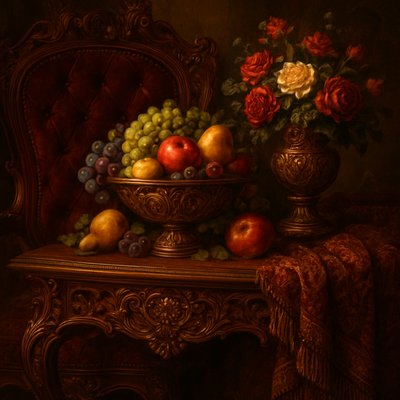
still life arrangement of fruits and flowers
Dream landscape
autobrush on masterpieces
New York City
portrait of two people together
still life with everyday objects
animal standing in natural pose
serene landscape with mountains and water
still life arrangement of fruits and flowers
house with front view
a tree in nature
serene landscape with mountains and water
portrait of a person with expressive eyes
still life arrangement of fruits and flowers
A detailed, ancient-style map of the land of Canaan, with distinct, labeled territories for the Hivites, Arkite, and Sinite people groups. Each territory should have subtle visual cues reflecting their possible historical characteristics or natural environments. For example, the Hivite territory could show some hilly or forested areas, the Arkite territory might feature a coastal city, and the Sinite territory could suggest a more inland or mountainous region. The map should have a weathered, parchment-like texture, with an elegant, old-world font for the labels. In one corner, a small, illuminated manuscript-style illustration could depict three distinct figures, each subtly representing one of the groups, perhaps dressed in period-appropriate attire and engaging in an activity typical of their region. The overall aesthetic should evoke historical scholarship and cartography."
a tree in nature