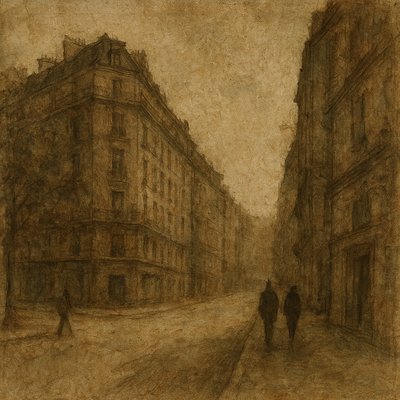
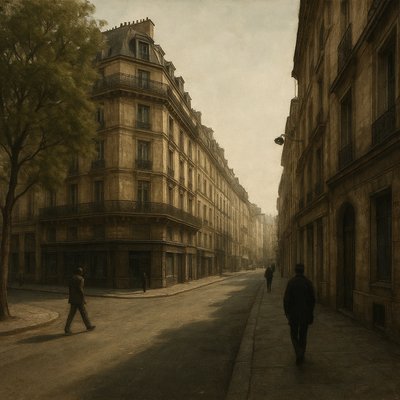
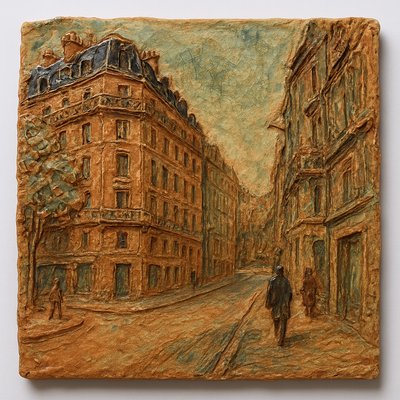
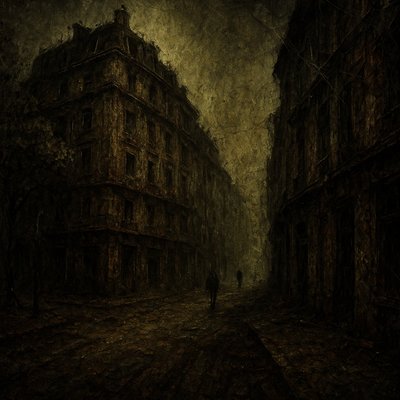
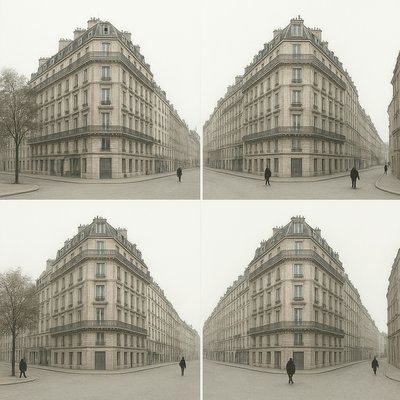
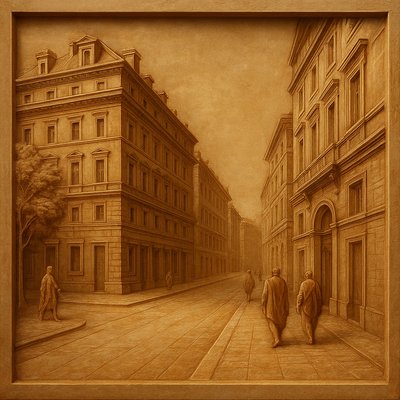
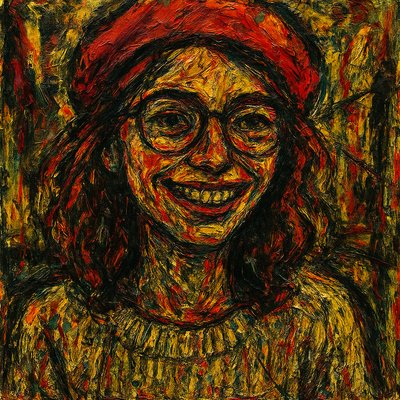
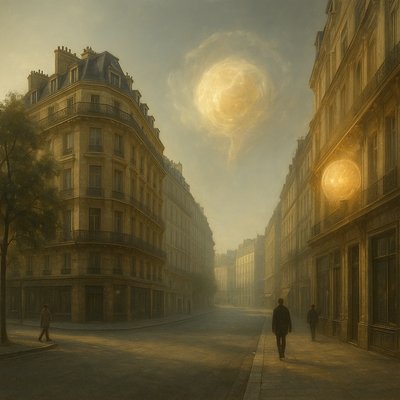
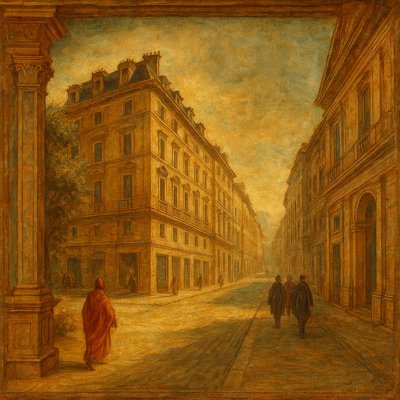
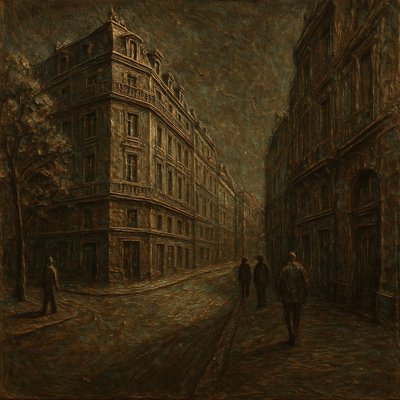
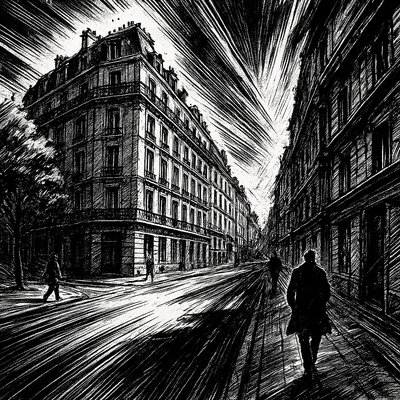
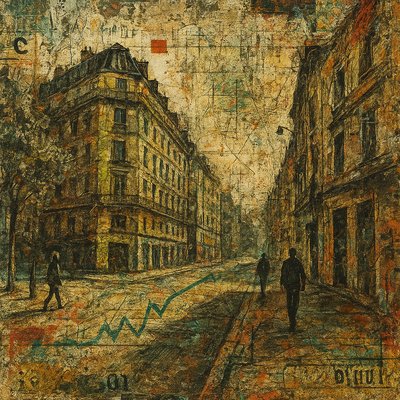
Oil Painting Art Style Style Transfer Example Art

Folk Art Style Style Transfer Example
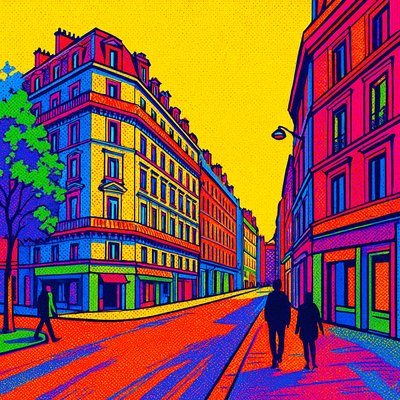
Precisionism Art Style Style Transfer Example
Cubism Art Style Style Transfer Example
Constructivism Art Style Style Transfer Example
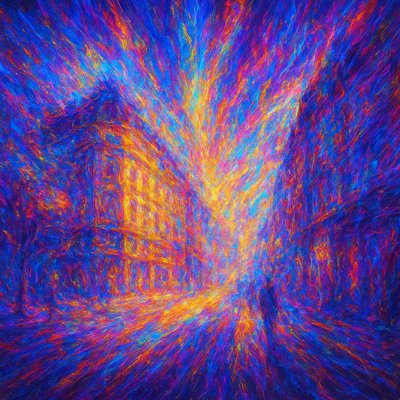
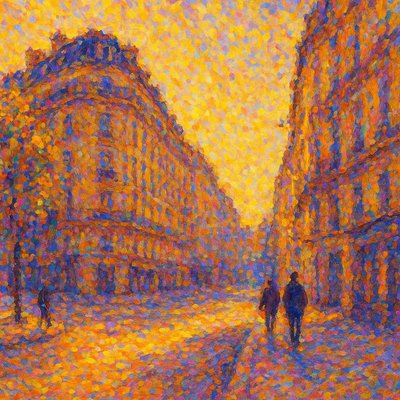
Impressionism Art Style Style Transfer Example
Transgressive Art Style Style Transfer Example
Neoclassicism Art Style Style Transfer Example
Land Art Style Style Transfer Example
Blocky Art Style Style Transfer Example
Pastel Art Style Style Transfer Example
Conceptual Art Style Style Transfer Example
Hyperrealism Art Style Style Transfer Example
Pixel Art Style Style Transfer Example
Romanticism Art Style Style Transfer Example
Postmodernism Art Style Style Transfer Example
Surrealism Art Style Style Transfer Example
Afrofuturism Art Style Style Transfer Example
Maximalism Art Style Style Transfer Example
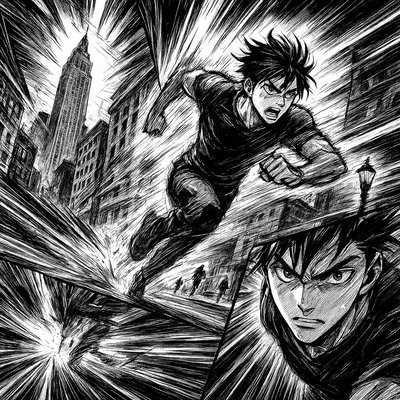
Manga Art Style Style Transfer Example
Bauhaus Art Style Style Transfer Example
Dada Art Style Style Transfer Example
Modernism Art Style Style Transfer Example
Abstract Art Style Style Transfer Example
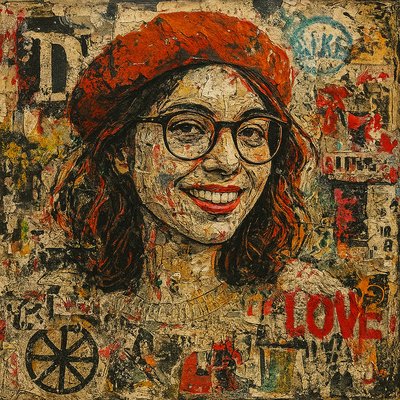
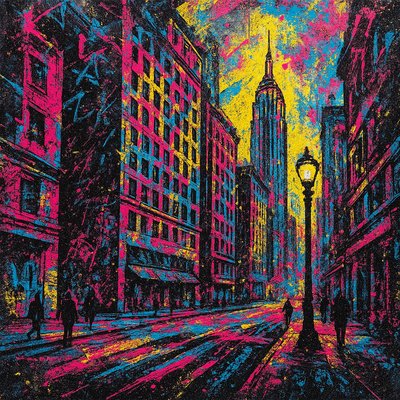
Street Art Style Style Transfer Example
Art Nouveau Style Style Transfer Example
Cyberpunk Art Style Style Transfer Example
Fauvism Art Style Style Transfer Example
Performance Art Style Style Transfer Example
Art Brut Style Style Transfer Example
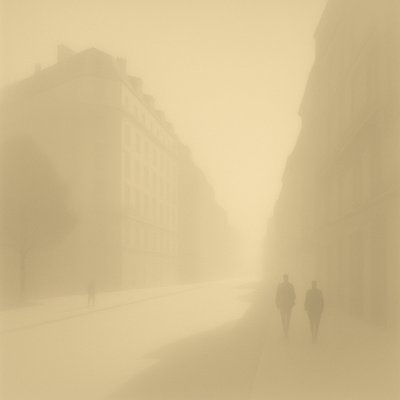
Tonalism Art Style Style Transfer Example
Glitch Art Style Style Transfer Example
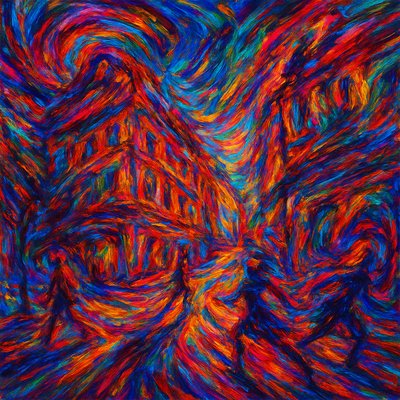
Tachisme Art Style Style Transfer Example
Kinetic Art Style Style Transfer Example
ASCII Art Style Style Transfer Example
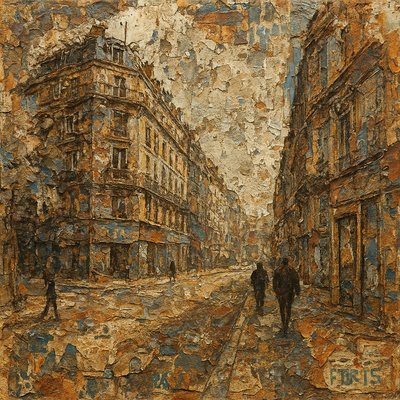
Arte Povera Art Style Style Transfer Example
A historically accurate and atmospheric depiction of the signing of the Mayflower Compact aboard the ship in November 1620. The scene is set in the dimly lit, cramped cabin of the Mayflower, with the ship's timbers and rigging subtly visible, conveying the challenging conditions of the voyage. A simple table or chest serves as the signing surface. The primary focus is on a small group of the last individuals signing the document: specifically, the indentured servants (or 'strangers' not directly part of the Separatist congregation) approaching or at the table. Their expressions show a mix of weary determination, understanding of the necessity, and perhaps a hint of quiet apprehension or resignation to this new social contract, given their status. They are dressed in the plain, practical clothing typical of 17th-century commoners and laborers. Figures of prominent Pilgrims or 'Saints' (like William Bradford or John Carver) are visible in the background, observing the proceedings with a sense of gravity and leadership, but they are not the central focus. The lighting is low and warm, perhaps from a lantern, creating a chiaroscuro effect that highlights the faces of the signers. The atmosphere conveys the momentousness of the act under difficult circumstances, the diverse composition of the group, and the early seeds of self-governance in a new world. The artistic style is a realistic, historically detailed oil painting, capturing the solemnity and human element of this pivotal historical moment."

Webcomic Art Style Transfer Example
A historically accurate and atmospheric depiction of the signing of the Mayflower Compact aboard the ship in November 1620. The scene is set in the dimly lit, cramped cabin of the Mayflower, with the ship's timbers and rigging subtly visible, conveying the challenging conditions of the voyage. A simple table or chest serves as the signing surface. The primary focus is on a small group of the last individuals signing the document: specifically, the indentured servants (or 'strangers' not directly part of the Separatist congregation) approaching or at the table. Their expressions show a mix of weary determination, understanding of the necessity, and perhaps a hint of quiet apprehension or resignation to this new social contract, given their status. They are dressed in the plain, practical clothing typical of 17th-century commoners and laborers. Figures of prominent Pilgrims or 'Saints' (like William Bradford or John Carver) are visible in the background, observing the proceedings with a sense of gravity and leadership, but they are not the central focus. The lighting is low and warm, perhaps from a lantern, creating a chiaroscuro effect that highlights the faces of the signers. The atmosphere conveys the momentousness of the act under difficult circumstances, the diverse composition of the group, and the early seeds of self-governance in a new world. The artistic style is a realistic, historically detailed oil painting, capturing the solemnity and human element of this pivotal historical moment."
Victorian Oil Painting Art Style, Historical Digital Art Style, a rich and detailed full-body portrait of the famous giantess Anna Swan standing in the center of a lavish, gaslit exhibition hall at P.T. Barnum's American Museum in the 1860s. She is towering over the surrounding crowd of average-sized gentlemen in top hats and ladies in bonnets, whose heads only reach her waistline; they look up at her with expressions of awe and curiosity. Anna is dressed with immense dignity in a fashionable, expansive Victorian silk gown with a crinoline hoop skirt, tailored bodice, and lace trim. Her face is gentle, intelligent, and composed. The background is crowded with heavy red velvet drapery, gilded architectural details, curiosities in glass cases, and painted circus banners faintly visible. The lighting is warm, dramatic gaslight, creating deep shadows and highlighting the rich fabrics and the incredible scale of Anna Swan compared to her environment.
Garden Impressionism Art Style Style Transfer Example