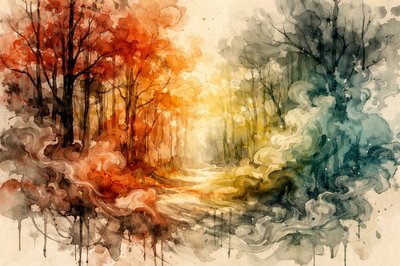
Neo Romanticism Art

still life with everyday objects
wide landscape with natural scenery
portrait of a person with expressive eyes
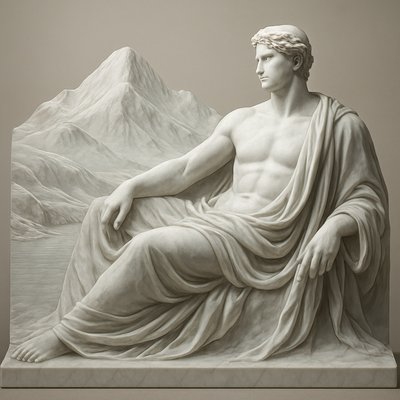
serene landscape with mountains and water
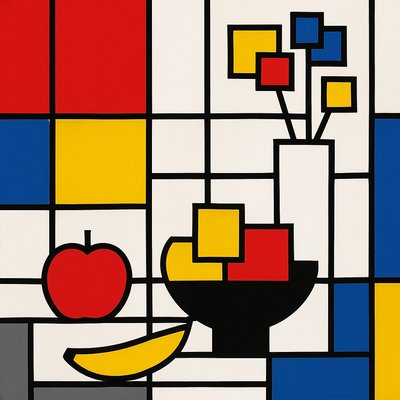
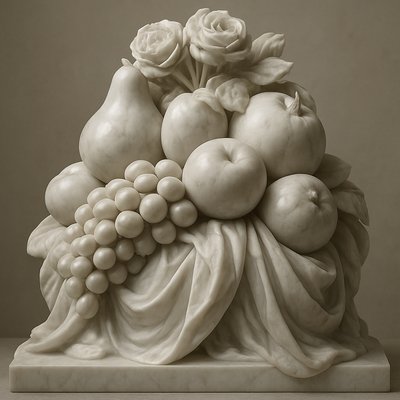
still life arrangement of fruits and flowers
1950s circle skirt ensemble
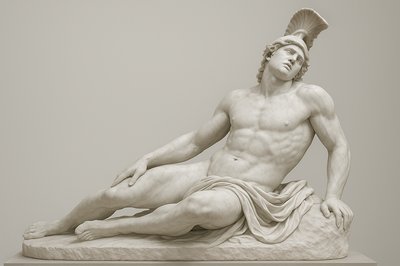
a statue of a man with a hat on his head
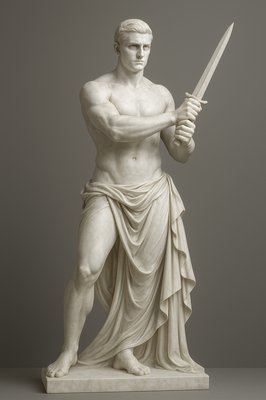
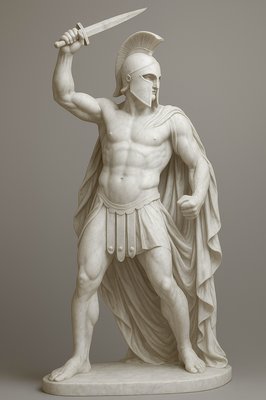
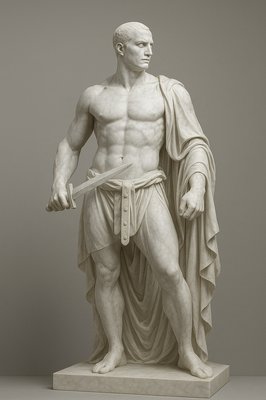
a statue of a man holding a sword
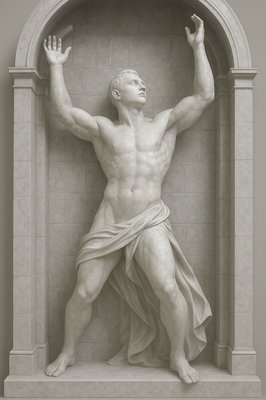
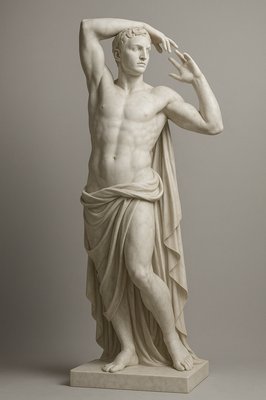
a statue of a man with his hands up
a statue of a man with a towel on his head
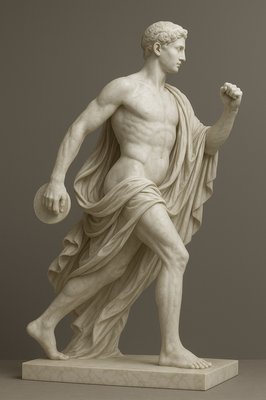
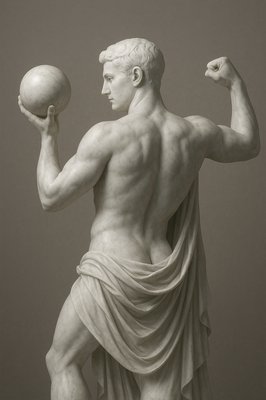
a statue of a man with a ball in his hand
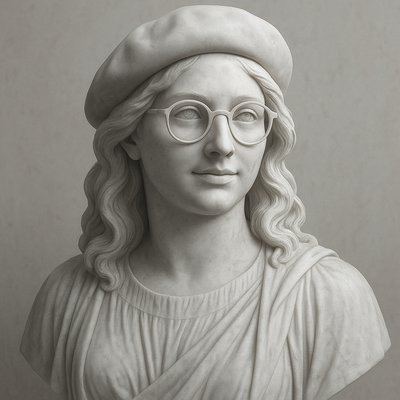
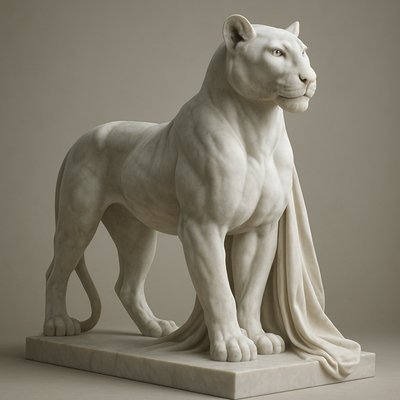
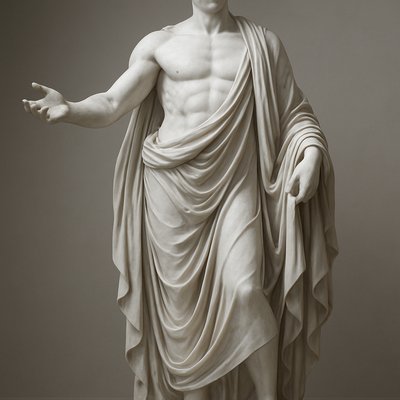
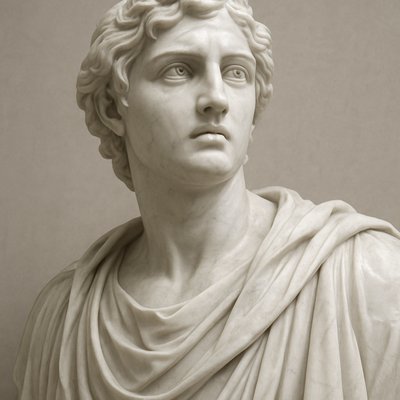
Classical Marble Sculpture Art Style Style Transfer Example
animal standing in natural pose
serene landscape with mountains and water
still life arrangement of fruits and flowers
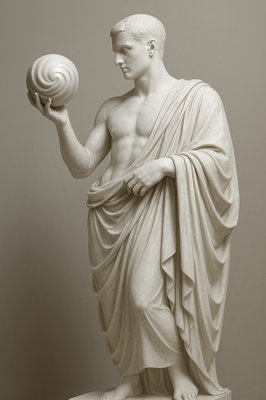
a statue of a man holding a ball
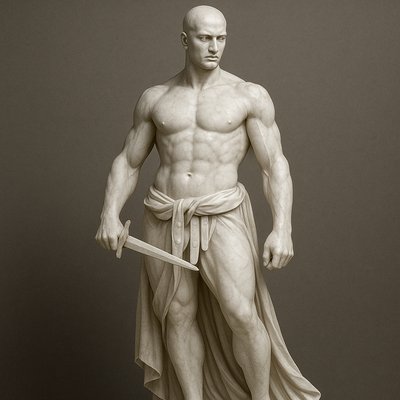
a statue of a man holding a sword
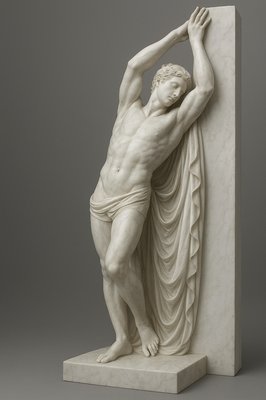
a statue of a man leaning against a wall
a statue of a man holding a ball
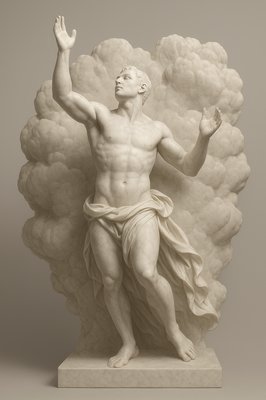
a statue of a man with clouds behind him
a statue of a man with a sword
a statue of a man holding a sword
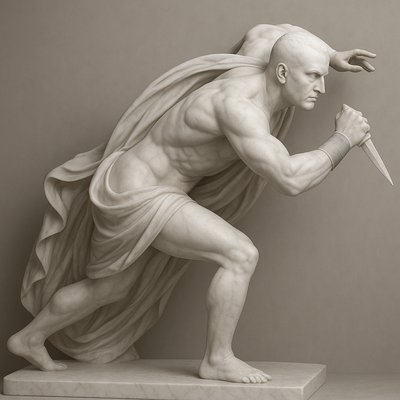
a statue of a man holding a knife
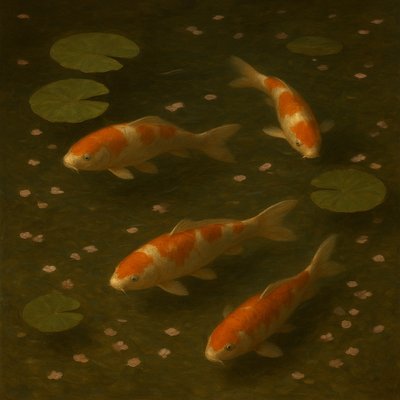
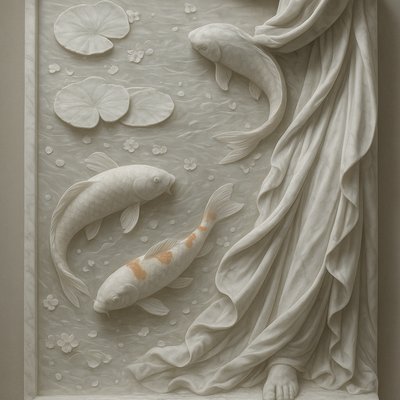
A koi pond seen from above, orange and white koi fish swimming among lily pads, clear water with subtle ripples, fallen cherry blossom petals floating on the surface, dappled sunlight

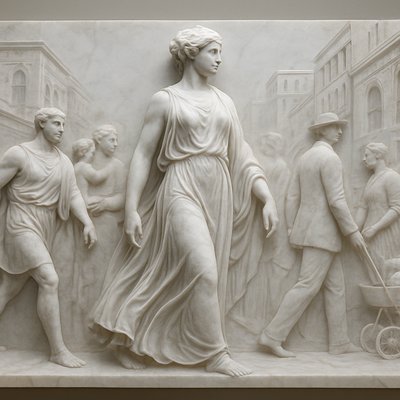
urban street with city activity
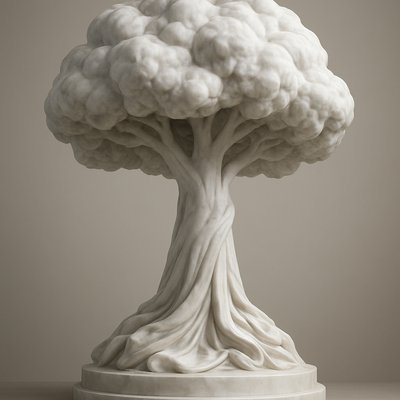
a tree in nature
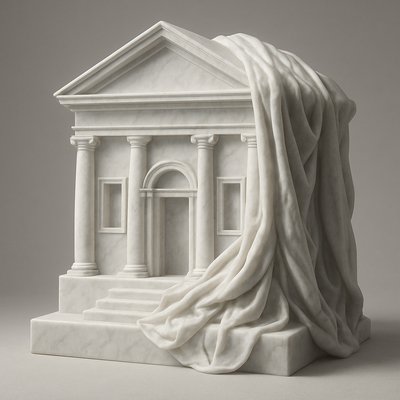
house with front view
bicyle resting against a wall
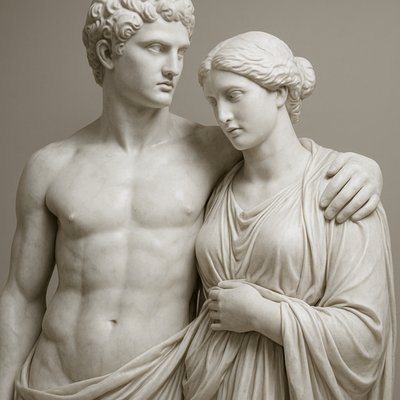
portrait of two people together
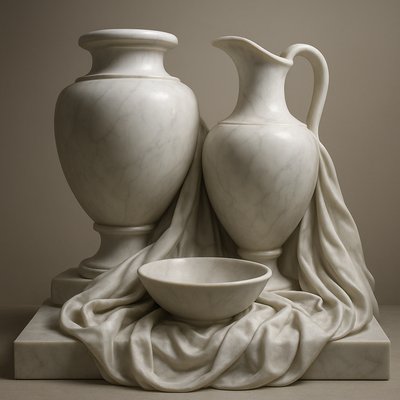
still life with everyday objects
wide landscape with natural scenery
portrait of a person with expressive eyes
A koi pond seen from above, orange and white koi fish swimming among lily pads, clear water with subtle ripples, fallen cherry blossom petals floating on the surface, dappled sunlight
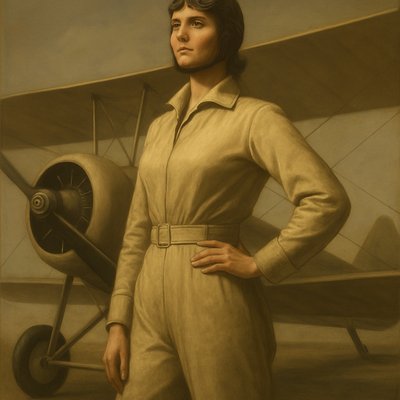
A statuesque, heroic portrait of Lady Mary Bailey (the aviator) standing confidently by her small biplane, the De Havilland Moth.

Style: Neoclassical painting emphasizing idealized forms, clear lines, balanced composition, and muted color palettes (such as marble white, deep blues, and sepia tones). The figures and machine should look elegant and timeless, like a heroic ancient myth.
A photo-realistic image of the crumbling adobe ruins of Fort Lowell, New Mexico, nestled in a desolate, high desert landscape. The sun is setting, casting long, dramatic shadows. Include sparse, authentic 19th-century military supplies scattered in the foreground. Style: Hyper-detailed, cinematic, volumetric lighting.
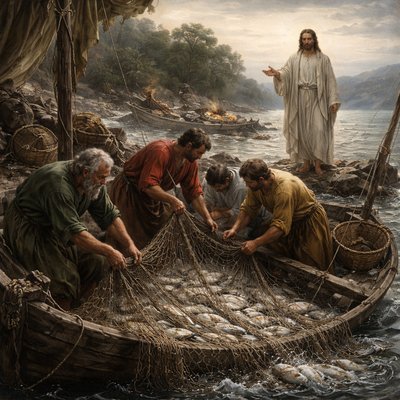
And he (Jesus) said unto them, Cast the net on the right side of the ship, and ye shall find. They cast therefore, and now they were not able to draw it for the multitude of fishes. 
(John 21:6 KJV)
In days to come I stood amazed, walking through that forest, at the blazing symphony of color it brought forth, seemingly just for me.  I grew to love my friend’s words in a new way, through the astounding beauty of the spectacle he knew was coming when he said them.  I was young then, and didn’t know I had many autumns ahead of me.
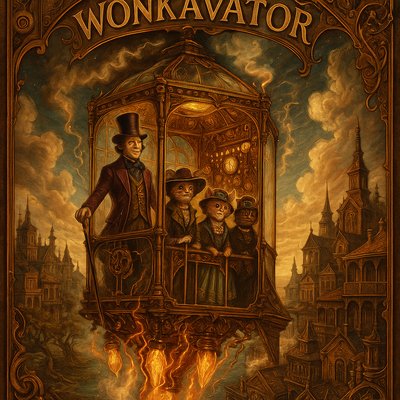
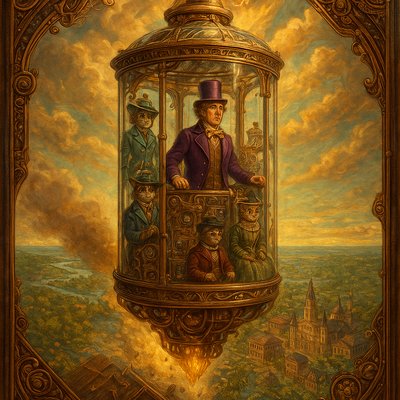
An awe-inspiring and whimsical scene featuring Willy Wonka's Great Glass Wonkavator, soaring high above Louisiana and ascending into a fantastical sky. The Wonkavator itself is a magnificent, multi-directional glass elevator, transparent and sparkling, with Willy Wonka (in his iconic purple coat and top hat), and several  cats in stylish New Orleans clothing clearly visible and enjoying the ride inside. The interior of the Wonkavator shows intricate, whimsical control panels. The Wonkavator is depicted in mid-flight, having just burst through the factory roof or rising above the clouds. Below it, the fantastical landscape of the Bayou and various whimsical buildings from the city of New Orleans. Beyond is the ocean. The lighting is bright and magical, emphasizing the glass's transparency and the vibrant colors of the world below and beyond. The overall mood is one of boundless adventure, limitless possibilities, and pure, joyful fantasy."