Neo Conceptualism Art

Epic Adventure Photography Style, Cinematic Color Grading, Sub-Zero Atmosphere. A harrowing, dynamic wide-angle landscape photograph capturing the intensity of a long-distance dog sled race (like the Yukon Quest or Iditarod) in the dead of winter.

The Action & Subjects: A lead team of sixteen powerful Siberian Huskies and Alaskan Malamutes is charging directly toward the camera along a narrow, wind-blown trail. Their fur is heavily caked in ice and rime frost, and massive, crystalline plumes of frozen breath explode from their panting mouths. The musher, bundled in heavy, frost-covered furs and technical gear with goggles obscuring their face, leans aggressively into a turn on the sled, fighting to maintain control.

The "Cinematic Cold" Environment: The setting is a vast, unforgiving frozen riverbed surrounded by towering, snow-laden spruce trees and distant, jagged, glaciated mountain peaks. The air is thick with blowing snow and ice fog.

The Lighting & Mood: The scene is lit by the deep, biting blues and purples of polar twilight. A weak, cold orange glow from a distant, low sun just barely kisses the tops of the mountains, offering no warmth. The overall color palette is desaturated and cool. The image should feel incredibly vast, isolating, and brutally freezing. Film grain texture.
a statue of a man holding a sword
a statue of a man leaning against a wall
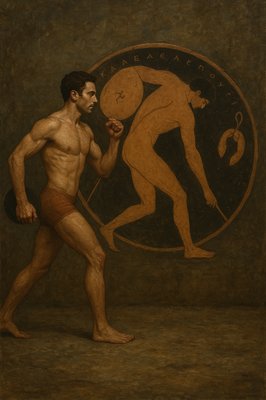
a statue of a man holding a ball
a statue of a man with clouds behind him
a statue of a man with a sword
a statue of a man holding a sword
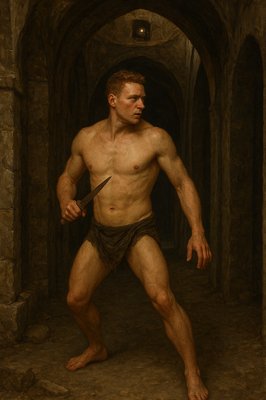
a statue of a man holding a knife
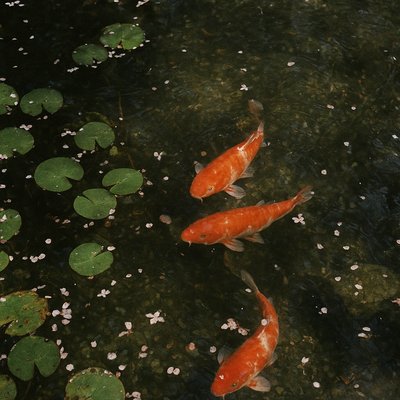
A koi pond seen from above, orange and white koi fish swimming among lily pads, clear water with subtle ripples, fallen cherry blossom petals floating on the surface, dappled sunlight
urban street with city activity
a tree in nature
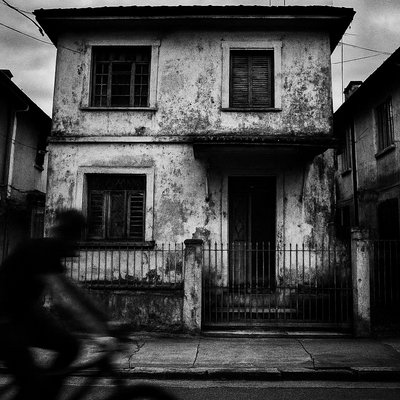
house with front view
bicyle resting against a wall
portrait of two people together
still life with everyday objects
wide landscape with natural scenery
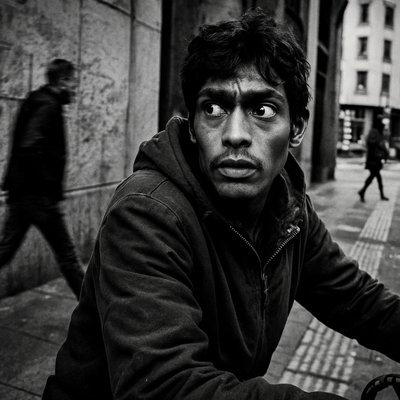
portrait of a person with expressive eyes
A majestic and inspiring depiction of the Crazy Horse National Memorial, captured from a slightly elevated, wide-angle perspective that emphasizes its immense scale and ongoing construction. The colossal carving of Crazy Horse on his war pony is the dominant feature, shown in its current state of detailed progress, with the iconic outstretched arm and pointing finger prominent against the rugged Black Hills. Visible elements of the carving process, such as scaffolding, construction equipment (subtly integrated), or evidence of rock removal, are present, highlighting the monumental effort and generations of work involved. The surrounding landscape of the Black Hills is an integral part of the composition, with pine forests, granite formations, and the vast, open sky providing a dramatic and respectful setting. The lighting is strong and clear, perhaps mid-morning or late afternoon sun, casting dramatic shadows that define the contours of the mountain and the carving. The atmosphere conveys a sense of enduring tribute, cultural pride, determination, and the sheer scale of human endeavor dedicated to honoring a legendary figure. The artistic style is a highly realistic, detailed landscape painting or photograph, emphasizing grandeur and reverence
A koi pond seen from above, orange and white koi fish swimming among lily pads, clear water with subtle ripples, fallen cherry blossom petals floating on the surface, dappled sunlight
A statuesque, heroic portrait of Lady Mary Bailey (the aviator) standing confidently by her small biplane, the De Havilland Moth.

Style: Neoclassical painting emphasizing idealized forms, clear lines, balanced composition, and muted color palettes (such as marble white, deep blues, and sepia tones). The figures and machine should look elegant and timeless, like a heroic ancient myth.
A photo-realistic image of the crumbling adobe ruins of Fort Lowell, New Mexico, nestled in a desolate, high desert landscape. The sun is setting, casting long, dramatic shadows. Include sparse, authentic 19th-century military supplies scattered in the foreground. Style: Hyper-detailed, cinematic, volumetric lighting.
An awe-inspiring and whimsical scene featuring Willy Wonka's Great Glass Wonkavator, soaring high above Louisiana and ascending into a fantastical sky. The Wonkavator itself is a magnificent, multi-directional glass elevator, transparent and sparkling, with Willy Wonka (in his iconic purple coat and top hat), and several  cats in stylish New Orleans clothing clearly visible and enjoying the ride inside. The interior of the Wonkavator shows intricate, whimsical control panels. The Wonkavator is depicted in mid-flight, having just burst through the factory roof or rising above the clouds. Below it, the fantastical landscape of the Bayou and various whimsical buildings from the city of New Orleans. Beyond is the ocean. The lighting is bright and magical, emphasizing the glass's transparency and the vibrant colors of the world below and beyond. The overall mood is one of boundless adventure, limitless possibilities, and pure, joyful fantasy."
An awe-inspiring and whimsical scene featuring Willy Wonka's Great Glass Wonkavator, soaring high above Louisiana and ascending into a fantastical sky. The Wonkavator itself is a magnificent, multi-directional glass elevator, transparent and sparkling, with Willy Wonka (in his iconic purple coat and top hat), and several anthrpomorphic cats in stylish New Orleans clothing clearly visible and enjoying the ride inside. The interior of the Wonkavator shows intricate, whimsical control panels. The Wonkavator is depicted in mid-flight, having just burst through the factory roof or rising above the clouds. Below it, the fantastical landscape of the Bayou and various whimsical buildings from the city of New Orleans. Beyond is the ocean. The lighting is bright and magical, emphasizing the glass's transparency and the vibrant colors of the world below and beyond. The overall mood is one of boundless adventure, limitless possibilities, and pure, joyful fantasy."
Green lungs
Smartphone as 1950s miracle product
Place this text in the foreground of my newly generated Vintage Film Burn image…

“Dawn, gentle, beginnings of a new day lighting our paths and illuminating our way….

I’ve always thought of you with love and warmth and hardly questioned why… always felt a special bond that’s led to years of friendship  and smiles…

I found in you the gentle spirit of a certain truth and could NOT look away because in you I saw proof…..of HIM…”

Also include an image in the background of a soft sunrise seen over an ocean’s horizon 


A Dawn to Remember….by JPRussell
City lights as color symphony
Social media intervention as artistic practice in the art style of Net Art --v 6.1
Online performance exploring virtual identity in the art style of Net Art --v 6.1
Figurative painting with psychological complexity in the art style of New European Painting --v 6.1
Robotic sculpture with programmed movements in the art style of New Media Art --v 6.1
Cinematic night scene of traditional Northern New Mexico adobe houses with rounded corners and flat roofs, nestled in a snowy Taos landscape. Large soft snowflakes are falling through the air. The windows are glowing with warm golden candlelight. Along the rooflines and pathways, hundreds of traditional luminarias (farolitos) cast a soft amber glow. The scene features Puebloan-inspired Christmas art and geometric patterns in turquoise, copper, silver, and midnight blue. No red or green colors. High detail, serene atmosphere, high contrast between the warm golden lights and the cool blue twilight snow, 8k resolution, photorealistic.
A historically accurate and atmospheric depiction of the signing of the Mayflower Compact aboard the ship in November 1620. The scene is set in the dimly lit, cramped cabin of the Mayflower, with the ship's timbers and rigging subtly visible, conveying the challenging conditions of the voyage. A simple table or chest serves as the signing surface. The primary focus is on a small group of the last individuals signing the document: specifically, the indentured servants (or 'strangers' not directly part of the Separatist congregation) approaching or at the table. Their expressions show a mix of weary determination, understanding of the necessity, and perhaps a hint of quiet apprehension or resignation to this new social contract, given their status. They are dressed in the plain, practical clothing typical of 17th-century commoners and laborers. Figures of prominent Pilgrims or 'Saints' (like William Bradford or John Carver) are visible in the background, observing the proceedings with a sense of gravity and leadership, but they are not the central focus. The lighting is low and warm, perhaps from a lantern, creating a chiaroscuro effect that highlights the faces of the signers. The atmosphere conveys the momentousness of the act under difficult circumstances, the diverse composition of the group, and the early seeds of self-governance in a new world. The artistic style is a realistic, historically detailed oil painting, capturing the solemnity and human element of this pivotal historical moment."