Narrative Realism Art Style Style Transfer Example Art

Portrait in a pixelated style in the art style of Neo-Pop Art --v 6.1
Narrative painting addressing social issues in Australia in the art style of Antipodeans --v 6.1
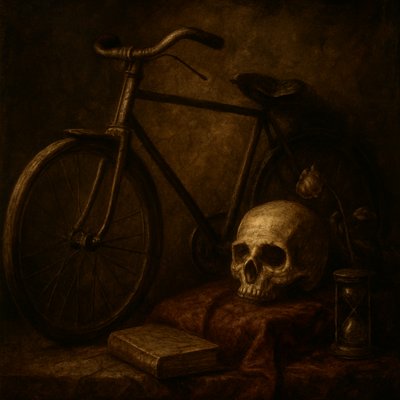
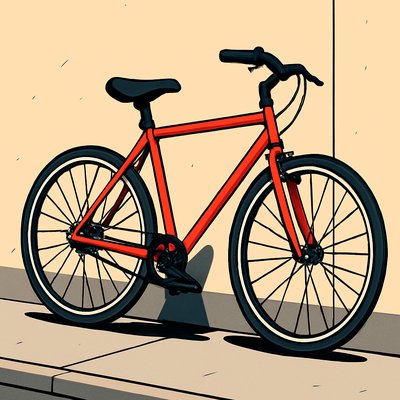
bicyle resting against a wall
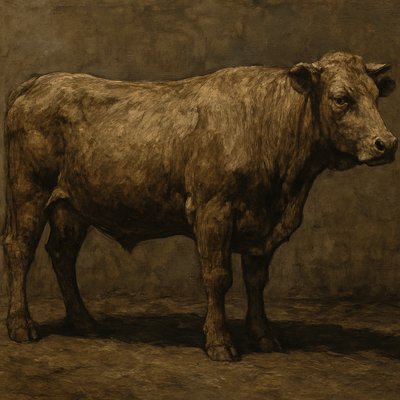
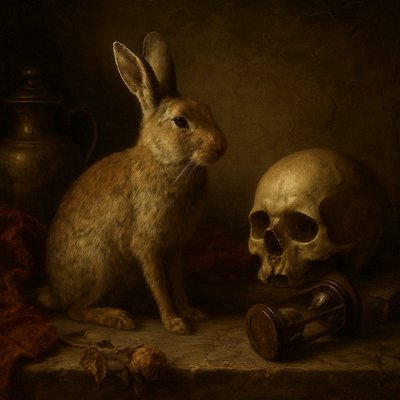
animal standing in natural pose
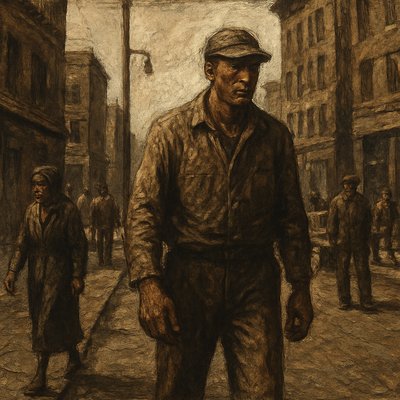
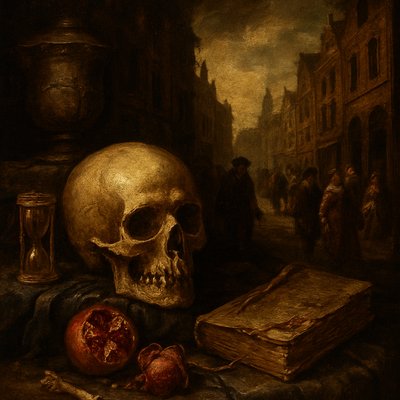
urban street with city activity
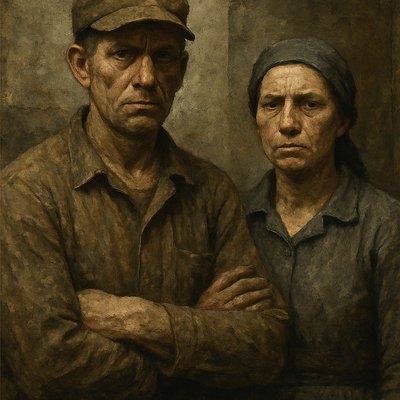
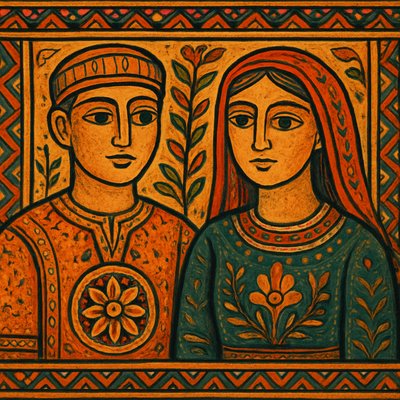
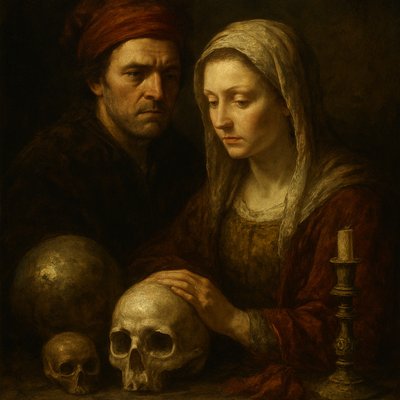
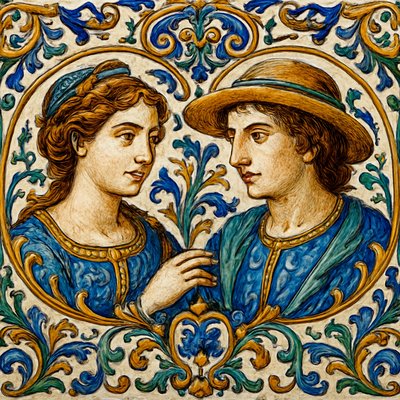
portrait of two people together
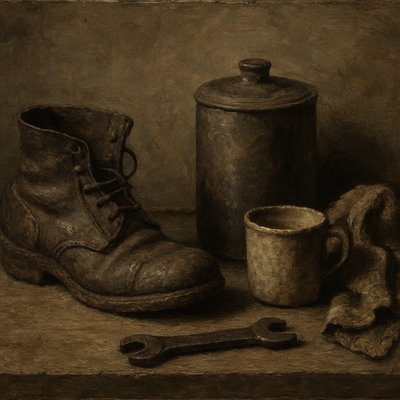
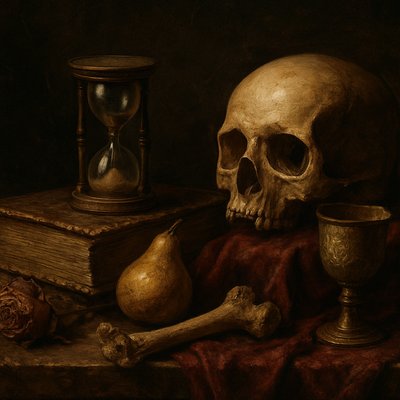
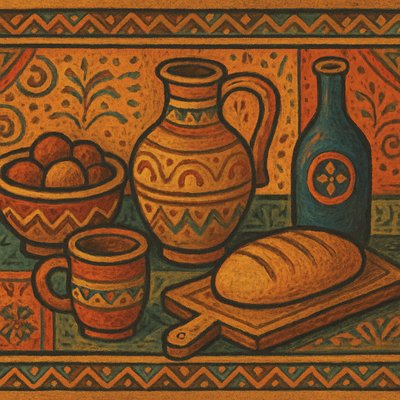
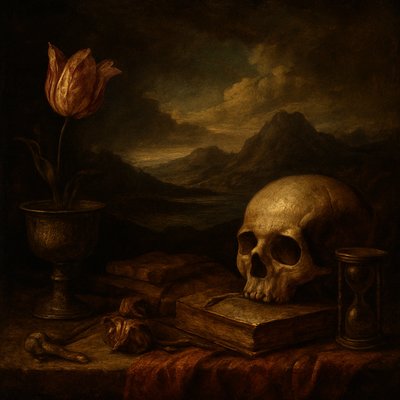
still life with everyday objects
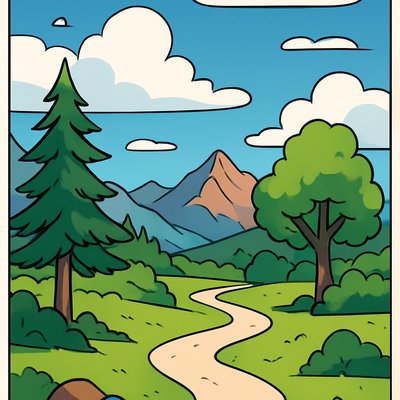
wide landscape with natural scenery

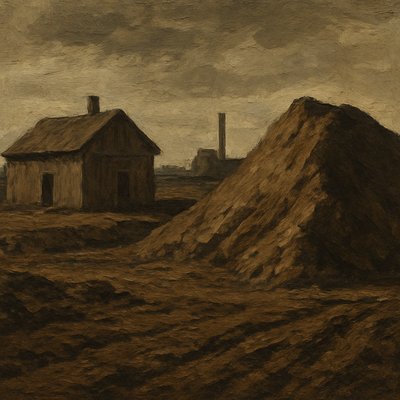
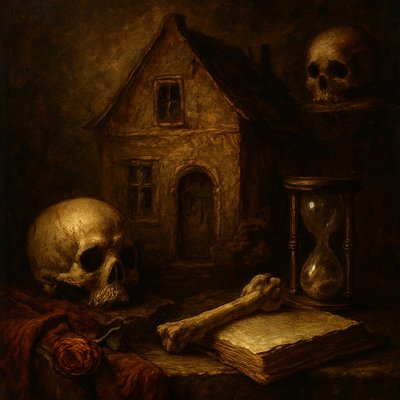
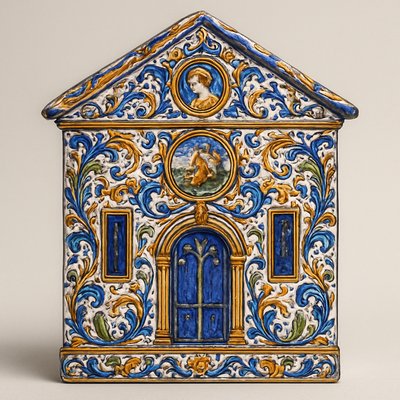
house with front view
a tree in nature
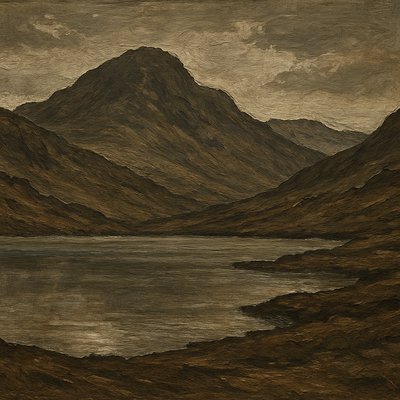
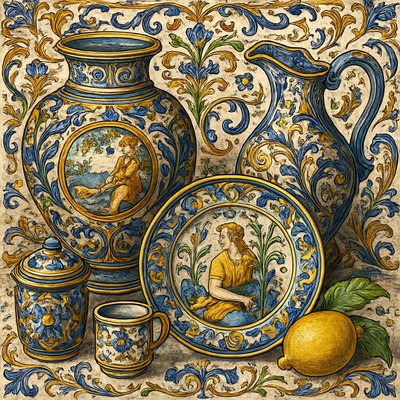
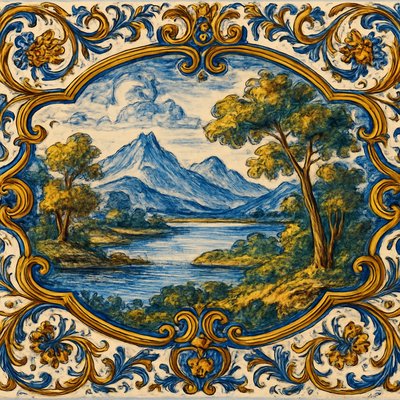
serene landscape with mountains and water
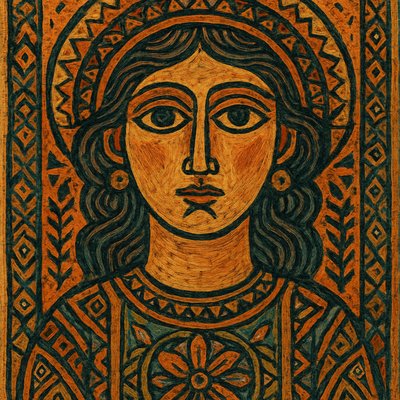
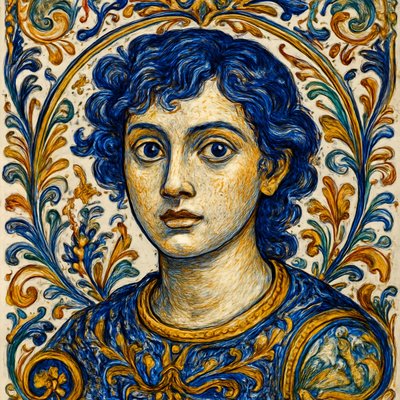
portrait of a person with expressive eyes
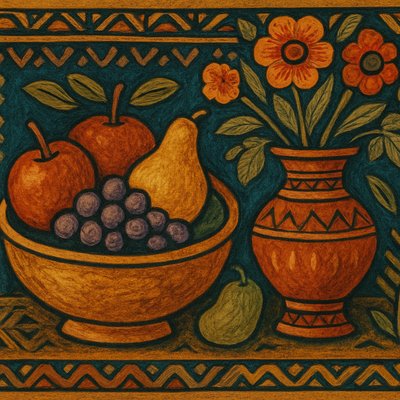
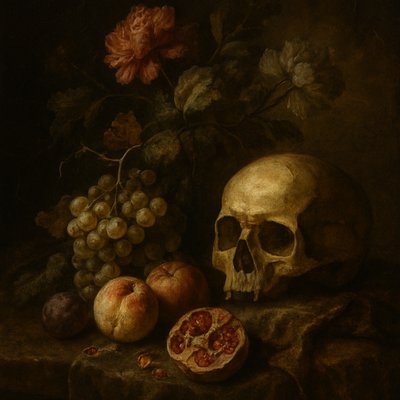
still life arrangement of fruits and flowers
Interior scene with ambiguous narrative and mood in the art style of New European Painting --v 6.1
A highly realistic and historically accurate image set in the deep, waterlogged mud of the Texas Cross Timbers (Montague County) in 1840. The scene captures the frustrating moment when the Chihuahua Traders caravan is completely stuck. Foreground focus is on several heavy, wooden Conestoga freight wagons, mired up to their axles in dark, thick mud. Exhausted oxen are straining and distressed, their drivers in rough frontier attire attempting to free the wheels with ropes and levers. In the mid-ground, a small group of the American equestrian circus performers stands next to their distinctive, high-quality riding horses, which are visibly more refined than the typical pack animals. The performers are dressed in sturdy but distinct traveling clothes, looking ill-equipped and frustrated by the muddy conditions. One performer is carefully securing a colorful carriage or cart containing unique circus props, struggling to keep it from sinking. The overall mood is one of miserable delay and hardship. Cloudy, oppressive sky; detailed realism; wide-angle shot; dark, moody lighting.
Narrative painting addressing social issues in Australia in the art style of Antipodeans --v 6.1
Urban scene blending realism and expressive brushwork in the art style of New European Painting --v 6.1
Hypertext narrative pushing boundaries of digital storytelling in the art style of Net Art --v 6.1
Interior scene with ambiguous narrative and mood in the art style of New European Painting --v 6.1
Retro-style spaceship made of cubes in the art style of voxel art --v 6.1
Distorted VHS-style video artwork in the art style of Vaporwave --v 6.1
Naive-style painting of local festivities in the art style of Folk Art --v 6.1
Distorted VHS-style video artwork in the art style of Vaporwave --v 6.1
An incredibly detailed and profound scene depicting the Vision of the Dry Bones from Ezekiel 37. The immediate foreground features a stark, highly detailed close-up of a single ancient human skull, its empty eye sockets gazing out, perfectly rendered with realistic bone texture. Beyond this skull, stretching into the mid-ground, a vast, desolate valley is entirely carpeted with an immense, sprawling expanse of countless other ancient, stark white human bones and skulls. A powerful, divine wind (ruach), emanating an ethereal, sacred glow, swirls violently through this boneyard. This divine energy causes the bones to dramatically rattle, shift, and miraculously knit together, forming complete skeletons. Further in the background, some of these skeletons have already begun to rapidly form tendons, flesh, and skin, starting to rise as part of a nascent, colossal army. The sky above is dramatic and ominous, with streaks of divine light breaking through thick clouds. The overall mood is one of overwhelming desolation, followed by the initial, awe-inspiring moments of miraculous transformation and the promise of life."

Retro-style spaceship made of cubes in the art style of voxel art --v 6.1
Naive-style painting of local festivities in the art style of Folk Art --v 6.1
Distorted VHS-style video artwork in the art style of Vaporwave --v 6.1
Naive-style painting of local festivities in the art style of Folk Art --v 6.1
Distorted VHS-style video artwork in the art style of Vaporwave --v 6.1
A highly realistic and historically accurate image set in the deep, waterlogged mud of the Texas Cross Timbers (Montague County) in 1840. The scene captures the frustrating moment when the Chihuahua Traders caravan is completely stuck.

Foreground focus is on several heavy, wooden Conestoga freight wagons, mired up to their axles in dark, thick mud. Exhausted oxen are straining and distressed, their drivers in rough frontier attire attempting to free the wheels with ropes and levers.

In the mid-ground, a small group of the American equestrian circus performers stands next to their distinctive, high-quality riding horses, which are visibly more refined than the typical pack animals. The performers are dressed in sturdy but distinct traveling clothes—perhaps featuring slightly tailored jackets or vests—rather than performance costumes, looking ill-equipped and frustrated by the muddy conditions. One performer is carefully securing a small, colorful carriage or cart containing unique circus props, struggling to keep it from sinking. The overall mood is one of miserable delay and hardship. Cloudy, oppressive sky; detailed realism; wide-angle shot; dark, moody lighting.