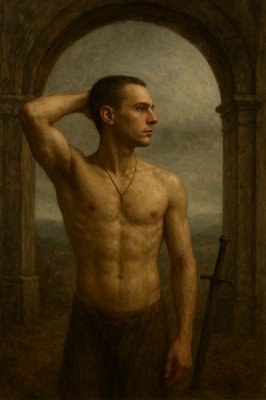
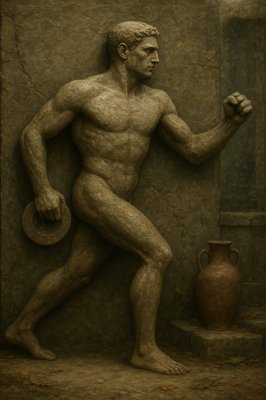
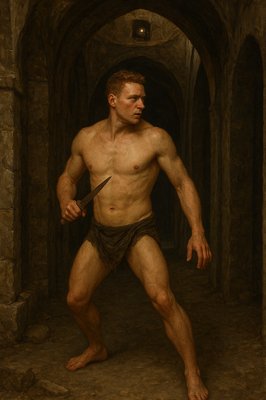
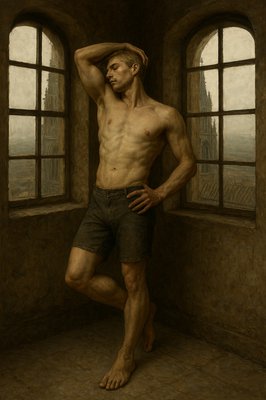
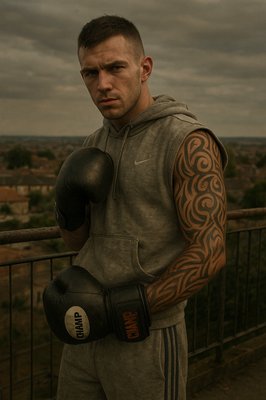
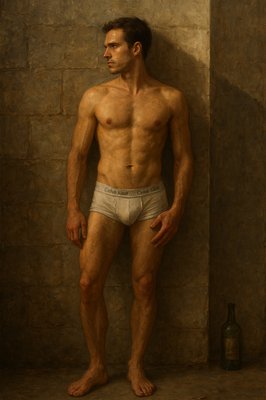
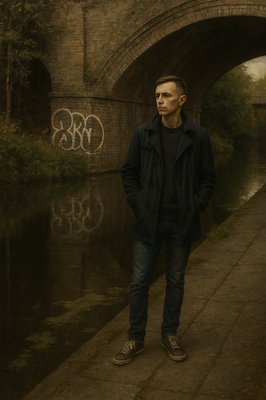
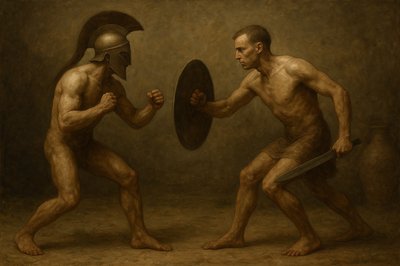
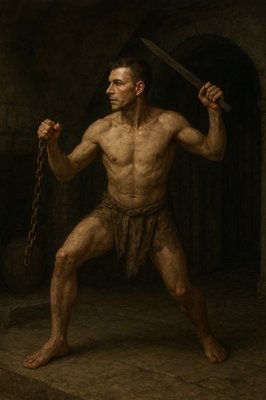
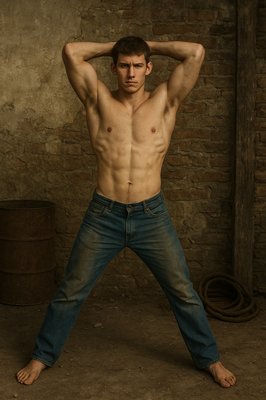
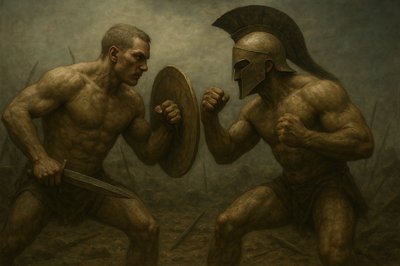
Narrative Figurative Art Style Style Transfer Example Art

bicyle resting against a wall
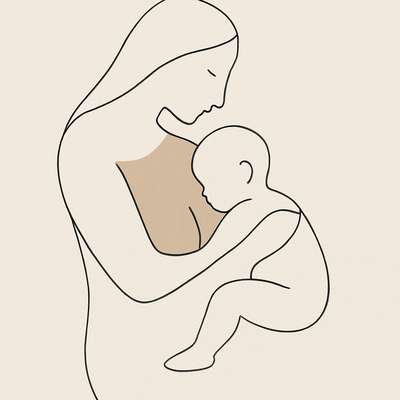
portrait of two people together
animal standing in natural pose
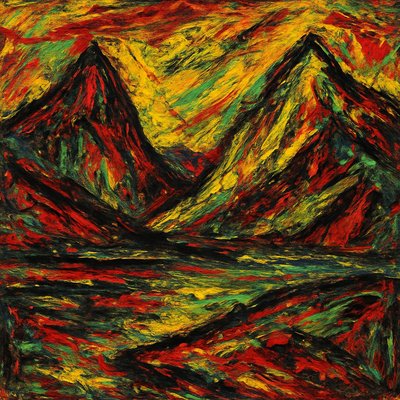
serene landscape with mountains and water
And this is the Father's will which hath sent me, that of all which he hath given me I should lose nothing, but should raise it up again at the last day.
(John 6:39 KJV)
“The Jews then murmured at him, because he said, I am the bread which came down from heaven.” (John 6:41, KJV)
And this is the Father's will which hath sent me, that of all which he hath given me I should lose nothing, but should raise it up again at the last day.
(John 6:39 KJV)
And he (Jesus) said unto them, Cast the net on the right side of the ship, and ye shall find. They cast therefore, and now they were not able to draw it for the multitude of fishes. 
(John 21:6 KJV)
A koi pond seen from above, orange and white koi fish swimming among lily pads, clear water with subtle ripples, fallen cherry blossom petals floating on the surface, dappled sunlight
early 1900s American schoolhouse with snowy playground, dozens of children bundled in scarves and mittens, joyfully throwing snowballs, sliding down wooden sleds, climbing rustic playground equipment, nostalgic sepia-toned color overlay, archival photograph aesthetic, cinematic wide shot
Shocked character reaction
And this is the Father's will which hath sent me, that of all which he hath given me I should lose nothing, but should raise it up again at the last day.
(John 6:39 KJV) Focus on graves opened and joyous youthful looking people coming forth.
And this is the Father's will which hath sent me, that of all which he hath given me I should lose nothing, but should raise it up again at the last day.
(John 6:39 KJV)
And this is the Father's will which hath sent me, that of all which he hath given me I should lose nothing, but should raise it up again at the last day.
(John 6:39 KJV)
And this is the Father's will which hath sent me, that of all which he hath given me I should lose nothing, but should raise it up again at the last day.
(John 6:39 KJV)
And this is the Father's will which hath sent me, that of all which he hath given me I should lose nothing, but should raise it up again at the last day.
(John 6:39 KJV)
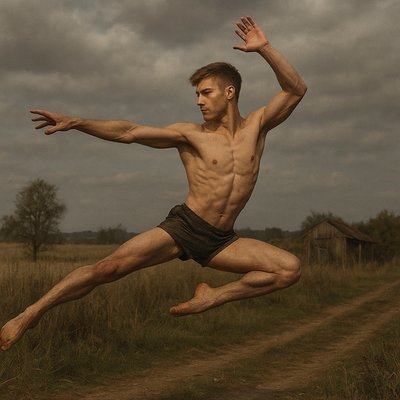
Dancer mid-leap
A historically accurate and deeply somber depiction of the immediate aftermath of the Wounded Knee Massacre in December 1890. The scene captures the desolate, snow-covered landscape of the Pine Ridge Reservation. Focus on the fallen Lakota men, women, and children, scattered across the snow, their bodies still and tragic. A few surviving individuals are shown in postures of profound grief or shock, perhaps tending to the wounded. The distant presence of U.S. soldiers, heavily armed, stands as a stark and cold counterpoint to the devastation. The atmosphere is one of profound sorrow, loss, and the brutal silence of winter. The lighting is cold and muted, emphasizing the harshness of the environment and the tragedy of the event. The artistic style should be a realistic, painterly approach, evoking the historical period with unflinching honesty but without graphic sensationalism. The intent is to serve as a memorial to the victims and a historical testament to the tragic event."
A candid, tender photograph of a person lying sick in a dimly lit, cozy bedroom, buried under a heavy quilt with only their pale face showing, eyes closed in sleep. Tissues and medicine bottles clutter a bedside table. Curled tightly against their chest is a fluffy calico cat that has a pair of detailed, feathered angel wings folded against its back. The cat is asleep too. Soft, natural light streams from a window to the left. Film grain.
house with front view
bicyle resting against a wall
portrait of two people together
animal standing in natural pose
portrait of a person with expressive eyes
still life arrangement of fruits and flowers
“The Jews then murmured at him, because he said, I am the bread which came down from heaven.” (John 6:41, KJV)
Do not put bread in the picture but rather the setting is Jesus teaching in synagogue in Capernaum with the people looking disgruntled, some whispering to eat other and perhaps someone standing and speaking out to Jesus.
“But I would ye should understand, brethren, that the things which happened unto me have fallen out rather unto the furtherance of the gospel; So that my bonds in Christ are manifest in all the palace, and in all other places; And many of the brethren in the Lord, waxing confident by my bonds, are much more bold to speak the word without fear.” (Philippians 1:12-14, KJV)
a tree in nature
urban street with city activity
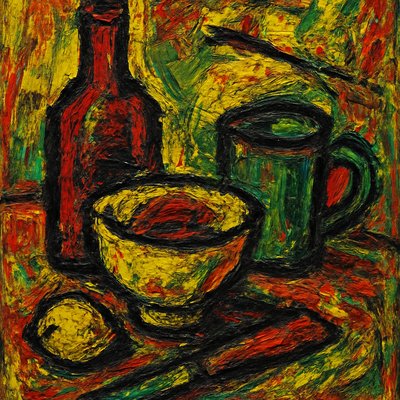
still life with everyday objects
wide landscape with natural scenery
serene landscape with mountains and water
A candid, tender photograph of a person lying sick in a dimly lit, cozy bedroom, buried under a heavy quilt with only their pale face showing, eyes closed in sleep. Tissues and medicine bottles clutter a bedside table. Curled tightly against their chest is a fluffy calico cat that has a pair of detailed, feathered angel wings folded against its back. The cat is asleep too. Soft, natural light streams from a window to the left. Film grain.
A candid, tender photograph of a person lying sick in a dimly lit, cozy bedroom, buried under a heavy quilt with only their pale face showing, eyes closed in sleep. Tissues and medicine bottles clutter a bedside table. Curled tightly against their chest is a fluffy calico cat that has a pair of small, detailed, feathered angel wings folded against its back. The cat is asleep too. Soft, natural light streams from a window to the left. Film grain.
A koi pond seen from above, orange and white koi fish swimming among lily pads, clear water with subtle ripples, fallen cherry blossom petals floating on the surface, dappled sunlight
An empty dining table set for two
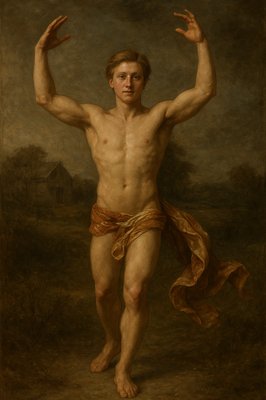
Gesture isn’t always movement — sometimes it’s the stillness that speaks. The warmth of peace, the weight of His hands, and the quiet breath of the Word alive within me.
A majestic and inspiring depiction of the Crazy Horse National Memorial, captured from a slightly elevated, wide-angle perspective that emphasizes its immense scale and ongoing construction. The colossal carving of Crazy Horse on his war pony is the dominant feature, shown in its current state of detailed progress, with the iconic outstretched arm and pointing finger prominent against the rugged Black Hills. Visible elements of the carving process, such as scaffolding, construction equipment (subtly integrated), or evidence of rock removal, are present, highlighting the monumental effort and generations of work involved. The surrounding landscape of the Black Hills is an integral part of the composition, with pine forests, granite formations, and the vast, open sky providing a dramatic and respectful setting. The lighting is strong and clear, perhaps mid-morning or late afternoon sun, casting dramatic shadows that define the contours of the mountain and the carving. The atmosphere conveys a sense of enduring tribute, cultural pride, determination, and the sheer scale of human endeavor dedicated to honoring a legendary figure. The artistic style is a highly realistic, detailed landscape painting or photograph, emphasizing grandeur and reverence
The seasons personified
a painting of people walking down a city street
a group of young children holding up signs