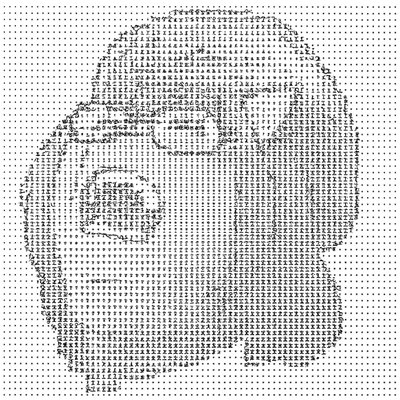
Mechanical Bird From Engine Parts Art

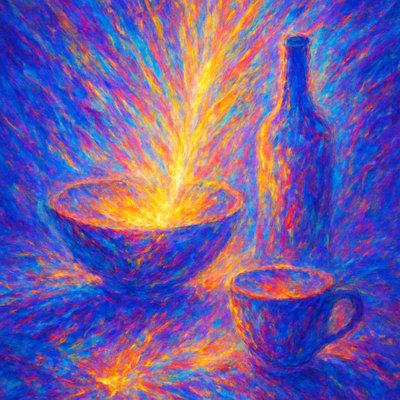
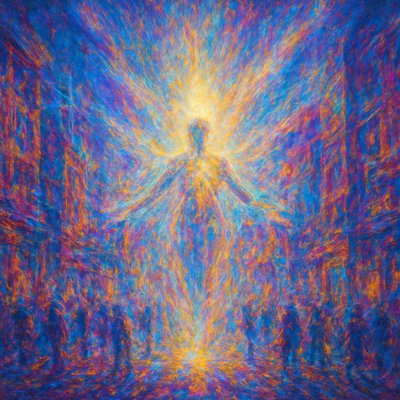
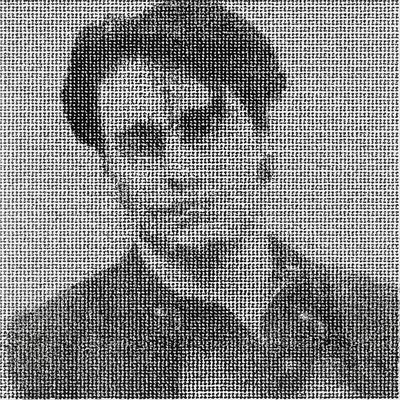
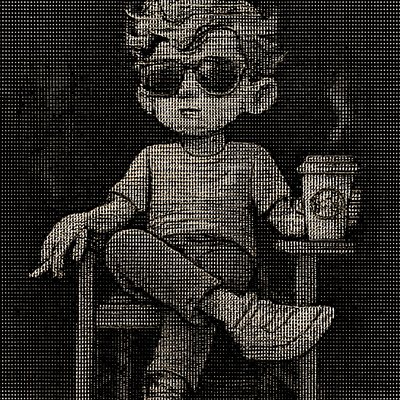
Kinetic Sculpture Art Style Style Transfer Example
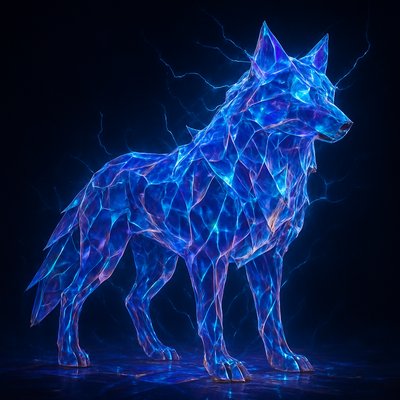
animal standing in natural pose
bicyle resting against a wall
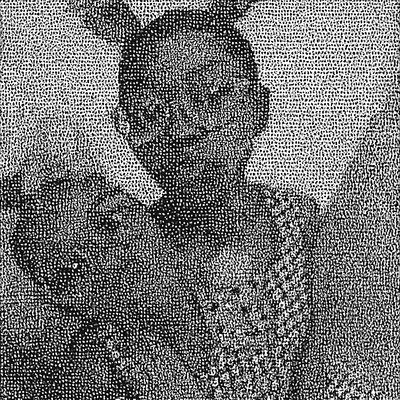
portrait of two people together
still life arrangement of fruits and flowers
Golden Age Fantasy Illustration Style, Painterly Realism, Crystalline Underwater Photography Aesthetic. A stunning view looking straight down through impossibly clear, glassy ocean water, as if peering over the edge of a ship. Below, on the white sand seabed, are the seaweed-covered ruins of a sunken, ancient civilization.

The Merpeople: A royal hunting party of Narnian Mermen and Mermaids are riding through the submerged streets on the backs of sea horses with their own tails astride the seahorse sitting side saddle. They are not gentle, fairy-tale creatures, but possess a wild, fierce majesty. They ride large, powerful, scaled hippocamps (mythical sea-horses). 

Key Figures & Details: The Mer-King, with flowing white hair and a stern expression, wears armor crafted from iridescent pearl and abalone shells, brandishing a long spear tipped with gold. His powerful tail is deep amethyst. A fierce Mer-Queen rides beside him, her colors shimmering emerald and gold. Smaller merfolk follow, shaking spears.

Lighting & Atmosphere: Bright shafts of sunlight pierce the deep water, illuminating the underwater dust motes and making the scales of the merfolk and their mounts sparkle intensely. The mood is silent, ancient, and awe-inspiring.
Kinetic Sculpture Art Style Style Transfer Example
a tree in nature
house with front view
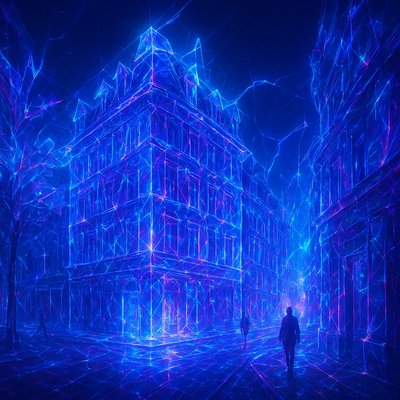
urban street with city activity
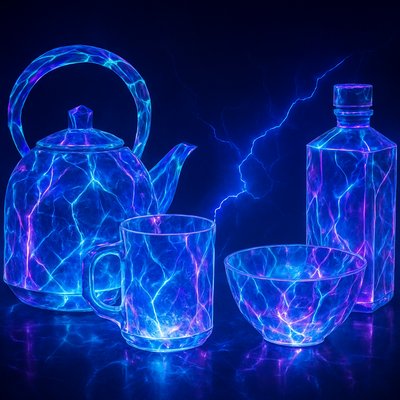
still life with everyday objects
wide landscape with natural scenery
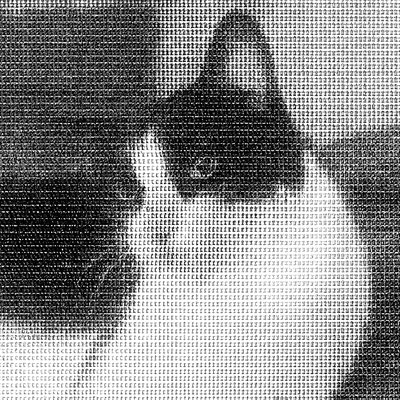
portrait of a person with expressive eyes
serene landscape with mountains and water
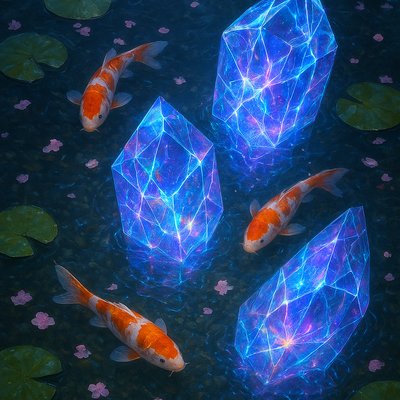
A koi pond seen from above, orange and white koi fish swimming among lily pads, clear water with subtle ripples, fallen cherry blossom petals floating on the surface, dappled sunlight
Golden Age Fantasy Illustration Style, Painterly Realism, Crystalline Underwater Photography Aesthetic. A stunning view looking straight down through impossibly clear, glassy ocean water, as if peering over the edge of a ship. Below, on the white sand seabed, are the seaweed-covered ruins of a sunken, ancient civilization.

The Merpeople: A royal hunting party of Narnian Merpeople is riding on seas horses through the submerged streets. They are not gentle, fairy-tale creatures, but possess a wild, fierce majesty. They ride large, powerful, scaled hippocamps (mythical sea-horses).

Key Figures & Details: The Mer-King, with flowing white hair and a stern expression, wears armor crafted from iridescent pearl and abalone shells, brandishing a long spear tipped with gold. The merpeople sit side saddle with their tails on one side of their sea horse. His powerful tail is deep amethyst. A fierce Mer-Queen rides beside him, her colors shimmering emerald and gold. Smaller merfolk follow, shaking spears.

Lighting & Atmosphere: Bright shafts of sunlight pierce the deep water, illuminating the underwater dust motes and making the scales of the merfolk and their mounts sparkle intensely. The mood is silent, ancient, and awe-inspiring.
An extreme close-up, hyper-detailed artistic depiction of a massive, rough-hewn clay crucible sitting in a roaring forge. Inside the crucible, molten metal (representing "the third part") is swirling in shades of glowing orange, gold, and vibrant amber. A powerful, yet unseen master craftsman's hand holds a spiritual tool, actively skimming away floating, dark, cracked dross (representing impurities/sin) from the shimmering surface. The remaining metal is becoming incredibly pure and reflective, capturing the light. Cinematic, dramatic lighting, high contrast, tangible textures of heat and metal.
A highly detailed photograph of a cheerful female Camp Host with long, flowing red hair, wearing a forest green uniform shirt and khaki pants. She is standing in the San Juan National Forest and is holding a wooden rake. She is engaged in a friendly conversation with Smokey the Bear. The forest setting features large Ponderosa pine trees with orange bark and the ground is covered in a layer of pine needles and raked debris, illustrating fire prevention efforts. The lighting is soft, natural daylight filtering through the trees, giving a warm and encouraging tone. Focus on realistic texture for the uniform, hair, and pine needles.
“For this Melchisedec, king of Salem, priest of the most high God, who met Abraham returning from the slaughter of the kings, and blessed him; To whom also Abraham gave a tenth part of all; first being by interpretation King of righteousness, and after that also King of Salem, which is, King of peace;” (Hebrews 7:1-2, KJV)
In Penang, Malaysia.  Wing Sun's Grandmother is elderly and lives in Penang, on the island.  Grandma's house is in a quieter part of the island, closer to the coastline where the sea breeze can be felt through the wooden windows. It's near the ocean, in Tanjung Bungah where there are old-style homes and a slower pace of life.  There are many resort "homestay" hotels, and also some high-rise condos, but Grandmother's house has been there many years.  Wing-Sun's mother grew up in that house, near the beach, with the ocean breeze.  We see the house from down the street with Grandma standing in the doorway greeting us.
A highly detailed photograph of a cheerful female Camp Host with long, flowing red hair, wearing a forest green uniform shirt and khaki pants. She is standing in the San Juan National Forest and is holding a wooden rake. She is engaged in a friendly conversation with Smokey the Bear. The forest setting features large Ponderosa pine trees with orange bark and the ground is covered in a layer of pine needles and raked debris, illustrating fire prevention efforts. The lighting is soft, natural daylight filtering through the trees, giving a warm and encouraging tone. Focus on realistic texture for the uniform, hair, and pine needles.
A breathtaking full-body photograph captures a woman from behind, standing in a vast, vibrant field of purple lupin flowers in Glacier National Park. Her long, rich plum purple hair is beautifully intertwined with fresh lupin blooms, forming an ethereal halo. She wears a unique 70s-inspired outfit consisting of shimmering lavender bell-bottom pants and a matching tunic-style top with bell sleeves and a square neckline, flared at the waist, adorned with subtle white horse patterns. The setting sun paints the sky in dramatic hues of fiery orange and deep red, silhouetting the majestic purple mountain ranges in the distance. The scene evokes a sense of wonder, serenity, and a deep connection to the wild beauty of nature, with a magical, almost fantastical feel, within the iconic landscape of Glacier National Park.
First century Palestine.  Mid-morning in a rural area.  The sun is warm and the atmosphere is positive.  Jesus and His disciples walk along a country road that goes to Bethany. There are some trees shading part of the road ahead, and cultivated fields on either side of the road.  Jesus, wears ordinary clothing like most men, and He’s talking to His disciples as the walk along.  The disciples are listening intently to Jesus, and His face is kind, but intense.  A farm house sits off to one side, and the town is visible in the distance.
A secret witches' party in 1920s Weimar Berlin. Opulent, crumbling ballroom, flickering gaslight, deep shadows. Flapper-era attendees in high fashion, subtle occult accessories. Decadent feast, champagne, cigarette smoke. A central antique table with mysterious ritual objects. Juxtaposition of extreme luxury and hidden magic. Cinematic realism, dark academia, chiaroscuro, rich jewel tones. Influenced by Babylon Berlin aesthetics.
Golden Age Fantasy Illustration Style, Painterly Realism, Crystalline Underwater Photography Aesthetic. A stunning view looking straight down through impossibly clear, glassy ocean water, as if peering over the edge of a ship. Below, on the white sand seabed, are the seaweed-covered ruins of a sunken, ancient civilization.

The Merpeople: A royal hunting party of Narnian Mermen and Mermaids are riding through the submerged streets. They are not gentle, fairy-tale creatures, but possess a wild, fierce majesty. They ride side saddle tails aside their large, powerful, scaled hippocamps (mythical sea-horses). 

Key Figures & Details: The Mer-King, with flowing white hair and a stern expression, wears armor crafted from iridescent pearl and abalone shells, brandishing a long spear tipped with gold. His powerful tail is deep amethyst. A fierce Mer-Queen rides beside him, her colors shimmering emerald and gold. Smaller merfolk follow, shaking spears.

Lighting & Atmosphere: Bright shafts of sunlight pierce the deep water, illuminating the underwater dust motes and making the scales of the merfolk and their mounts sparkle intensely. The mood is silent, ancient, and awe-inspiring.
A party in 1920s Weimar Berlin. Opulent, crumbling ballroom, flickering gaslight, deep shadows. Flapper-era attendees in high fashion. Decadent feast, champagne, cigarette smoke. A central antique table with mysterious ritual objects. Juxtaposition of extreme luxury and hidden magic. Cinematic realism, dark academia, chiaroscuro, rich jewel tones. Influenced by Babylon Berlin series aesthetics.
Golden Age Fantasy Illustration Style, Painterly Realism, Crystalline Underwater Photography Aesthetic. A stunning view looking straight down through impossibly clear, glassy ocean water, as if peering over the edge of a ship. Below, on the white sand seabed, are the seaweed-covered ruins of a sunken, ancient civilization.

The Merpeople: A royal hunting party of Narnian Mermen and Mermaids are riding through the submerged streets. They are not gentle, fairy-tale creatures, but possess a wild, fierce majesty. They ride side saddle tails aside their large, powerful, scaled hippocamps (mythical sea-horses). 

Key Figures & Details: The Mer-King, with flowing white hair and a stern expression, wears armor crafted from iridescent pearl and abalone shells, brandishing a long spear tipped with gold. His powerful tail is deep amethyst. A fierce Mer-Queen rides beside him, her colors shimmering emerald and gold. Smaller merfolk follow, shaking spears.

Lighting & Atmosphere: Bright shafts of sunlight pierce the deep water, illuminating the underwater dust motes and making the scales of the merfolk and their mounts sparkle intensely. The mood is silent, ancient, and awe-inspiring.
Golden Age Fantasy Illustration Style, Painterly Realism, Crystalline Underwater Photography Aesthetic. A stunning view looking straight down through impossibly clear, glassy ocean water, as if peering over the edge of a ship. Below, on the white sand seabed, are the seaweed-covered ruins of a sunken, ancient civilization.

The Merpeople: A royal hunting party of Narnian Mermen and Mermaids are riding through the submerged streets. They are not gentle, fairy-tale creatures, but possess a wild, fierce majesty. They ride side saddle tails aside their large, powerful, scaled hippocamps (mythical sea-horses). 

Key Figures & Details: The Mer-King, with flowing white hair and a stern expression, wears armor crafted from iridescent pearl and abalone shells, brandishing a long spear tipped with gold. His powerful tail is deep amethyst. A fierce Mer-Queen rides beside him, her colors shimmering emerald and gold. Smaller merfolk follow, shaking spears.

Lighting & Atmosphere: Bright shafts of sunlight pierce the deep water, illuminating the underwater dust motes and making the scales of the merfolk and their mounts sparkle intensely. The mood is silent, ancient, and awe-inspiring.
Golden Age Fantasy Illustration Style, Painterly Realism, Crystalline Underwater Photography Aesthetic. A stunning view looking straight down through impossibly clear, glassy ocean water, as if peering over the edge of a ship. Below, on the white sand seabed, are the seaweed-covered ruins of a sunken, ancient civilization.

The Merpeople: A royal hunting party of Narnian Mermen and Mermaids are riding through the submerged streets. They are not gentle, fairy-tale creatures, but possess a wild, fierce majesty. They ride side saddle tails aside their large, powerful, scaled hippocamps (mythical sea-horses). 

Key Figures & Details: The Mer-King, with flowing white hair and a stern expression, wears armor crafted from iridescent pearl and abalone shells, brandishing a long spear tipped with gold. His powerful tail is deep amethyst. A fierce Mer-Queen rides beside him, her colors shimmering emerald and gold. Smaller merfolk follow, shaking spears.

Lighting & Atmosphere: Bright shafts of sunlight pierce the deep water, illuminating the underwater dust motes and making the scales of the merfolk and their mounts sparkle intensely. The mood is silent, ancient, and awe-inspiring.
Golden Age Fantasy Illustration Style, Painterly Realism, Crystalline Underwater Photography Aesthetic. A stunning view looking straight down through impossibly clear, glassy ocean water, as if peering over the edge of a ship. Below, on the white sand seabed, are the seaweed-covered ruins of a sunken, ancient civilization.

The Merpeople: A royal hunting party of Narnian Mermen and Mermaids are riding through the submerged streets. They are not gentle, fairy-tale creatures, but possess a wild, fierce majesty. They ride side saddle tails aside their large, powerful, scaled hippocamps (mythical sea-horses). 

Key Figures & Details: The Mer-King, with flowing white hair and a stern expression, wears armor crafted from iridescent pearl and abalone shells, brandishing a long spear tipped with gold. His powerful tail is deep amethyst. A fierce Mer-Queen rides beside him, her colors shimmering emerald and gold. Smaller merfolk follow, shaking spears.

Lighting & Atmosphere: Bright shafts of sunlight pierce the deep water, illuminating the underwater dust motes and making the scales of the merfolk and their mounts sparkle intensely. The mood is silent, ancient, and awe-inspiring.
Mr. Chen has arranged for the little family  to cross secretly into Hong Kong—a place known for its bright skyline and bustling streets. Under the cover of darkness and with careful planning, Siu Zi, her father and Grandmother, along with Mr. Chen have boarded a small boat that carries them silently across the water. The sea is calm, its surface reflecting a tapestry of starlight, as if the heavens themselves are guiding them.  Siu-Zi lies nestled between her father and grandmother, wrapped up in blankets, in the forward part of an open boat with quiet motors propelling them along. Their is an air of mystery and tension.
“That their hearts might be comforted, being knit together in love, and unto all riches of the full assurance of understanding, to the acknowledgement of the mystery of God, and of the Father, and of Christ; In whom are hid all the treasures of wisdom and knowledge. And this I say, lest any man should beguile you with enticing words. For though I be absent in the flesh, yet am I with you in the spirit, joying and beholding your order, and the stedfastness of your faith in Christ.” (Colossians 2:2-5, KJV)
A charming, detailed children's book illustration in watercolor and colored pencil. A bustling, domestic gnome with a patterned apron over his clothes and a bandana tied around his pointed hat is perched on the back of a patient brown bear. The gnome is furiously dusting a high cobweb in a cottage corner with a long feather duster wielded like a sword. The bear is part of the crew: it has large sponges tied to its hind paws for floor polishing and wicker baskets overflowing with folded laundry strapped to its sides. The cottage room is sparkling clean but chaotic with flying suds and dust motes. Bright, cozy lighting.
A stunning, high-contrast black and white cinematic still, mimicking the style of 1920s German Expressionism. Depict a luxurious, futuristic rooftop garden party. The scene features Freder, the young master, surrounded by several glamorous, wealthy, aristocratic ladies. The women are all dressed in ornate, art-deco-inspired gowns, their hair styled in sleek 1920s waves. Each lady wears an intricate, opulent Venetian masquerade mask that covers their eyes, adding an element of mystery and formality. In the background, the colossal, sharp, angular skyscrapers of the 'Metropolis' cityscape loom under a dramatic, moody sky. The garden is filled with exotic, highly geometric and stylized plants and gilded statues, reflecting the extreme wealth of the elite.
A historically accurate and atmospheric depiction of the signing of the Mayflower Compact aboard the ship in November 1620. The scene is set in the dimly lit, cramped cabin of the Mayflower, with the ship's timbers and rigging subtly visible, conveying the challenging conditions of the voyage. A simple table or chest serves as the signing surface. The primary focus is on a small group of the last individuals signing the document: specifically, the indentured servants (or 'strangers' not directly part of the Separatist congregation) approaching or at the table. Their expressions show a mix of weary determination, understanding of the necessity, and perhaps a hint of quiet apprehension or resignation to this new social contract, given their status. They are dressed in the plain, practical clothing typical of 17th-century commoners and laborers. Figures of prominent Pilgrims or 'Saints' (like William Bradford or John Carver) are visible in the background, observing the proceedings with a sense of gravity and leadership, but they are not the central focus. The lighting is low and warm, perhaps from a lantern, creating a chiaroscuro effect that highlights the faces of the signers. The atmosphere conveys the momentousness of the act under difficult circumstances, the diverse composition of the group, and the early seeds of self-governance in a new world. The artistic style is a realistic, historically detailed oil painting, capturing the solemnity and human element of this pivotal historical moment."
A majestic and inspiring depiction of the Crazy Horse National Memorial, captured from a slightly elevated, wide-angle perspective that emphasizes its immense scale and ongoing construction. The colossal carving of Crazy Horse on his war pony is the dominant feature, shown in its current state of detailed progress, with the iconic outstretched arm and pointing finger prominent against the rugged Black Hills. Visible elements of the carving process, such as scaffolding, construction equipment (subtly integrated), or evidence of rock removal, are present, highlighting the monumental effort and generations of work involved. The surrounding landscape of the Black Hills is an integral part of the composition, with pine forests, granite formations, and the vast, open sky providing a dramatic and respectful setting. The lighting is strong and clear, perhaps mid-morning or late afternoon sun, casting dramatic shadows that define the contours of the mountain and the carving. The atmosphere conveys a sense of enduring tribute, cultural pride, determination, and the sheer scale of human endeavor dedicated to honoring a legendary figure. The artistic style is a highly realistic, detailed landscape painting or photograph, emphasizing grandeur and reverence
a man in a suit and tie in a foggy photo
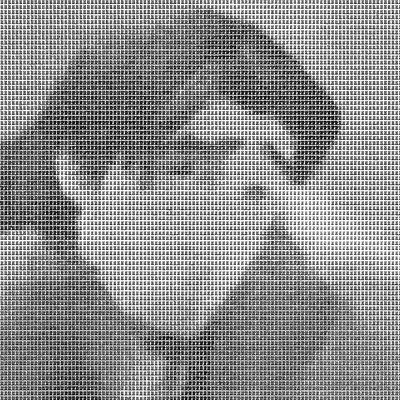
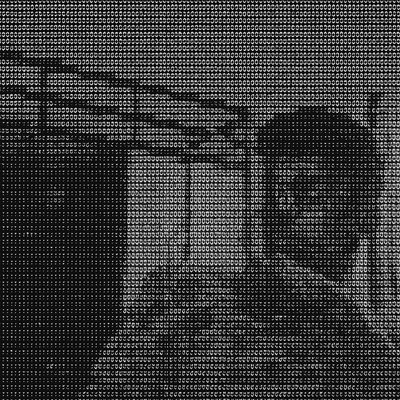
Monochrome Gradient Minimalism Art Style Style Transfer Example
house with front view