Light Installation Creating Subtle Environmental Effects In The Art Style Of Neo Minimalism V 6.1 Art

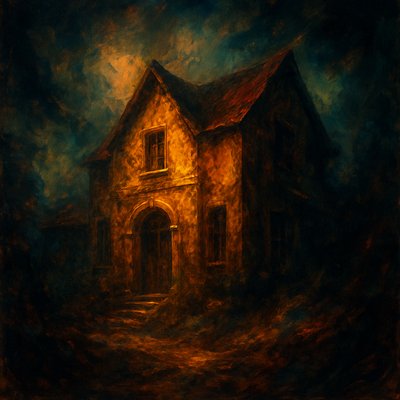
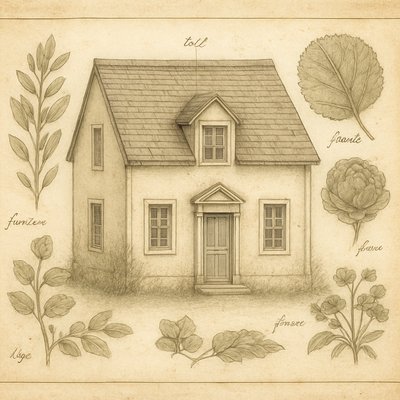
house with front view
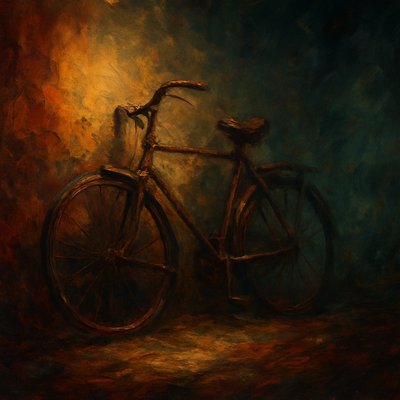
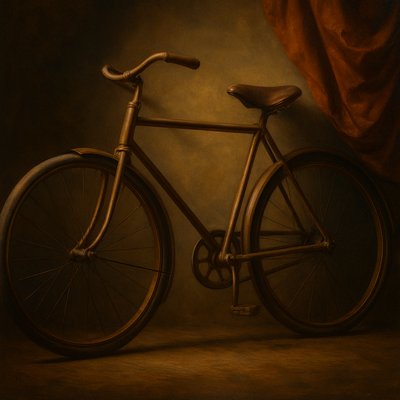
bicyle resting against a wall
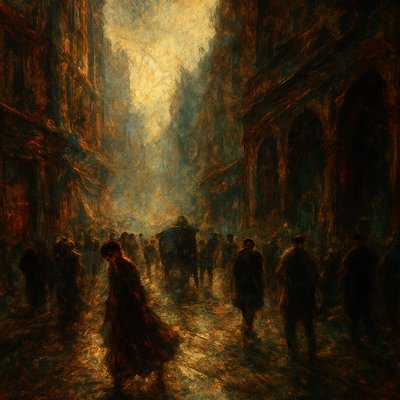
urban street with city activity
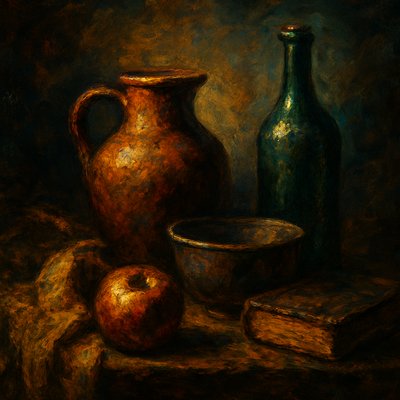
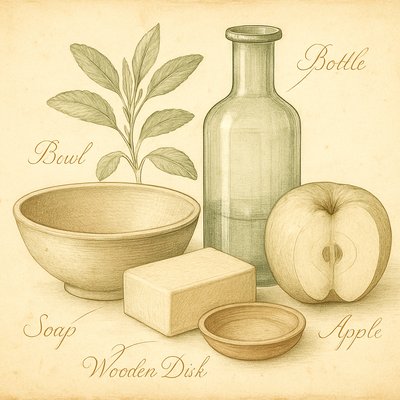
still life with everyday objects
wide landscape with natural scenery
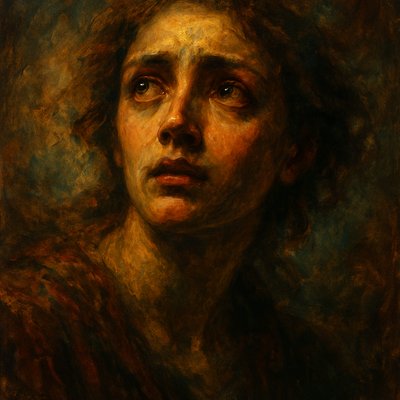
portrait of a person with expressive eyes
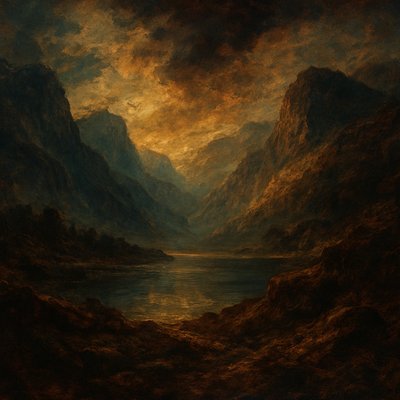
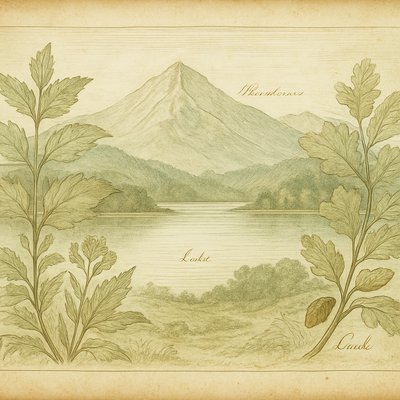
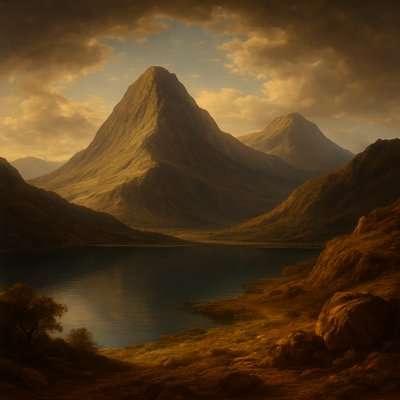
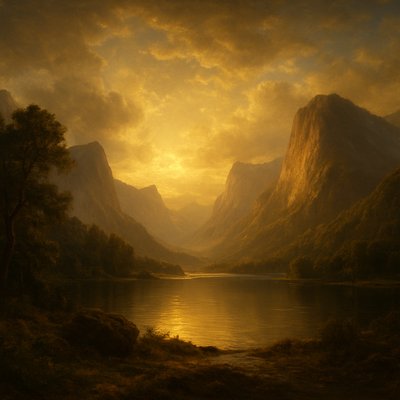
serene landscape with mountains and water
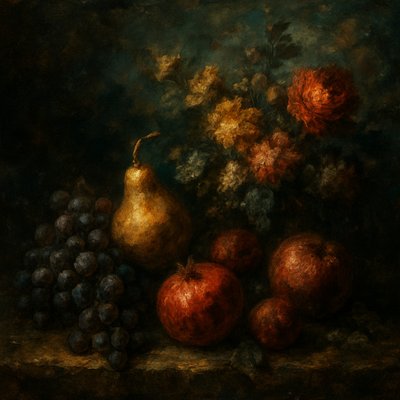
still life arrangement of fruits and flowers
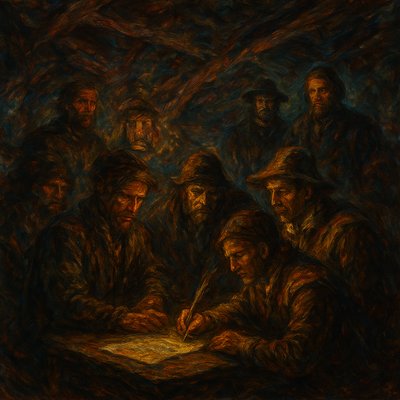
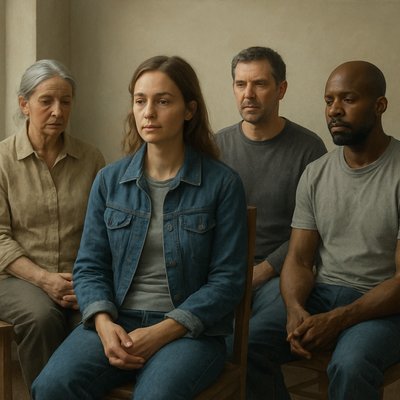
A historically accurate and atmospheric depiction of the signing of the Mayflower Compact aboard the ship in November 1620. The scene is set in the dimly lit, cramped cabin of the Mayflower, with the ship's timbers and rigging subtly visible, conveying the challenging conditions of the voyage. A simple table or chest serves as the signing surface. The primary focus is on a small group of the last individuals signing the document: specifically, the indentured servants (or 'strangers' not directly part of the Separatist congregation) approaching or at the table. Their expressions show a mix of weary determination, understanding of the necessity, and perhaps a hint of quiet apprehension or resignation to this new social contract, given their status. They are dressed in the plain, practical clothing typical of 17th-century commoners and laborers. Figures of prominent Pilgrims or 'Saints' (like William Bradford or John Carver) are visible in the background, observing the proceedings with a sense of gravity and leadership, but they are not the central focus. The lighting is low and warm, perhaps from a lantern, creating a chiaroscuro effect that highlights the faces of the signers. The atmosphere conveys the momentousness of the act under difficult circumstances, the diverse composition of the group, and the early seeds of self-governance in a new world. The artistic style is a realistic, historically detailed oil painting, capturing the solemnity and human element of this pivotal historical moment."

Modern Architecture Art Style Transfer Example
Graffiti-style mural with references to viral internet content in the art style of Neo-Pop Art --v 6.1
house with front view
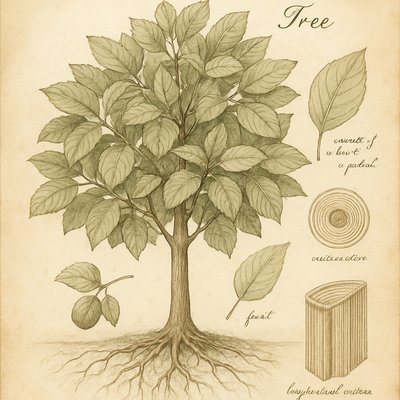
a tree in nature
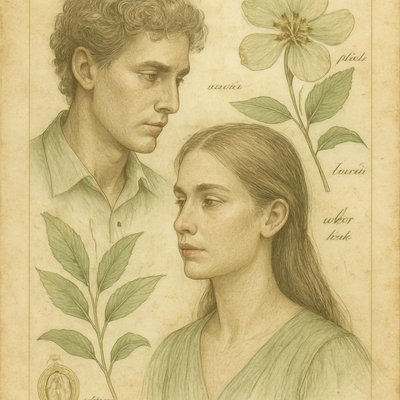
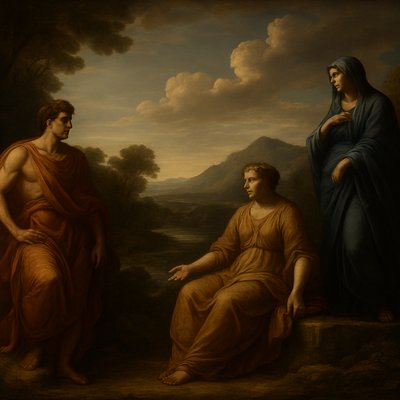
portrait of two people together
still life with everyday objects
serene landscape with mountains and water
portrait of a person with expressive eyes
bicyle resting against a wall
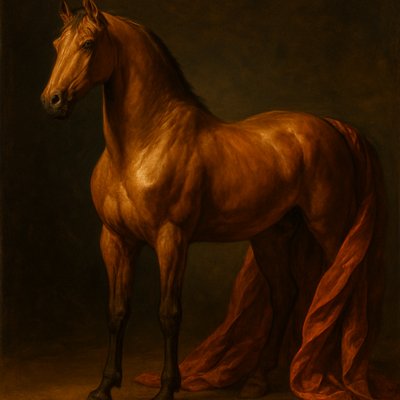
animal standing in natural pose
wide landscape with natural scenery
serene landscape with mountains and water
portrait of a person with expressive eyes
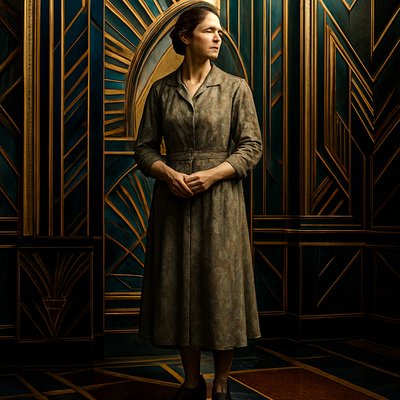
A woman dressed in Great Depression era fashion, standing in a dimly lit, humble setting. She wears a modest, long-sleeved dress made of durable, slightly faded cotton or rayon, with a mid-calf hemline. The dress is a muted color like dusty blue, faded green, or soft brown, possibly with a subtle, small floral or geometric pattern. Her hair is styled simply, perhaps in soft waves or a practical updo, and she wears sturdy, low-heeled lace-up shoes. Her posture is resilient, reflecting the strength of the era. The background is simple and sparse, hinting at the economic hardship, perhaps an old wooden wall or a faded curtain. The overall feeling is one of quiet determination and dignified hardship
Documentary Photography Style Style Transfer Example
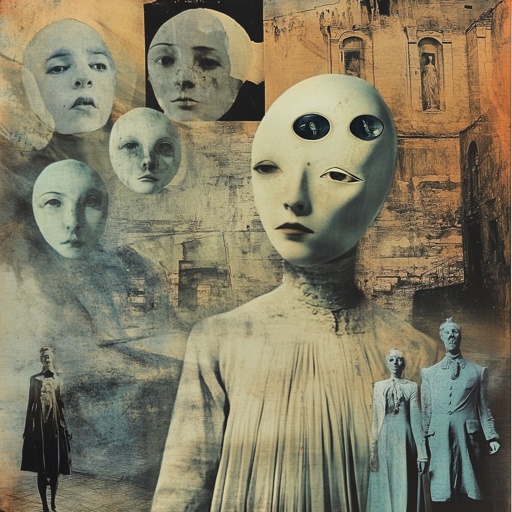
Video art with disjointed narrative and found footage in the art style of Neo-Dada --v 6.1
A woman dressed in Great Depression era fashion, standing in a dimly lit, humble setting. She wears a modest, long-sleeved dress made of durable, slightly faded cotton or rayon, with a mid-calf hemline. The dress is a muted color like dusty blue, faded green, or soft brown, possibly with a subtle, small floral or geometric pattern. Her hair is styled simply, perhaps in soft waves or a practical updo, and she wears sturdy, low-heeled lace-up shoes. Her posture is resilient, reflecting the strength of the era. The background is simple and sparse, hinting at the economic hardship, perhaps an old wooden wall or a faded curtain. The overall feeling is one of quiet determination and dignified hardship Use Art Deco architecture or Art Deco interior in the background, but describe the fashion as faded, worn, and humble. Juxtapose the sleek, modern geometry of the setting with the practical, mended, and heavy wool textures of the clothing.
still life with everyday objects
This calls for patient endurance on the part of the people of God who keep his commands and remain faithful to Jesus.
Data Visualization Contemporary Art Style Style Transfer Example
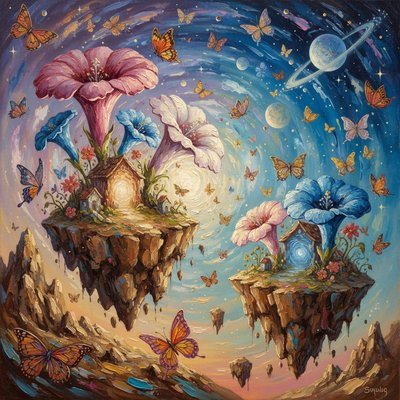
Floating islands with lush, fantastical flora • Celestial skies filled with moons, stars, and planetary orbits • Oversized flowers as emotional anchors or portals • Butterflies as messengers, memory-keepers, or guides • Dreamlike color palettes: soft pinks, deep blues, radiant whites • Gravity-defying compositions and layered atmosphere Using psychedelic art and impasto style art
 Floating islands with lush, fantastical flora
• Celestial skies filled with moons, stars, and planetary orbits
• Oversized flowers as emotional anchors or portals
• Butterflies as messengers, memory-keepers, or guides
• Dreamlike color palettes: soft pinks, deep blues, radiant whites
• Gravity-defying compositions and layered atmosphere
Using psychedelic art and impasto style art
still life with everyday objects
serene landscape with mountains and water
portrait of a person with expressive eyes
https://youtu.be/KgWm047RU7E?si=WddzumUKlw2KyyaI
bicyle resting against a wall