Jude 1:17 25 Art

Large-scale mural created by wall-drawing robot in the art style of Automated Drawing --v 6.1
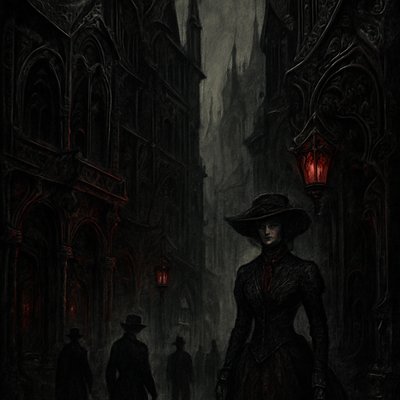
Eerie graveyard scene with ghostly apparitions in the art style of dark fantasy --v 6.1
Plotter drawing with precise geometric patterns in the art style of Automated Drawing --v 6.1
Abstract composition created by a drawing machine in the art style of Automated Drawing --v 6.1
Wood carving of mythical creatures and legends in the art style of Folk Art --v 6.1
Primal symbols and mythological references in a chaotic composition in the art style of Neo-Expressionism --v 6.1
Architectural design emphasizing function and materials in the art style of Constructivism --v 6.1
Dome interior with elaborate religious frescoes in the art style of Byzantine --v 6.1
Organic shapes blending into each other seamlessly in the art style of abstract art --v 6.1
Luxurious interior scene featuring geometric patterns and rich colors in the art style of Art Deco --v 6.1
a painting of a woman in a gold dress
A hyper-realistic, documentary-style photograph of the ancient Hebrew army from Judges 20:11. The low-angle perspective is within the ranks, showing thousands of battle-hardened men in leather and bronze armor. Focus on a tight group of soldiers actively clamping and interlocking their massive, round bronze-faced shields. Their muscles are strained, veins bulging, as they grip the shield edges and spear shafts, physically causing themselves to be fused into one solid unit (Hithpalpel causative-reflexive action). The pattern repeats (Reduplication) in an endless, rhythmic grid of humanity and metal. Dust rises, sweat glistens, faces are set in absolute, synchronized determination. Cinematic golden hour lighting (the vivid amber-orange of a Jerusalem sunset) catches the edges of the bronze, adding intense color and depth. Shallow depth of field, incredible historical texture, 8k resolution.
Golden age hero
generate a fake pregnancy ultrasound from 17week add my name Vivian Jisel Gamez hospital Ambergris Hope Hospital
Doctor Dr. Julio Mendez And my Date of Birth 31/12/2007 make it look relistic
Classic space invader alien design in ASCII in the art style of ASCII art --v 6.1
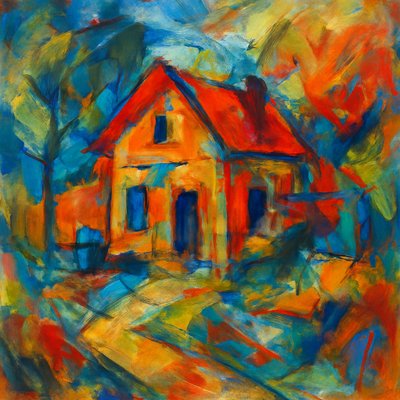
Seaside scene with bold, flat areas of color in the art style of Fauvism --v 6.1
An Angel of God standing with full armor, sword, and shield, with massive wings, in front of a great serpent --chaos 50 --ar 3:4 --exp 10 --quality 2 --sref 2186594613 173014855 94742072 1895225188 --stylize 1000
Grid-based design with contrasting colors for visual vibration in the art style of Op Art --v 6.1
Sleek skyscraper facade with zigzag and chevron motifs in the art style of Art Deco --v 6.1
Portrait with intense colors and emotional depth in the art style of Post-Impressionism --v 6.1
“Who hath put wisdom in the inward parts? or who hath given understanding to the heart?” (Job 38:36, KJV)
8-bit knight sprite
Basic car outline made with text characters in the art style of ASCII art --v 6.1
Pointillist composition of a riverside scene in the art style of Post-Impressionism --v 6.1
3D model with polygonal errors and texture glitches in the art style of Glitch Art --v 6.1
Portrait with sfumato technique and enigmatic smile in the art style of Renaissance --v 6.1
Voxel art character design for a video game hero in the art style of voxel art --v 6.1
Cafe terrace at night with vibrant yellows in the art style of Post-Impressionism --v 6.1
A historically accurate and atmospheric depiction of the signing of the Mayflower Compact aboard the ship in November 1620. The scene is set in the dimly lit, cramped cabin of the Mayflower, with the ship's timbers and rigging subtly visible, conveying the challenging conditions of the voyage. A simple table or chest serves as the signing surface. The primary focus is on a small group of the last individuals signing the document: specifically, the indentured servants (or 'strangers' not directly part of the Separatist congregation) approaching or at the table. Their expressions show a mix of weary determination, understanding of the necessity, and perhaps a hint of quiet apprehension or resignation to this new social contract, given their status. They are dressed in the plain, practical clothing typical of 17th-century commoners and laborers. Figures of prominent Pilgrims or 'Saints' (like William Bradford or John Carver) are visible in the background, observing the proceedings with a sense of gravity and leadership, but they are not the central focus. The lighting is low and warm, perhaps from a lantern, creating a chiaroscuro effect that highlights the faces of the signers. The atmosphere conveys the momentousness of the act under difficult circumstances, the diverse composition of the group, and the early seeds of self-governance in a new world. The artistic style is a realistic, historically detailed oil painting, capturing the solemnity and human element of this pivotal historical moment."
early 1900s American schoolhouse with snowy playground, dozens of children bundled in scarves and mittens, joyfully throwing snowballs, sliding down wooden sleds, climbing rustic playground equipment, nostalgic
A historically accurate and atmospheric depiction of the signing of the Mayflower Compact aboard the ship in November 1620. The scene is set in the dimly lit, cramped cabin of the Mayflower, with the ship's timbers and rigging subtly visible, conveying the challenging conditions of the voyage. A simple table or chest serves as the signing surface. The primary focus is on a small group of the last individuals signing the document: specifically, the indentured servants (or 'strangers' not directly part of the Separatist congregation) approaching or at the table. Their expressions show a mix of weary determination, understanding of the necessity, and perhaps a hint of quiet apprehension or resignation to this new social contract, given their status. They are dressed in the plain, practical clothing typical of 17th-century commoners and laborers. Figures of prominent Pilgrims or 'Saints' (like William Bradford or John Carver) are visible in the background, observing the proceedings with a sense of gravity and leadership, but they are not the central focus. The lighting is low and warm, perhaps from a lantern, creating a chiaroscuro effect that highlights the faces of the signers. The atmosphere conveys the momentousness of the act under difficult circumstances, the diverse composition of the group, and the early seeds of self-governance in a new world. The artistic style is a realistic, historically detailed oil painting, capturing the solemnity and human element of this pivotal historical moment."
Gritty Historical Realism Style, Cinematic Film Photography, Natural Daylight. A powerful, candid medium shot of the infamous pirate duo, Anne Bonny and Mary Read, standing side-by-side on the weathered wooden deck of the sloop Revenge in the Caribbean Sea (circa 1720).

The Subjects: Both are dressed in practical, worn 18th-century male sailor's attire—loose canvas breeches, oversized linen shirts, heavy leather waistcoats, and bandanas—scruffy clothing that disguises their gender at a distance but reveals them as fiercely capable women upon closer inspection. Their faces are sun-weathered, dirty, and determined.

Specific Details: Anne Bonny (left) has fiery red hair escaping a dark bandana and a tricorn hat pushed back; she holds a drawn cutlass and has a defiant, volatile expression. Mary Read (right) looks sturdier, wearing a heavy wool coat, arms crossed over her chest with two flintlock pistols visible in her sash, looking steady and calculating.


The Setting: The background is a chaotic, working pirate ship deck with coils of tarred rope, rigging, barrels, and a cannon. Beyond the rail is the turquoise ocean and a hazy tropical coastline. The lighting is harsh, midday sun, with salt spray in the air. The mood is tense, rebellious, and authentic. Film grain texture.
A historically accurate and atmospheric depiction of the signing of the Mayflower Compact aboard the ship in November 1620. The scene is set in the dimly lit, cramped cabin of the Mayflower, with the ship's timbers and rigging subtly visible, conveying the challenging conditions of the voyage. A simple table or chest serves as the signing surface. The primary focus is on a small group of the last individuals signing the document: specifically, the indentured servants (or 'strangers' not directly part of the Separatist congregation) approaching or at the table. Their expressions show a mix of weary determination, understanding of the necessity, and perhaps a hint of quiet apprehension or resignation to this new social contract, given their status. They are dressed in the plain, practical clothing typical of 17th-century commoners and laborers. Figures of prominent Pilgrims or 'Saints' (like William Bradford or John Carver) are visible in the background, observing the proceedings with a sense of gravity and leadership, but they are not the central focus. The lighting is low and warm, perhaps from a lantern, creating a chiaroscuro effect that highlights the faces of the signers. The atmosphere conveys the momentousness of the act under difficult circumstances, the diverse composition of the group, and the early seeds of self-governance in a new world. The artistic style is a realistic, historically detailed oil painting, capturing the solemnity and human element of this pivotal historical moment."
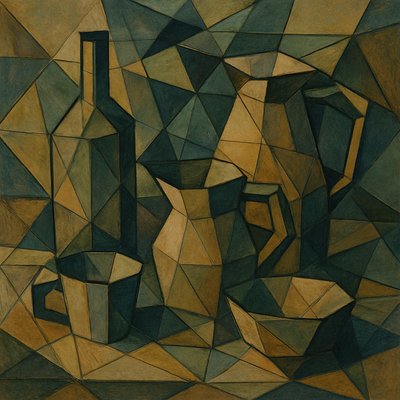
Pillow Fort Style Transfer Example
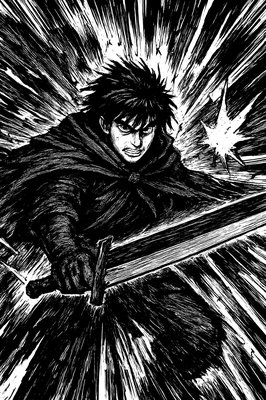
a black and white drawing of a monster attacking a man
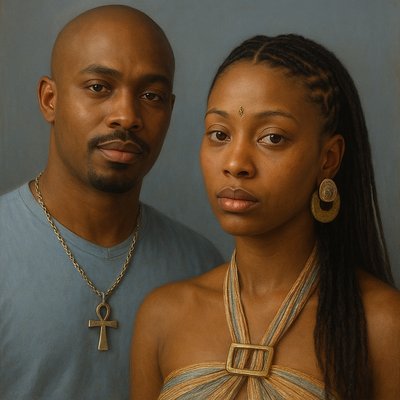
portrait of two people together
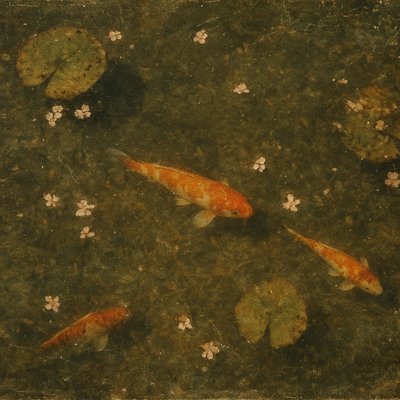
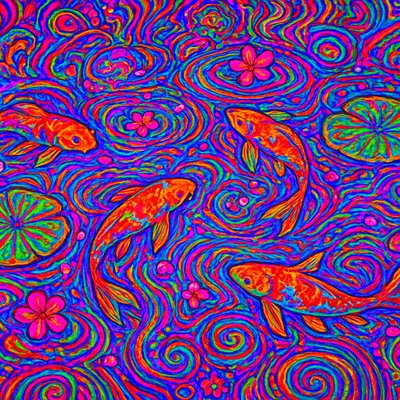
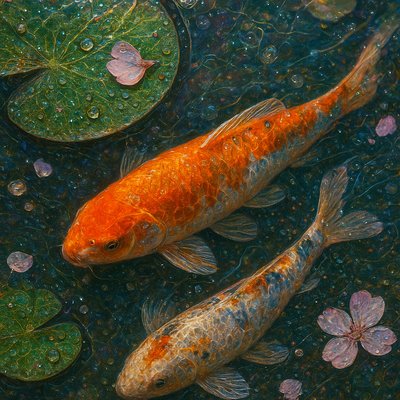
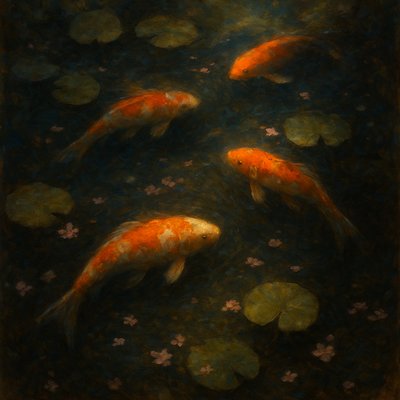
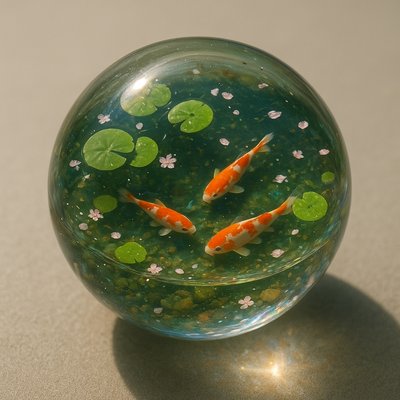
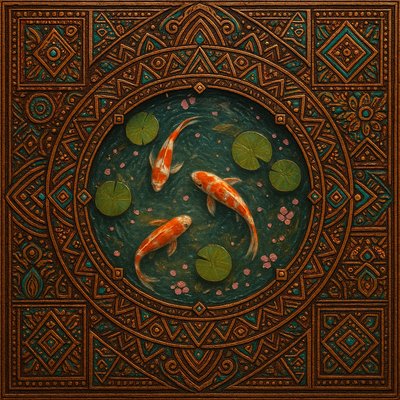
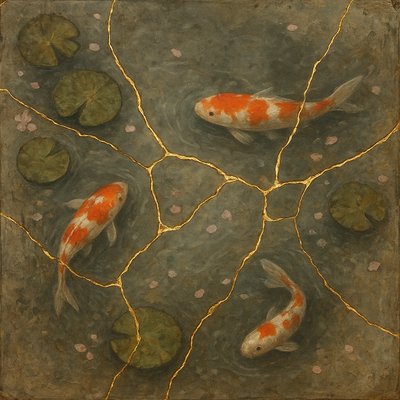
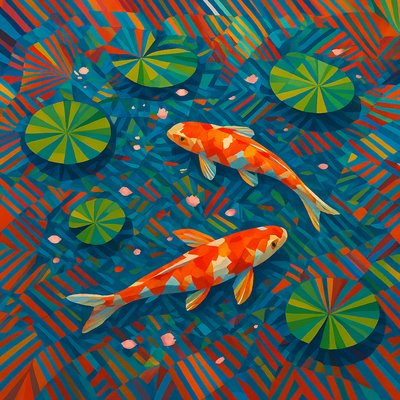
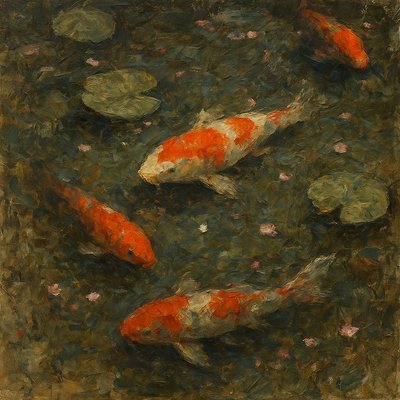
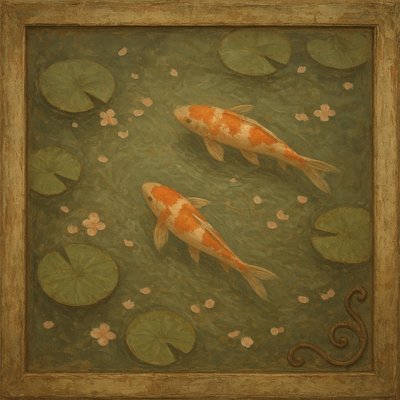
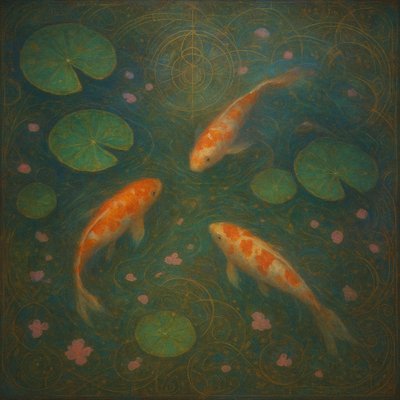
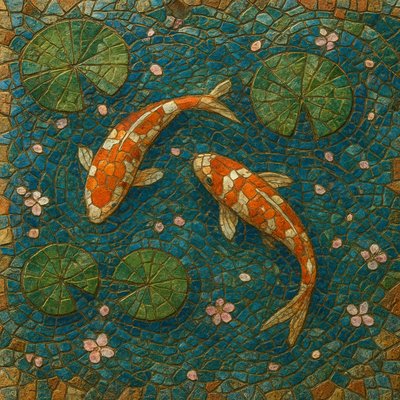
A koi pond seen from above, orange and white koi fish swimming among lily pads, clear water with subtle ripples, fallen cherry blossom petals floating on the surface, dappled sunlight