Invisible Architecture Surrealism Art Style Style Transfer Example Art

urban street with city activity
animal standing in natural pose
still life with everyday objects
portrait of two people together
wide landscape with natural scenery
serene landscape with mountains and water
portrait of a person with expressive eyes
still life arrangement of fruits and flowers
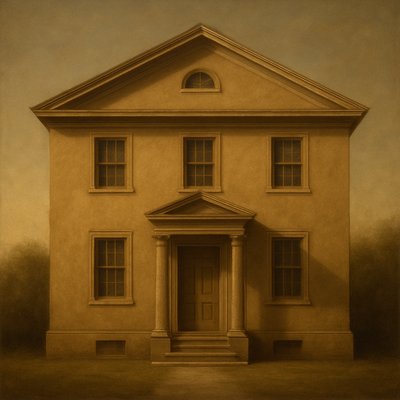
house with front view
bicyle resting against a wall
urban street with city activity
wide landscape with natural scenery
still life arrangement of fruits and flowers
portrait of a person with expressive eyes
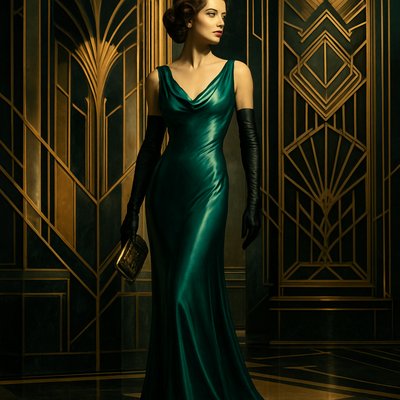
A statuesque woman dressed in high-fashion 1930s Great Depression era glamour, imbued with a strong Art Deco aesthetic. She stands confidently, showcasing a bias-cut evening gown of shimmering silk or satin in a rich jewel tone (e.g., emerald green, sapphire blue, ruby red, or metallic silver/gold). The gown features an elongated, sleek silhouette, perhaps a dramatic cowl neck, a plunging back, or subtle shoulder pads. Her hair is styled in soft, sculpted finger waves. She wears elegant, long gloves and carries a small, decorative clutch bag. The background is a sophisticated Art Deco interior, perhaps with geometric patterns, polished chrome details, and ambient, dramatic lighting, or she stands against a backdrop of Art Deco skyscraper architecture. The overall mood is one of sophistication, elegance, and timeless allure."
Ruins of modern architecture reclaimed by nature in the art style of Neo-Romanticism --v 6.1
Ocean waves
White structured coat
bicyle resting against a wall
animal standing in natural pose
still life with everyday objects
serene landscape with mountains and water
Historical scene with Roman architecture and togas in the art style of Neoclassicism --v 6.1
a tree in nature
portrait of two people together
animal standing in natural pose
still life with everyday objects
serene landscape with mountains and water
still life arrangement of fruits and flowers
Ruins of modern architecture reclaimed by nature in the art style of Neo-Romanticism --v 6.1
house with front view
urban street with city activity
portrait of two people together
wide landscape with natural scenery
portrait of a person with expressive eyes
still life arrangement of fruits and flowers
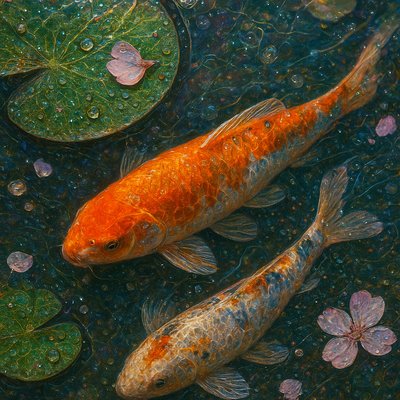
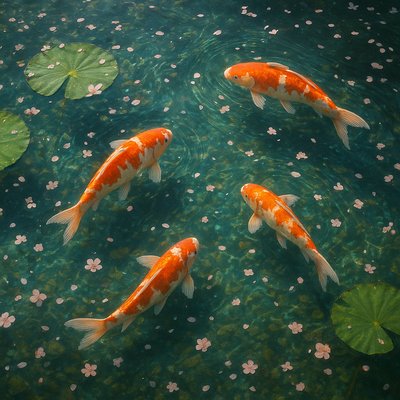
A koi pond seen from above, orange and white koi fish swimming among lily pads, clear water with subtle ripples, fallen cherry blossom petals floating on the surface, dappled sunlight
A detailed, ancient-style map of the land of Canaan, with distinct, labeled territories for the Hivites, Arkite, and Sinite people groups. Each territory should have subtle visual cues reflecting their possible historical characteristics or natural environments. For example, the Hivite territory could show some hilly or forested areas, the Arkite territory might feature a coastal city, and the Sinite territory could suggest a more inland or mountainous region. The map should have a weathered, parchment-like texture, with an elegant, old-world font for the labels. In one corner, a small, illuminated manuscript-style illustration could depict three distinct figures, each subtly representing one of the groups, perhaps dressed in period-appropriate attire and engaging in an activity typical of their region. The overall aesthetic should evoke historical scholarship and cartography."