Garden At Golden Hour Art

animal standing in natural pose
house with front view
urban street with city activity
animal standing in natural pose
a tree in nature
still life with everyday objects
a tree in nature
house with front view
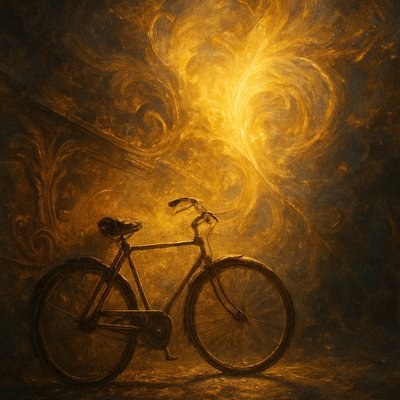
bicyle resting against a wall
a tree in nature
urban street with city activity
portrait of two people together
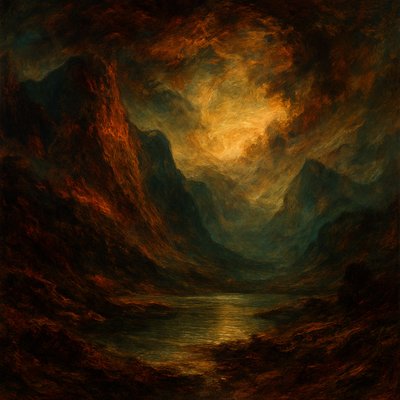
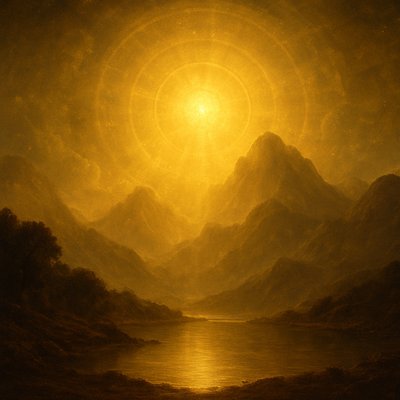
wide landscape with natural scenery
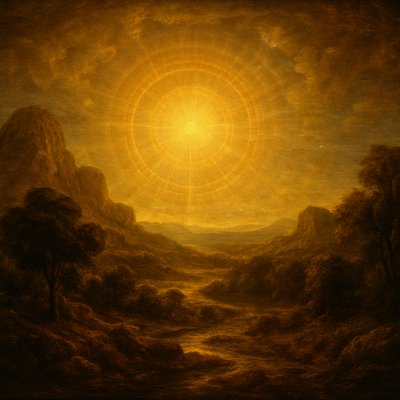
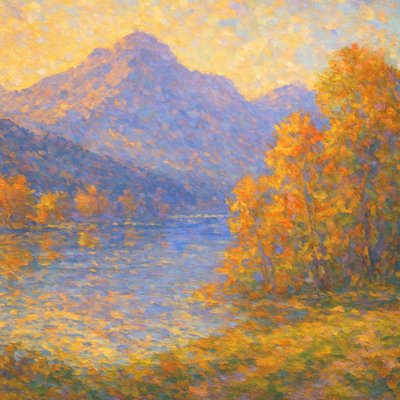
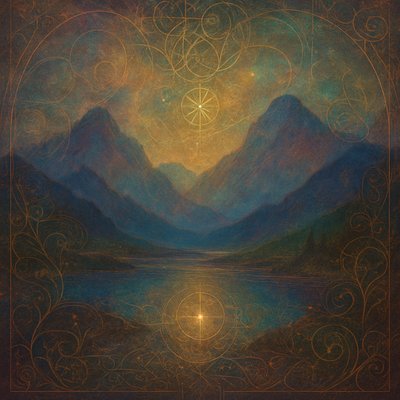
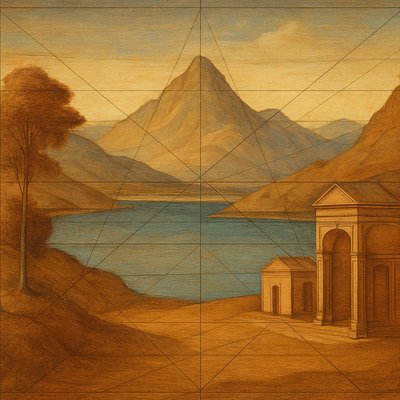
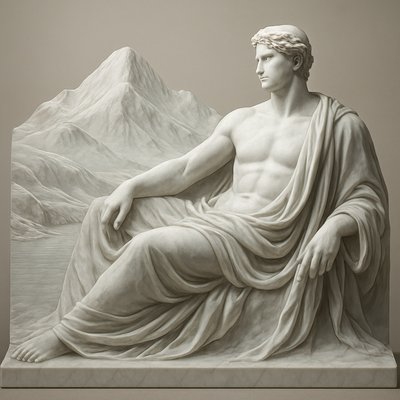
serene landscape with mountains and water
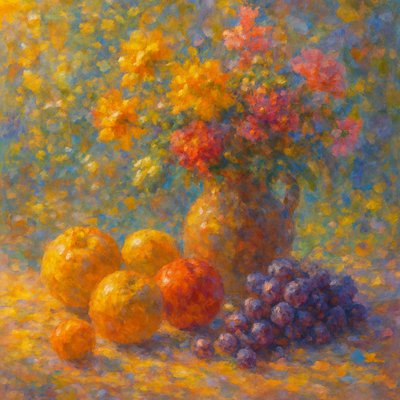
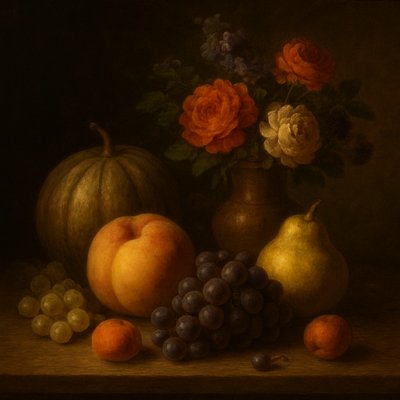
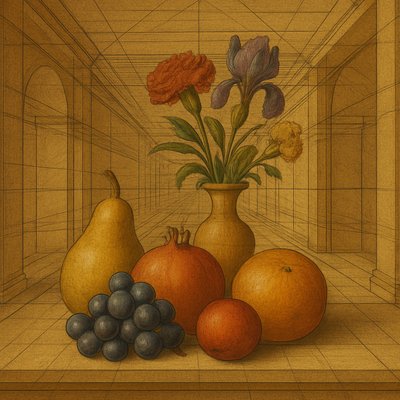
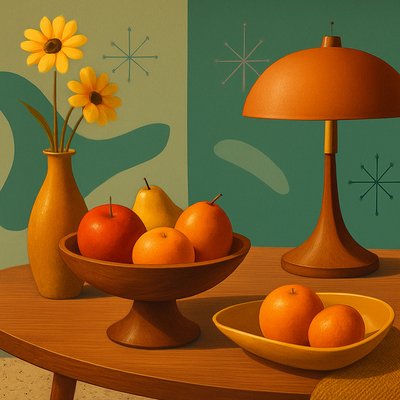
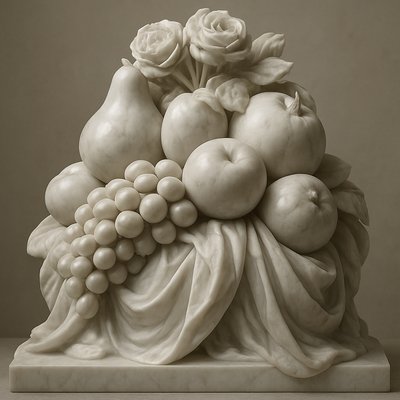
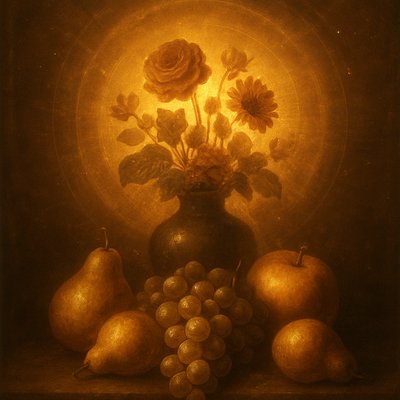
still life arrangement of fruits and flowers
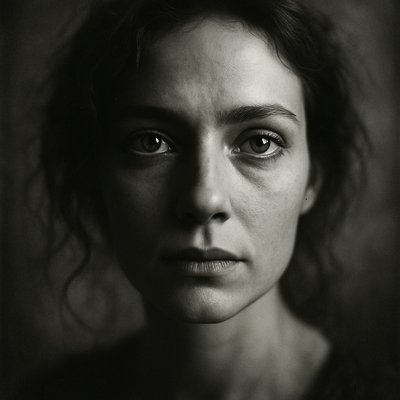
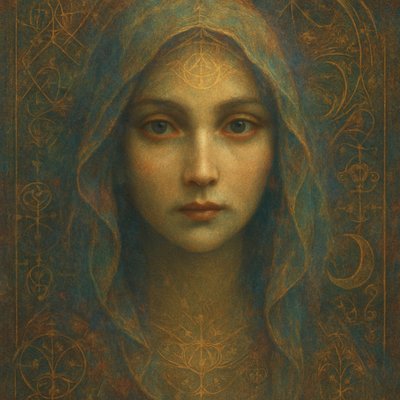
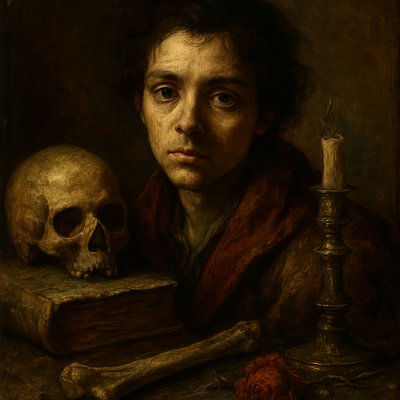
portrait of a person with expressive eyes
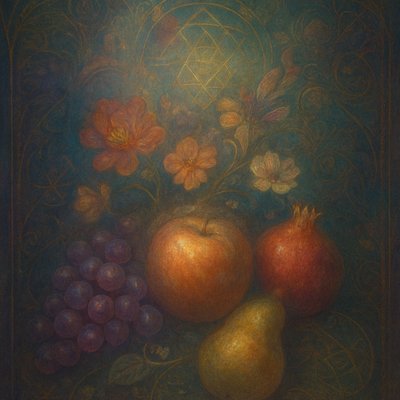
still life arrangement of fruits and flowers
serene landscape with mountains and water
portrait of a person with expressive eyes
still life arrangement of fruits and flowers
serene landscape with mountains and water
still life arrangement of fruits and flowers
portrait of a person with expressive eyes
serene landscape with mountains and water
still life arrangement of fruits and flowers
serene landscape with mountains and water
still life arrangement of fruits and flowers
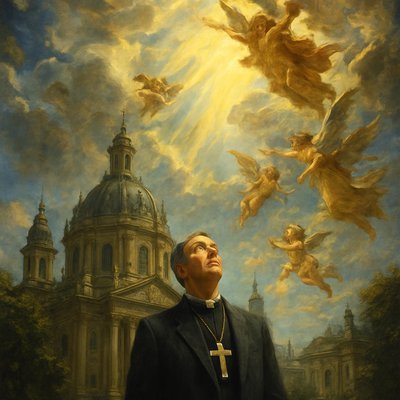
A human pastor wearing a suit with a big cross necklace, standing in front of a beautiful cathedral in a forest city as the sun rises in the distance
Human face
Smartphone as 1950s miracle product
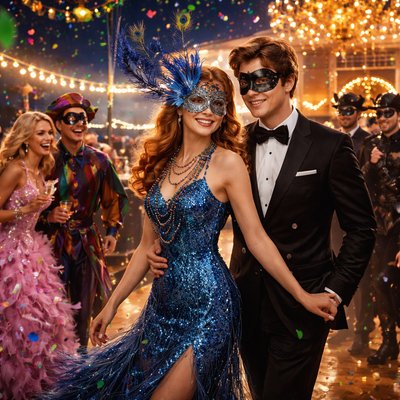
Elegant Mardi Gras party at the Silver Yacht Club in New Orleans at night from Nancy Drew book #81 The Mardi Gras Mystery. Luxurious yacht club deck or ballroom overlooking water, twinkling lights and purple/green/gold decorations, colorful beads and confetti in the air. Teenage detective Nancy Drew in center, reddish-blonde hair, wearing a sparkling blue masquerade gown with feathered mask, beads, and a determined yet smiling expression, dancing or mingling. Ned Nickerson beside her in a dashing tuxedo or masked costume, arm around her. Bess Marvin (blonde, glamorous) in a pink feathered ball gown laughing with George Fayne (short dark hair) in a fun jester or adventurous outfit. Brian Seaton and his father in partial bat-themed costumes with capes and masks nearby. Background: masked guests in elaborate gowns, tuxedos, and festive attire, live jazz band playing trumpets and saxophones, yacht masts or water view, chandeliers or string lights glowing, subtle suspenseful shadows hinting at mystery. Vibrant 1980s Nancy Drew book illustration style, adventurous festive atmosphere, detailed costumes, cinematic lighting with warm golden hues and colorful pops, high energy party scene
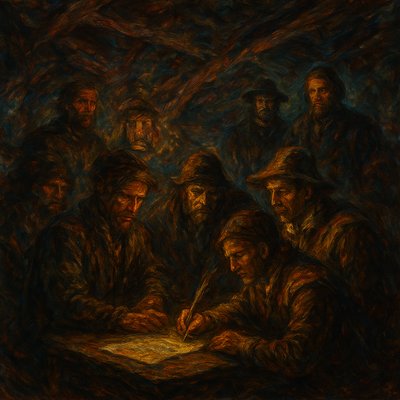
A historically accurate and atmospheric depiction of the signing of the Mayflower Compact aboard the ship in November 1620. The scene is set in the dimly lit, cramped cabin of the Mayflower, with the ship's timbers and rigging subtly visible, conveying the challenging conditions of the voyage. A simple table or chest serves as the signing surface. The primary focus is on a small group of the last individuals signing the document: specifically, the indentured servants (or 'strangers' not directly part of the Separatist congregation) approaching or at the table. Their expressions show a mix of weary determination, understanding of the necessity, and perhaps a hint of quiet apprehension or resignation to this new social contract, given their status. They are dressed in the plain, practical clothing typical of 17th-century commoners and laborers. Figures of prominent Pilgrims or 'Saints' (like William Bradford or John Carver) are visible in the background, observing the proceedings with a sense of gravity and leadership, but they are not the central focus. The lighting is low and warm, perhaps from a lantern, creating a chiaroscuro effect that highlights the faces of the signers. The atmosphere conveys the momentousness of the act under difficult circumstances, the diverse composition of the group, and the early seeds of self-governance in a new world. The artistic style is a realistic, historically detailed oil painting, capturing the solemnity and human element of this pivotal historical moment."
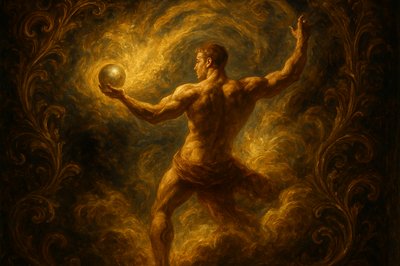
a painting of a man holding a ball
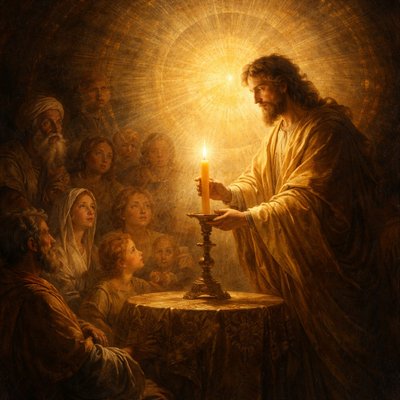
“No man, when he hath lighted a candle, covereth it with a vessel, or putteth it under a bed; but setteth it on a candlestick, that they which enter in may see the light.” (Luke 8:16, KJVA)
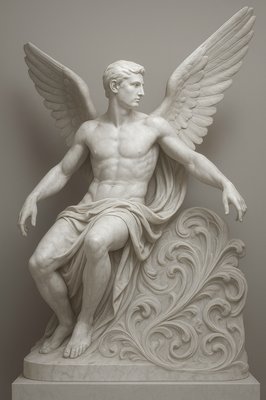
a statue of a man with wings on a pedestal
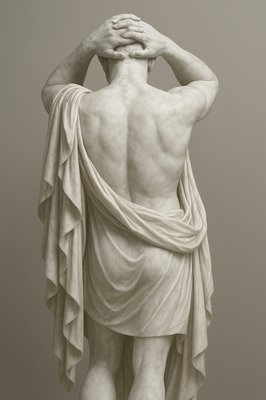
a statue of a man holding his hands to his head