Floating White Shelf Unit Art

"A historically accurate depiction of a Ghost Dance, focusing on the late 19th-century context, specifically around 1890-1891. The scene shows Lakota (Sioux) or Northern Paiute people (specify one or include elements of both, but avoid anachronisms) participating in the ceremony.

Setting: A vast, open prairie or high desert landscape, under an expansive sky. The time of day could be dusk or night, with a prominent moon or stars, or a bright, clear day. Avoid overtly spiritual or ethereal elements like floating spirits unless explicitly requested for a later, more symbolic iteration. The focus should be on the earthly ceremony.

Participants: A circle of men, women, and children, hand-in-hand, moving in a slow, rhythmic shuffle or circular motion. Their faces show a mixture of devotion, hope, and determination. Some may have expressions of trance or deep concentration.

Attire:

    Ghost Dance Shirts/Dresses: Emphasize the unique Ghost Dance shirts and dresses, which were typically made of muslin or canvas. These garments should feature painted designs such as stars, crescents, birds (especially eagles or crows), buffalo, human figures, or crosses. The designs should appear hand-painted, not mass-produced.

    Hair and Adornments: Participants should have braided hair or wear it long. Some may wear feathers (e.g., eagle or hawk feathers) in their hair. Minimal traditional adornments, as the focus was often on the Ghost Dance shirt itself. Avoid overly elaborate or Hollywood-esque depictions of war bonnets unless relevant to a specific individual and context.

    Footwear: Moccasins or bare feet.

Action/Atmosphere:

    The dancers are moving in a counter-clockwise circle, with a central figure or a small group often leading.

    The overall mood is one of earnest prayer and communal spiritual effort. The dance should convey a sense of hope for renewal and the return of the old ways, rather than aggression or despair.

    There might be a central pole or small fire as a focal point, around which the dance takes place.

    Avoid any signs of direct conflict or violence; the Ghost Dance itself was a non-violent spiritual movement.

Specific Considerations for Accuracy:

    Wovoka's Influence: The teachings of Wovoka (the Northern Paiute prophet) emphasized peace, hard work, and the return of the buffalo and deceased ancestors. The scene should subtly reflect this hopeful, redemptive spirit.

    Regional Variations: If focusing on Lakota, consider their specific interpretations, which sometimes included more imagery related to their warrior traditions on the shirts, but still within the peaceful framework of the dance.

    Respectful Portrayal: Ensure the depiction is respectful and avoids any stereotypical or caricatured representations of Indigenous people. Focus on their human dignity and spiritual sincerity.
Art Style: Analytical Cubism, avant-garde oil painting style reminiscent of Picasso and Braque.

Subject: A dense, tangled thicket of Rhododendrons and Mountain Laurel bushes.

Composition & Details: The entire natural scene is deconstructed into overlapping geometric planes, fractured shards, and intersecting angles. There are no curved lines; everything is rendered in cubes, cones, and trapezoids.

    The Rhododendrons: Large, showy flower trusses are broken into faceted crystalline structures of deep magenta, rose pink, and violet blocks, looking like explosions of colored quartz rather than soft petals.

    The Mountain Laurels: The smaller, intricate flowers are rendered as complex, repeating geometric star-patterns and angular cups in white and pale pink with distinct red polygonal markings.

    Foliage & Branches: The thick, leathery leaves are fragmented green triangles and parallelograms overlapping each other, creating a sense of depth without traditional perspective. The woody stems and branches are jagged, intersecting brown and grey cylinders that shatter across the frame.

Color & Texture: A palette of muted earth tones—ochre, burnt umber, forest green, and slate grey—contrasted sharply with the jewel-toned facets of the flower colors. The finish should have a heavy, textured oil paint feel with visible palette knife marks and rough brushwork.
Art Style: Analytical Cubism, avant-garde oil painting style reminiscent of Picasso and Braque.

Subject: A dense, tangled thicket of Rhododendrons and Mountain Laurel bushes.

Composition & Details: The entire natural scene is deconstructed into overlapping geometric planes, fractured shards, and intersecting angles. There are no curved lines; everything is rendered in cubes, cones, and trapezoids.

    The Rhododendrons: Large, showy flower trusses are broken into faceted crystalline structures of deep magenta, rose pink, and violet blocks, looking like explosions of colored quartz rather than soft petals.

    The Mountain Laurels: The smaller, intricate flowers are rendered as complex, repeating geometric star-patterns and angular cups in white and pale pink with distinct red polygonal markings.

    Foliage & Branches: The thick, leathery leaves are fragmented green triangles and parallelograms overlapping each other, creating a sense of depth without traditional perspective. The woody stems and branches are jagged, intersecting brown and grey cylinders that shatter across the frame.

Color & Texture: A palette of muted earth tones—ochre, burnt umber, forest green, and slate grey—contrasted sharply with the jewel-toned facets of the flower colors. The finish should have a heavy, textured oil paint feel with visible palette knife marks and rough brushwork.
Art Style: Analytical Cubism, avant-garde oil painting style reminiscent of Picasso and Braque.

Subject: A dense, tangled thicket of Rhododendrons and Mountain Laurel bushes.

Composition & Details: The entire natural scene is deconstructed into overlapping geometric planes, fractured shards, and intersecting angles. There are no curved lines; everything is rendered in cubes, cones, and trapezoids.

    The Rhododendrons: Large, showy flower trusses are broken into faceted crystalline structures of deep magenta, rose pink, and violet blocks, looking like explosions of colored quartz rather than soft petals.

    The Mountain Laurels: The smaller, intricate flowers are rendered as complex, repeating geometric star-patterns and angular cups in white and pale pink with distinct red polygonal markings.

    Foliage & Branches: The thick, leathery leaves are fragmented green triangles and parallelograms overlapping each other, creating a sense of depth without traditional perspective. The woody stems and branches are jagged, intersecting brown and grey cylinders that shatter across the frame.

Color & Texture: A palette of muted earth tones—ochre, burnt umber, forest green, and slate grey—contrasted sharply with the jewel-toned facets of the flower colors. The finish should have a heavy, textured oil paint feel with visible palette knife marks and rough brushwork.
Art Style: Analytical Cubism, avant-garde oil painting style reminiscent of Picasso and Braque.

Subject: A dense, tangled thicket of Rhododendrons and Mountain Laurel bushes.

Composition & Details: The entire natural scene is deconstructed into overlapping geometric planes, fractured shards, and intersecting angles. There are no curved lines; everything is rendered in cubes, cones, and trapezoids.

    The Rhododendrons: Large, showy flower trusses are broken into faceted crystalline structures of deep magenta, rose pink, and violet blocks, looking like explosions of colored quartz rather than soft petals.

    The Mountain Laurels: The smaller, intricate flowers are rendered as complex, repeating geometric star-patterns and angular cups in white and pale pink with distinct red polygonal markings.

    Foliage & Branches: The thick, leathery leaves are fragmented green triangles and parallelograms overlapping each other, creating a sense of depth without traditional perspective. The woody stems and branches are jagged, intersecting brown and grey cylinders that shatter across the frame.

Color & Texture: A palette of muted earth tones—ochre, burnt umber, forest green, and slate grey—contrasted sharply with the jewel-toned facets of the flower colors. The finish should have a heavy, textured oil paint feel with visible palette knife marks and rough brushwork.
Art Style: Analytical Cubism, avant-garde oil painting style reminiscent of Picasso and Braque.

Subject: A dense, tangled thicket of Rhododendrons and Mountain Laurel bushes.

Composition & Details: The entire natural scene is deconstructed into overlapping geometric planes, fractured shards, and intersecting angles. There are no curved lines; everything is rendered in cubes, cones, and trapezoids.

    The Rhododendrons: Large, showy flower trusses are broken into faceted crystalline structures of deep magenta, rose pink, and violet blocks, looking like explosions of colored quartz rather than soft petals.

    The Mountain Laurels: The smaller, intricate flowers are rendered as complex, repeating geometric star-patterns and angular cups in white and pale pink with distinct red polygonal markings.

    Foliage & Branches: The thick, leathery leaves are fragmented green triangles and parallelograms overlapping each other, creating a sense of depth without traditional perspective. The woody stems and branches are jagged, intersecting brown and grey cylinders that shatter across the frame.

Color & Texture: A palette of muted earth tones—ochre, burnt umber, forest green, and slate grey—contrasted sharply with the jewel-toned facets of the flower colors. The finish should have a heavy, textured oil paint feel with visible palette knife marks and rough brushwork.
Art Style: Analytical Cubism, avant-garde oil painting style reminiscent of Picasso and Braque.

Subject: A dense, tangled thicket of Rhododendrons and Mountain Laurel bushes.

Composition & Details: The entire natural scene is deconstructed into overlapping geometric planes, fractured shards, and intersecting angles. There are no curved lines; everything is rendered in cubes, cones, and trapezoids.

    The Rhododendrons: Large, showy flower trusses are broken into faceted crystalline structures of deep magenta, rose pink, and violet blocks, looking like explosions of colored quartz rather than soft petals.

    The Mountain Laurels: The smaller, intricate flowers are rendered as complex, repeating geometric star-patterns and angular cups in white and pale pink with distinct red polygonal markings.

    Foliage & Branches: The thick, leathery leaves are fragmented green triangles and parallelograms overlapping each other, creating a sense of depth without traditional perspective. The woody stems and branches are jagged, intersecting brown and grey cylinders that shatter across the frame.

Color & Texture: A palette of muted earth tones—ochre, burnt umber, forest green, and slate grey—contrasted sharply with the jewel-toned facets of the flower colors. The finish should have a heavy, textured oil paint feel with visible palette knife marks and rough brushwork.
Assumption into heaven
Art Style: Analytical Cubism, avant-garde oil painting style reminiscent of Picasso and Braque.

Subject: A dense, tangled thicket of Rhododendrons and Mountain Laurel bushes.

Composition & Details: The entire natural scene is deconstructed into overlapping geometric planes, fractured shards, and intersecting angles. There are no curved lines; everything is rendered in cubes, cones, and trapezoids.

    The Rhododendrons: Large, showy flower trusses are broken into faceted crystalline structures of deep magenta, rose pink, and violet blocks, looking like explosions of colored quartz rather than soft petals.

    The Mountain Laurels: The smaller, intricate flowers are rendered as complex, repeating geometric star-patterns and angular cups in white and pale pink with distinct red polygonal markings.

    Foliage & Branches: The thick, leathery leaves are fragmented green triangles and parallelograms overlapping each other, creating a sense of depth without traditional perspective. The woody stems and branches are jagged, intersecting brown and grey cylinders that shatter across the frame.

Color & Texture: A palette of muted earth tones—ochre, burnt umber, forest green, and slate grey—contrasted sharply with the jewel-toned facets of the flower colors. The finish should have a heavy, textured oil paint feel with visible palette knife marks and rough brushwork.
Art Style: Analytical Cubism, avant-garde oil painting style reminiscent of Picasso and Braque.

Subject: A dense, tangled thicket of Rhododendrons and Mountain Laurel bushes.

Composition & Details: The entire natural scene is deconstructed into overlapping geometric planes, fractured shards, and intersecting angles. There are no curved lines; everything is rendered in cubes, cones, and trapezoids.

    The Rhododendrons: Large, showy flower trusses are broken into faceted crystalline structures of deep magenta, rose pink, and violet blocks, looking like explosions of colored quartz rather than soft petals.

    The Mountain Laurels: The smaller, intricate flowers are rendered as complex, repeating geometric star-patterns and angular cups in white and pale pink with distinct red polygonal markings.

    Foliage & Branches: The thick, leathery leaves are fragmented green triangles and parallelograms overlapping each other, creating a sense of depth without traditional perspective. The woody stems and branches are jagged, intersecting brown and grey cylinders that shatter across the frame.

Color & Texture: A palette of muted earth tones—ochre, burnt umber, forest green, and slate grey—contrasted sharply with the jewel-toned facets of the flower colors. The finish should have a heavy, textured oil paint feel with visible palette knife marks and rough brushwork.
Art Style: Analytical Cubism, avant-garde oil painting style reminiscent of Picasso and Braque.

Subject: A dense, tangled thicket of Rhododendrons and Mountain Laurel bushes.

Composition & Details: The entire natural scene is deconstructed into overlapping geometric planes, fractured shards, and intersecting angles. There are no curved lines; everything is rendered in cubes, cones, and trapezoids.

    The Rhododendrons: Large, showy flower trusses are broken into faceted crystalline structures of deep magenta, rose pink, and violet blocks, looking like explosions of colored quartz rather than soft petals.

    The Mountain Laurels: The smaller, intricate flowers are rendered as complex, repeating geometric star-patterns and angular cups in white and pale pink with distinct red polygonal markings.

    Foliage & Branches: The thick, leathery leaves are fragmented green triangles and parallelograms overlapping each other, creating a sense of depth without traditional perspective. The woody stems and branches are jagged, intersecting brown and grey cylinders that shatter across the frame.

Color & Texture: A palette of muted earth tones—ochre, burnt umber, forest green, and slate grey—contrasted sharply with the jewel-toned facets of the flower colors. The finish should have a heavy, textured oil paint feel with visible palette knife marks and rough brushwork.
Art Style: Analytical Cubism, avant-garde oil painting style reminiscent of Picasso and Braque.

Subject: A dense, tangled thicket of Rhododendrons and Mountain Laurel bushes.

Composition & Details: The entire natural scene is deconstructed into overlapping geometric planes, fractured shards, and intersecting angles. There are no curved lines; everything is rendered in cubes, cones, and trapezoids.

    The Rhododendrons: Large, showy flower trusses are broken into faceted crystalline structures of deep magenta, rose pink, and violet blocks, looking like explosions of colored quartz rather than soft petals.

    The Mountain Laurels: The smaller, intricate flowers are rendered as complex, repeating geometric star-patterns and angular cups in white and pale pink with distinct red polygonal markings.

    Foliage & Branches: The thick, leathery leaves are fragmented green triangles and parallelograms overlapping each other, creating a sense of depth without traditional perspective. The woody stems and branches are jagged, intersecting brown and grey cylinders that shatter across the frame.

Color & Texture: A palette of muted earth tones—ochre, burnt umber, forest green, and slate grey—contrasted sharply with the jewel-toned facets of the flower colors. The finish should have a heavy, textured oil paint feel with visible palette knife marks and rough brushwork.
    A breathtaking, full-size artistic sculpture of a standing buffalo, rendered entirely in the style of intricate, luminous glass art, reminiscent of the painted buffalo installations. The buffalo's majestic form is composed of countless individual pieces of vibrant, multifaceted stained glass or fused glass, meticulously cut, arranged, and joined.

    The entire surface of this glass buffalo is adorned with various miniature, finely detailed scenes and patterns etched, painted, or embedded within the glass itself, or created by the unique coloration and texture of the glass pieces. These scenes depict:

        Iconic Yellowstone landscapes: Old Faithful erupting in miniature, the Grand Canyon of the Yellowstone, geothermal pools.

        Local wildlife: Elk, bears, wolves, eagles (all rendered in the glass medium).

        Native American art motifs: Geometric patterns, symbols, and figures (also within the glass).

    The buffalo's interior is subtly illuminated, causing the entire sculpture to glow from within, acting as a beacon of art and nature. Light catches every facet of the glass, creating a dazzling play of refracted colors that project intricate patterns onto the surrounding natural environment.

    The setting is the glory of Yellowstone National Park, specifically an expansive, iconic vista. Perhaps in a verdant meadow with distant geysers steaming, or near a crystal-clear river. The morning sun, bright and golden, backlights the buffalo, intensifying its inner glow and creating a dramatic contrast with the rugged, natural beauty of the park. The atmosphere is one of awe, harmony between art and nature, and a profound celebration of the spirit of the American West. The artistic style is hyper-realistic, emphasizing the detailed texture, transparency, and brilliant light play inherent in glass art, seamlessly integrated into a vibrant, natural landscape.
    A breathtaking, full-size artistic sculpture of a standing buffalo, rendered entirely in the style of intricate, luminous glass art, reminiscent of the painted buffalo installations found in West Yellowstone art shows. The buffalo's form is composed of countless individual pieces of vibrant, multifaceted stained glass or fused glass, meticulously cut, arranged, and joined, creating a cohesive and majestic shape.

    Instead of traditional paint, the entire surface of this glass buffalo is adorned with various miniature, finely detailed scenes and patterns etched, painted, or embedded within the glass itself, or created by the unique coloration and texture of the glass pieces. These scenes could depict:

        Western landscapes: Yellowstone's geysers, mountain ranges, pine forests, rivers.

        Wildlife: Elk, bears, wolves, eagles (in glass).

        Native American art motifs: Geometric patterns, symbols, and figures (also rendered in glass).

        Historical moments: Subtle nods to early explorers or iconic figures (stylized in glass).

    The buffalo's interior is subtly illuminated, causing the entire sculpture to glow from within. Light catches every facet of the glass, creating a dazzling play of refracted colors and intricate shadows on the ground around it. The background is a clean, modern art gallery setting with soft, focused lighting, allowing the buffalo to be the sole, radiant centerpiece. The atmosphere is one of awe, wonder, and appreciation for artistic craftsmanship and the spirit of the American West, reimagined through a unique, luminous medium. The artistic style is hyper-realistic, emphasizing the detailed texture, transparency, and brilliant light play inherent in glass art."
    A breathtaking, full-size artistic sculpture of a standing buffalo, rendered entirely in the style of intricate, luminous glass art, reminiscent of the painted buffalo installations. The buffalo's majestic form is composed of countless individual pieces of vibrant, multifaceted stained glass or fused glass, meticulously cut, arranged, and joined.

    The entire surface of this glass buffalo is adorned with various miniature, finely detailed scenes and patterns etched, painted, or embedded within the glass itself, or created by the unique coloration and texture of the glass pieces. These scenes depict:

        Iconic Yellowstone landscapes: Old Faithful erupting in miniature, the Grand Canyon of the Yellowstone, geothermal pools.

        Local wildlife: Elk, bears, wolves, eagles (all rendered in the glass medium).

        Native American art motifs: Geometric patterns, symbols, and figures (also within the glass).

    The buffalo's interior is subtly illuminated, causing the entire sculpture to glow from within, acting as a beacon of art and nature. Light catches every facet of the glass, creating a dazzling play of refracted colors that project intricate patterns onto the surrounding natural environment.

    The setting is the glory of Yellowstone National Park, specifically an expansive, iconic vista. Perhaps in a verdant meadow with distant geysers steaming, or near a crystal-clear river. The morning sun, bright and golden, backlights the buffalo, intensifying its inner glow and creating a dramatic contrast with the rugged, natural beauty of the park. The atmosphere is one of awe, harmony between art and nature, and a profound celebration of the spirit of the American West. The artistic style is hyper-realistic, emphasizing the detailed texture, transparency, and brilliant light play inherent in glass art, seamlessly integrated into a vibrant, natural landscape.
· À savoir :
  · L’Allemagne lance une grande attaque au printemps 1918.
  · Ils ont besoin de jeunes soldats en urgence.
  · Ils promettent une victoire rapide.

5. Choix des symboles pour mon affiche

· Ce que je vais mettre :
  · Un aigle noir (symbole de l’Empire).
  · Un jeune homme qui passe de civil à soldat.
  · Un ciel orageux ou un champ de bataille en arrière-plan.
  · Pas de couleurs joyeuses : surtout noir, blanc, rouge.

6. Croquis et réalisation à la main

· Titre :
  OFFENSIVE DU KAISER – 1918
. En gros, en rouge, style ancien ou gothique.
· Image principale :
  Un jeune regarde un aigle énorme qui plane sur des tranchées.
· Texte d’accroche :
  Dein Vaterland braucht DICH. JETZT !
  (Ta patrie a besoin de TOI. MAINTENANT !)
· Texte secondaire :
  Melde Dich freiwillig. Ehre, Pflicht, Sieg.
  (Engage-toi volontaire. Honneur, Devoir, Victoire.)
· Infos pratiques :
  Freiwilligenannahme Berlin, Nürnberger Str. 70-71.   5 Mk. tägliche Zulage. Freie Ausrüstung.
· En bas :
  IMPERIALE DRUCKEREI · BERLIN · 1918


Style graphique :

· Noir et blanc + touches de rouge.
· Dessin sérieux, pas de déco inutile 
Texte
Cinematic Still Life Photography, Atmospheric Chiaroscuro Lighting, Macro Details. A high-stakes chess game mid-match, set upon a unique, well-worn board inside the dimly lit quarters of a pirate captain.

The Board: The chessboard isn't separate; the squares are carved directly into the surface of a thick, heavy oak table, stained with rum rings and knife marks. The light squares are inlaid, scratched mother-of-pearl, and the dark squares are burned wood.

The Pieces in Play: The unique pirate-themed pieces (from the previous design) are scattered across the board.

    One side (The 'White' pieces): Carved from aged, yellowed whale bone. A "King Captain" piece is cornered behind a line of "Pawn Deckhands."

    The other side (The 'Black' pieces): Cast from heavy, tarnished blackened iron. An iron "Knight Boarding Party" piece (on a rope swing) is aggressively positioned near the center.

The Atmosphere: The scene is lit dramatically by a single, smoky oil lantern hanging overhead, casting long shadows. Scattered around the board on the table are a few real gold doubloons mixed with captured pieces, a half-empty bottle of grog, and a rolled-up parchment chart. The background is dark wood paneling and a glimpse of a flintlock pistol. The focus is razor-sharp on the textures of the carved bone and corroded iron pieces.
Cinematic Still Life Photography, Atmospheric Chiaroscuro Lighting, Macro Details. A high-stakes chess game mid-match, set upon a unique, well-worn board inside the dimly lit quarters of a pirate captain.

The Board: The chessboard isn't separate; the squares are carved directly into the surface of a thick, heavy oak table, stained with rum rings and knife marks. The light squares are inlaid, scratched mother-of-pearl, and the dark squares are burned wood.

The Pieces in Play: The unique pirate-themed pieces (from the previous design) are scattered across the board.

    One side (The 'White' pieces): Carved from aged, yellowed whale bone. A "King Captain" piece is cornered behind a line of "Pawn Deckhands."

    The other side (The 'Black' pieces): Cast from heavy, tarnished blackened iron. An iron "Knight Boarding Party" piece (on a rope swing) is aggressively positioned near the center.

The Atmosphere: The scene is lit dramatically by a single, smoky oil lantern hanging overhead, casting long shadows. Scattered around the board on the table are a few real gold doubloons mixed with captured pieces, a half-empty bottle of grog, and a rolled-up parchment chart. The background is dark wood paneling and a glimpse of a flintlock pistol. The focus is razor-sharp on the textures of the carved bone and corroded iron pieces.
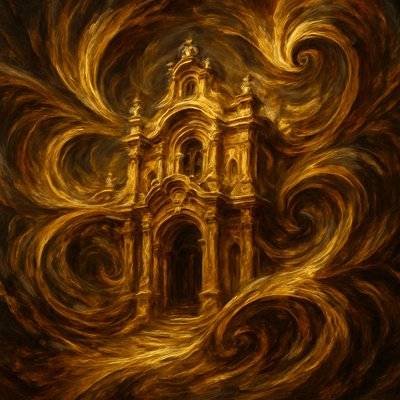
A human pastor wearing a suit with a big cross necklace, standing in front of a beautiful cathedral in a forest city as the sun rises in the distance
Minimalist Fashion Design Style Transfer Example
a tree in nature
Minimalist Fashion Design Style Transfer Example
Elegant Mardi Gras party at the Silver Yacht Club in New Orleans at night from Nancy Drew book #81 The Mardi Gras Mystery. Luxurious yacht club deck or ballroom overlooking water, twinkling lights and purple/green/gold decorations, colorful beads and confetti in the air. Teenage detective Nancy Drew in center, reddish-blonde hair, wearing a sparkling blue masquerade gown with feathered mask, beads, and a determined yet smiling expression, dancing or mingling. Ned Nickerson beside her in a dashing tuxedo or masked costume, arm around her. Bess Marvin (blonde, glamorous) in a pink feathered ball gown laughing with George Fayne (short dark hair) in a fun jester or adventurous outfit. Brian Seaton and his father in partial bat-themed costumes with capes and masks nearby. Background: masked guests in elaborate gowns, tuxedos, and festive attire, live jazz band playing trumpets and saxophones, yacht masts or water view, chandeliers or string lights glowing, subtle suspenseful shadows hinting at mystery. Vibrant 1980s Nancy Drew book illustration style, adventurous festive atmosphere, detailed costumes, cinematic lighting with warm golden hues and colorful pops, high energy party scene
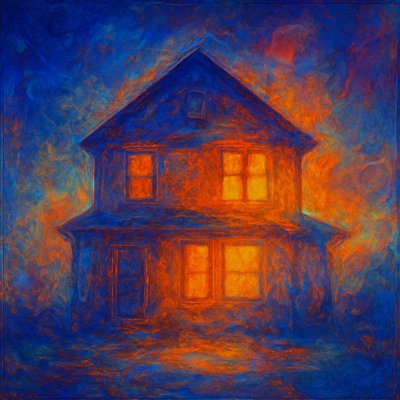
house with front view
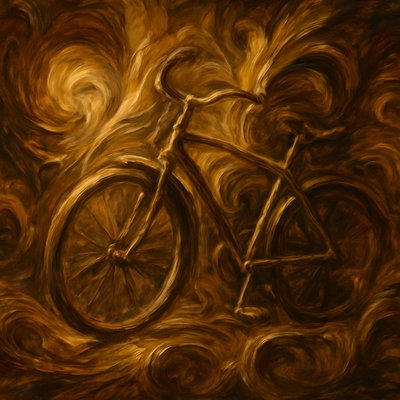
bicyle resting against a wall
urban street with city activity
still life with everyday objects
portrait of two people together
Outfit for new york during winter
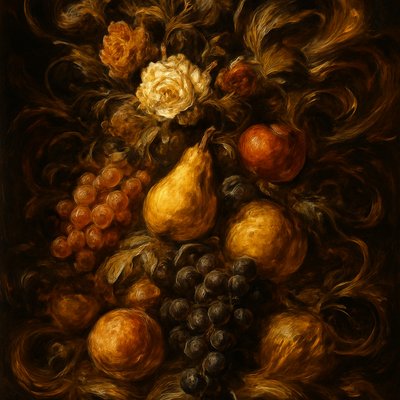
still life arrangement of fruits and flowers
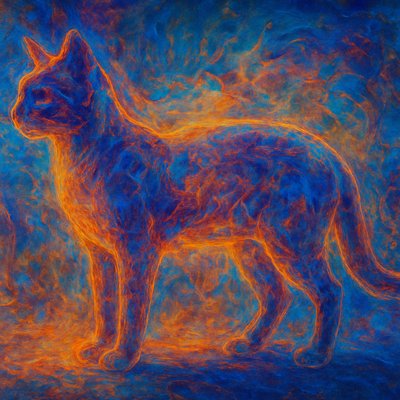
animal standing in natural pose
wide landscape with natural scenery
New York, Winter, Fashion Week
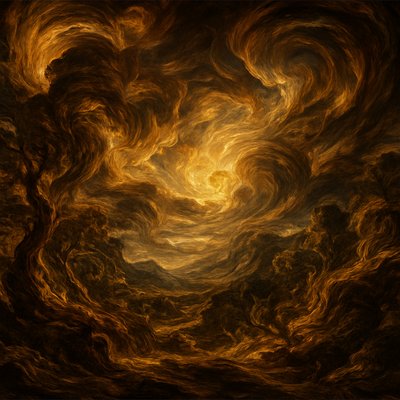
serene landscape with mountains and water
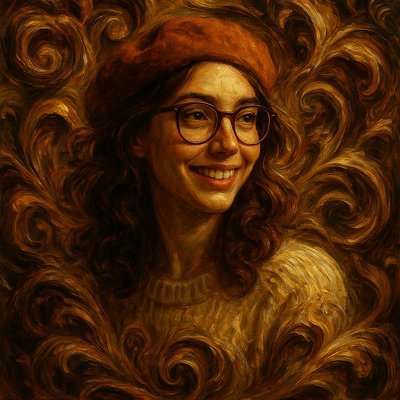
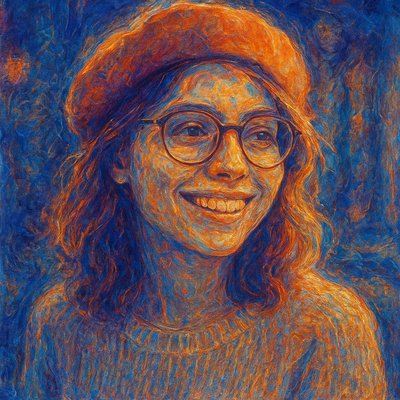
portrait of a person with expressive eyes
Elegant Mardi Gras party at the Silver Yacht Club in New Orleans at night from Nancy Drew book #81 The Mardi Gras Mystery. Luxurious yacht club deck or ballroom overlooking water, twinkling lights and purple/green/gold decorations, colorful beads and confetti in the air. Teenage detective Nancy Drew in center, reddish-blonde hair, wearing a sparkling blue masquerade gown with feathered mask, beads, and a determined yet smiling expression, dancing or mingling. Ned Nickerson beside her in a dashing tuxedo or masked costume, arm around her. Bess Marvin (blonde, glamorous) in a pink feathered ball gown laughing with George Fayne (short dark hair) in a fun jester or adventurous outfit. Brian Seaton and his father in partial bat-themed costumes with capes and masks nearby. Background: masked guests in elaborate gowns, tuxedos, and festive attire, live jazz band playing trumpets and saxophones, yacht masts or water view, chandeliers or string lights glowing, subtle suspenseful shadows hinting at mystery. Vibrant 1980s Nancy Drew book illustration style, adventurous festive atmosphere, detailed costumes, cinematic lighting with warm golden hues and colorful pops, high energy party scene
Exterior nighttime scene from Nancy Drew book #81 The Mardi Gras Mystery, the group in full festive costumes arriving at the grand, shadowy Seaton Mansion known as 'Bat Hollow' in New Orleans during Mardi Gras. Teenage detective Nancy Drew leads the way with reddish-blonde hair, wearing an elegant masquerade gown in blue and gold with purple accents, feathered half-mask, strands of colorful beads, and a mysterious smile. Beside her, Ned Nickerson in a dashing tuxedo or pirate-inspired costume with cape and tricorn hat. Bess Marvin (blonde, glamorous) in a sparkling pink feathered ball gown and elaborate headdress, George Fayne (short dark hair, sporty) in a fun jester outfit or adventurous explorer costume with mask. Brian Seaton and his father Bartholomew nearby in partial bat-themed costumes—dark capes, bat-wing collars, eerie masks with pointed ears. The historic Southern mansion looms behind: tall columns, wrought-iron balconies draped with Mardi Gras lights and purple/green/gold banners, flickering lanterns at the entrance, Spanish moss in ancient oaks, subtle bat motifs in the architecture, warm glowing windows hinting at antique interiors and the stolen portrait. Festive yet slightly eerie atmosphere—confetti in the air, distant parade sounds implied, dramatic twilight sky with stars, vibrant colors against gothic shadows. 1980s Nancy Drew book illustration style, adventurous and exciting, detailed costumes and group dynamic, cinematic wide-angle composition, lively holiday energy mixed with subtle suspense."
Intricate mandala design representing cosmic unity in the art style of Visionary Art --v 6.1