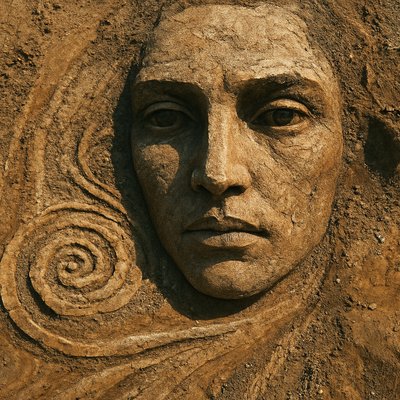
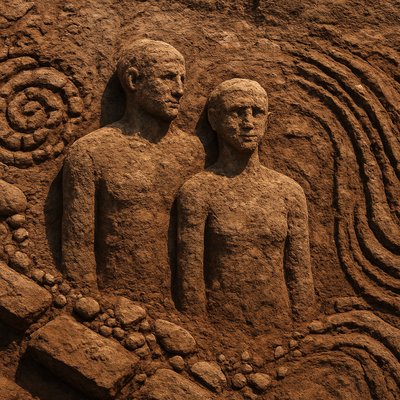
Figure Emerging From Wall Art

wide landscape with natural scenery
a tree in nature
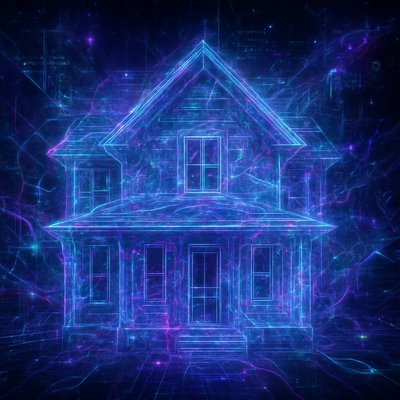
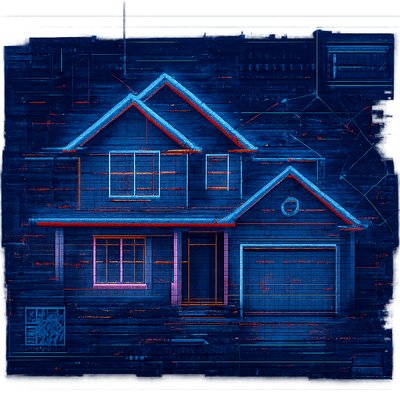
house with front view
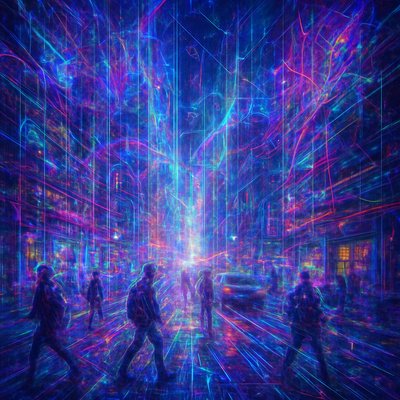
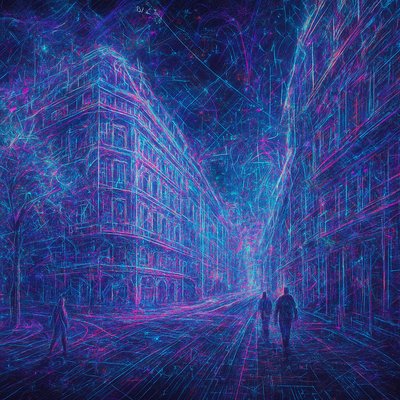
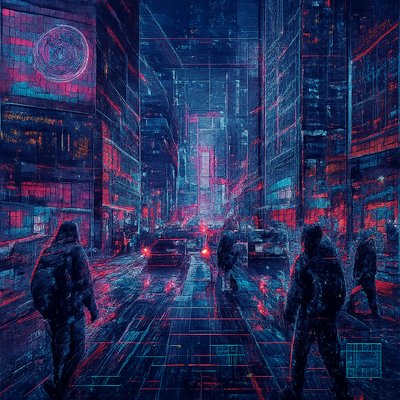
urban street with city activity
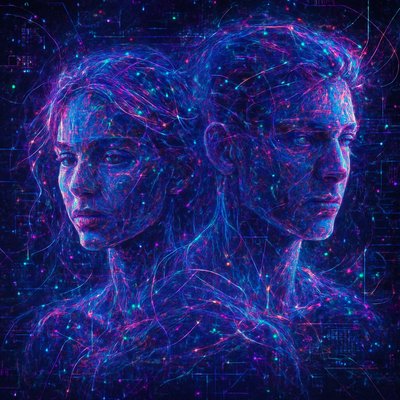
portrait of two people together
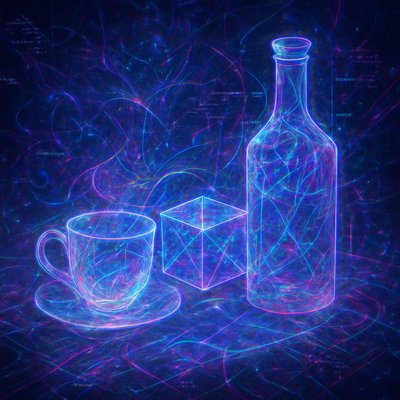
still life with everyday objects
wide landscape with natural scenery

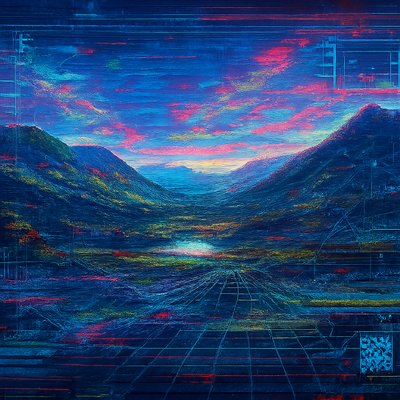
serene landscape with mountains and water
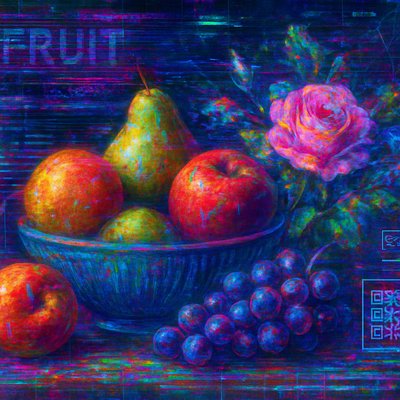
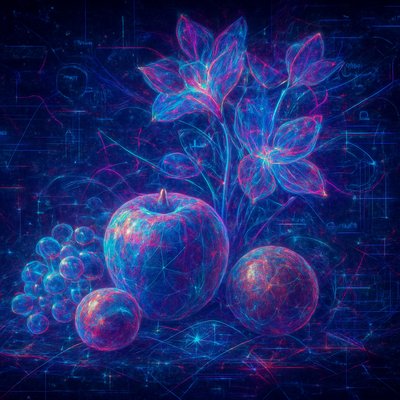
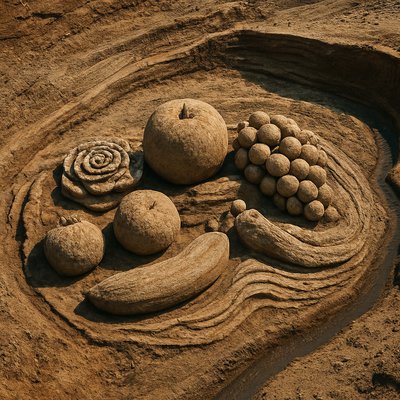
still life arrangement of fruits and flowers
serene landscape with mountains and water
still life arrangement of fruits and flowers
Portrait
Still Life
"A solitary and ominous Black Plague Doctor stands in a dimly lit, narrow cobblestone alleyway in a medieval European city. The doctor is clad head-to-toe in their iconic, dark, heavy protective gear: a long, oil-soaked waxed canvas or leather coat, dark gloves, and a wide-brimmed black hat. Their most striking feature, the beaked mask with dark, glass eyeholes, is prominent, creating an eerie, bird-like silhouette that conceals their face entirely. A wooden cane or pointer is held firmly in one gloved hand.

The atmosphere is heavy and foreboding. The background features dark, crumbling stone or timber-framed buildings with shuttered windows, hinting at a city under quarantine. Smoke or mist might subtly swirl around their feet. The lighting is stark and dramatic, perhaps from a distant lantern or a sliver of pale moonlight, casting deep shadows and highlighting the grim details of their attire. The overall mood is one of profound isolation, historical dread, and silent vigilance against an invisible enemy."
An ancient stone Mikveh located in an underground limestone cavern. Soft, warm candlelight flickering against damp, textured walls. Hand-carved stone steps leading down into crystal-clear natural spring water. Moody, cinematic lighting, historical realism, high detail, 8k, serene and sacred atmosphere.
Conceptual Art Style Style Transfer Example
Atmospheric interior scene from Nancy Drew book #81 The Mardi Gras Mystery, set inside the grand, dimly lit Seaton Mansion nicknamed 'Bat Hollow' in New Orleans during Mardi Gras. Teenage detective Nancy Drew with her classic reddish-blonde hair, blue eyes, and determined smile, trying on an elegant masquerade costume—perhaps a sparkling gown with purple, green, and gold accents, feathered mask in hand, beads around her neck. Her friends Bess (blonde, bubbly, in a glamorous pink feathered outfit) and George (short dark hair, athletic, in a fun jester or adventurous costume) are nearby, laughing and adjusting outfits in front of a large antique mirror. Ned Nickerson helps Nancy with a clasp, smiling. In the background: Brian Seaton and his father Bartholomew in partial bat-themed costumes (capes, masks with bat ears/wings), an old grand staircase with wrought-iron details, flickering candlelight or chandeliers casting shadows, antique furniture, a framed portrait on the wall hinting at the stolen painting mystery, Mardi Gras beads and confetti scattered around. Moody yet festive lighting—warm glows against dark wood paneling and high ceilings—evoking a haunted Southern mansion vibe mixed with holiday excitement. 1980s Nancy Drew book illustration style, adventurous, detailed costumes, cinematic composition, vibrant colors popping against gothic shadows
A historically accurate and atmospheric depiction of the signing of the Mayflower Compact aboard the ship in November 1620. The scene is set in the dimly lit, cramped cabin of the Mayflower, with the ship's timbers and rigging subtly visible, conveying the challenging conditions of the voyage. A simple table or chest serves as the signing surface. The primary focus is on a small group of the last individuals signing the document: specifically, the indentured servants (or 'strangers' not directly part of the Separatist congregation) approaching or at the table. Their expressions show a mix of weary determination, understanding of the necessity, and perhaps a hint of quiet apprehension or resignation to this new social contract, given their status. They are dressed in the plain, practical clothing typical of 17th-century commoners and laborers. Figures of prominent Pilgrims or 'Saints' (like William Bradford or John Carver) are visible in the background, observing the proceedings with a sense of gravity and leadership, but they are not the central focus. The lighting is low and warm, perhaps from a lantern, creating a chiaroscuro effect that highlights the faces of the signers. The atmosphere conveys the momentousness of the act under difficult circumstances, the diverse composition of the group, and the early seeds of self-governance in a new world. The artistic style is a realistic, historically detailed oil painting, capturing the solemnity and human element of this pivotal historical moment."
Neon-Futurism Digital Art Style, Bioluminescent Sci-Fi Cosmic Setting. A sleek, futuristic scene set deep in the interstellar void, with absolutely no Earth terrain, asphalt, or atmosphere visible. The Path (The Ecliptic): The "road" is a floating, translucent highway constructed entirely of glowing blue and orange laser grids and condensed stardust, arcing through infinite dark space with dynamic curves. The Rider: A lone rider on a futuristic, hubless "light-cycle" sportbike speeds along this cosmic path at high velocity. The rider is fully encased in a sleek, glowing armored suit with an integrated full-face helmet, leaving a vibrant neon light trail behind them, evading danger with sharp maneuvers. The Constellation (Intense Scorpio and Ophiuchus): Dominating and towering overhead is the immense celestial symbol of Scorpio: a massive, menacing scorpion made of deep crimson glowing stars, luminous energy threads, and bioluminescent nebula plasma, with razor-sharp claws extended and a long curved tail with a glowing stinger poised to strike downward. Directly intertwined and looming even larger above is the abstract form of Ophiuchus, the Serpent Bearer—no full humanoid figure, but represented by powerful restraining arms of shimmering silver and emerald stardust energy that grip and coil around the great serpent (a huge, writhing, translucent serpent of deep green and indigo nebulae). The serpent's body twists through the scene, partially merging with or being restrained from the scorpion's stinger, creating a dramatic overhead struggle. The floating cosmic highway arcs directly under this chaotic overhead clash, so the rider speeds beneath the extended claws of Scorpio while evading their grasp, passing through the shadows of the restrained serpent and Ophiuchus's holding energy as if threading a needle of peril and balance. Radiating intense deep red, crimson, emerald, indigo, and silver lights against the swirling nebula-filled void. Ultra-detailed, cinematic tension, sense of motion and imminent danger.
A dog is standing angrily under a tree, baring its teeth. We see the dog in its entirety.
  A whimsical little horse wandering through a fantastical meadow of oversized flowers, soft morning light, delicate sparkles drifting in the air, intricate details, watercolor-dream mood, gentle movement in the mane and tail, expressive eyes, cinematic depth and color
Neon-Futurism Digital Art Style, Bioluminescent Sci-Fi Cosmic Setting. A wide-angle "fisheye" view of the infinite cosmos. In the center, a massive, swirling nebula shaped like a celestial thumbprint, glowing with electric cyan and deep violet. Thousands of pinprick stars are being pulled toward the center of the thumbprint, creating a visual sense of gravitational attraction. The light-grid highway from previous scenes is visible at the very bottom, leading the eye directly into the heart of the cosmic swirl.
urban street with city activity
wide landscape with natural scenery
serene landscape with mountains and water
Harbor in morning fog
portrait of two people together
still life with everyday objects
a painting of a man with a fist
Graffiti Art Style Style Transfer Example
Mexican Muralism Art Style Style Transfer Example
Stencil Street Art Style Style Transfer Example
Graffiti Art Style Style Transfer Example
Mexican Muralism Art Style Style Transfer Example
Stencil Street Art Style Style Transfer Example
house with front view
urban street with city activity
portrait of two people together
still life with everyday objects