Fancy Car Art

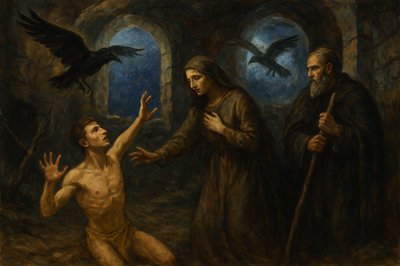
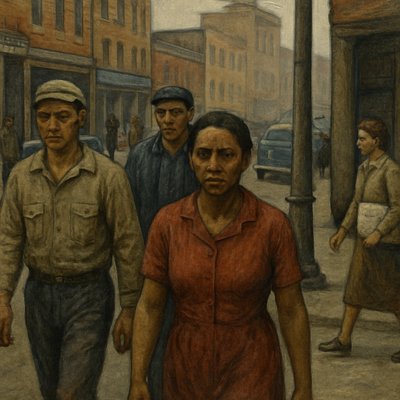
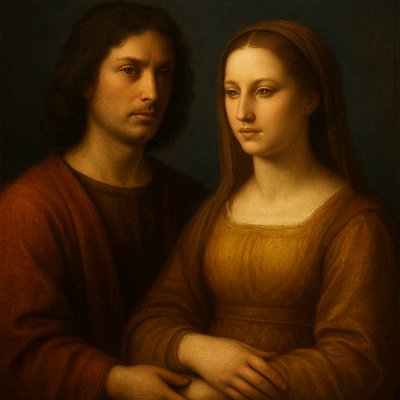
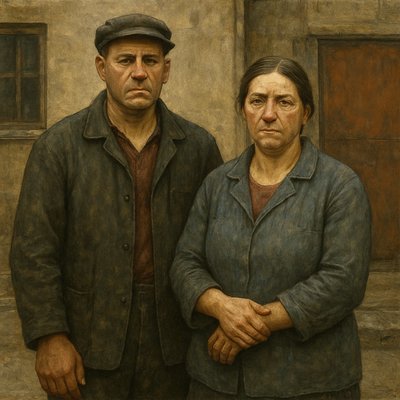
portrait of two people together
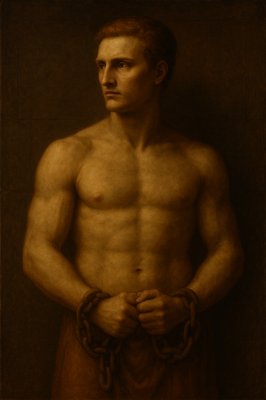
portrait of a person with expressive eyes
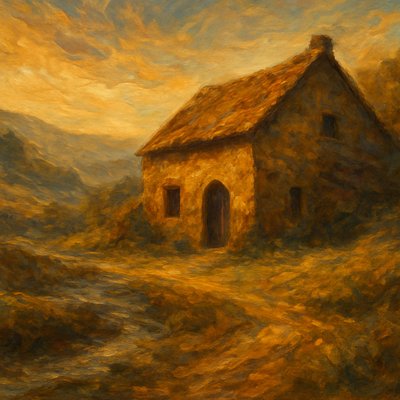
serene landscape with mountains and water
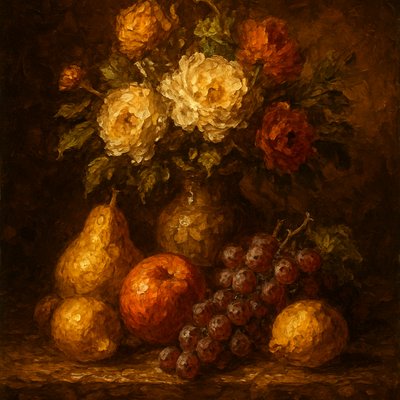
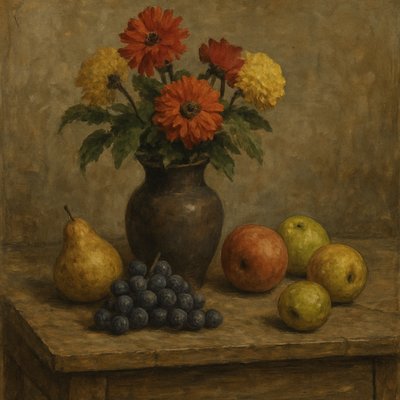
still life arrangement of fruits and flowers
"A historically accurate depiction of a Ghost Dance, focusing on the late 19th-century context, specifically around 1890-1891. The scene shows Lakota (Sioux) or Northern Paiute people (specify one or include elements of both, but avoid anachronisms) participating in the ceremony.

Setting: A vast, open prairie or high desert landscape, under an expansive sky. The time of day could be dusk or night, with a prominent moon or stars, or a bright, clear day. Avoid overtly spiritual or ethereal elements like floating spirits unless explicitly requested for a later, more symbolic iteration. The focus should be on the earthly ceremony.

Participants: A circle of men, women, and children, hand-in-hand, moving in a slow, rhythmic shuffle or circular motion. Their faces show a mixture of devotion, hope, and determination. Some may have expressions of trance or deep concentration.

Attire:

    Ghost Dance Shirts/Dresses: Emphasize the unique Ghost Dance shirts and dresses, which were typically made of muslin or canvas. These garments should feature painted designs such as stars, crescents, birds (especially eagles or crows), buffalo, human figures, or crosses. The designs should appear hand-painted, not mass-produced.

    Hair and Adornments: Participants should have braided hair or wear it long. Some may wear feathers (e.g., eagle or hawk feathers) in their hair. Minimal traditional adornments, as the focus was often on the Ghost Dance shirt itself. Avoid overly elaborate or Hollywood-esque depictions of war bonnets unless relevant to a specific individual and context.

    Footwear: Moccasins or bare feet.

Action/Atmosphere:

    The dancers are moving in a counter-clockwise circle, with a central figure or a small group often leading.

    The overall mood is one of earnest prayer and communal spiritual effort. The dance should convey a sense of hope for renewal and the return of the old ways, rather than aggression or despair.

    There might be a central pole or small fire as a focal point, around which the dance takes place.

    Avoid any signs of direct conflict or violence; the Ghost Dance itself was a non-violent spiritual movement.

Specific Considerations for Accuracy:

    Wovoka's Influence: The teachings of Wovoka (the Northern Paiute prophet) emphasized peace, hard work, and the return of the buffalo and deceased ancestors. The scene should subtly reflect this hopeful, redemptive spirit.

    Regional Variations: If focusing on Lakota, consider their specific interpretations, which sometimes included more imagery related to their warrior traditions on the shirts, but still within the peaceful framework of the dance.

    Respectful Portrayal: Ensure the depiction is respectful and avoids any stereotypical or caricatured representations of Indigenous people. Focus on their human dignity and spiritual sincerity.
A young boy, no older than 12, is intensely focused on climbing a steep, rocky hillside in the San Juan National Forest, specifically along the Piedra River. He is scrambling upwards on his hands and knees towards a cougar watching him approach from behind a bush. He is carrying a fishing rod held securely in one hand. The hill is covered in dry dirt and scattered small rocks with ponderosa pines and aspen trees in the landscape.  Far below, at the bottom of the hillside, a clear, meandering mountain stream (the Piedra River) sparkles under twilight. The atmosphere is quiet, tense, capturing the stark beauty of the remote Colorado wilderness.
An incredibly detailed and profound scene depicting the Vision of the Dry Bones from Ezekiel 37. The immediate foreground features a stark, highly detailed close-up of a single ancient human skull, its empty eye sockets gazing out, perfectly rendered with realistic bone texture. Beyond this skull, stretching into the mid-ground, a vast, desolate valley is entirely carpeted with an immense, sprawling expanse of countless other ancient, stark white human bones and skulls. A powerful, divine wind (ruach), emanating an ethereal, sacred glow, swirls violently through this boneyard. This divine energy causes the bones to dramatically rattle, shift, and miraculously knit together, forming complete skeletons. Further in the background, some of these skeletons have already begun to rapidly form tendons, flesh, and skin, starting to rise as part of a nascent, colossal army. The sky above is dramatic and ominous, with streaks of divine light breaking through thick clouds. The overall mood is one of overwhelming desolation, followed by the initial, awe-inspiring moments of miraculous transformation and the promise of life."
A tranquil and inviting autumn landscape, depicting a park-like setting with large trees and a central pile of fallen leaves. The trees framing the foreground and extending into the middle ground are now in their full, glorious fall colors, displaying a rich tapestry of brilliant yellows, deep oranges, fiery reds, and warm russets.

The ground is generously covered with a soft, thick carpet of fallen autumn leaves, rendered in various warm hues. A prominent, neatly gathered pile of raked leaves sits in the middle ground, inviting curiosity or play, with its textures and colors clearly visible. In the background, hints of a path or road gently wind through more fall foliage, suggesting a peaceful stroll.

The sky above is a soft, clear autumn blue, allowing warm, diffused sunlight to filter through the canopy, casting gentle shadows and highlighting the vibrant colors of the leaves both on the trees and on the ground. The overall mood is one of serene autumnal beauty, crisp air, and the pleasant, nostalgic feeling of a beautiful fall day in a park."
A tranquil and inviting autumn landscape based, depicting a park-like setting with large trees and a central pile of fallen leaves. The trees framing the foreground and extending into the middle ground are now in their full, glorious fall colors, displaying a rich tapestry of brilliant yellows, deep oranges, fiery reds, and warm russets.

The ground is generously covered with a soft, thick carpet of fallen autumn leaves, rendered in various warm hues. A prominent, neatly gathered pile of raked leaves sits in the middle ground, inviting curiosity or play, with its textures and colors clearly visible. In the background, hints of a path or road gently wind through more fall foliage, suggesting a peaceful stroll.

The sky above is a soft, clear autumn blue, allowing warm, diffused sunlight to filter through the canopy, casting gentle shadows and highlighting the vibrant colors of the leaves both on the trees and on the ground. The overall mood is one of serene autumnal beauty, crisp air, and the pleasant, nostalgic feeling of a beautiful fall day in a park."
A fantastically cheerful and dynamic scene featuring the happy pumpkin-head figure (with the swirled, smiling carved face and internal glow) as the pilot of a classic, brightly colored biplane. The biplane itself is whimsically designed, perhaps with candy-themed accents or painted in vibrant, cheerful colors like orange, purple, and green.

The biplane is soaring through a clear, azure autumn sky, actively 'crop-dusting' a massive, exuberant stream of colorful Halloween candy from its underside. The candy (an abundant mix of wrapped chocolates, lollipops, candy corn, and various sweets) cascades downwards in a wide, joyous plume, spreading across the landscape below.

The landscape beneath the biplane is an idyllic, festive autumnal scene: rolling hills covered in vibrant fall foliage (golden, red, orange trees), a charming pumpkin patch, or a quaint, candy-colored village. The perspective is dynamic, capturing the plane in motion with the candy streaming behind it. The lighting is bright and sunny, emphasizing the vivid colors of the plane, the candy, and the autumn scenery. The overall mood is one of pure, unadulterated joy, playful magic, and festive exuberance, like a sugary parade from the sky." "pop art style, bold outlines, vibrant flat colors, dynamic composition, graphic novel aesthetic, strong visual impact"
Digital Art Style, Romanticism Art Style, a tender and intimate painting inspired by Psalm 31:20, emphasizing the security of a divine dwelling place. The scene focuses on a monogamous pair of Red-lored Amazon parrots with their vibrant green plumage, distinct red and yellow markings, rendered with luminous digital detail. They are positioned at the dark, secluded entrance of a natural tree cavity, their posture conveying mutual protection and absolute contentment within their refuge. The surrounding forest is lush, with sunlight subtly illuminating the exterior, while the area immediately around the cavity entrance is bathed in a soft, ethereal glow, representing the shelter of God's presence and symbolizing the divine security of their dwelling. The overall atmosphere is one of profound safety, peace, and intimate privacy, as if they are hidden away from the world. Focus on the detailed expressions of peace on the parrots' faces, the tender intimacy of their pair bond, and the dramatic contrast between the bright forest and the secure, glowing darkness of their hidden dwelling.
Rococo Art Style, Digital Art Style, a brilliantly joyful, opulent, and ornate three-quarter-length portrait of "The Queen in Gold of Ophir," inspired by Psalm 45. The Queen is facing the viewer with a radiant, happy, and genuinely smiling expression, her pose one of graceful delight. She is adorned in an exquisitely detailed gown woven from the finest gold, which shimmers with a dazzling, intense, almost liquid radiance, typical of Rococo opulence and digital highlight. The gold fabric is intricately embellished with countless sparkling jewels and delicate scrolling patterns in shades of ivory and pearl. A magnificent golden crown, wreathed in tiny golden lilies, rests upon her head. Her hands are gently placed, perhaps holding a single, pure white lily. She is framed by a background featuring large, lush, stylized white and golden lilies and an ornate, soft-focus garden setting bathed in sweet, cheerful daylight. Focus intently on the dazzling, reflective shimmer and ornate detail of the gold gown, the Queen's beautiful, joyous smile, and the light, ethereal quality of the Rococo setting.
A young boy, no older than 12, is intensely focused on climbing a steep, rocky hillside in the San Juan National Forest, specifically along the Piedra River. He is scrambling upwards on his hands and knees towards a cougar watching him approach from behind a bush above the boy. He is carrying a fishing rod held securely in one hand. The hill is covered in dry dirt and scattered small rocks with ponderosa pines and aspen trees in the landscape.  Far below, at the bottom of the hillside, a clear, meandering mountain stream (the Piedra River) sparkles under twilight. The atmosphere is quiet, tense, capturing the stark beauty of the remote Colorado wilderness.
A young boy, no older than 12, is intensely focused on climbing a steep, rocky hillside in the San Juan National Forest, specifically along the Piedra River. He is scrambling upwards on his hands and knees. He is carrying a fishing rod held securely in one hand. The hill is covered in dry dirt and scattered small rocks with ponderosa pines and aspen trees in the landscape. Just ahead and slightly above him is a dense scrub oak). Behind this bush, the head of a cougar is visible, watching the boy. Far below, at the bottom of the hillside, a clear, meandering mountain stream (the Piedra River) sparkles under twilight. The atmosphere is quiet, tense, capturing the stark beauty of the remote Colorado wilderness.
A young boy, no older than 12, is intensely focused on climbing a steep, rocky hillside in the San Juan National Forest, specifically along the Piedra River. He is scrambling upwards on his hands and knees. He is carrying a fishing rod held securely in one hand. The hill is covered in dry dirt and scattered small rocks with ponderosa pines and aspen trees in the landscape. Just ahead and slightly above him is a dense scrub oak). Behind this bush, the head of a cougar is visible, watching the boy climbing towards him unaware. Far below, at the bottom of the hillside, a clear, meandering mountain stream (the Piedra River) sparkles under twilight. The atmosphere is quiet, tense, capturing the stark beauty of the remote Colorado wilderness.
A historically accurate, high-quality black and white photograph from 1943. The scene is a bustling village hall in wartime Britain, decorated with Union Jack flags and a large banner reading, "Wings for Victory - Raise Funds for the RAF."

The focus is on several pairs of dancers on a wooden floor. The main subjects are smartly dressed African American airmen in USAAF uniforms dancing with British women wearing fashionable 1940s floral print dresses. They are engaged in an energetic and joyous moment of the Lindy Hop (or Jitterbug/Swing dancing), characterized by dynamic movement, big smiles, and one pair caught in a mid-air 'breakaway' or 'swing-out' move. In the background, a small jazz band featuring a drummer and saxophone player is visible on a low stage. The atmosphere is warm, integrated, and full of the energy of an exciting, new dance style.
A tranquil and inviting autumn landscape based on the provided image, depicting a park-like setting with large trees and a pile of fallen leaves. The trees framing the foreground and extending into the middle ground are now in their full, glorious fall colors. One feels as if they are under a canopy of trees.

The ground is generously covered with a soft, thick carpet of fallen autumn leaves, rendered in various warm hues. A prominent, neatly gathered pile of raked leaves sits in the middle ground, inviting curiosity or play, with its textures and colors clearly visible. In the background, hints of a path or road gently wind through more fall foliage, suggesting a peaceful stroll.

The sky above is a soft, clear autumn blue, allowing warm, diffused sunlight to filter through the canopy, casting gentle shadows and highlighting the vibrant colors of the leaves both on the trees and on the ground. The overall mood is one of serene autumnal beauty, crisp air, and the pleasant, nostalgic feeling of a beautiful fall day in a park."
    A breathtaking, full-size artistic sculpture of a standing buffalo, rendered entirely in the style of intricate, luminous glass art, reminiscent of the painted buffalo installations found in West Yellowstone. The Buffalo is standing in the nature of Yellowstone National Park. The buffalo's form is composed of countless individual pieces of vibrant, multifaceted stained glass or fused glass, meticulously cut, arranged, and joined, creating a cohesive and majestic shape.

    Instead of traditional paint, the entire surface of this glass buffalo is adorned with various miniature, finely detailed scenes and patterns etched, painted, or embedded within the glass itself, or created by the unique coloration and texture of the glass pieces. These scenes could depict:

        Western landscapes: Yellowstone's geysers, mountain ranges, pine forests, rivers.

        Wildlife: Elk, bears, wolves, eagles (in glass).

        Native American art motifs: Geometric patterns, symbols, and figures (also rendered in glass).

        Historical moments: Subtle nods to early explorers or iconic figures (stylized in glass).

    The buffalo's interior is subtly illuminated, causing the entire sculpture to glow from within. Light catches every facet of the glass, creating a dazzling play of refracted colors and intricate shadows on the ground around it. The background is a clean, modern art gallery setting with soft, focused lighting, allowing the buffalo to be the sole, radiant centerpiece. The atmosphere is one of awe, wonder, and appreciation for artistic craftsmanship and the spirit of the American West, reimagined through a unique, luminous medium. The artistic style is hyper-realistic, emphasizing the detailed texture, transparency, and brilliant light play inherent in glass art."

A historically accurate and atmospheric depiction of the signing of the Mayflower Compact aboard the ship in November 1620. The scene is set in the dimly lit, cramped cabin of the Mayflower, with the ship's timbers and rigging subtly visible, conveying the challenging conditions of the voyage. A simple table or chest serves as the signing surface. The primary focus is on a small group of the last individuals signing the document: specifically, the indentured servants (or 'strangers' not directly part of the Separatist congregation) approaching or at the table. Their expressions show a mix of weary determination, understanding of the necessity, and perhaps a hint of quiet apprehension or resignation to this new social contract, given their status. They are dressed in the plain, practical clothing typical of 17th-century commoners and laborers. Figures of prominent Pilgrims or 'Saints' (like William Bradford or John Carver) are visible in the background, observing the proceedings with a sense of gravity and leadership, but they are not the central focus. The lighting is low and warm, perhaps from a lantern, creating a chiaroscuro effect that highlights the faces of the signers. The atmosphere conveys the momentousness of the act under difficult circumstances, the diverse composition of the group, and the early seeds of self-governance in a new world. The artistic style is a realistic, historically detailed oil painting, capturing the solemnity and human element of this pivotal historical moment."
A historically accurate and deeply somber depiction of the immediate aftermath of the Wounded Knee Massacre in December 1890. The scene captures the desolate, snow-covered landscape of the Pine Ridge Reservation. Focus on the fallen Lakota men, women, and children, scattered across the snow, their bodies still and tragic. A few surviving individuals are shown in postures of profound grief or shock, perhaps tending to the wounded. The distant presence of U.S. soldiers, heavily armed, stands as a stark and cold counterpoint to the devastation. The atmosphere is one of profound sorrow, loss, and the brutal silence of winter. The lighting is cold and muted, emphasizing the harshness of the environment and the tragedy of the event. The artistic style should be a realistic, painterly approach, evoking the historical period with unflinching honesty but without graphic sensationalism. The intent is to serve as a memorial to the victims and a historical testament to the tragic event."
An incredibly detailed and profound scene depicting the Vision of the Dry Bones from Ezekiel 37. The immediate foreground features a stark, highly detailed close-up of a single ancient human skull, its empty eye sockets gazing out, perfectly rendered with realistic bone texture. Beyond this skull, stretching into the mid-ground, a vast, desolate valley is entirely carpeted with an immense, sprawling expanse of countless other ancient, stark white human bones and skulls. A powerful, divine wind (ruach), emanating an ethereal, sacred glow, swirls violently through this boneyard. This divine energy causes the bones to dramatically rattle, shift, and miraculously knit together, forming complete skeletons. Further in the background, some of these skeletons have already begun to rapidly form tendons, flesh, and skin, starting to rise as part of a nascent, colossal army. The sky above is dramatic and ominous, with streaks of divine light breaking through thick clouds. The overall mood is one of overwhelming desolation, followed by the initial, awe-inspiring moments of miraculous transformation and the promise of life."
A serene and rustic autumn landscape based on the provided image, featuring an aged farm implement (a seeder or planter) in the foreground. The old machinery retains its weathered green and rust colors but is now positioned amidst a carpet of vibrant fallen autumn leaves in shades of gold, orange, and russet.

The large, leafy trees in the middle ground, which were green in the original image, are now transformed into glorious specimens of fall foliage, displaying brilliant yellows, fiery oranges, and deep reds. The distant field shows hints of freshly turned earth or dry, golden stubble. In the background, the small house with the blue roof remains, nestled amongst a dense forest that is also ablaze with autumn colors.


The sky is a clear, bright autumn blue, with warm, golden sunlight characteristic of a pleasant fall day, casting gentle shadows and highlighting the rich textures of the old equipment, the tree bark, and the colorful leaves. The overall mood is one of peaceful rural charm, autumnal beauty, and the quiet dignity of farm life as the seasons change.
A serene and rustic autumn landscape, featuring an aged John Deere farm implement (a seeder or planter) in the foreground. The old machinery retains its weathered green and rust colors but is now positioned amidst a carpet of vibrant fallen autumn leaves in shades of gold, orange, and russet.

The large, leafy trees in the middle ground, which were green in the original image, are now transformed into glorious specimens of fall foliage, displaying brilliant yellows, fiery oranges, and deep reds. The distant field shows hints of freshly turned earth or dry, golden stubble. In the background, the small house with the blue roof remains, nestled amongst a dense forest that is also ablaze with autumn colors.

The sky is a clear, bright autumn blue, with warm, golden sunlight characteristic of a pleasant fall day, casting gentle shadows and highlighting the rich textures of the old equipment, the tree bark, and the colorful leaves. The overall mood is one of peaceful rural charm, autumnal beauty, and the quiet dignity of farm life as the seasons change.
A fantastically cheerful and dynamic scene featuring the happy pumpkin-head figure (with the swirled, smiling carved face and internal glow) as the pilot of a classic, brightly colored biplane. The biplane itself is whimsically designed, perhaps with candy-themed accents or painted in vibrant, cheerful colors like orange, purple, and green.

The biplane is soaring through a clear, azure autumn sky, actively 'crop-dusting' a massive, exuberant stream of colorful Halloween candy from its underside. The candy (an abundant mix of wrapped chocolates, lollipops, candy corn, and various sweets) cascades downwards in a wide, joyous plume, spreading across the landscape below.

The landscape beneath the biplane is an idyllic, festive autumnal scene: rolling hills covered in vibrant fall foliage (golden, red, orange trees), a charming pumpkin patch, or a quaint, candy-colored village. The perspective is dynamic, capturing the plane in motion with the candy streaming behind it. The lighting is bright and sunny, emphasizing the vivid colors of the plane, the candy, and the autumn scenery. The overall mood is one of pure, unadulterated joy, playful magic, and festive exuberance, like a sugary parade from the sky." whimsical illustration, cartoon animation style, vibrant, dynamic motion, expressive character, detailed candy and plane design, festive atmosphere
A thrilling and vibrant scene from the board game Candy Land, capturing the excitement of sliding down its biggest, most iconic slide. The slide itself is massive, curving, and made entirely of a glistening, colorful candy material, like a giant, rainbow-striped candy cane or smooth, translucent hard candy. A cheerful, diverse group of children (or classic Candy Land characters like Princess Lolly or Mr. Mint) are depicted in mid-descent, laughing and filled with joy, their hands in the air.

Below and around the slide, the fantastical landscape of Candy Land stretches out: rolling hills of frosting, lollipop trees, rivers of chocolate, gingerbread houses, and giant gumdrops. The colors are incredibly vivid and saturated, creating a truly fantastical and edible world. The perspective is dynamic, looking down the slide with the characters, enhancing the sense of speed and fun. The lighting is bright and cheerful, emphasizing the candy's sparkle and the overall joyful atmosphere.
Surrealism Art Style, Digital Art Style, a brilliantly vibrant, whimsical, and exaggerated landscape depicting the mythical "Big Rock Candy Mountain." The massive mountain at the center of the scene is composed entirely of striped rock candy, glistening in the eternal sunshine. A cheerful hobo figure, relaxed and smiling, is seen lounging by a sparkling stream of pure lemonade that flows down the mountainside. The landscape is surrounded by giant peppermint stick forests and trees whose leaves are crisp dollar bills. The clouds in the sky are made of whipped cream, and the rain is a sweet syrup. There are prominent features like a cigarette tree, a luscious ham tree, and railroad tracks where the boxcars are always empty and waiting. The colors are hyper-saturated and joyful, rendered with the smooth, detailed clarity of digital art, yet maintaining a dreamlike, slightly absurd quality. Focus intently on the dazzling texture of the candy landscape, the flowing lemonade water, and the utopian, escapist joy of the scene.
Renaissance Painting Art Style, Symbolism Art Style, a profoundly joyful and uplifting painting inspired by Nehemiah 8:10, emphasizing "the joy of the Lord is your strength." The scene depicts a vibrant, bustling gathering of diverse ancient Israelites, engaged in a communal feast and celebration. People of all ages are shown with radiant, happy faces, some laughing heartily, others sharing food and drinks, and many with expressions of deep, peaceful contentment and spiritual upliftment. A few figures have their heads tilted upwards or hands gently raised, as if receiving a subtle, warm, golden divine light that bathes the scene, emanating from above and symbolizing the presence and strength of the Lord. The setting is an outdoor gathering, perhaps near a restored wall or a communal square, filled with rich textures of food, drink, and colorful garments. The atmosphere is one of shared delight, spiritual renewal, and unbreakable strength. Focus on the authentic, diverse expressions of joy on each individual's face, the sense of vibrant community and shared celebration, and the ethereal, empowering golden light that symbolizes the Lord's strength.
A detailed, ancient-style map of the land of Canaan, with distinct, labeled territories for the Hivites, Arkite, and Sinite people groups. Each territory should have subtle visual cues reflecting their possible historical characteristics or natural environments. For example, the Hivite territory could show some hilly or forested areas, the Arkite territory might feature a coastal city, and the Sinite territory could suggest a more inland or mountainous region. The map should have a weathered, parchment-like texture, with an elegant, old-world font for the labels. In one corner, a small, illuminated manuscript-style illustration could depict three distinct figures, each subtly representing one of the groups, perhaps dressed in period-appropriate attire and engaging in an activity typical of their region. The overall aesthetic should evoke historical scholarship and cartography."
A historically accurate and atmospheric depiction of the signing of the Mayflower Compact aboard the ship in November 1620. The scene is set in the dimly lit, cramped cabin of the Mayflower, with the ship's timbers and rigging subtly visible, conveying the challenging conditions of the voyage. A simple table or chest serves as the signing surface. The primary focus is on a small group of the last individuals signing the document: specifically, the indentured servants (or 'strangers' not directly part of the Separatist congregation) approaching or at the table. Their expressions show a mix of weary determination, understanding of the necessity, and perhaps a hint of quiet apprehension or resignation to this new social contract, given their status. They are dressed in the plain, practical clothing typical of 17th-century commoners and laborers. Figures of prominent Pilgrims or 'Saints' (like William Bradford or John Carver) are visible in the background, observing the proceedings with a sense of gravity and leadership, but they are not the central focus. The lighting is low and warm, perhaps from a lantern, creating a chiaroscuro effect that highlights the faces of the signers. The atmosphere conveys the momentousness of the act under difficult circumstances, the diverse composition of the group, and the early seeds of self-governance in a new world. The artistic style is a realistic, historically detailed oil painting, capturing the solemnity and human element of this pivotal historical moment."
A statuesque woman dressed in high-fashion 1930s Great Depression era glamour, imbued with a strong Art Deco aesthetic. She stands confidently, showcasing a bias-cut evening gown of shimmering silk or satin in a rich jewel tone (e.g., emerald green, sapphire blue, ruby red, or metallic silver/gold). The gown features an elongated, sleek silhouette, perhaps a dramatic cowl neck, a plunging back, or subtle shoulder pads. Her hair is styled in soft, sculpted finger waves. She wears elegant, long gloves and carries a small, decorative clutch bag. The background is a sophisticated Art Deco interior, perhaps with geometric patterns, polished chrome details, and ambient, dramatic lighting, or she stands against a backdrop of Art Deco skyscraper architecture. The overall mood is one of sophistication, elegance, and timeless allure."
A tranquil and inviting autumn landscape based on the provided image, depicting a park-like setting with large trees and a central pile of fallen leaves. The trees framing the foreground and extending into the middle ground are now in their full, glorious fall colors, displaying a rich tapestry of brilliant yellows, deep oranges, fiery reds, and warm russets.

The ground is generously covered with a soft, thick carpet of fallen autumn leaves, rendered in various warm hues. A prominent, neatly gathered pile of raked leaves sits in the middle ground, inviting curiosity or play, with its textures and colors clearly visible. In the background, hints of a path or road gently wind through more fall foliage, suggesting a peaceful stroll.

The sky above is a soft, clear autumn blue, allowing warm, diffused sunlight to filter through the canopy, casting gentle shadows and highlighting the vibrant colors of the leaves both on the trees and on the ground. The overall mood is one of serene autumnal beauty, crisp air, and the pleasant, nostalgic feeling of a beautiful fall day in a park."
A fantastically cheerful and dynamic scene featuring the happy pumpkin-head figure (with the swirled, smiling carved face and internal glow) as the pilot of a classic, brightly colored biplane. The biplane itself is whimsically designed, perhaps with candy-themed accents or painted in vibrant, cheerful colors like orange, purple, and green.

The biplane is soaring through a clear, azure autumn sky, actively 'crop-dusting' a massive, exuberant stream of colorful Halloween candy from its underside. The candy (an abundant mix of wrapped chocolates, lollipops, candy corn, and various sweets) cascades downwards in a wide, joyous plume, spreading across the landscape below.

The landscape beneath the biplane is an idyllic, festive autumnal scene: rolling hills covered in vibrant fall foliage (golden, red, orange trees), a charming pumpkin patch, or a quaint, candy-colored village. The perspective is dynamic, capturing the plane in motion with the candy streaming behind it. The lighting is bright and sunny, emphasizing the vivid colors of the plane, the candy, and the autumn scenery. The overall mood is one of pure, unadulterated joy, playful magic, and festive exuberance, like a sugary parade from the sky."
A fantastically cheerful and dynamic scene featuring the happy pumpkin-head figure (with the swirled, smiling carved face and internal glow) as the pilot of a classic, brightly colored biplane. The biplane itself is whimsically designed, perhaps with candy-themed accents or painted in vibrant, cheerful colors like orange, purple, and green.

The biplane is soaring through a clear, azure autumn sky, actively 'crop-dusting' a massive, exuberant stream of colorful Halloween candy from its underside. The candy (an abundant mix of wrapped chocolates, lollipops, candy corn, and various sweets) cascades downwards in a wide, joyous plume, spreading across the landscape below.

The landscape beneath the biplane is an idyllic, festive autumnal scene: rolling hills covered in vibrant fall foliage (golden, red, orange trees), a charming pumpkin patch, or a quaint, candy-colored village. The perspective is dynamic, capturing the plane in motion with the candy streaming behind it. The lighting is bright and sunny, emphasizing the vivid colors of the plane, the candy, and the autumn scenery. The overall mood is one of pure, unadulterated joy, playful magic, and festive exuberance, like a sugary parade from the sky." whimsical illustration, vibrant, dynamic motion, expressive character, detailed candy and plane design, festive atmosphere
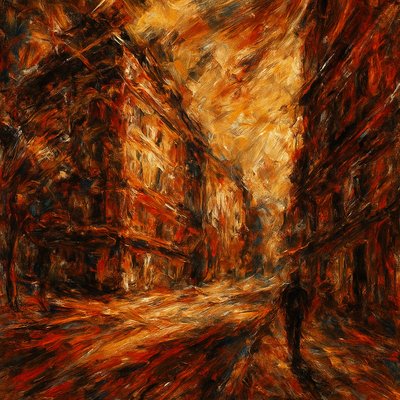
"A solitary and ominous Black Plague Doctor stands in a dimly lit, narrow cobblestone alleyway in a medieval European city. The doctor is clad head-to-toe in their iconic, dark, heavy protective gear: a long, oil-soaked waxed canvas or leather coat, dark gloves, and a wide-brimmed black hat. Their most striking feature, the beaked mask with dark, glass eyeholes, is prominent, creating an eerie, bird-like silhouette that conceals their face entirely. A wooden cane or pointer is held firmly in one gloved hand.

The atmosphere is heavy and foreboding. The background features dark, crumbling stone or timber-framed buildings with shuttered windows, hinting at a city under quarantine. Smoke or mist might subtly swirl around their feet. The lighting is stark and dramatic, perhaps from a distant lantern or a sliver of pale moonlight, casting deep shadows and highlighting the grim details of their attire. The overall mood is one of profound isolation, historical dread, and silent vigilance against an invisible enemy."
Oil Painting Art Style, Baroque Art Style, a breathtakingly majestic and regal portrait of "The Queen in Gold of Ophir," inspired by Psalm 45. The Queen stands with impeccable grace and royal dignity, her posture radiating quiet power. Her expression is serene, gentle, and profoundly gracious, with a subtle, knowing smile, reflecting noble peace. She is adorned in an exquisitely elaborate gown woven entirely from the finest, purest gold of Ophir, which shimmers and gleams with unparalleled brilliance, catching every ray of light. Her attire is intricately embellished with countless precious jewels—sapphires, rubies, and emeralds—each sparkling intensely with Baroque dynamism. A delicate yet regal golden crown, also ablaze with light, rests upon her head. The setting is a grand, opulent royal palace chamber, with rich tapestries and polished marble, bathed in dramatic, warm, golden ambient light that creates striking highlights and deep, luxurious shadows, making her and her lavish garments glow. Focus on the unparalleled brilliance, texture, and radiant shine of her golden gown, the intense sparkle of her jewels, her majestic yet gentle presence, and the luxurious, sacred atmosphere befitting a queen in God's presence.
A breathtaking and surreal scene of vibrant Aspen trees in full autumn splendor, encased within a massive, crystal-clear, life-size glass bubble, reminiscent of a hyperrealistic snow globe. The glass bubble is perfectly spherical and transparent, allowing an unobstructed view into its contained world.

Inside the bubble, a fierce autumn wind is whipping through the Aspen trees, which are ablaze with brilliant golden, yellow, and orange leaves. Countless individual leaves are detached from the branches and are swirling dynamically in a vibrant vortex around the tree trunks, creating a beautiful, chaotic dance. Some leaves cling to the ground, while others are caught in mid-air, a riot of color against the pale, smooth bark of the Aspens. The ground inside the bubble is covered in a thick carpet of fallen, colorful leaves.

The exterior of the glass bubble reflects and subtly distorts a serene, autumnal mountain landscape or clear blue sky, emphasizing its pristine, contained nature. The lighting is bright and ethereal, perfectly illuminating the vibrant leaf colors and the transparency of the glass, highlighting the dynamic movement within. The overall mood is one of encapsulated beauty, powerful natural forces held in exquisite suspension, and serene wonder."
A breathtaking and surreal scene of vibrant Aspen trees in full autumn splendor, encased within a massive, crystal-clear, life-size glass bubble, reminiscent of a hyperrealistic snow globe. The glass bubble is perfectly spherical and transparent, allowing an unobstructed view into its contained world.

Inside the bubble, a fierce autumn wind is whipping through the Aspen trees, which are ablaze with brilliant golden, yellow, and orange leaves. Countless individual leaves are detached from the branches and are swirling dynamically in a vibrant vortex around the tree trunks, creating a beautiful, chaotic dance. Some leaves cling to the ground, while others are caught in mid-air, a riot of color against the pale, smooth bark of the Aspens. The ground inside the bubble is covered in a thick carpet of fallen, colorful leaves.

The exterior of the glass bubble reflects and subtly distorts a serene, autumnal mountain landscape or clear blue sky, emphasizing its pristine, contained nature. The lighting is bright and ethereal, perfectly illuminating the vibrant leaf colors and the transparency of the glass, highlighting the dynamic movement within. The overall mood is one of encapsulated beauty, powerful natural forces held in exquisite suspension, and serene wonder."
This sounds like a wonderfully whimsical and festive image! Combining the classic pumpkin head with a burst of candy and unique carving will make for a very creative Halloween or autumn piece.

Here's a prompt for a Happy Pumpkin Head Figure with Candy Bursting Out for ArtStyles.com:

Happy Pumpkin Head with Candy Burst Prompt

"A cheerful and fantastical figure with a large, glowing jack-o'-lantern for a head. The pumpkin's face is carved with a distinctly happy, friendly, wide-mouthed smile and joyful eyes. Instead of traditional jagged cuts, the facial features (eyes, nose, mouth) are intricately carved with elegant, swirling, vine-like patterns, giving it a whimsical and artistic look. The pumpkin head emits a warm, inviting orange glow from within.

Dramatically bursting and cascading out of the very top of the pumpkin's head is an overflowing abundance of vibrant, colorful Halloween candy. This candy explosion includes individually wrapped chocolates, lollipops, jelly beans, candy corn, and various brightly colored sweets, all tumbling outwards in a joyous, sugary fountain.

The figure itself has a rustic, scarecrow-like body, perhaps dressed in tattered but festive autumn-colored clothing (e.g., burlap, plaid, or warm browns and oranges), standing in an autumnal setting. The background could feature a gently lit pumpkin patch, fallen autumn leaves, or a soft, blurred evening sky. The lighting is warm and enchanting, highlighting the pumpkin's glow and the glossy sheen of the candy. The overall mood is one of festive joy, playful magic, and autumnal abundance."whimsical illustration, vibrant autumn colors, detailed candy textures, glowing effects, playful character design, festive atmosphere
A breathtaking and surreal scene of vibrant Aspen trees in full autumn splendor, encased within a massive, crystal-clear, life-size glass bubble, reminiscent of a hyperrealistic snow globe. The glass bubble is perfectly spherical and transparent, allowing an unobstructed view into its contained world.

Inside the bubble, a fierce autumn wind is whipping through the Aspen trees, which are ablaze with brilliant golden, yellow, and orange leaves. Countless individual leaves are detached from the branches and are swirling dynamically in a vibrant vortex around the tree trunks, creating a beautiful, chaotic dance. Some leaves cling to the ground, while others are caught in mid-air, a riot of color against the pale, smooth bark of the Aspens. The ground inside the bubble is covered in a thick carpet of fallen, colorful leaves.

The exterior of the glass bubble reflects and subtly distorts a serene, autumnal mountain landscape or clear blue sky, emphasizing its pristine, contained nature. The lighting is bright and ethereal, perfectly illuminating the vibrant leaf colors and the transparency of the glass, highlighting the dynamic movement within. The overall mood is one of encapsulated beauty, powerful natural forces held in exquisite suspension, and serene wonder."
A historically accurate and atmospheric depiction of the signing of the Mayflower Compact aboard the ship in November 1620. The scene is set in the dimly lit, cramped cabin of the Mayflower, with the ship's timbers and rigging subtly visible, conveying the challenging conditions of the voyage. A simple table or chest serves as the signing surface. The primary focus is on a small group of the last individuals signing the document: specifically, the indentured servants (or 'strangers' not directly part of the Separatist congregation) approaching or at the table. Their expressions show a mix of weary determination, understanding of the necessity, and perhaps a hint of quiet apprehension or resignation to this new social contract, given their status. They are dressed in the plain, practical clothing typical of 17th-century commoners and laborers. Figures of prominent Pilgrims or 'Saints' (like William Bradford or John Carver) are visible in the background, observing the proceedings with a sense of gravity and leadership, but they are not the central focus. The lighting is low and warm, perhaps from a lantern, creating a chiaroscuro effect that highlights the faces of the signers. The atmosphere conveys the momentousness of the act under difficult circumstances, the diverse composition of the group, and the early seeds of self-governance in a new world. The artistic style is a realistic, historically detailed oil painting, capturing the solemnity and human element of this pivotal historical moment."
A majestic and inspiring depiction of the Crazy Horse National Memorial, captured from a slightly elevated, wide-angle perspective that emphasizes its immense scale and ongoing construction. The colossal carving of Crazy Horse on his war pony is the dominant feature, shown in its current state of detailed progress, with the iconic outstretched arm and pointing finger prominent against the rugged Black Hills. Visible elements of the carving process, such as scaffolding, construction equipment (subtly integrated), or evidence of rock removal, are present, highlighting the monumental effort and generations of work involved. The surrounding landscape of the Black Hills is an integral part of the composition, with pine forests, granite formations, and the vast, open sky providing a dramatic and respectful setting. The lighting is strong and clear, perhaps mid-morning or late afternoon sun, casting dramatic shadows that define the contours of the mountain and the carving. The atmosphere conveys a sense of enduring tribute, cultural pride, determination, and the sheer scale of human endeavor dedicated to honoring a legendary figure. The artistic style is a highly realistic, detailed landscape painting or photograph, emphasizing grandeur and reverence