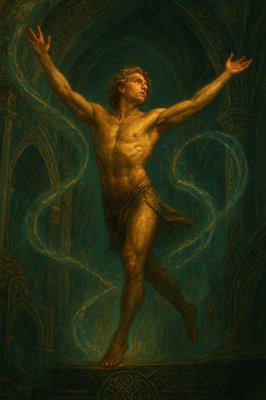
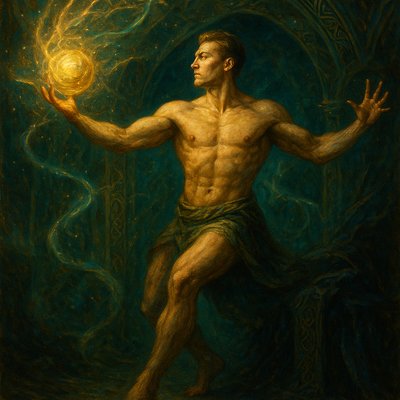
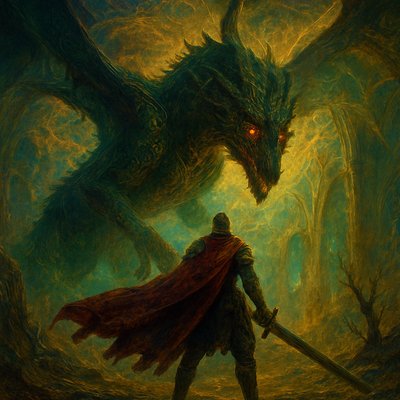
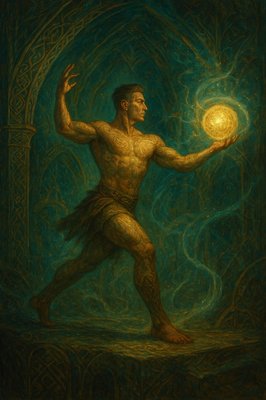
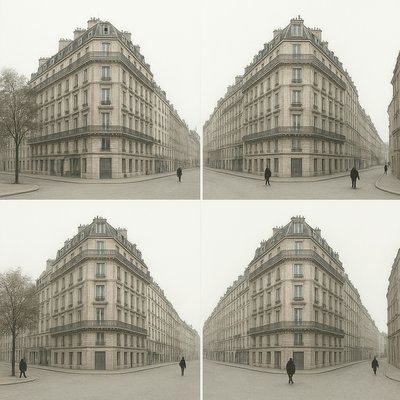
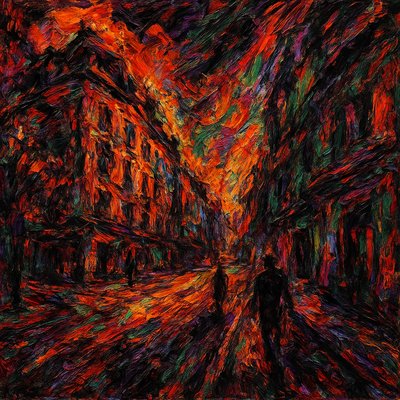
Dreamlike Landscape With Impossible Perspectives In The Art Style Of Surrealism Art

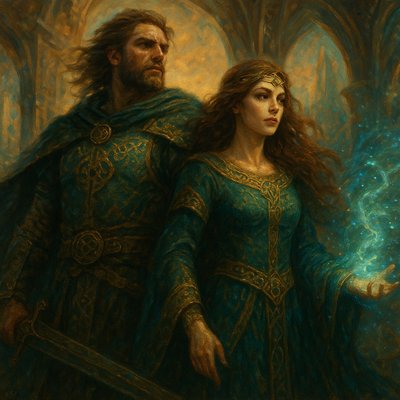
portrait of two people together
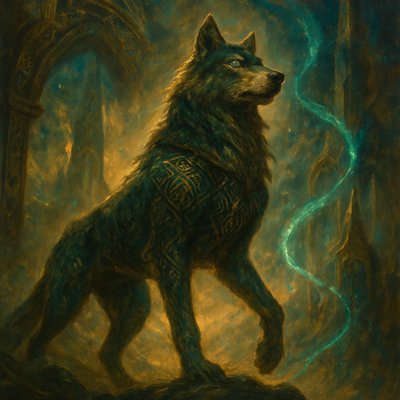
animal standing in natural pose
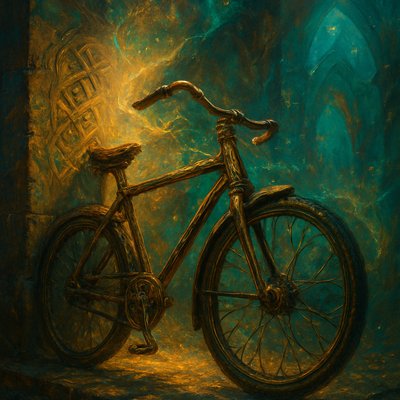
still life with everyday objects
portrait of a person with expressive eyes
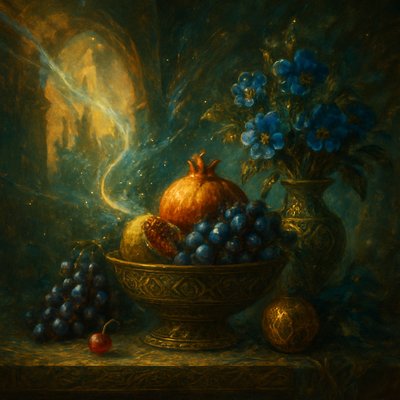
still life arrangement of fruits and flowers
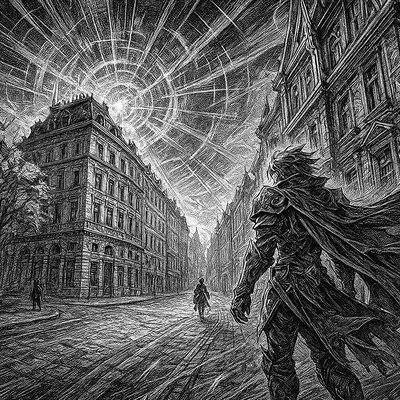
Modern Gothic Art Style Transfer Example
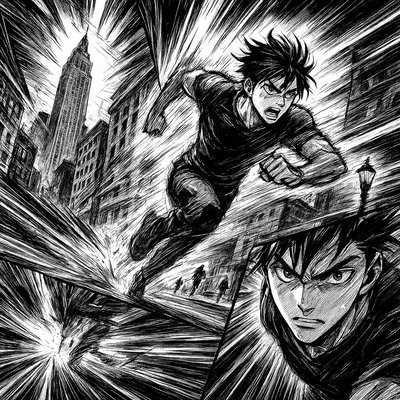
Historical Samurai Manga Art Style Style Transfer Example
A profoundly symbolic and awe-inspiring depiction of a colossal, luminous gate of the New Jerusalem, where the entire gate IS a single, immense, perfectly spherical pearl. This monumental pearl gate is captured in the dynamic act of rolling away, similar to a massive stone being moved from an entrance. The spherical pearl is shown mid-motion, having just begun to slide or pivot within its vast, golden, celestial frame, creating an opening into the glorious city beyond.

The pearl itself glows with an intense, soft iridescence, reflecting the divine light. Its surface shows exquisite details of mother-of-pearl, and its sheer scale emphasizes that it is a single, perfect gem. The massive, transparent golden wall of the city forms the structure around this pearl gate, with visible tracks or an immense opening indicating where the pearl has moved from.

Through the now open segment of the gate, the radiant glory of the New Jerusalem streams forth. Pure gold streets, like transparent glass, extend into the city, illuminated by an intense, divine light that emanates from within. Heavenly architecture, impossibly beautiful and intricate, is glimpsed in the distance, beckoning. The atmosphere is one of profound sanctity, triumphant revelation, and welcoming access to the divine, with the act of the pearl gate rolling away symbolizing a breakthrough or an open invitation. The lighting is ethereal and grand, emphasizing the pearl's luster and the city's overwhelming glory."
Post-Apocalyptic Sci-Fi Art Style Transfer Example
A profound and epic scene depicting the Vision of the Dry Bones from Ezekiel 37. In a desolate, vast valley, countless dry human bones are scattered, stark white and ancient. A powerful, divine wind (ruach) swirls through the valley, imbued with a sacred, ethereal glow, causing the bones to rattle and miraculously knit together. Tendons, flesh, and skin rapidly form over the skeletal structures, transforming them into fully-formed human figures. As the divine breath enters, the figures rise, not as individuals, but as a colossal, awe-inspiring army standing upright, gazing forward with renewed life and purpose. The sky above is dramatic, perhaps with stormy clouds breaking to reveal a divine light. The overall mood is one of miraculous resurrection, immense power, and hopeful restoration."
Violin and sheet music deconstructed
Tibetan Religious Art Style Transfer Example
"A historically accurate depiction of a Ghost Dance, focusing on the late 19th-century context, specifically around 1890-1891. The scene shows Lakota (Sioux) or Northern Paiute people (specify one or include elements of both, but avoid anachronisms) participating in the ceremony.

Setting: A vast, open prairie or high desert landscape, under an expansive sky. The time of day could be dusk or night, with a prominent moon or stars, or a bright, clear day. Avoid overtly spiritual or ethereal elements like floating spirits unless explicitly requested for a later, more symbolic iteration. The focus should be on the earthly ceremony.

Participants: A circle of men, women, and children, hand-in-hand, moving in a slow, rhythmic shuffle or circular motion. Their faces show a mixture of devotion, hope, and determination. Some may have expressions of trance or deep concentration.

Attire:

    Ghost Dance Shirts/Dresses: Emphasize the unique Ghost Dance shirts and dresses, which were typically made of muslin or canvas. These garments should feature painted designs such as stars, crescents, birds (especially eagles or crows), buffalo, human figures, or crosses. The designs should appear hand-painted, not mass-produced.

    Hair and Adornments: Participants should have braided hair or wear it long. Some may wear feathers (e.g., eagle or hawk feathers) in their hair. Minimal traditional adornments, as the focus was often on the Ghost Dance shirt itself. Avoid overly elaborate or Hollywood-esque depictions of war bonnets unless relevant to a specific individual and context.

    Footwear: Moccasins or bare feet.

Action/Atmosphere:

    The dancers are moving in a counter-clockwise circle, with a central figure or a small group often leading.

    The overall mood is one of earnest prayer and communal spiritual effort. The dance should convey a sense of hope for renewal and the return of the old ways, rather than aggression or despair.

    There might be a central pole or small fire as a focal point, around which the dance takes place.

    Avoid any signs of direct conflict or violence; the Ghost Dance itself was a non-violent spiritual movement.

Specific Considerations for Accuracy:

    Wovoka's Influence: The teachings of Wovoka (the Northern Paiute prophet) emphasized peace, hard work, and the return of the buffalo and deceased ancestors. The scene should subtly reflect this hopeful, redemptive spirit.

    Regional Variations: If focusing on Lakota, consider their specific interpretations, which sometimes included more imagery related to their warrior traditions on the shirts, but still within the peaceful framework of the dance.

    Respectful Portrayal: Ensure the depiction is respectful and avoids any stereotypical or caricatured representations of Indigenous people. Focus on their human dignity and spiritual sincerity.
Oil Painting Art Style, a bustling scene featuring several vibrant Quaker Parrots (also known as Monk Parakeets) perched on and around their extraordinary communal nest. The nest is a massive, intricate structure built entirely from countless interwoven sticks and twigs, resembling a complex, multi-chambered apartment building for birds, integrated high within the sturdy branches of a large, leafy tree. Each visible entrance or chamber suggests multiple pairs of parrots coexisting. The Quaker Parrots themselves, with their distinctive green plumage, grey chests, and bright eyes, are actively flying to and from, bringing more sticks, or observing their bustling community. The setting is bright and lively, illuminated by clear, natural sunlight, casting detailed shadows and highlighting the texture of the sticks and feathers. Focus on the architectural complexity and scale of the stick nest, the industrious activity of the parrots, and the vibrant green and grey colors of the birds against the natural backdrop.


Mathematical Pattern Minimalism Art Style Style Transfer Example
Mythological Allegory Renaissance Art Style Style Transfer Example
Emotional Turbulence Baroque Art Style Style Transfer Example
Mythological Allegory Renaissance Art Style Style Transfer Example
Renaissance Religious Art Style Transfer Example
Impressionist Nature Art Style Transfer Example
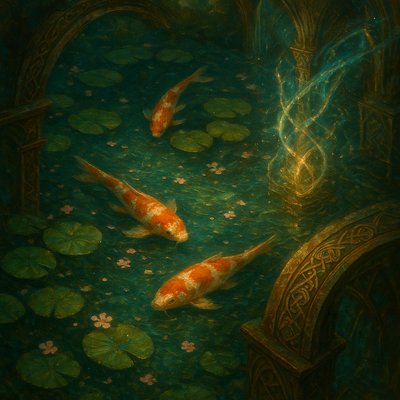
Wildlife Nature Art Style Transfer Example
Medieval Gothic Art Style Transfer Example
Renaissance Religious Art Style Transfer Example
Impressionist Nature Art Style Transfer Example
Wildlife Nature Art Style Transfer Example
Medieval Gothic Art Style Transfer Example
Fallen angel with tattered wings in desolate landscape in the art style of dark fantasy --v 6.1
a tree in nature
house with front view
portrait of two people together
animal standing in natural pose
portrait of a person with expressive eyes
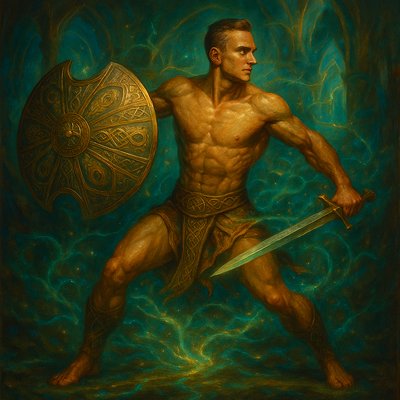
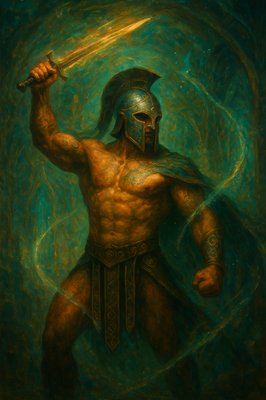
Greek hero's triumphant return
Tibetan Religious Art Style Transfer Example
Ancient temple ruins
A young boy, no older than 12, is intensely focused on climbing a steep, rocky hillside in the San Juan National Forest, specifically along the Piedra River. He is scrambling upwards on his hands and knees towards a cougar watching him approach from behind a bush. He is carrying a fishing rod held securely in one hand. The hill is covered in dry dirt and scattered small rocks with ponderosa pines and aspen trees in the landscape.  Far below, at the bottom of the hillside, a clear, meandering mountain stream (the Piedra River) sparkles under twilight. The atmosphere is quiet, tense, capturing the stark beauty of the remote Colorado wilderness.
Gothic Architecture Art Style Transfer Example
a group of people sitting around a table