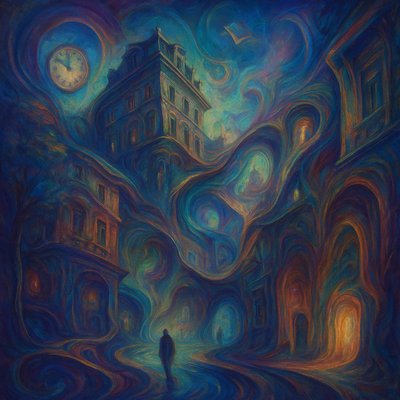
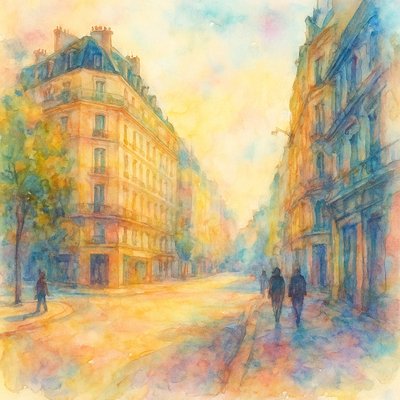
Dreamlike Interior With Unexpected Juxtapositions In The Art Style Of Metaphysical Painting V 6.1 Art

Minimalist composition focusing on color relationships in the art style of Color Field Painting --v 6.1
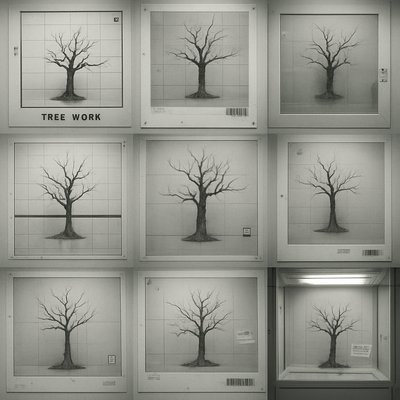
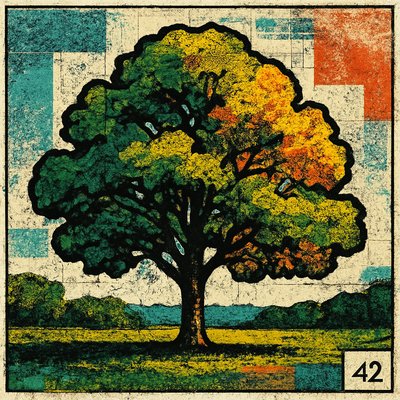
a tree in nature
Color-field painting with large areas of solid color in the art style of Abstract Expressionism --v 6.1
Rhythmic composition created through rapid brush movements in the art style of Action Painting --v 6.1
Abstract expressionist piece emphasizing process over form in the art style of Action Painting --v 6.1
Rhythmic composition created through rapid brush movements in the art style of Action Painting --v 6.1
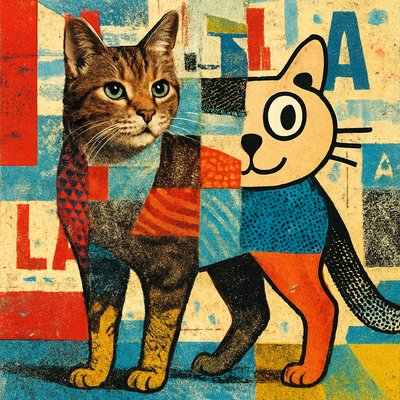
animal standing in natural pose
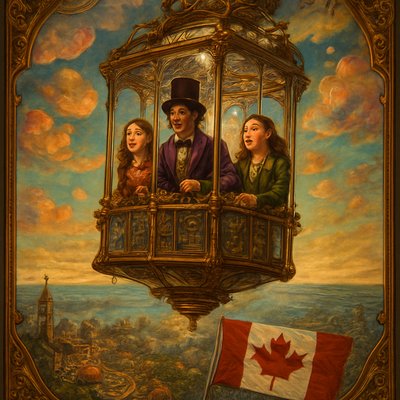
An awe-inspiring and whimsical scene featuring Willy Wonka's Great Glass Wonkavator, soaring through the sky and beyond the confines of Ontario Canada and its flag. The Wonkavator itself is a magnificent, multi-directional glass elevator, transparent and sparkling, with Willy Wonka (wearing his iconic top hat, purple coat, and bowtie) and 2 Canadian ladies looking out with expressions of joy, wonder and excitement. The interior is filled with intricate buttons and levers for controlling its magical flight. The Wonkavator is depicted in mid-flight, ascending above the clouds flying out to the ocean. Below it, the fantastical landscape of Ontario Canada is visible with a large Canadian flay flying over the city. –  and various whimsical buildings. Beyond Ontario, a stunning, imaginative sky unfolds, perhaps with floating candy clouds, distant fantastical landmarks, or even glimpses of outer space and planets. The lighting is bright and magical, emphasizing the glass's transparency and the vibrant colors of the world below and beyond. The overall mood is one of boundless adventure, limitless possibilities, and pure, joyful fantasy."
Nouveau Réalisme Art Style Style Transfer Example
Emotional tempest
physical car concept in the art style of lowbrow art --v 6.1
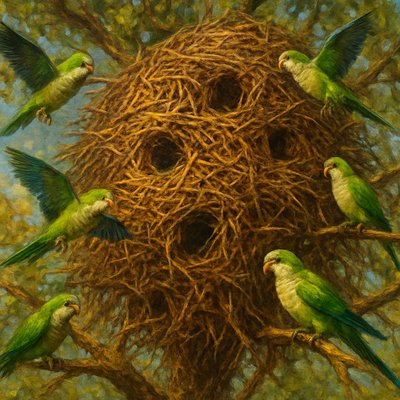
Oil Painting Art Style, a bustling scene featuring several vibrant Quaker Parrots (also known as Monk Parakeets) perched on and around their extraordinary communal nest. The nest is a massive, intricate structure built entirely from countless interwoven sticks and twigs, resembling a complex, multi-chambered apartment building for birds, integrated high within the sturdy branches of a large, leafy tree. Each visible entrance or chamber suggests multiple pairs of parrots coexisting. The Quaker Parrots themselves, with their distinctive green plumage, grey chests, and bright eyes, are actively flying to and from, bringing more sticks, or observing their bustling community. The setting is bright and lively, illuminated by clear, natural sunlight, casting detailed shadows and highlighting the texture of the sticks and feathers. Focus on the architectural complexity and scale of the stick nest, the industrious activity of the parrots, and the vibrant green and grey colors of the birds against the natural backdrop.
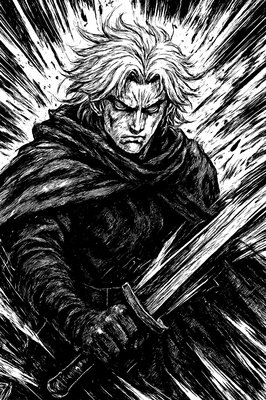
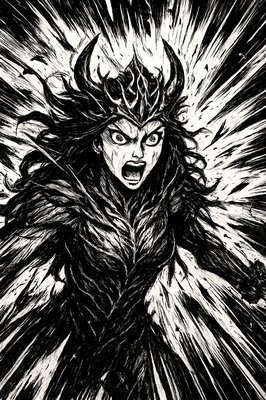
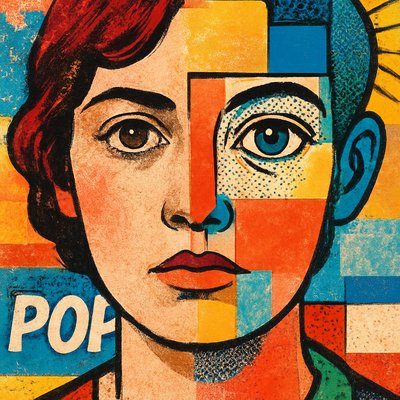
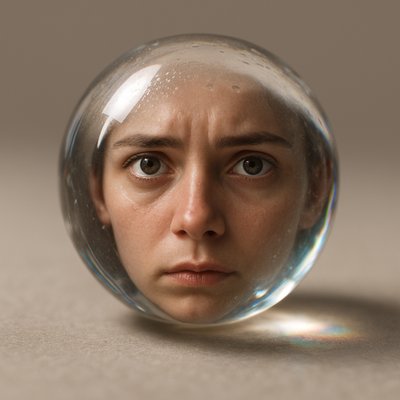
portrait of a person with expressive eyes
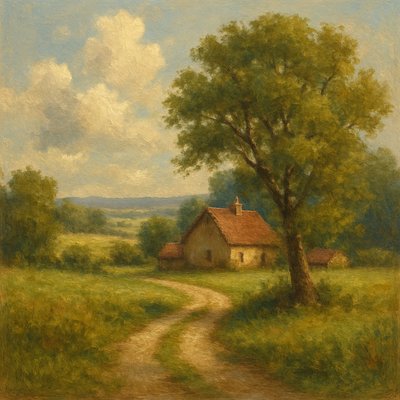
Country side scene
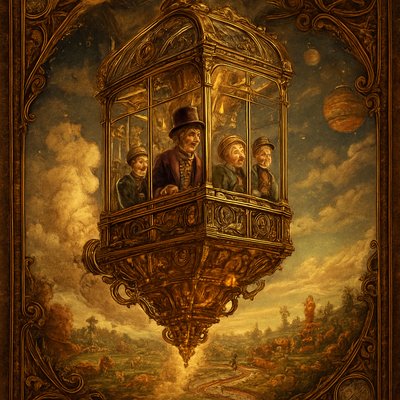
An awe-inspiring and whimsical scene featuring Willy Wonka's Great Glass Wonkavator, soaring through the sky and beyond the confines of the chocolate factory. The Wonkavator itself is a magnificent, multi-directional glass elevator, transparent and sparkling, with Willy Wonka (wearing his iconic top hat, purple coat, and bowtie) and Charlie Bucket and Grandpa Joe inside, looking out with expressions of wonder and excitement. The interior is filled with intricate buttons and levers for controlling its magical flight.

The Wonkavator is depicted in mid-flight, perhaps bursting through the factory roof or ascending above the clouds. Below it, the fantastical landscape of the Chocolate Factory is visible – chocolate rivers, edible gardens, candy cane trees, and various whimsical buildings. Beyond the factory, a stunning, imaginative sky unfolds, perhaps with floating candy clouds, distant fantastical landmarks, or even glimpses of outer space and planets. The lighting is bright and magical, emphasizing the glass's transparency and the vibrant colors of the world below and beyond. The overall mood is one of boundless adventure, limitless possibilities, and pure, joyful fantasy."
Sculptural silver ring
Surrealist Landscape Art Style Style Transfer Example
Gradient Abstract Art Style Style Transfer Example
Energetic abstract composition created through paint pouring in the art style of Action Painting --v 6.1
Abstract landscape suggestion through color gradients in the art style of Color Field Painting --v 6.1
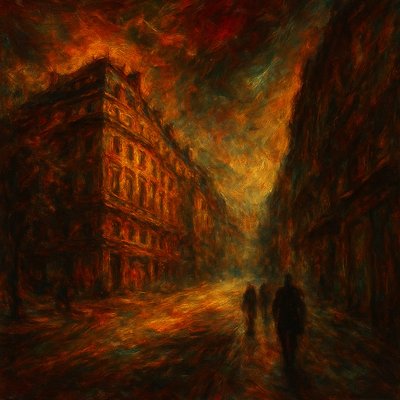
Romanticism Art Style Style Transfer Example
Appropriation Art Style Style Transfer Example
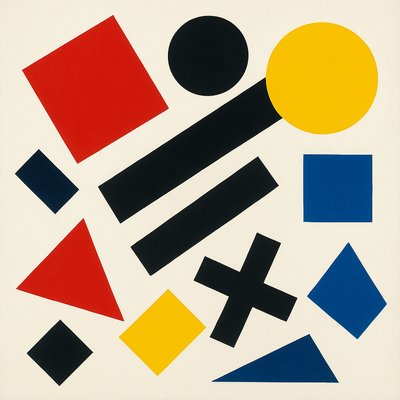
Suprematism Art Style Style Transfer Example
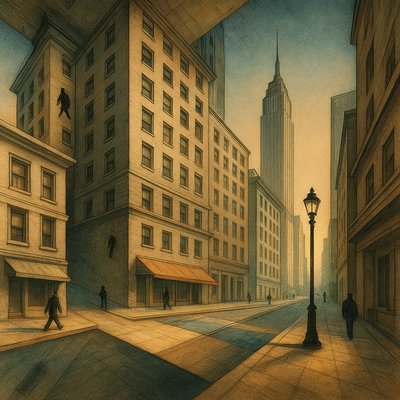
Gravity Defiance Surrealism Art Style Style Transfer Example
An awe-inspiring and whimsical scene featuring Willy Wonka's Great Glass Wonkavator, soaring through the sky and beyond the confines of the chocolate factory. The Wonkavator itself is a magnificent, multi-directional glass elevator, transparent and sparkling, with Willy Wonka (wearing his iconic top hat, purple coat, and bowtie) and Charlie Bucket (and perhaps Grandpa Joe) inside, looking out with expressions of wonder and excitement. The interior is filled with intricate buttons and levers for controlling its magical flight.

The Wonkavator is depicted in mid-flight, perhaps bursting through the factory roof or ascending above the clouds. Below it, the fantastical landscape of the Chocolate Factory is visible – chocolate rivers, edible gardens, candy cane trees, and various whimsical buildings. Beyond the factory, a stunning, imaginative sky unfolds, perhaps with floating candy clouds, distant fantastical landmarks, or even glimpses of outer space and planets. The lighting is bright and magical, emphasizing the glass's transparency and the vibrant colors of the world below and beyond. The overall mood is one of boundless adventure, limitless possibilities, and pure, joyful fantasy."
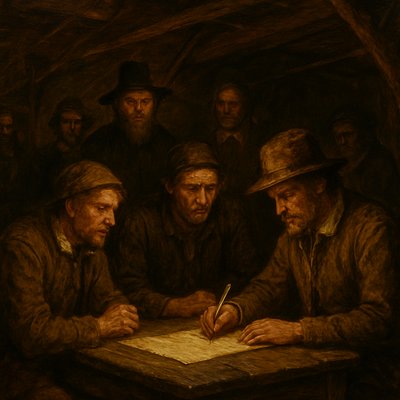
A historically accurate and atmospheric depiction of the signing of the Mayflower Compact aboard the ship in November 1620. The scene is set in the dimly lit, cramped cabin of the Mayflower, with the ship's timbers and rigging subtly visible, conveying the challenging conditions of the voyage. A simple table or chest serves as the signing surface. The primary focus is on a small group of the last individuals signing the document: specifically, the indentured servants (or 'strangers' not directly part of the Separatist congregation) approaching or at the table. Their expressions show a mix of weary determination, understanding of the necessity, and perhaps a hint of quiet apprehension or resignation to this new social contract, given their status. They are dressed in the plain, practical clothing typical of 17th-century commoners and laborers. Figures of prominent Pilgrims or 'Saints' (like William Bradford or John Carver) are visible in the background, observing the proceedings with a sense of gravity and leadership, but they are not the central focus. The lighting is low and warm, perhaps from a lantern, creating a chiaroscuro effect that highlights the faces of the signers. The atmosphere conveys the momentousness of the act under difficult circumstances, the diverse composition of the group, and the early seeds of self-governance in a new world. The artistic style is a realistic, historically detailed oil painting, capturing the solemnity and human element of this pivotal historical moment."
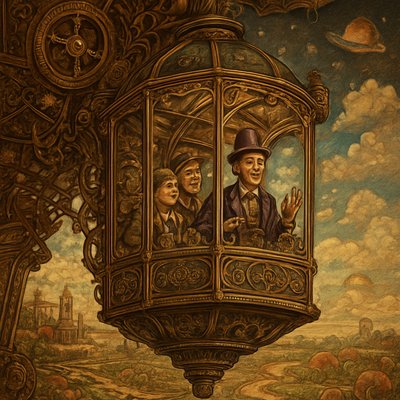
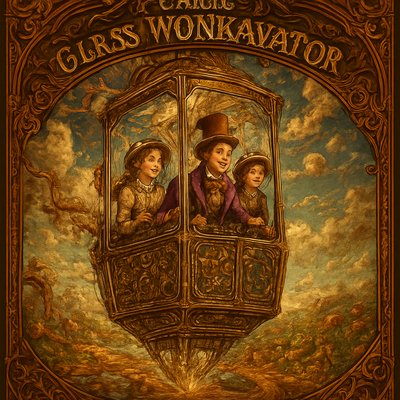
An awe-inspiring and whimsical scene featuring Willy Wonka's Great Glass Wonkavator, soaring through the sky and beyond the confines of the chocolate factory. The Wonkavator itself is a magnificent, multi-directional glass elevator, transparent and sparkling, with Willy Wonka (wearing his iconic top hat, purple coat, and bowtie) and 2 young Victorian well dressed ladies looking out with expressions of joy, wonder and excitement. The interior is filled with intricate buttons and levers for controlling its magical flight. The Wonkavator is depicted in mid-flight, perhaps bursting through the factory roof or ascending above the clouds. Below it, the fantastical landscape of the Chocolate Factory is visible – chocolate rivers, edible gardens, candy cane trees, and various whimsical buildings. Beyond the factory, a stunning, imaginative sky unfolds, perhaps with floating candy clouds, distant fantastical landmarks, or even glimpses of outer space and planets. The lighting is bright and magical, emphasizing the glass's transparency and the vibrant colors of the world below and beyond. The overall mood is one of boundless adventure, limitless possibilities, and pure, joyful fantasy."
portrait of a person with expressive eyes
a painting of a man with a sword
a painting of a woman with horns and leaves on her head
a tree in nature
Watercolor Portrait Art Style Style Transfer Example
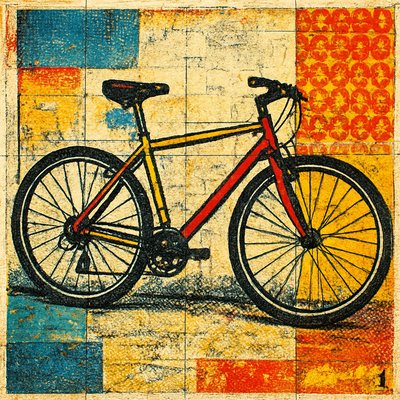
bicyle resting against a wall