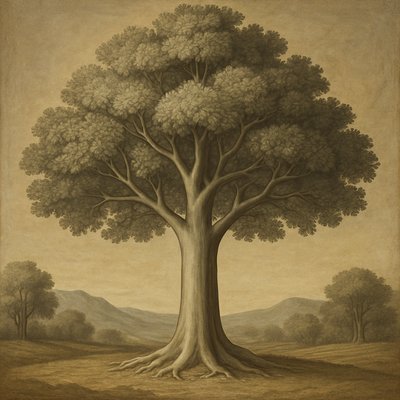
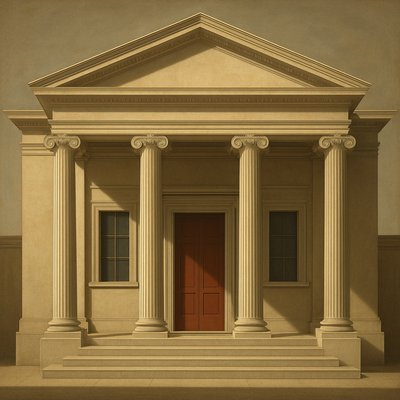
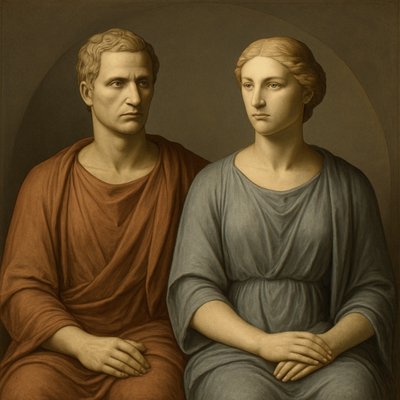
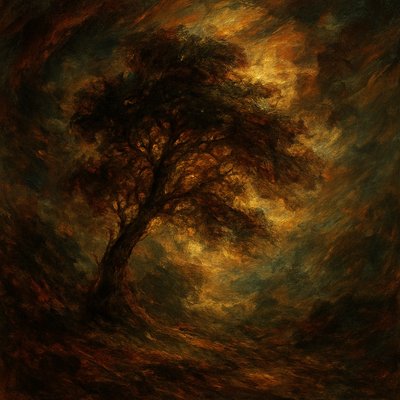
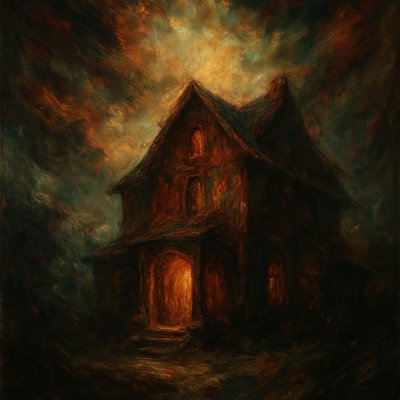
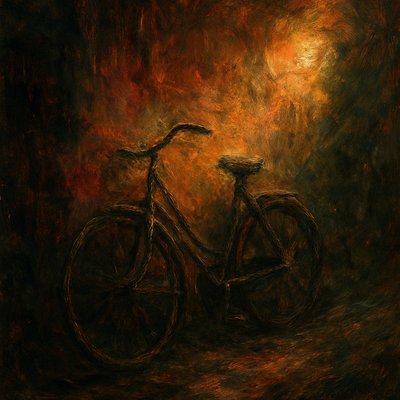
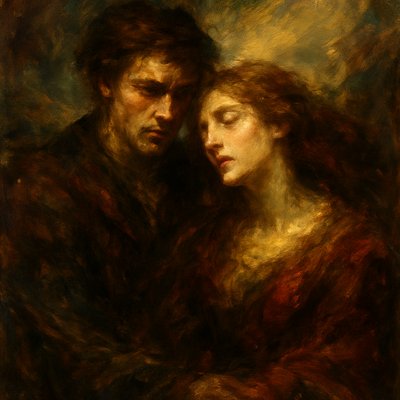
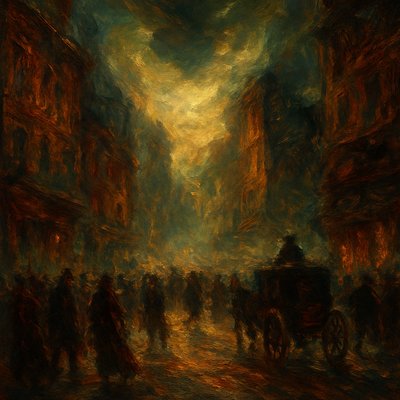
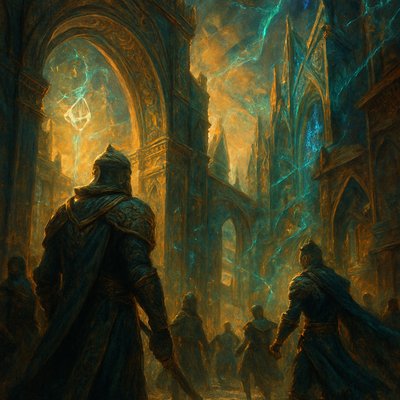
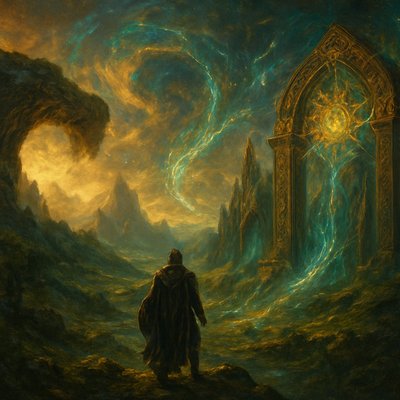
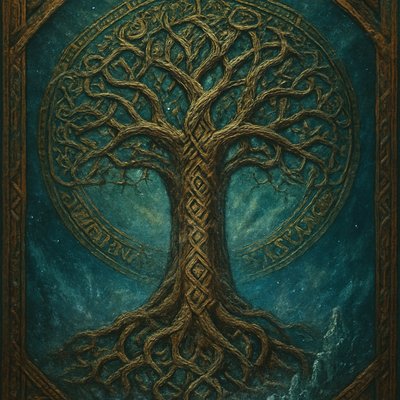
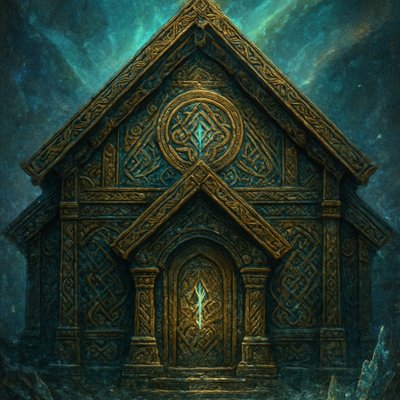
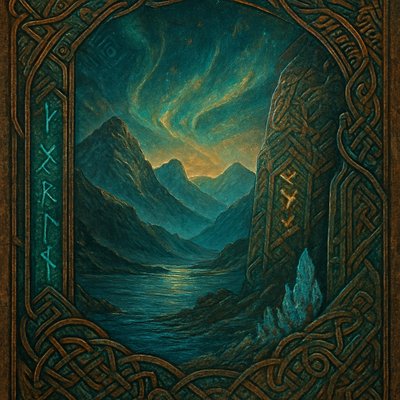
Atmospheric Impressionism Art Style Style Transfer Example Art

house with front view
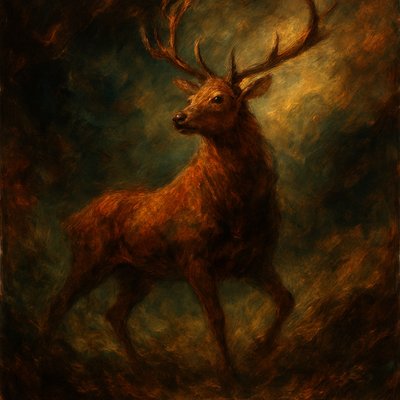
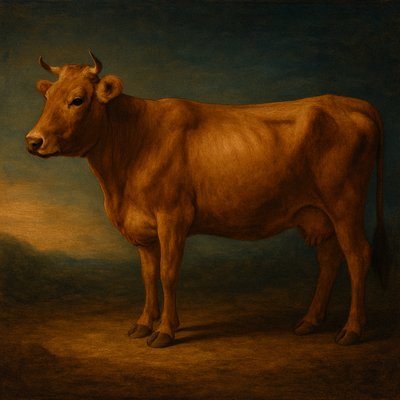
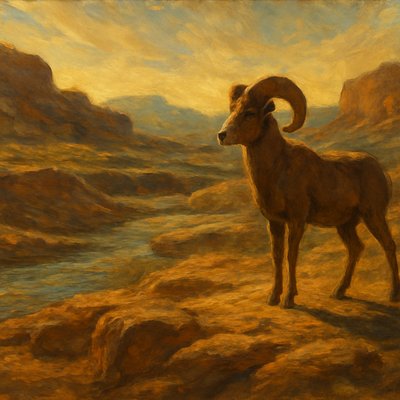
animal standing in natural pose
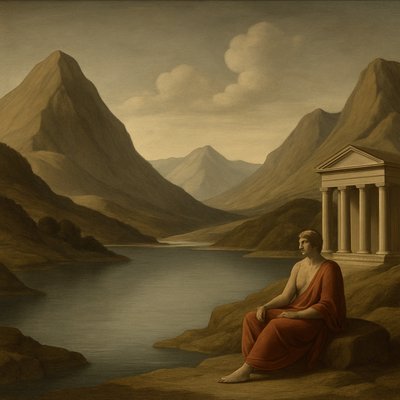
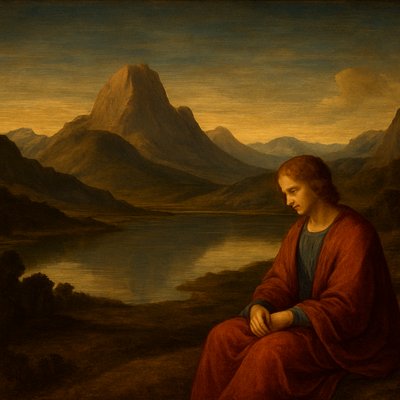
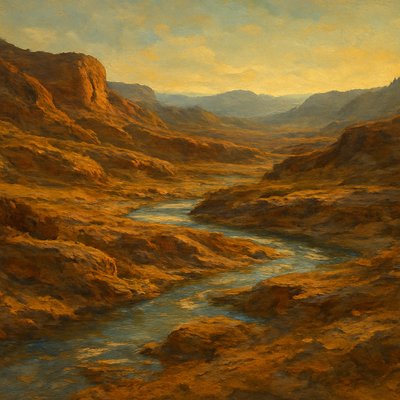
serene landscape with mountains and water
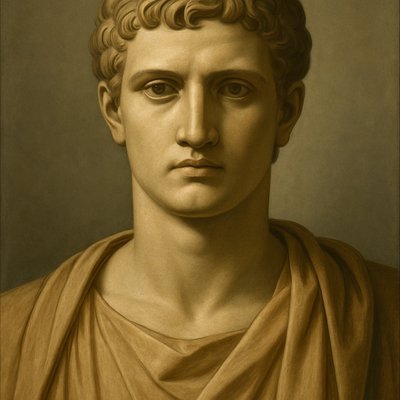
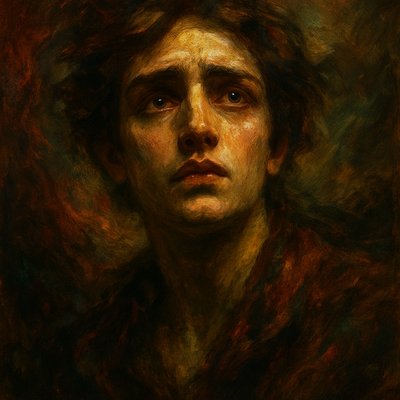
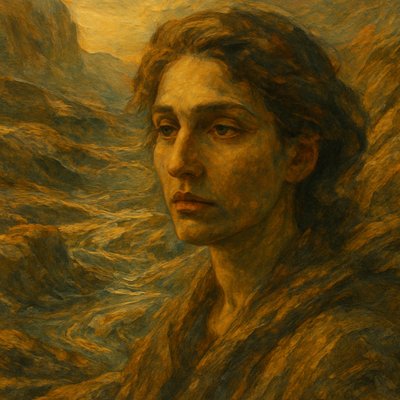
portrait of a person with expressive eyes
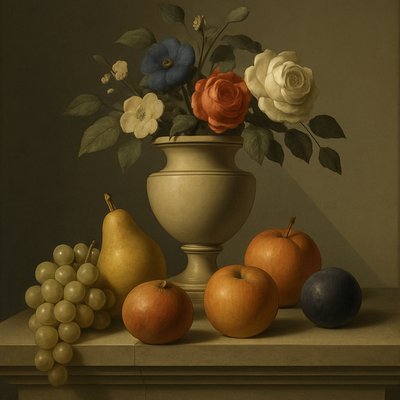
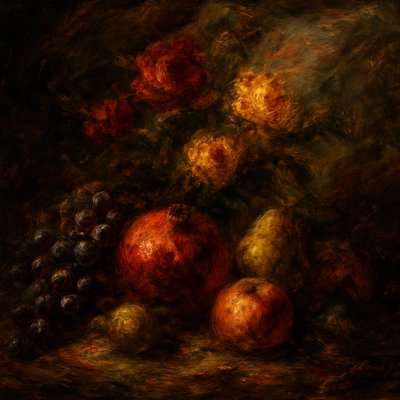
still life arrangement of fruits and flowers
architectural vista
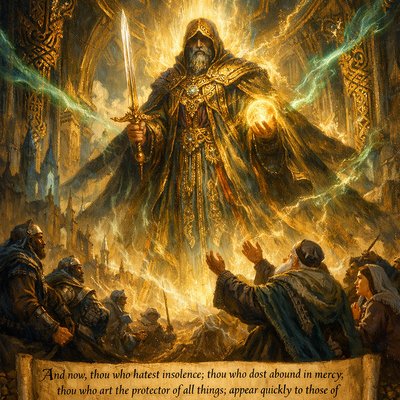
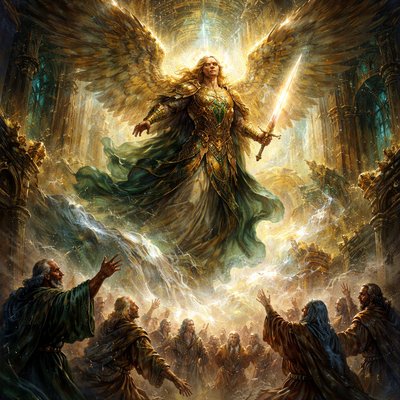
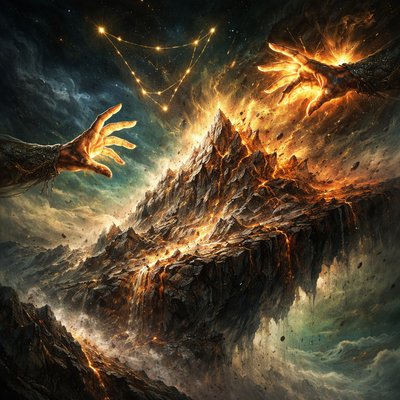
And behold! He comes with ten thousands of ⌈His⌉ holy ones (1 Enoch 1:9)
urban street with city activity
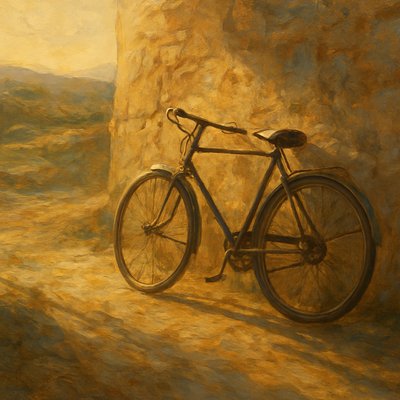
bicyle resting against a wall
animal standing in natural pose
still life with everyday objects
wide landscape with natural scenery
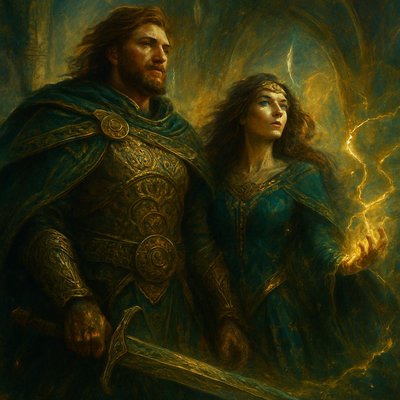
still life with everyday objects
wide landscape with natural scenery
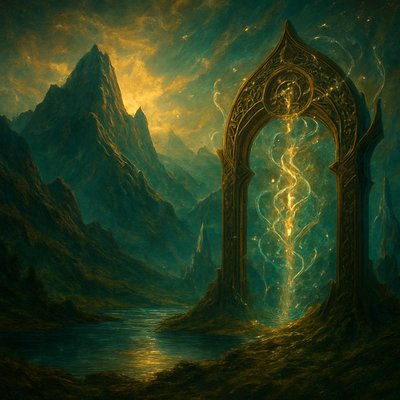
urban street with city activity
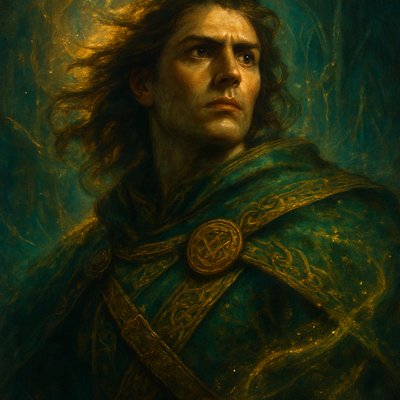
bicyle resting against a wall
still life with everyday objects
wide landscape with natural scenery
serene landscape with mountains and water
portrait of a person with expressive eyes
still life arrangement of fruits and flowers
a painting of a man running in a cave
a man holding a basketball in his right hand
a painting of a man kneeling on a cliff
bicyle resting against a wall
urban street with city activity
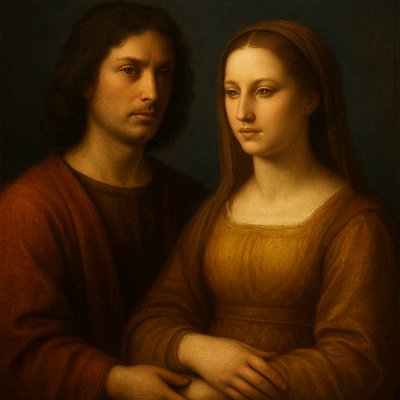
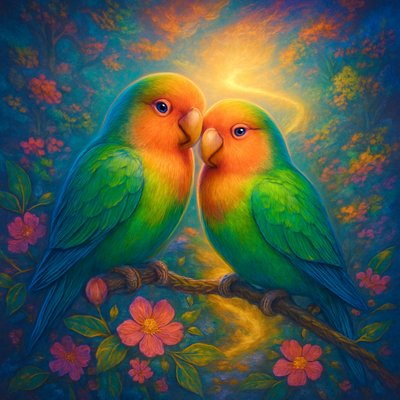
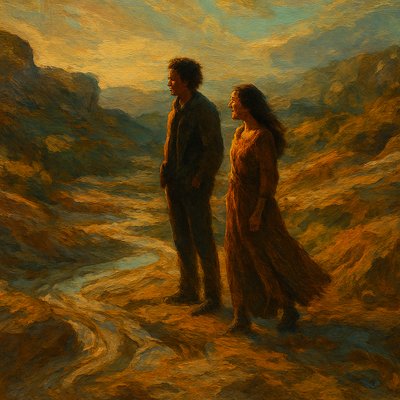
portrait of two people together
A koi pond seen from above, orange and white koi fish swimming among lily pads, clear water with subtle ripples, fallen cherry blossom petals floating on the surface, dappled sunlight
Art Style: A complex, symbolic conceptual illustration blending ancient mysticism with modern schematic design. The aesthetic should feel like an illuminated alchemical manuscript crossed with a celestial blueprint. Textures of aged vellum, carved stone, and glowing divine energy.

Central Composition: A vertical evolutionary flow. At the grounding base, emerging from rough, ancient rock, is the Paleo-Hebrew Aleph symbol (the stylized ox head with horns, looking like an 'A' lying on its side). It is carved deeply, looking primal and strong.

Transition & Meanings: Rising from the Paleo symbol is a swirling vortex of golden and blue light, forming a "pillar of meaning." Within this energy stream, ethereal visual metaphors and text are embedded: ghostly outlines of a powerful ox plowing, a stylized crown representing leadership, and a single radiant beam of light connecting heaven and earth. The English words "STRENGTH," "LEADER," and "FIRST" are written in archaic, glowing script along this rising path.

The Modern Form: At the apex, floating suspended in a sphere of brilliant white light, is the Modern Hebrew letter א (Aleph). It is rendered not just as ink, but as three distinct components of energy (the upper yod, lower yod, and connecting vav) held together in perfect balance, symbolizing divine unity.

Textual Integration:

Floating prominently above the entire composition is the large, glowing number "1".

Bridging the gap between the ancient and modern forms in the center of the image is the word "ALEF" in a bold, timeless font.

Small labels "PALEO-HEBREW" and "MODERN HEBREW" are discreetly placed near their respective symbols.

Overall Mood: Profound, sacred, interconnected, and powerful. The background is a subtle star map with faint sacred geometry lines.
Art Style: Analytical Cubism, avant-garde oil painting style reminiscent of Picasso and Braque.

Subject: A dense, tangled thicket of Rhododendrons and Mountain Laurel bushes.

Composition & Details: The entire natural scene is deconstructed into overlapping geometric planes, fractured shards, and intersecting angles. There are no curved lines; everything is rendered in cubes, cones, and trapezoids.

    The Rhododendrons: Large, showy flower trusses are broken into faceted crystalline structures of deep magenta, rose pink, and violet blocks, looking like explosions of colored quartz rather than soft petals.

    The Mountain Laurels: The smaller, intricate flowers are rendered as complex, repeating geometric star-patterns and angular cups in white and pale pink with distinct red polygonal markings.

    Foliage & Branches: The thick, leathery leaves are fragmented green triangles and parallelograms overlapping each other, creating a sense of depth without traditional perspective. The woody stems and branches are jagged, intersecting brown and grey cylinders that shatter across the frame.

Color & Texture: A palette of muted earth tones—ochre, burnt umber, forest green, and slate grey—contrasted sharply with the jewel-toned facets of the flower colors. The finish should have a heavy, textured oil paint feel with visible palette knife marks and rough brushwork.
Art Style: Analytical Cubism, avant-garde oil painting style reminiscent of Picasso and Braque.

Subject: A dense, tangled thicket of Rhododendrons and Mountain Laurel bushes.

Composition & Details: The entire natural scene is deconstructed into overlapping geometric planes, fractured shards, and intersecting angles. There are no curved lines; everything is rendered in cubes, cones, and trapezoids.

    The Rhododendrons: Large, showy flower trusses are broken into faceted crystalline structures of deep magenta, rose pink, and violet blocks, looking like explosions of colored quartz rather than soft petals.

    The Mountain Laurels: The smaller, intricate flowers are rendered as complex, repeating geometric star-patterns and angular cups in white and pale pink with distinct red polygonal markings.

    Foliage & Branches: The thick, leathery leaves are fragmented green triangles and parallelograms overlapping each other, creating a sense of depth without traditional perspective. The woody stems and branches are jagged, intersecting brown and grey cylinders that shatter across the frame.

Color & Texture: A palette of muted earth tones—ochre, burnt umber, forest green, and slate grey—contrasted sharply with the jewel-toned facets of the flower colors. The finish should have a heavy, textured oil paint feel with visible palette knife marks and rough brushwork.
Art Style: Analytical Cubism, avant-garde oil painting style reminiscent of Picasso and Braque.

Subject: A dense, tangled thicket of Rhododendrons and Mountain Laurel bushes.

Composition & Details: The entire natural scene is deconstructed into overlapping geometric planes, fractured shards, and intersecting angles. There are no curved lines; everything is rendered in cubes, cones, and trapezoids.

    The Rhododendrons: Large, showy flower trusses are broken into faceted crystalline structures of deep magenta, rose pink, and violet blocks, looking like explosions of colored quartz rather than soft petals.

    The Mountain Laurels: The smaller, intricate flowers are rendered as complex, repeating geometric star-patterns and angular cups in white and pale pink with distinct red polygonal markings.

    Foliage & Branches: The thick, leathery leaves are fragmented green triangles and parallelograms overlapping each other, creating a sense of depth without traditional perspective. The woody stems and branches are jagged, intersecting brown and grey cylinders that shatter across the frame.

Color & Texture: A palette of muted earth tones—ochre, burnt umber, forest green, and slate grey—contrasted sharply with the jewel-toned facets of the flower colors. The finish should have a heavy, textured oil paint feel with visible palette knife marks and rough brushwork.
Art Style: Analytical Cubism, avant-garde oil painting style reminiscent of Picasso and Braque.

Subject: A dense, tangled thicket of Rhododendrons and Mountain Laurel bushes.

Composition & Details: The entire natural scene is deconstructed into overlapping geometric planes, fractured shards, and intersecting angles. There are no curved lines; everything is rendered in cubes, cones, and trapezoids.

    The Rhododendrons: Large, showy flower trusses are broken into faceted crystalline structures of deep magenta, rose pink, and violet blocks, looking like explosions of colored quartz rather than soft petals.

    The Mountain Laurels: The smaller, intricate flowers are rendered as complex, repeating geometric star-patterns and angular cups in white and pale pink with distinct red polygonal markings.

    Foliage & Branches: The thick, leathery leaves are fragmented green triangles and parallelograms overlapping each other, creating a sense of depth without traditional perspective. The woody stems and branches are jagged, intersecting brown and grey cylinders that shatter across the frame.

Color & Texture: A palette of muted earth tones—ochre, burnt umber, forest green, and slate grey—contrasted sharply with the jewel-toned facets of the flower colors. The finish should have a heavy, textured oil paint feel with visible palette knife marks and rough brushwork.
Art Style: Analytical Cubism, avant-garde oil painting style reminiscent of Picasso and Braque.

Subject: A dense, tangled thicket of Rhododendrons and Mountain Laurel bushes.

Composition & Details: The entire natural scene is deconstructed into overlapping geometric planes, fractured shards, and intersecting angles. There are no curved lines; everything is rendered in cubes, cones, and trapezoids.

    The Rhododendrons: Large, showy flower trusses are broken into faceted crystalline structures of deep magenta, rose pink, and violet blocks, looking like explosions of colored quartz rather than soft petals.

    The Mountain Laurels: The smaller, intricate flowers are rendered as complex, repeating geometric star-patterns and angular cups in white and pale pink with distinct red polygonal markings.

    Foliage & Branches: The thick, leathery leaves are fragmented green triangles and parallelograms overlapping each other, creating a sense of depth without traditional perspective. The woody stems and branches are jagged, intersecting brown and grey cylinders that shatter across the frame.

Color & Texture: A palette of muted earth tones—ochre, burnt umber, forest green, and slate grey—contrasted sharply with the jewel-toned facets of the flower colors. The finish should have a heavy, textured oil paint feel with visible palette knife marks and rough brushwork.
Art Style: Analytical Cubism, avant-garde oil painting style reminiscent of Picasso and Braque.

Subject: A dense, tangled thicket of Rhododendrons and Mountain Laurel bushes.

Composition & Details: The entire natural scene is deconstructed into overlapping geometric planes, fractured shards, and intersecting angles. There are no curved lines; everything is rendered in cubes, cones, and trapezoids.

    The Rhododendrons: Large, showy flower trusses are broken into faceted crystalline structures of deep magenta, rose pink, and violet blocks, looking like explosions of colored quartz rather than soft petals.

    The Mountain Laurels: The smaller, intricate flowers are rendered as complex, repeating geometric star-patterns and angular cups in white and pale pink with distinct red polygonal markings.

    Foliage & Branches: The thick, leathery leaves are fragmented green triangles and parallelograms overlapping each other, creating a sense of depth without traditional perspective. The woody stems and branches are jagged, intersecting brown and grey cylinders that shatter across the frame.

Color & Texture: A palette of muted earth tones—ochre, burnt umber, forest green, and slate grey—contrasted sharply with the jewel-toned facets of the flower colors. The finish should have a heavy, textured oil paint feel with visible palette knife marks and rough brushwork.
Watercolor Painting Art Style, a delicate yet vibrant Red Admiral butterfly with its wings fully open, showcasing its striking black, orange, and white patterns, gently resting against the textured, pale white bark of an aspen tree. The tree stands in a lower elevation scene, overlooking a serene stream whose water reflects the soft autumn light. Surrounding the butterfly are lush, colorful fall flowers arranged like a charming garden, in hues of deep red, golden yellow, and rustic orange, with hints of green foliage. The overall scene is bathed in soft, clear autumn light, creating a peaceful, luminous, and artistic atmosphere with beautiful color transitions. Focus on the delicate translucency of the butterfly's wings, the subtle nuances of the aspen bark, and the blended, rich tones of the fall garden and stream.
Photorealism Art Style, a magnificent Palm Cockatoo perched majestically on a thick, moss-covered tree branch in its natural environment. Its dramatic, charcoal-black plumage is highlighted, revealing subtle textures, and its distinctive large, fanned crest is partially raised. The bright red cheek patches are vibrant against its dark feathers. The cockatoo is set within a dense, lush tropical rainforest canopy, with vibrant green foliage, exotic leaves, and glimpses of deep jungle shadows in the background. Soft, dappled sunlight filters through the leaves, creating natural highlights on the bird and its surroundings. Focus on intricate feather details, the vivid red of its face, and the rich, humid atmosphere of the rainforest.
Renaissance Painting Art Style, a magnificent and awe-inspiring Veil of the Tabernacle from Exodus 26:31, hanging grandly in a sacred space. The veil is exquisitely woven from deep blue, regal purple, and vivid scarlet yarn, intertwined with finely twisted pure white linen. Intricately and skillfully woven into the fabric are detailed, majestic cherubim with outstretched wings, their forms appearing almost alive within the threads. The entire veil shimmers with a subtle, divine luminosity, catching soft, ethereal light that emphasizes its rich textures, elaborate patterns, and sacred purpose. Focus on the luxurious drape of the fabric, the vibrancy of the colors, and the dignified, ethereal presence of the cherubim.
Photorealism Art Style, a chaotic and dynamic downhill ski race featuring four WWF-style wrestlers: two muscular women and two powerful men. All four are fiercely competing, wearing over-the-top, classic 90s-era WWF wrestling attire (like bright spandex, signature logos, and knee pads) over their ski boots, on skis. They are actively engaged in wrestling-like maneuvers while skiing—one wrestler might be attempting a headlock, another is pushing an opponent, and one is dramatically dodging. They are speeding down a pristine, snowy mountain slope under bright, clear daylight with pine trees visible in the background. Focus on intense facial expressions, exaggerated action, realistic snow spray, and detailed textures of both wrestling gear and ski equipment.
Photorealism Art Style, a distinguished human pastor, with a calm and wise expression, stands prominently in the foreground. He is impeccably dressed in a modern, dark suit, with a noticeable, large, and intricate cross necklace hanging clearly visible. Behind him, majestic and sprawling, is a grand, beautiful cathedral, its architecture a blend of classic and natural elements, perhaps with vines or trees subtly integrated into its design. The cathedral is situated within a vibrant, lush forest city, where towering trees and greenery are woven throughout the urban landscape. In the far distance, the sun is dramatically rising, casting a warm, golden light that illuminates the scene from behind, creating a serene and powerful atmosphere. Focus on realistic textures of the suit, the cross, stone of the cathedral, and the diverse foliage, all under natural, early morning light.