Art Style & Atmosphere: A Richly Detailed, Cinematic Fantasy Photograph With A Whimsical, Storybook Quality. The Lighting Is Art

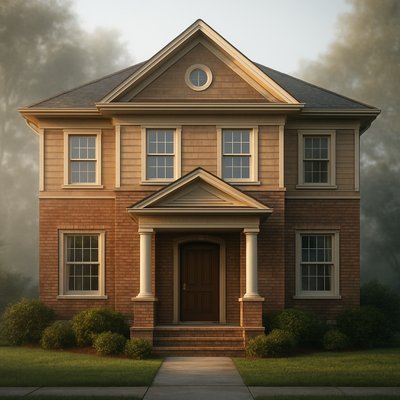
house with front view
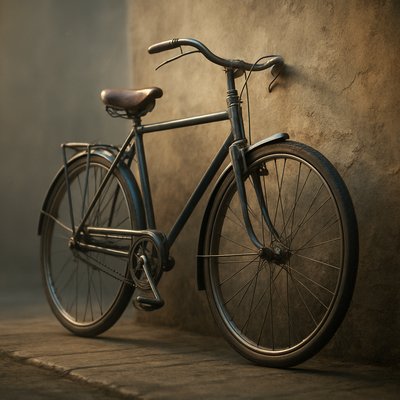
bicyle resting against a wall
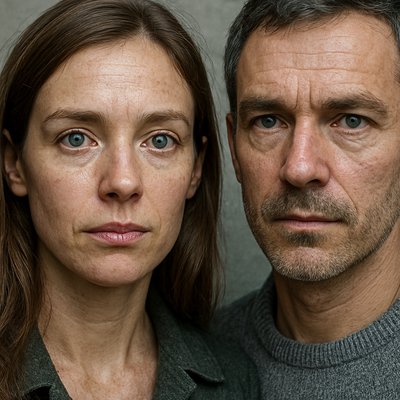
portrait of two people together
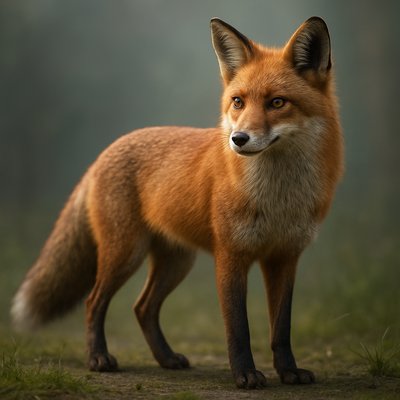
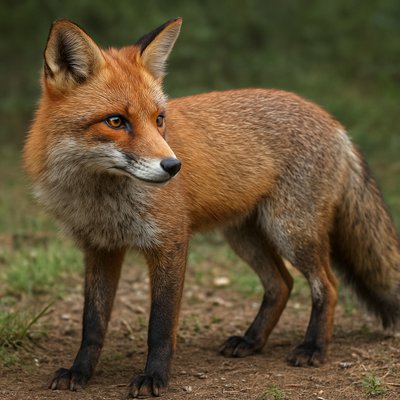
animal standing in natural pose
serene landscape with mountains and water
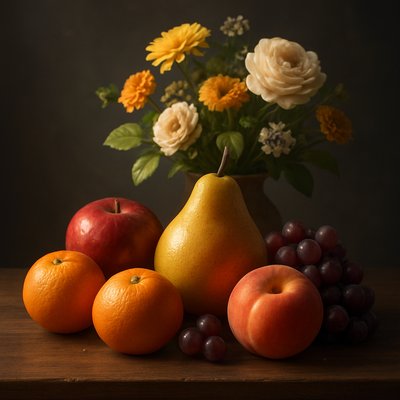
still life arrangement of fruits and flowers
animal standing in natural pose
portrait of two people together
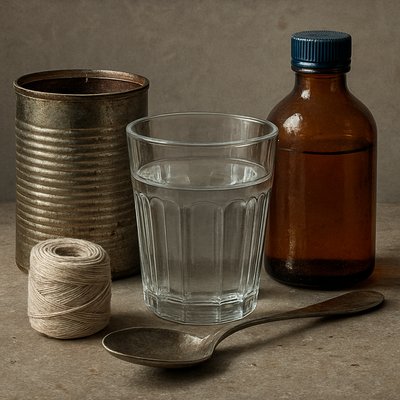
still life with everyday objects
wide landscape with natural scenery
serene landscape with mountains and water
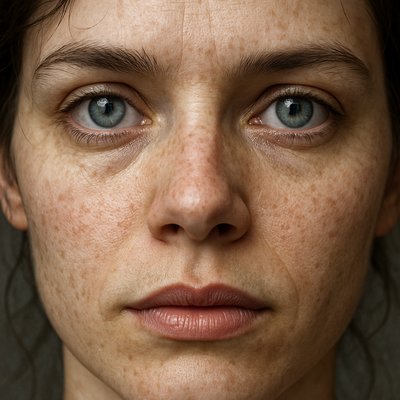
portrait of a person with expressive eyes
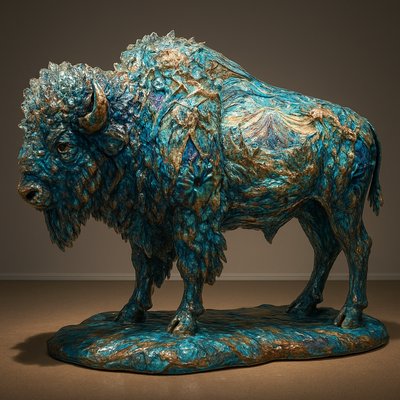
    A breathtaking, full-size artistic sculpture of a standing buffalo, rendered entirely in the style of intricate, luminous glass art, reminiscent of the painted buffalo installations found in West Yellowstone art shows. The buffalo's form is composed of countless individual pieces of vibrant, multifaceted stained glass or fused glass, meticulously cut, arranged, and joined, creating a cohesive and majestic shape.

    Instead of traditional paint, the entire surface of this glass buffalo is adorned with various miniature, finely detailed scenes and patterns etched, painted, or embedded within the glass itself, or created by the unique coloration and texture of the glass pieces. These scenes could depict:

        Western landscapes: Yellowstone's geysers, mountain ranges, pine forests, rivers.

        Wildlife: Elk, bears, wolves, eagles (in glass).

        Native American art motifs: Geometric patterns, symbols, and figures (also rendered in glass).

        Historical moments: Subtle nods to early explorers or iconic figures (stylized in glass).

    The buffalo's interior is subtly illuminated, causing the entire sculpture to glow from within. Light catches every facet of the glass, creating a dazzling play of refracted colors and intricate shadows on the ground around it. The background is a clean, modern art gallery setting with soft, focused lighting, allowing the buffalo to be the sole, radiant centerpiece. The atmosphere is one of awe, wonder, and appreciation for artistic craftsmanship and the spirit of the American West, reimagined through a unique, luminous medium. The artistic style is hyper-realistic, emphasizing the detailed texture, transparency, and brilliant light play inherent in glass art."
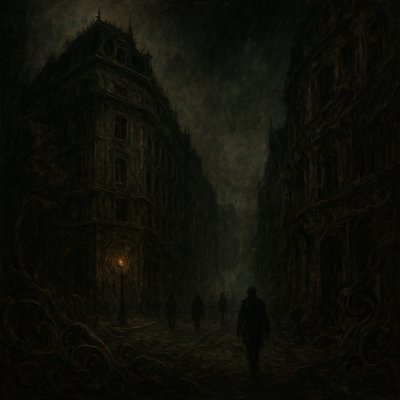
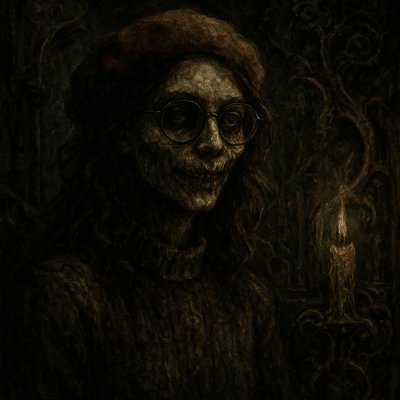
Gothic Horror Art Style Transfer Example
Designer Vinyl Toy Art Style Transfer Example
A koi pond seen from above, orange and white koi fish swimming among lily pads, clear water with subtle ripples, fallen cherry blossom petals floating on the surface, dappled sunlight
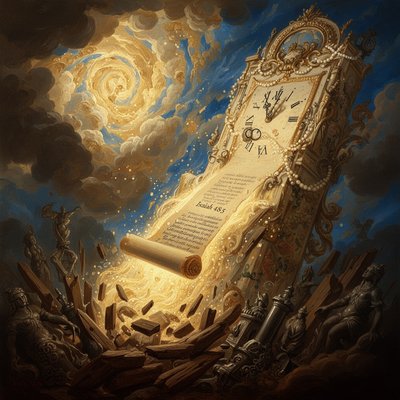
A highly conceptual and symbolic representation of Isaiah 48:5. Visualize a vast, ancient timepiece or scroll that is simultaneously unrolling into the present moment. The scroll is emanating a brilliant, glowing light which is eclipsing shadowed, shattered fragments of carved wood and broken metal idols scattered at the base of the image. The style should be highly detailed, luminous, and inspired by Baroque painting, emphasizing dramatic contrast (chiaroscuro) between the divine light and the darkness of human-made deities.
a tree in nature
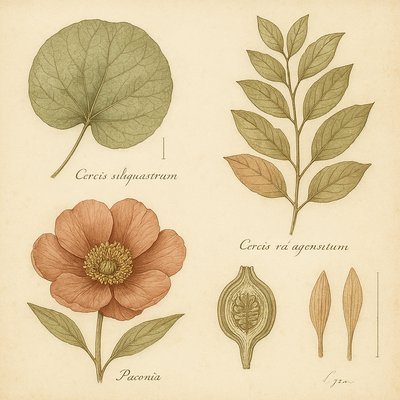
Botanical Nature Art Style Transfer Example
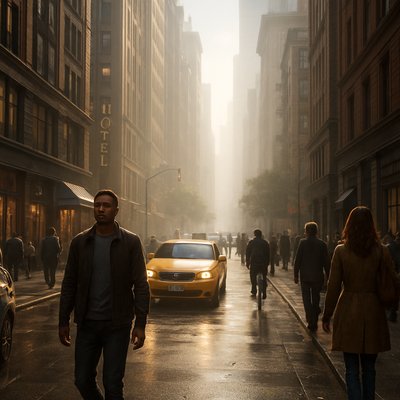
urban street with city activity
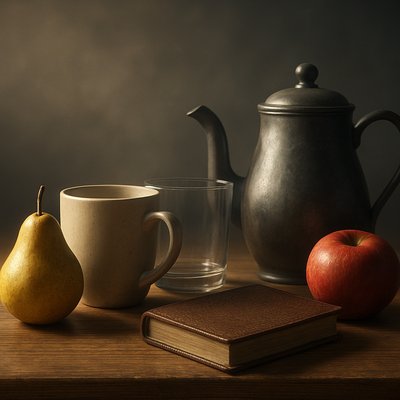
still life with everyday objects
wide landscape with natural scenery
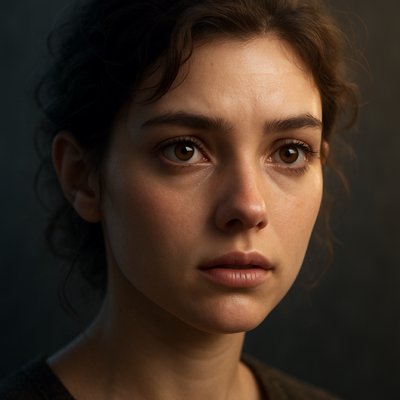
portrait of a person with expressive eyes
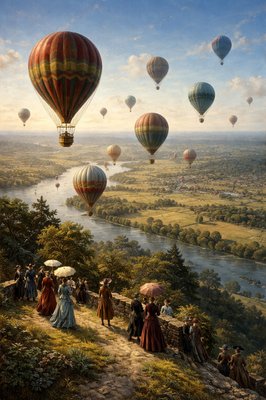
in the style of John Atkinson Grimshaw,
bird’s‑eye view, camera looking downward from a moderate height over hot air balloons rising steadily and moving with the wind through clear blue skies,
subtle curvature of the landscape visible below,
rich jewel‑tone reds, teals, and golds catching warm natural sunlight, realistic wind‑driven motion, natural directional flow, a hillside overlook below with small groups of people watching the balloons, holding umbrellas for shade, wearing Victorian‑style clothing,
long tailored coats, layered skirts, high collars,
grounded composition, realistic atmospheric depth, cinematic painterly
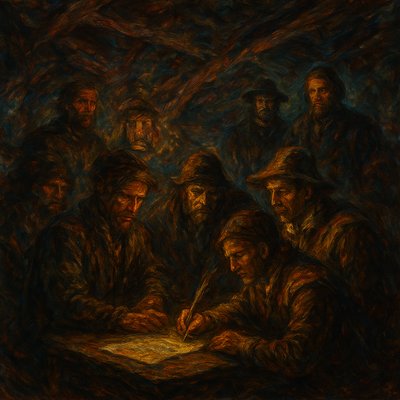
A historically accurate and atmospheric depiction of the signing of the Mayflower Compact aboard the ship in November 1620. The scene is set in the dimly lit, cramped cabin of the Mayflower, with the ship's timbers and rigging subtly visible, conveying the challenging conditions of the voyage. A simple table or chest serves as the signing surface. The primary focus is on a small group of the last individuals signing the document: specifically, the indentured servants (or 'strangers' not directly part of the Separatist congregation) approaching or at the table. Their expressions show a mix of weary determination, understanding of the necessity, and perhaps a hint of quiet apprehension or resignation to this new social contract, given their status. They are dressed in the plain, practical clothing typical of 17th-century commoners and laborers. Figures of prominent Pilgrims or 'Saints' (like William Bradford or John Carver) are visible in the background, observing the proceedings with a sense of gravity and leadership, but they are not the central focus. The lighting is low and warm, perhaps from a lantern, creating a chiaroscuro effect that highlights the faces of the signers. The atmosphere conveys the momentousness of the act under difficult circumstances, the diverse composition of the group, and the early seeds of self-governance in a new world. The artistic style is a realistic, historically detailed oil painting, capturing the solemnity and human element of this pivotal historical moment."
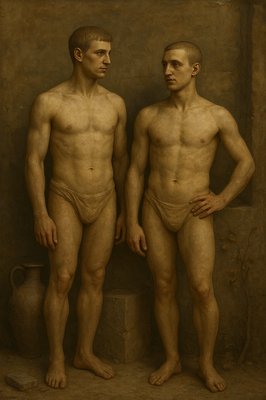
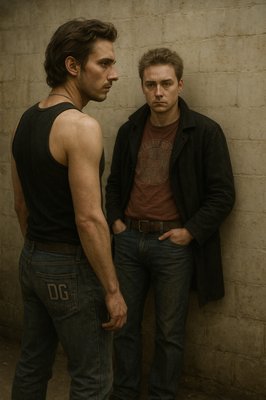
a painting of two men standing next to each other
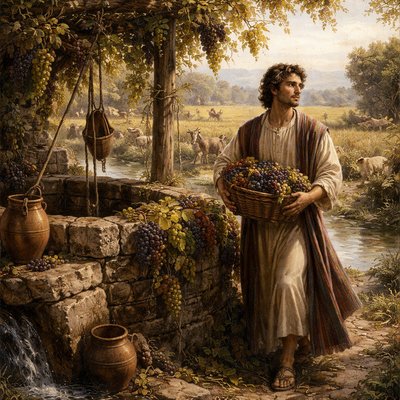
“Joseph is a fruitful bough, even a fruitful bough by a well; whose branches run over the wall:” (Genesis 49:22, KJV)
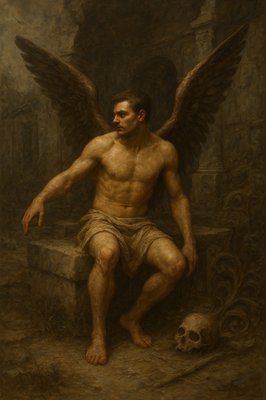
a painting of a man with wings and a skull
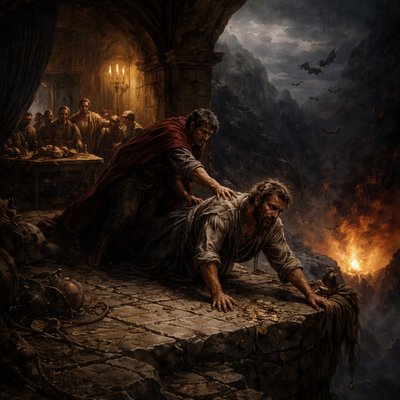
“And cast ye the unprofitable servant into outer darkness: there shall be weeping and gnashing of teeth.” (Matthew 25:30, KJV)
a couple of men standing next to each other
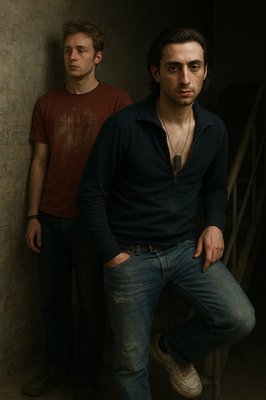
two men standing next to each other in a room
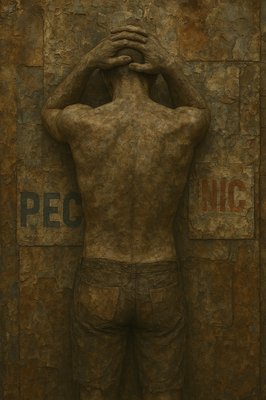
a statue of a man covering his face with his hands
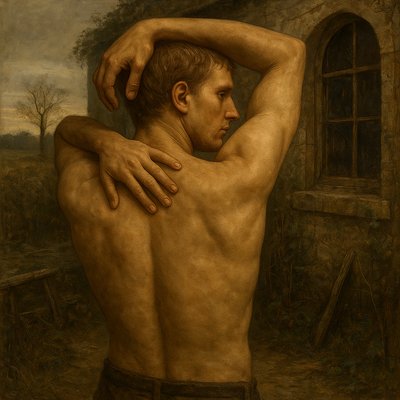
a painting of a man with his back to the camera
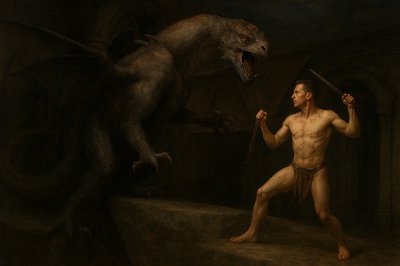
a painting of a man holding a sword in front of a demon
“The sacrifices of God are a broken spirit: a broken and a contrite heart, O God, thou wilt not despise.” (Psalms 51:17, KJV)
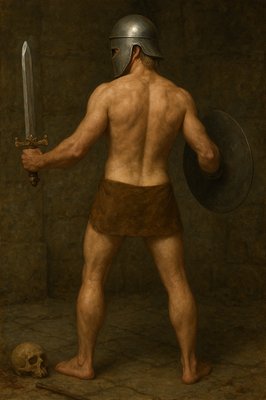
a painting of a man with a sword and a helmet
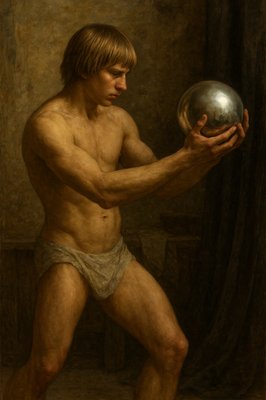
a painting of a man holding a silver ball
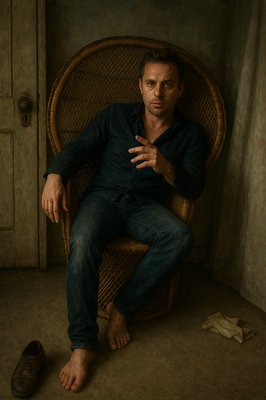
a painting of a man sitting in a wicker chair
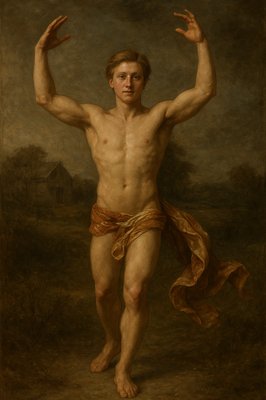
a painting of a man with his hands in the air
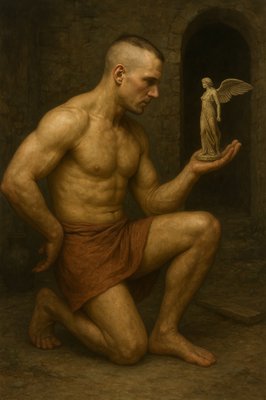
a painting of a man holding a statue