And Solomon Told Out Threescore And Ten Thousand Men To Bear Burdens, And Fourscore Thousand To Hew In The Mountain, And Three Art

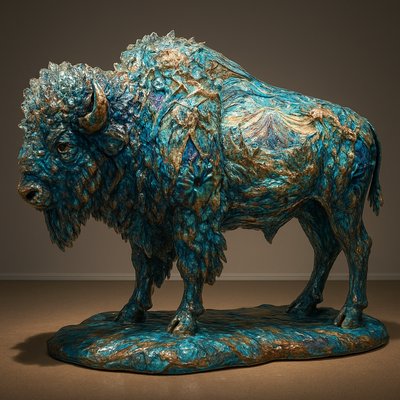
    A breathtaking, full-size artistic sculpture of a standing buffalo, rendered entirely in the style of intricate, luminous glass art, reminiscent of the painted buffalo installations found in West Yellowstone art shows. The buffalo's form is composed of countless individual pieces of vibrant, multifaceted stained glass or fused glass, meticulously cut, arranged, and joined, creating a cohesive and majestic shape.

    Instead of traditional paint, the entire surface of this glass buffalo is adorned with various miniature, finely detailed scenes and patterns etched, painted, or embedded within the glass itself, or created by the unique coloration and texture of the glass pieces. These scenes could depict:

        Western landscapes: Yellowstone's geysers, mountain ranges, pine forests, rivers.

        Wildlife: Elk, bears, wolves, eagles (in glass).

        Native American art motifs: Geometric patterns, symbols, and figures (also rendered in glass).

        Historical moments: Subtle nods to early explorers or iconic figures (stylized in glass).

    The buffalo's interior is subtly illuminated, causing the entire sculpture to glow from within. Light catches every facet of the glass, creating a dazzling play of refracted colors and intricate shadows on the ground around it. The background is a clean, modern art gallery setting with soft, focused lighting, allowing the buffalo to be the sole, radiant centerpiece. The atmosphere is one of awe, wonder, and appreciation for artistic craftsmanship and the spirit of the American West, reimagined through a unique, luminous medium. The artistic style is hyper-realistic, emphasizing the detailed texture, transparency, and brilliant light play inherent in glass art."
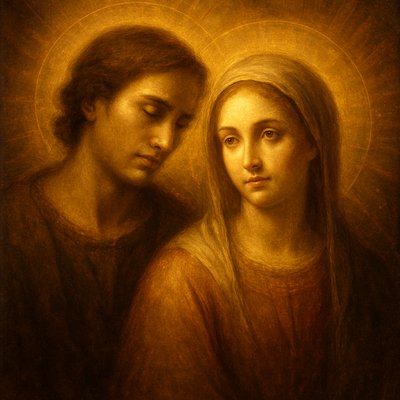
portrait of two people together
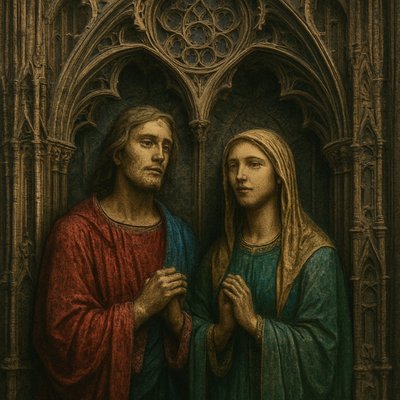
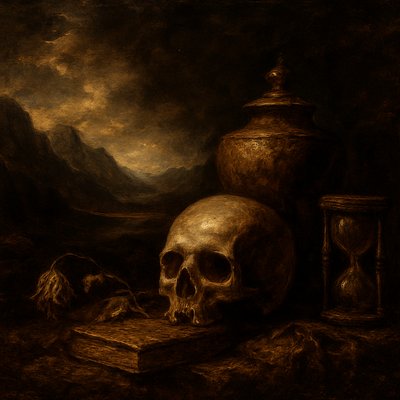
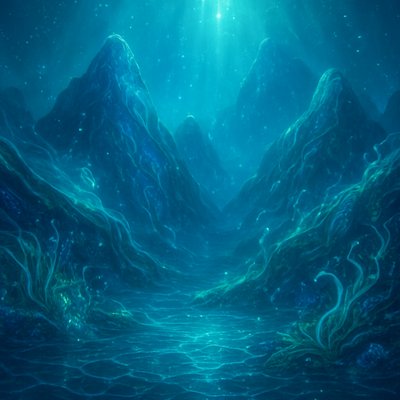
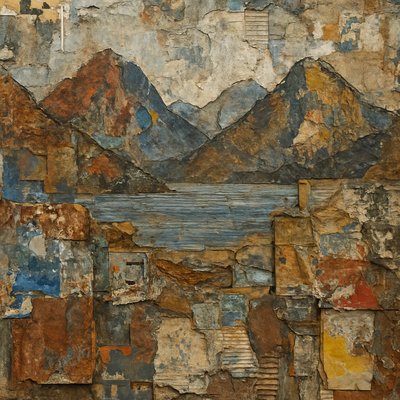
 He setteth an end to darkness, and searcheth out all perfection: the stones of darkness, and the shadow of death. From Job 28:3
 He setteth an end to darkness, and searcheth out all perfection: the stones of darkness, and the shadow of death. From Job 28:3
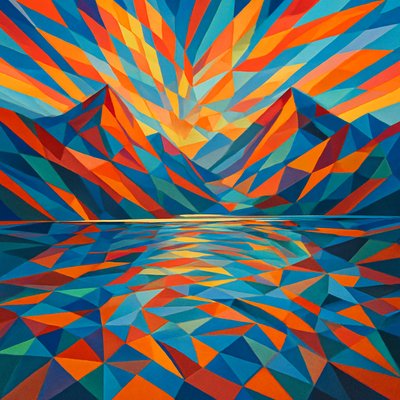
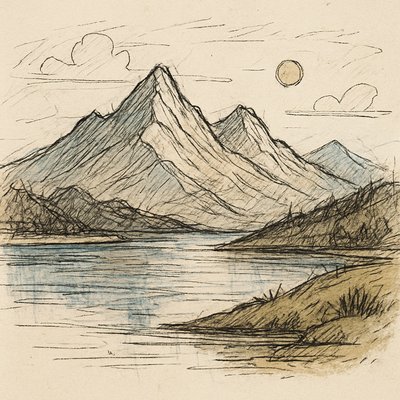
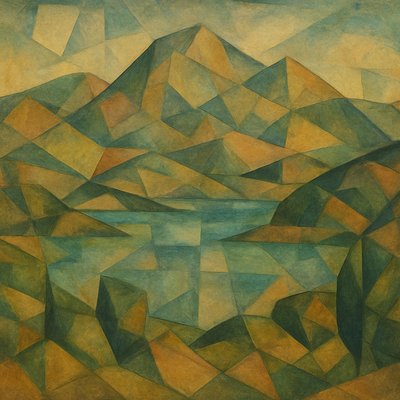
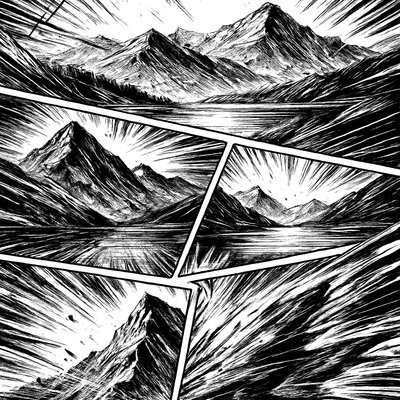
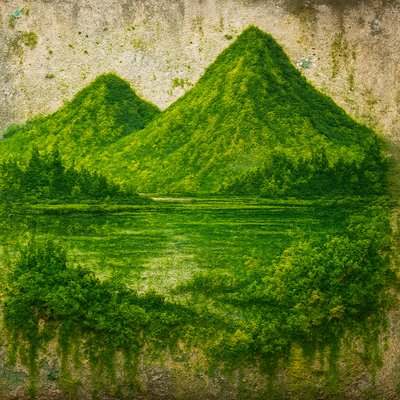
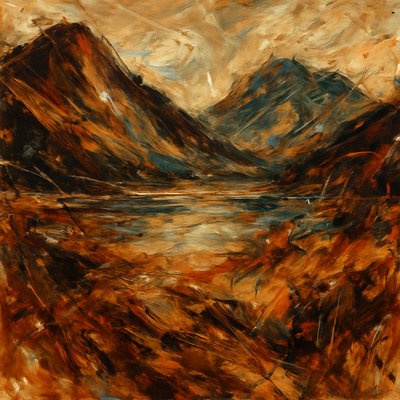
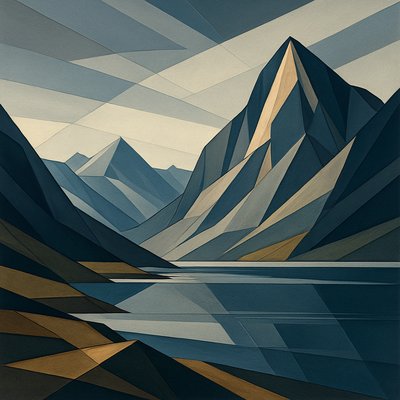
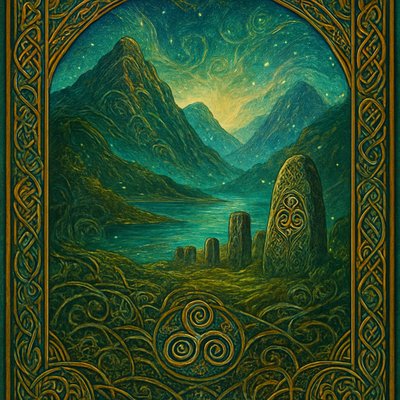
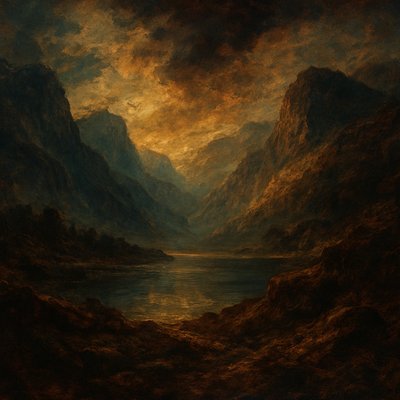
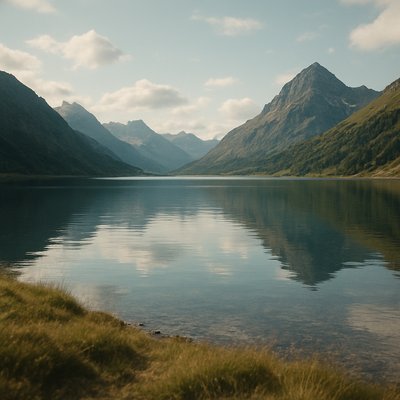
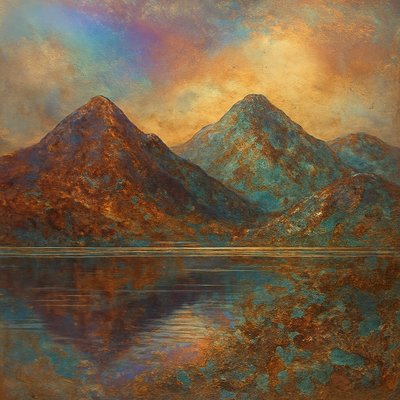
serene landscape with mountains and water
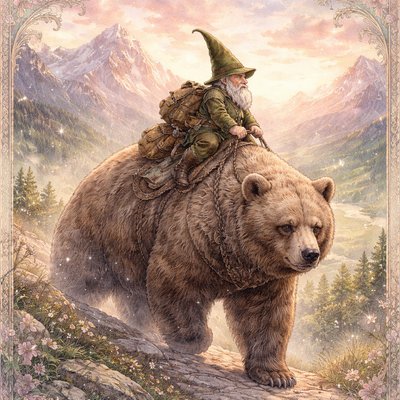
A sweeping landscape photograph of a weathered gnome adventurer riding atop a massive grizzly bear. The gnome, wearing a moss-green tunic, leather armor, and a tall pointed hat, holds onto a braided rope harness. The bear is huge, shaggy, and powerful, walking along a rocky mountain path. In the background, there are towering peaks and a setting sun casting golden light across a vast valley. The scale difference between the tiny gnome and the giant bear is emphasized. Film grain, highly detailed.
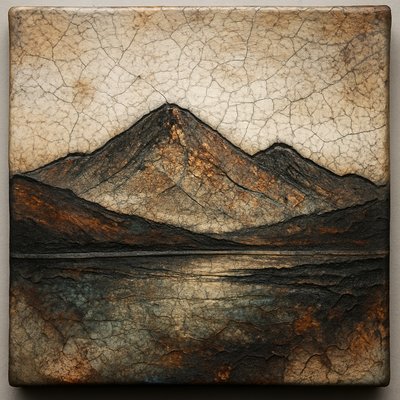
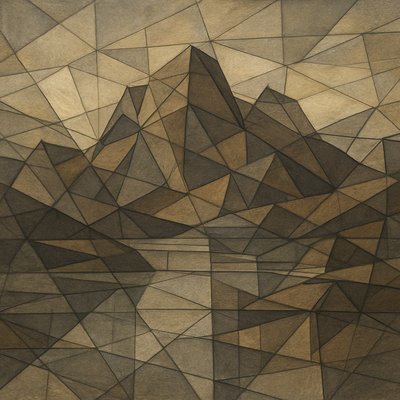
serene landscape with mountains and water
A historically accurate and deeply somber depiction of the immediate aftermath of the Wounded Knee Massacre in December 1890. The scene captures the desolate, snow-covered landscape of the Pine Ridge Reservation. Focus on the fallen Lakota men, women, and children, scattered across the snow, their bodies still and tragic. A few surviving individuals are shown in postures of profound grief or shock, perhaps tending to the wounded. The distant presence of U.S. soldiers, heavily armed, stands as a stark and cold counterpoint to the devastation. The atmosphere is one of profound sorrow, loss, and the brutal silence of winter. The lighting is cold and muted, emphasizing the harshness of the environment and the tragedy of the event. The artistic style should be a realistic, painterly approach, evoking the historical period with unflinching honesty but without graphic sensationalism. The intent is to serve as a memorial to the victims and a historical testament to the tragic event."
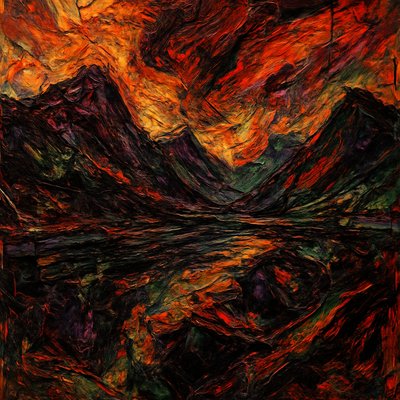
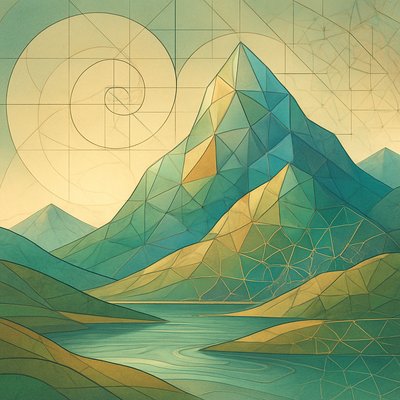
serene landscape with mountains and water