All White Living Room With Single Plant Art

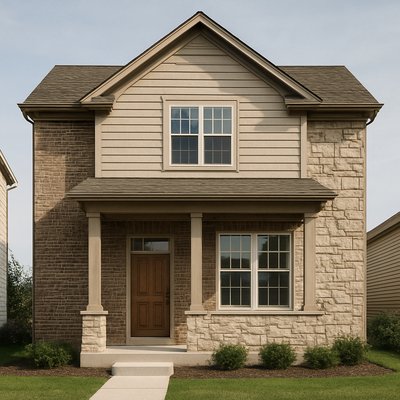
house with front view
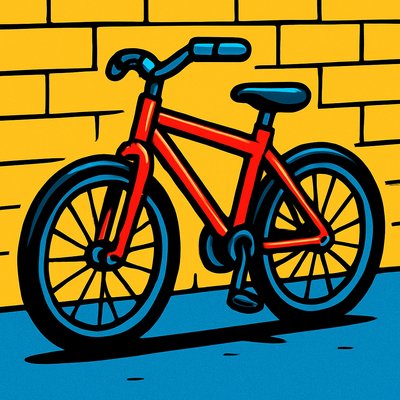
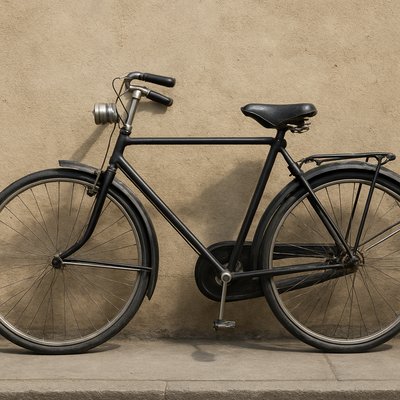
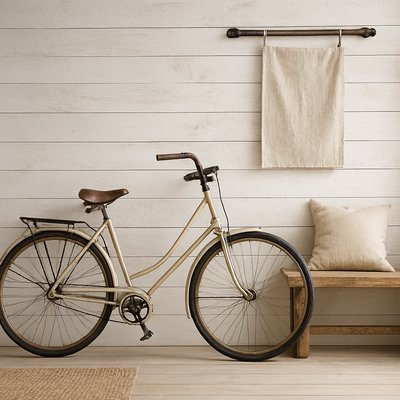
bicyle resting against a wall
portrait of two people together
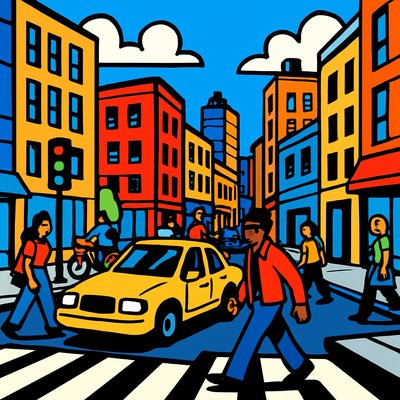
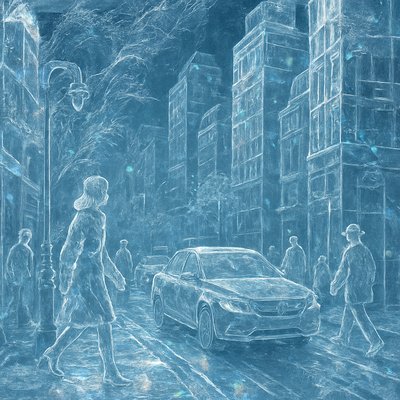
urban street with city activity
house with front view
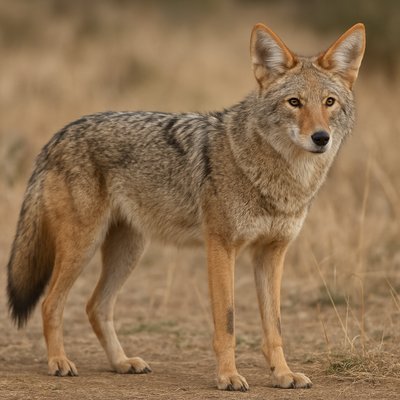
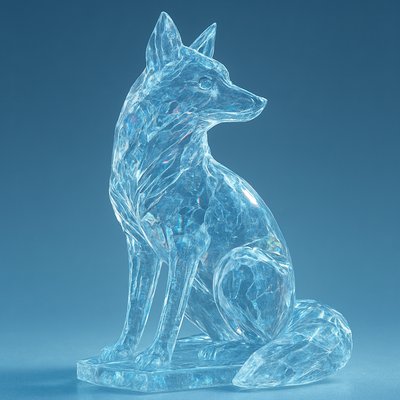
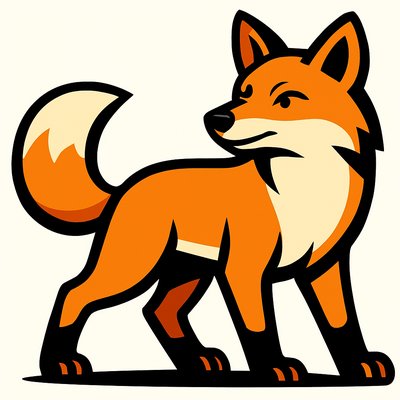
animal standing in natural pose
bicyle resting against a wall
portrait of two people together
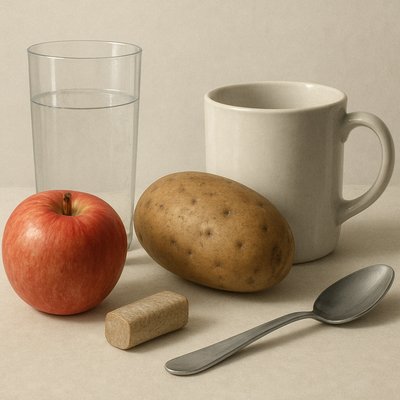
still life with everyday objects
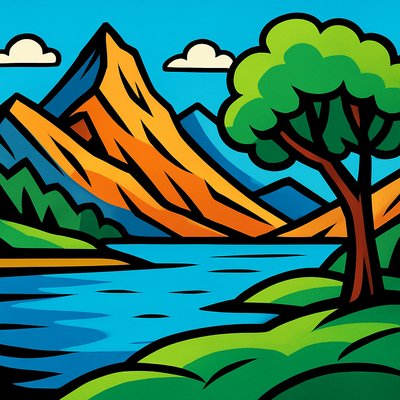
serene landscape with mountains and water
urban street with city activity
still life with everyday objects
animal standing in natural pose
serene landscape with mountains and water
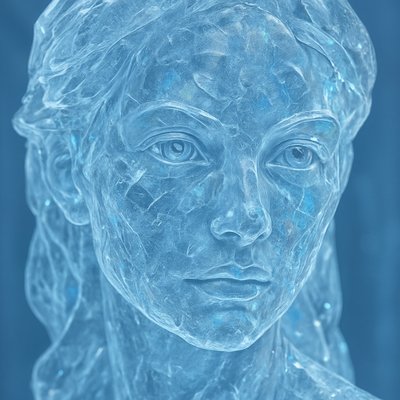
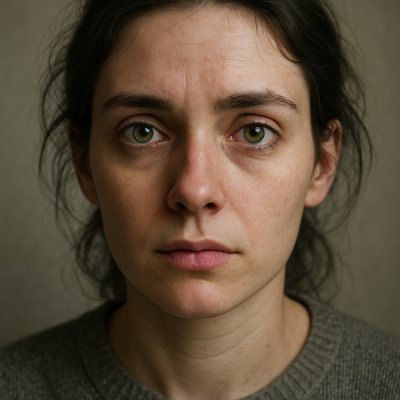
portrait of a person with expressive eyes
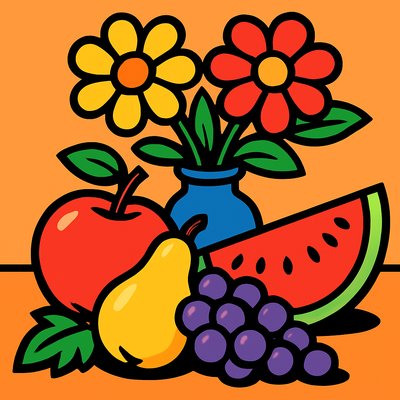
still life arrangement of fruits and flowers
still life with everyday objects
wide landscape with natural scenery

bicyle resting against a wall
· À savoir :
  · L’Allemagne lance une grande attaque au printemps 1918.
  · Ils ont besoin de jeunes soldats en urgence.
  · Ils promettent une victoire rapide.

5. Choix des symboles pour mon affiche

· Ce que je vais mettre :
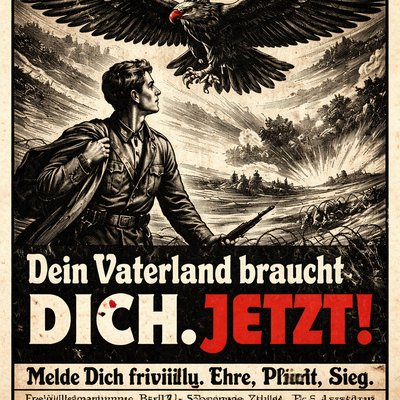
  · Un aigle noir (symbole de l’Empire).
  · Un jeune homme qui passe de civil à soldat.
  · Un ciel orageux ou un champ de bataille en arrière-plan.
  · Pas de couleurs joyeuses : surtout noir, blanc, rouge.

6. Croquis et réalisation à la main

· Titre :
  OFFENSIVE DU KAISER – 1918
. En gros, en rouge, style ancien ou gothique.
· Image principale :
  Un jeune regarde un aigle énorme qui plane sur des tranchées.
· Texte d’accroche :
  Dein Vaterland braucht DICH. JETZT !
  (Ta patrie a besoin de TOI. MAINTENANT !)
· Texte secondaire :
  Melde Dich freiwillig. Ehre, Pflicht, Sieg.
  (Engage-toi volontaire. Honneur, Devoir, Victoire.)
· Infos pratiques :
  Freiwilligenannahme Berlin, Nürnberger Str. 70-71.   5 Mk. tägliche Zulage. Freie Ausrüstung.
· En bas :
  IMPERIALE DRUCKEREI · BERLIN · 1918


Style graphique :

· Noir et blanc + touches de rouge.
· Dessin sérieux, pas de déco inutile 
Texte
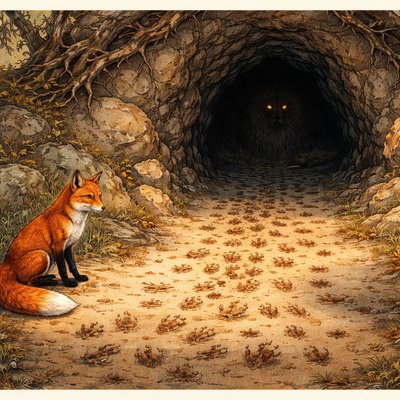
Golden Age Storybook Illustration Style, Rich Watercolor and Ink, Detailed Textures. A narrative scene capturing the tense moment of realization outside a rugged, dark cave entrance hidden among dry rocks and gnarled roots.

The Fox and the Evidence: In the bright, sunlit foreground, a clever, reddish-orange fox sits alertly on its haunches, a safe distance from the cave mouth. Its head is tilted, looking intently at the dusty ground. The dirt path leading directly into the dark cave is a chaotic, heavily trampled mess of hundreds of distinct footprints—deer hooves, rabbit paws, badger claws—all pointing inward. Crucially, the dusty ground leading away from the cave is completely smooth and untouched by return tracks.
The Lion and the Den: The cave entrance is a gaping maw of deep shadow. Deep within the darkness, only the faint, glowing yellow eyes and the vague, gaunt outline of the old lion lying in wait are visible, watching the fox intently. The contrast between the warm sunlight outside and the cold darkness inside is sharp.
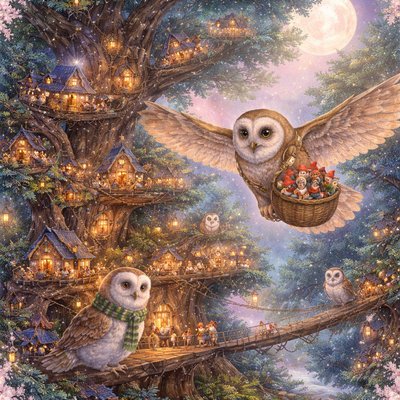
A detailed fantasy painting shows a sprawling gnome village built into the massive trunk and branches of an ancient tree at night. Numerous cozy wooden houses with blue-tiled roofs and glowing windows are nestled among the leaves, connected by intricate rope bridges, wooden walkways, and ladders. Gnomes in traditional red hats are visible on balconies and platforms. The primary mode of transport is large owls: a giant barn owl with a leather harness and basket filled with gnomes lands on a main platform, while another owl wearing a scarf perches on a lower bridge. Dozens of other owls are perched throughout the tree and in the background forest. A large, glowing full moon illuminates the scene, casting a magical light, with warm lanterns hanging everywhere. A gentle river flows at the base of the tree among forest flowers. The style is rich, textured, and whimsical
portrait of a person with expressive eyes
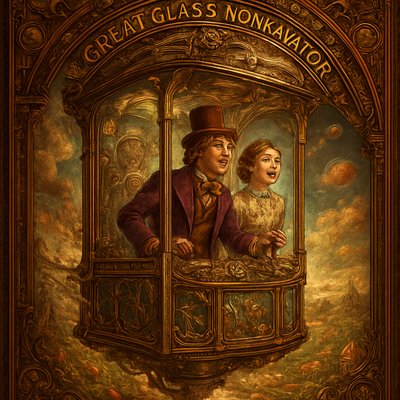
An awe-inspiring and whimsical scene featuring Willy Wonka's Great Glass Wonkavator, soaring through the sky and beyond the confines of the chocolate factory. The Wonkavator itself is a magnificent, multi-directional glass elevator, transparent and sparkling, with a middle aged Willy Wonka (wearing his iconic top hat, purple coat, and bowtie) and a young Victorian well dressed lady looking out with expressions of joy, wonder and excitement. The interior is filled with intricate buttons and levers for controlling its magical flight. The Wonkavator is depicted in mid-flight, perhaps bursting through the factory roof or ascending above the clouds. Below it, the fantastical landscape of the Chocolate Factory is visible – chocolate rivers, edible gardens, candy cane trees, and various whimsical buildings. Beyond the factory, a stunning, imaginative sky unfolds, perhaps with floating candy clouds, distant fantastical landmarks, or even glimpses of outer space and planets. The lighting is bright and magical, emphasizing the glass's transparency and the vibrant colors of the world below and beyond. The overall mood is one of boundless adventure, limitless possibilities, and pure, joyful fantasy."
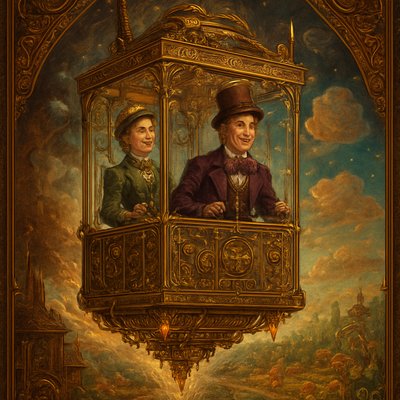
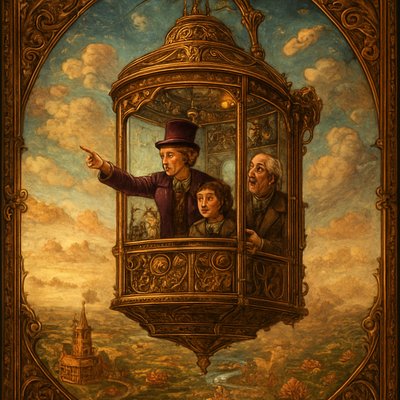
An awe-inspiring and whimsical scene featuring Willy Wonka's Great Glass Wonkavator, soaring high above the chocolate factory and ascending into a fantastical sky. The Wonkavator itself is a magnificent, multi-directional glass elevator, transparent and sparkling, with Willy Wonka (in his iconic purple coat and top hat), young Charlie Bucket, and Grandpa Joe clearly visible and enjoying the ride inside. Wonka points excitedly, Charlie looks out with wide-eyed wonder, and Grandpa Joe grins with delight. The interior of the Wonkavator shows intricate, whimsical control panels.

The Wonkavator is depicted in mid-flight, having just burst through the factory roof or rising above the clouds. Below it, the fantastical landscape of the Chocolate Factory is spread out – chocolate rivers, edible gardens, candy cane trees, and various whimsical buildings. Beyond the factory, a stunning, imaginative sky unfolds, filled with floating candy clouds, distant fantastical landmarks, and even glimpses of planets and stars. The lighting is bright and magical, emphasizing the glass's transparency and the vibrant colors of the world below and beyond. The overall mood is one of boundless adventure, limitless possibilities, and pure, joyful fantasy."
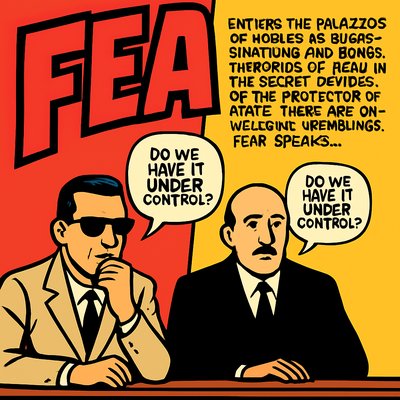
a cartoon of two men sitting at a table
a painting of a man with his arms crossed
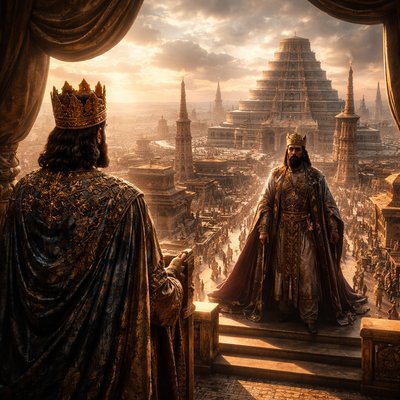
And after thee shall arise another kinghdom inferior to thee
a painting of a man with glasses and a beard
Realistic Landscape Art Style Style Transfer Example
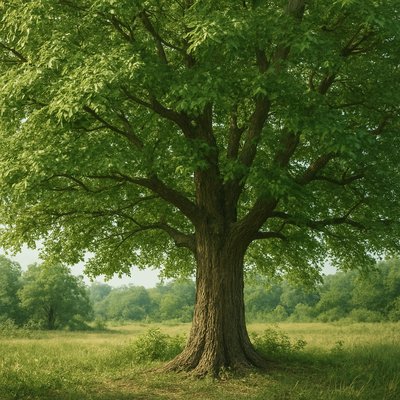
a tree in nature
still life with everyday objects
animal standing in natural pose
wide landscape with natural scenery
a tree in nature
urban street with city activity
wide landscape with natural scenery
serene landscape with mountains and water
still life arrangement of fruits and flowers
portrait of a person with expressive eyes