A Woman With Glasses And A Star In The Background Art

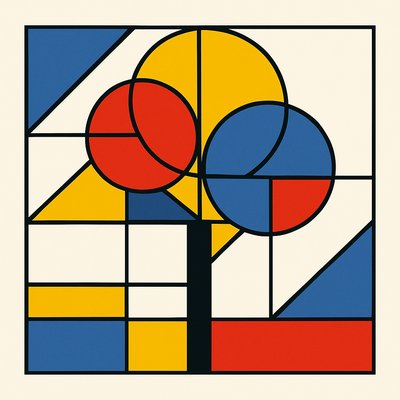
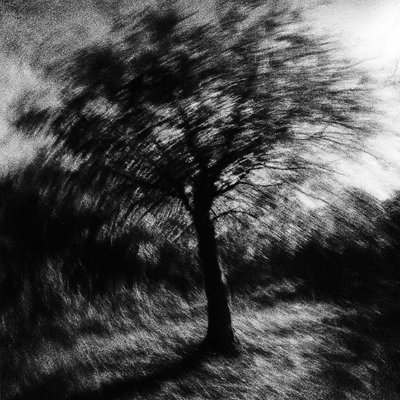
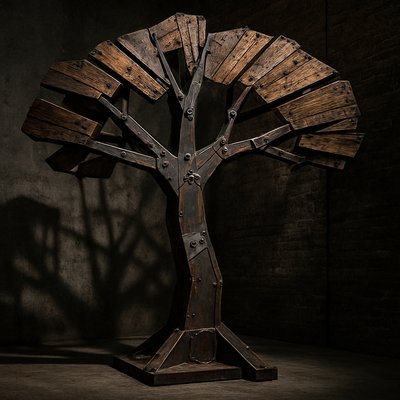
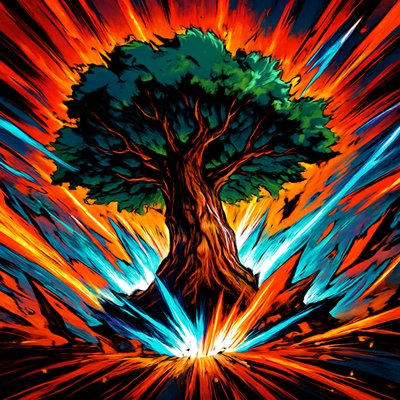
a tree in nature
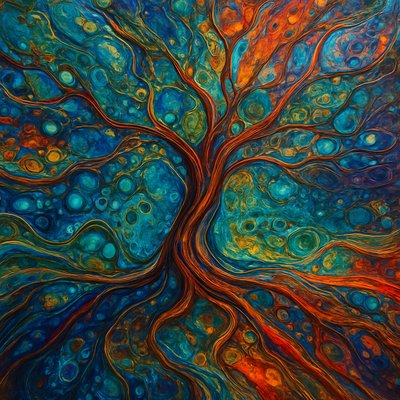
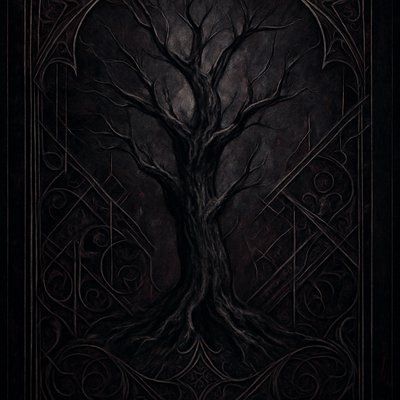
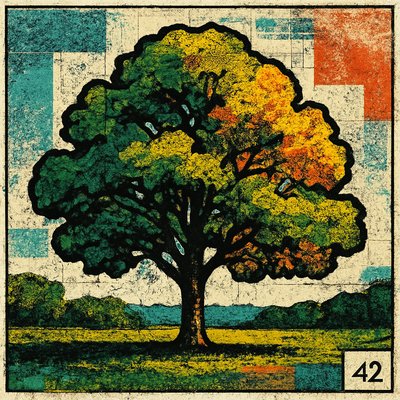
a tree in nature
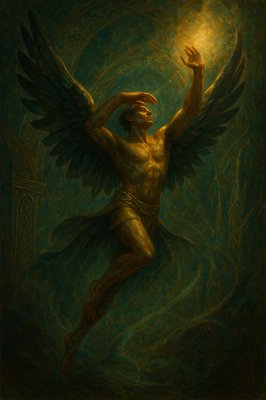
a painting of a man with wings on a green background
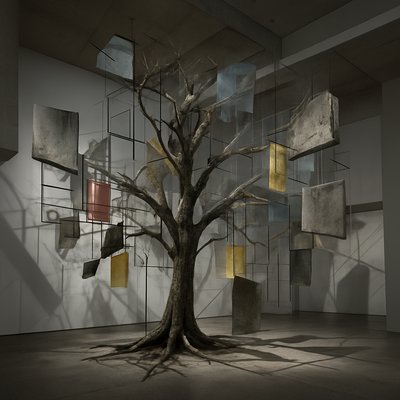
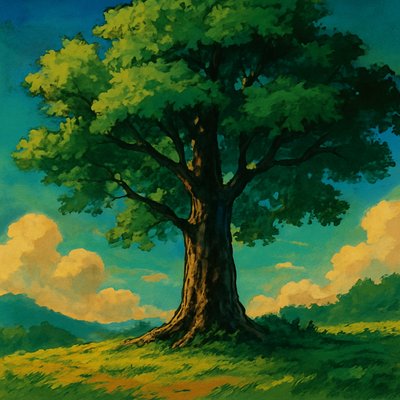
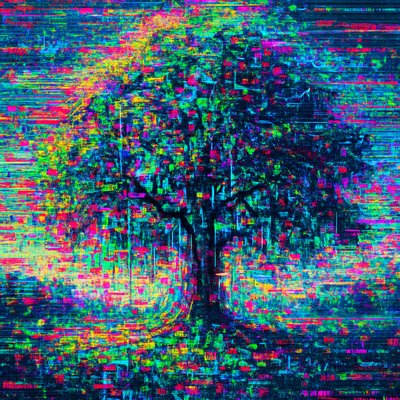
a tree in nature
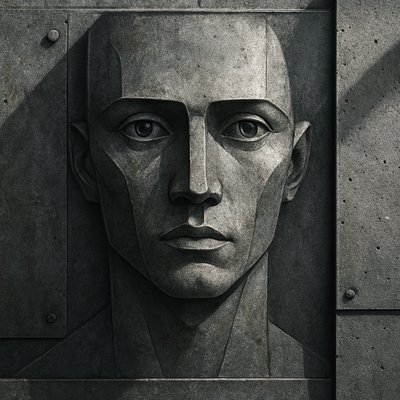
portrait of a person with expressive eyes
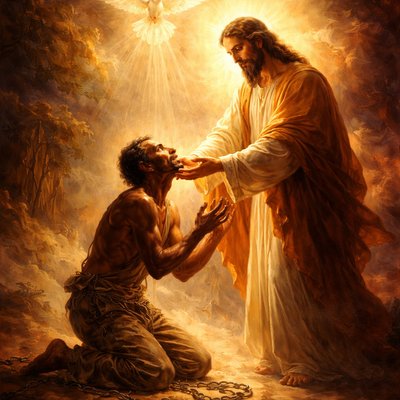
A powerfully emotional, classical sacred art style painting. A ragged figure, formerly a slave, is kneeling, their hands reaching out in submission and relief. Their heavy, rusty chains have been shattered on the dusty ground. Before them is a figure enveloped in radiant, warm, golden light (representing Christ Jesus), whose hand is gently lifting the kneeling person's chin. Above them, a shimmering dove made of pure light descends, symbolizing the Spirit of adoption witnessing to their spirit. Themes of mercy, freedom, and homecoming. Chiaroscuro lighting, deep colors.
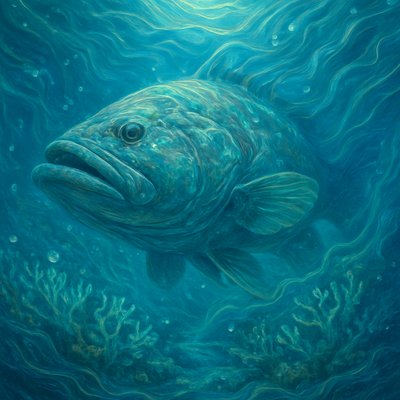
A giant grouper fish, over a coral reef in the ocean, professional photography, extreme detail (
Psalms 124:1-6 KJVA  A Song of degrees of David. If it had not been the LORD who was on our side, now may Israel say;  (2)  If it had not been the LORD who was on our side, when men rose up against us:  (3)  Then they had swallowed us up quick, when their wrath was kindled against us:  (4)  Then the waters had overwhelmed us, the stream had gone over our soul:  (5)  Then the proud waters had gone over our soul.  (6)  Blessed be the LORD, who hath not given us as a prey to their teeth.
Wildstyle name piece
a tree in nature
a tree in nature
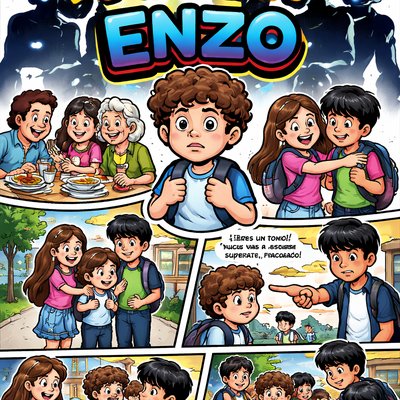
En la portada quiero un niño pequeño de 12años de piel blanca y pelo rizo de tras de el quiero 4 sombras como  fantasma y de título de la portada se llama las 4 sombras de Enzo en la primera escena se presenta la familia de Enzo su mamá, papa y su abuela centados cenando y riéndose como una gran familia feliz en la segunda escena  quiero que Enzo y lili niña de 12 año pelo café y de vestido rosa su mejor amiga salgan abrazados como mejores amigo tercer escena Enzo y lili hiendo a la escuela cuarta escena la mamá de Enzo lo va a traer a la escuela y lo mira Hugo niño de 12 años un poco alto de piel morena pelo liso con cara de odio al ver la escena de que Enzo si lo va a traer su mamá quinta escena día siguiente comienza los insulto de Hugo hacia Enzo diciendo cosas hírientes como eres un tonto, nunca vas a superarte, fracasado Enzo se puso a pensar por que su compañeros le decía eso sexta escena lili vio que tenían a Enzo rodeado A fuera de la escuela Hugo y 3 chicos más de la misma edad de Hugo 13 años lili les
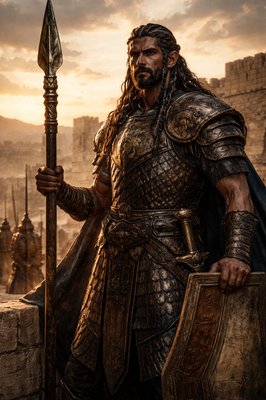
Style: Gritty, epic historical fantasy photograph with high textural detail. The aesthetic is a fusion of "Ancient Near Eastern Warrior" and the "High Elven" nobility established in previous prompts. Golden hour lighting.

The Subject: A single warrior standing guard on the fortified walls of David’s stronghold (Jerusalem or Ziklag). He is immense, standing over seven feet tall, possessing a lean, gladiatorial musculature rather than brute bulk.

Facial Features: He has the signature Gibeonite look: a long, ageless face with high, sculpted cheekbones and intense, calculating eyes that scan the horizon. His dark beard is neatly trimmed, and his long hair is intricately braided with bronze rings and threads of royal blue dyed wool.

The Armor (A Fusion of Cultures): His gear represents his unique status. He wears a heavy cuirass of overlapping bronze scales (Canaanite style) reinforced with iron plates (Israelite adoption). A stylized emblem of the Lion of Judah is subtly engraved onto a central shoulder plate, marking his allegiance to David.

The Weapons: He rests one hand on a massive tower shield made of reinforced cedar and hide. In the other, he holds a spear of immense scale, its shaft thicker than a normal man’s wrist, with a long, leaf-shaped bronze head. A curved khopesh sword is sheathed at his hip.

Atmosphere & Setting: The sun is setting behind the Judean hills, casting long shadows and catching the scars on his armor. His expression is one of silent, dangerous vigilance. In the background, other normal-sized Israelite soldiers are visible, emphasizing his towering presence.
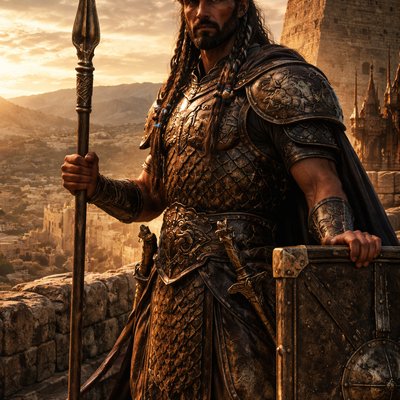
Style: Gritty, epic historical fantasy photograph with high textural detail. The aesthetic is a fusion of "Ancient Near Eastern Warrior" and the "High Elven" nobility established in previous prompts. Golden hour lighting.

The Subject: A single warrior standing guard on the fortified walls of David’s stronghold (Jerusalem or Ziklag). He is immense, standing over seven feet tall, possessing a lean, gladiatorial musculature rather than brute bulk.

Facial Features: He has the signature Gibeonite look: a long, ageless face with high, sculpted cheekbones and intense, calculating eyes that scan the horizon. His dark beard is neatly trimmed, and his long hair is intricately braided with bronze rings and threads of royal blue dyed wool.

The Armor (A Fusion of Cultures): His gear represents his unique status. He wears a heavy cuirass of overlapping bronze scales (Canaanite style) reinforced with iron plates (Israelite adoption). A stylized emblem of the Lion of Judah is subtly engraved onto a central shoulder plate, marking his allegiance to David.

The Weapons: He rests one hand on a massive tower shield made of reinforced cedar and hide. In the other, he holds a spear of immense scale, its shaft thicker than a normal man’s wrist, with a long, leaf-shaped bronze head. A curved khopesh sword is sheathed at his hip.

Atmosphere & Setting: The sun is setting behind the Judean hills, casting long shadows and catching the scars on his armor. His expression is one of silent, dangerous vigilance. In the background, other normal-sized Israelite soldiers are visible, emphasizing his towering presence.
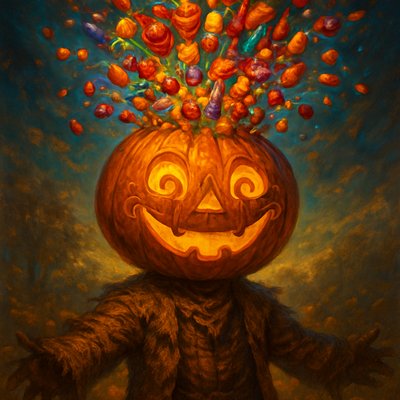
This sounds like a wonderfully whimsical and festive image! Combining the classic pumpkin head with a burst of candy and unique carving will make for a very creative Halloween or autumn piece.
Here's a prompt for a Happy Pumpkin Head Figure with Candy Bursting Out for ArtStyles.com:

Happy Pumpkin Head with Candy Burst Prompt

"A cheerful and fantastical figure with a large, glowing jack-o'-lantern for a head. The pumpkin's face is carved with a distinctly happy, friendly, wide-mouthed smile and joyful eyes. Instead of traditional jagged cuts, the facial features (eyes, nose, mouth) are intricately carved with elegant, swirling, vine-like patterns, giving it a whimsical and artistic look. The pumpkin head emits a warm, inviting orange glow from within.

Dramatically bursting and cascading out of the very top of the pumpkin's head is an overflowing abundance of vibrant, colorful Halloween candy. This candy explosion includes individually wrapped chocolates, lollipops, jelly beans, candy corn, and various brightly colored sweets, all tumbling outwards in a joyous, sugary fountain.

The figure itself has a rustic, scarecrow-like body, perhaps dressed in tattered but festive autumn-colored clothing (e.g., burlap, plaid, or warm browns and oranges), standing in an autumnal setting. The background could feature a gently lit pumpkin patch, fallen autumn leaves, or a soft, blurred evening sky. The lighting is warm and enchanting, highlighting the pumpkin's glow and the glossy sheen of the candy. The overall mood is one of festive joy, playful magic, and autumnal abundance. stylized realism, intricate detail, dynamic composition, warm dramatic lighting, focus on textures (pumpkin, candy), fantasy elements"
A phoenix rising
a tree in nature
a tree in nature
a tree in nature
a tree in nature
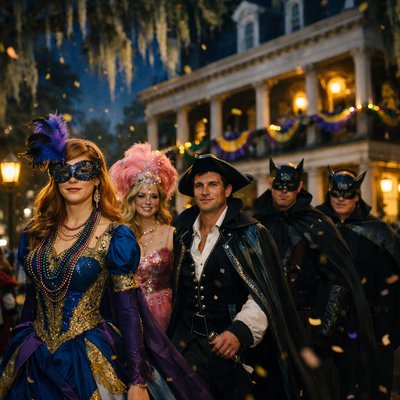
Exterior nighttime scene from Nancy Drew book #81 The Mardi Gras Mystery, the group in full festive costumes arriving at the grand, shadowy Seaton Mansion known as 'Bat Hollow' in New Orleans during Mardi Gras. Teenage detective Nancy Drew leads the way with reddish-blonde hair, wearing an elegant masquerade gown in blue and gold with purple accents, feathered half-mask, strands of colorful beads, and a mysterious smile. Beside her, Ned Nickerson in a dashing tuxedo or pirate-inspired costume with cape and tricorn hat. Bess Marvin (blonde, glamorous) in a sparkling pink feathered ball gown and elaborate headdress, George Fayne (short dark hair, sporty) in a fun jester outfit or adventurous explorer costume with mask. Brian Seaton and his father Bartholomew nearby in partial bat-themed costumes—dark capes, bat-wing collars, eerie masks with pointed ears. The historic Southern mansion looms behind: tall columns, wrought-iron balconies draped with Mardi Gras lights and purple/green/gold banners, flickering lanterns at the entrance, Spanish moss in ancient oaks, subtle bat motifs in the architecture, warm glowing windows hinting at antique interiors and the stolen portrait. Festive yet slightly eerie atmosphere—confetti in the air, distant parade sounds implied, dramatic twilight sky with stars, vibrant colors against gothic shadows. 1980s Nancy Drew book illustration style, adventurous and exciting, detailed costumes and group dynamic, cinematic wide-angle composition, lively holiday energy mixed with subtle suspense."
a tree in nature
a tree in nature
a tree in nature
a tree in nature
a tree in nature
a tree in nature
a tree in nature
a tree in nature
a tree in nature
a tree in nature
a tree in nature
a tree in nature
a tree in nature
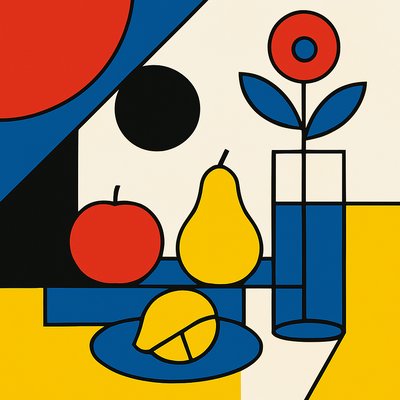
still life arrangement of fruits and flowers
Stained glass rose window with intricate tracery in the art style of Gothic --v 6.1
a tree in nature
serene landscape with mountains and water
a tree in nature
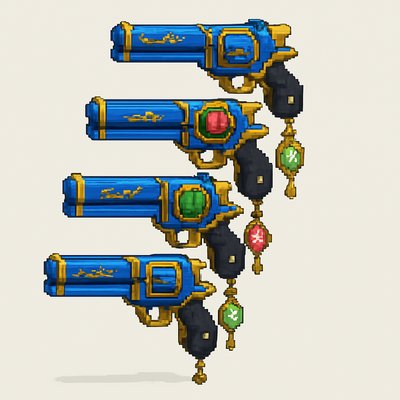
a bunch of guns that are on a white background
a tree in nature
a tree in nature
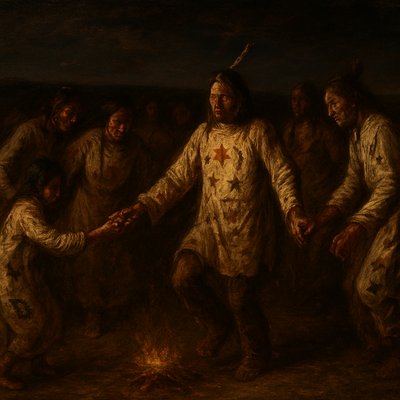
"A historically accurate depiction of a Ghost Dance, focusing on the late 19th-century context, specifically around 1890-1891. The scene shows Lakota (Sioux) or Northern Paiute people (specify one or include elements of both, but avoid anachronisms) participating in the ceremony.

Setting: A vast, open prairie or high desert landscape, under an expansive sky. The time of day could be dusk or night, with a prominent moon or stars, or a bright, clear day. Avoid overtly spiritual or ethereal elements like floating spirits unless explicitly requested for a later, more symbolic iteration. The focus should be on the earthly ceremony.

Participants: A circle of men, women, and children, hand-in-hand, moving in a slow, rhythmic shuffle or circular motion. Their faces show a mixture of devotion, hope, and determination. Some may have expressions of trance or deep concentration.

Attire:

    Ghost Dance Shirts/Dresses: Emphasize the unique Ghost Dance shirts and dresses, which were typically made of muslin or canvas. These garments should feature painted designs such as stars, crescents, birds (especially eagles or crows), buffalo, human figures, or crosses. The designs should appear hand-painted, not mass-produced.

    Hair and Adornments: Participants should have braided hair or wear it long. Some may wear feathers (e.g., eagle or hawk feathers) in their hair. Minimal traditional adornments, as the focus was often on the Ghost Dance shirt itself. Avoid overly elaborate or Hollywood-esque depictions of war bonnets unless relevant to a specific individual and context.

    Footwear: Moccasins or bare feet.

Action/Atmosphere:

    The dancers are moving in a counter-clockwise circle, with a central figure or a small group often leading.

    The overall mood is one of earnest prayer and communal spiritual effort. The dance should convey a sense of hope for renewal and the return of the old ways, rather than aggression or despair.

    There might be a central pole or small fire as a focal point, around which the dance takes place.

    Avoid any signs of direct conflict or violence; the Ghost Dance itself was a non-violent spiritual movement.

Specific Considerations for Accuracy:

    Wovoka's Influence: The teachings of Wovoka (the Northern Paiute prophet) emphasized peace, hard work, and the return of the buffalo and deceased ancestors. The scene should subtly reflect this hopeful, redemptive spirit.

    Regional Variations: If focusing on Lakota, consider their specific interpretations, which sometimes included more imagery related to their warrior traditions on the shirts, but still within the peaceful framework of the dance.

    Respectful Portrayal: Ensure the depiction is respectful and avoids any stereotypical or caricatured representations of Indigenous people. Focus on their human dignity and spiritual sincerity.