A Triptych Set Of Three Drawings, Continuous Scene Flowing Left To Right, Left Panel Shows A Palomino Horse In The Foreground On Art

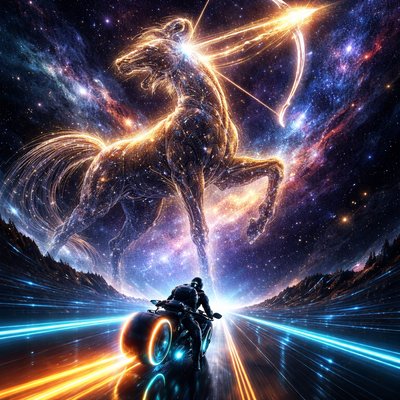
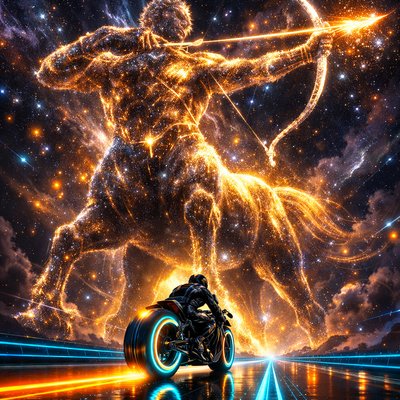
Neon-Futurism Digital Art Style, Bioluminescent Sci-Fi Cosmic Setting, Extreme Low-Angle Perspective. A breathtaking shot looking up from the level of the highway, emphasizing the colossal height of the constellation above.

The Rider & Bike Consistency: The lone motorcyclist—in the exact same sleek, armored suit with integrated helmet—is speeding forward on the same hubless "light-cycle" sportbike. The cyan and orange neon wheel rings leave a perfectly straight, vibrant light trail on the road, reflecting off the glossy surface.

The Path (The Ecliptic): The glowing blue laser-grid highway continues into the distance, appearing as a thin line of light compared to the massive figure towering over it.

The Sagittarius Presence: Looming directly over the highway is the colossal, majestic form of Sagittarius, a centaur made of shimmering stardust and golden data-lines. He is positioned so that the highway passes directly between his towering front legs. Above the rider, the centaur’s torso is twisted as he pulls back a massive longbow made of pure white light.

The Action: An arrow of concentrated solar energy is notched in the bow, pointed toward a distant star cluster. The rider is captured in the moment of passing directly beneath the centaur's underbelly, surrounded by the glow of the "horse" body’s starlight.

Atmosphere: The scene is dominated by golden and white light from the centaur, contrasting with the deep indigo of the cosmic void and the sharp cyan of the bike's neon.
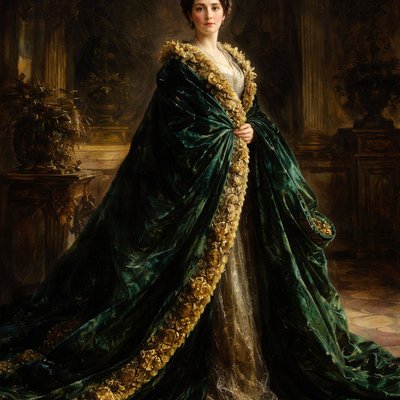
John Singer Sargent Oil Painting Style, Grand Manner Portraiture, Rich Impasto Brushwork. A full-length, elegant portrait of a society figure standing in a dramatic pose, wrapped in a voluminous, heavy emerald green velvet cloak.

The Fabric & Brushwork: The velvet is rendered with deep, saturated greens and near-black shadows, using sweeping, visible brushstrokes to convey weight and a luxurious, soft sheen where the light hits the folds. The ornate gold embroidery and bullion trim along the edges and collar are painted with thick, confident dashes of yellow ochre, burnt sienna, and bright white impasto that make the metal appear to sparkle and catch the light.
The Atmosphere: The lighting is dramatic and directional, coming from the upper left, highlighting the texture of the cloak and the gold. The background is a dark, atmospheric, loosely painted interior of a Gilded Age mansion, with indistinct antique furniture and deep shadows, ensuring all focus is on the figure and the magnificent garment. The overall mood is opulent and mysterious.
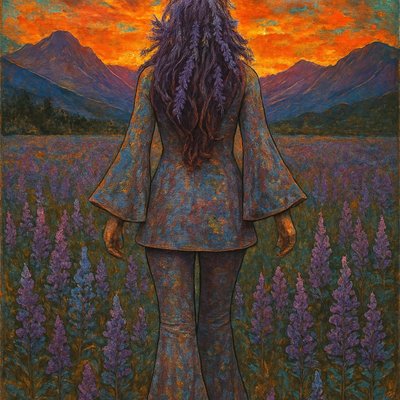
A breathtaking full-body photograph captures a woman from behind, standing in a vast, vibrant field of purple lupin flowers in Glacier National Park. Her long, rich plum purple hair is beautifully intertwined with fresh lupin blooms, forming an ethereal halo. She wears a unique 70s-inspired outfit consisting of shimmering lavender bell-bottom pants and a matching tunic-style top with bell sleeves and a square neckline, flared at the waist, adorned with subtle white horse patterns. The setting sun paints the sky in dramatic hues of fiery orange and deep red, silhouetting the majestic purple mountain ranges in the distance. The scene evokes a sense of wonder, serenity, and a deep connection to the wild beauty of nature, with a magical, almost fantastical feel, within the iconic landscape of Glacier National Park.
Neon-Futurism Digital Art Style, Bioluminescent Sci-Fi Cosmic Setting, Extreme Low-Angle Perspective. A breathtaking shot looking up from the level of the highway, emphasizing the colossal height of the constellation above.

The Rider & Bike Consistency: The lone motorcyclist—in the exact same sleek, armored suit with integrated helmet—is speeding forward on the same hubless "light-cycle" sportbike. The cyan and orange neon wheel rings leave a perfectly straight, vibrant light trail on the road, reflecting off the glossy surface.

The Path (The Ecliptic): The glowing blue laser-grid highway continues into the distance, appearing as a thin line of light compared to the massive figure towering over it.

The Sagittarius Presence: Looming directly over the highway is the colossal, majestic form of Sagittarius, a centaur made of shimmering stardust and golden data-lines. He is positioned so that the highway passes directly between his towering front legs. Above the rider, the centaur’s torso is twisted as he pulls back a massive longbow made of pure white light.

The Action: An arrow of concentrated solar energy is notched in the bow, pointed toward a distant star cluster. The rider is captured in the moment of passing directly beneath the centaur's underbelly, surrounded by the glow of the "horse" body’s starlight.

Atmosphere: The scene is dominated by golden and white light from the centaur, contrasting with the deep indigo of the cosmic void and the sharp cyan of the bike's neon.
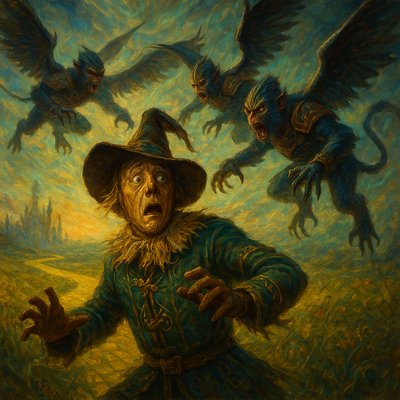
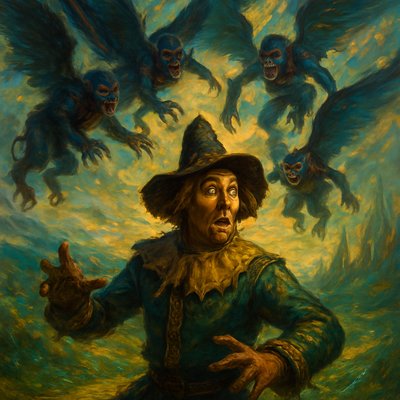
The Wizard of Oz Scarecrow, looking surprised and slightly alarmed, as a group of winged flying monkeys descends rapidly from the sky towards him, their taloned feet reaching out. The scene is set in a vibrant, slightly fantastical field with a yellow brick road visible in the distance. Emphasize dynamic motion and the contrast between the playful yet menacing monkeys and the innocent Scarecrow
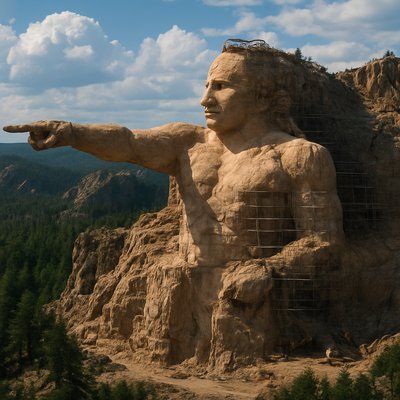
A majestic and inspiring depiction of the Crazy Horse National Memorial, captured from a slightly elevated, wide-angle perspective that emphasizes its immense scale and ongoing construction. The colossal carving of Crazy Horse on his war pony is the dominant feature, shown in its current state of detailed progress, with the iconic outstretched arm and pointing finger prominent against the rugged Black Hills. Visible elements of the carving process, such as scaffolding, construction equipment (subtly integrated), or evidence of rock removal, are present, highlighting the monumental effort and generations of work involved. The surrounding landscape of the Black Hills is an integral part of the composition, with pine forests, granite formations, and the vast, open sky providing a dramatic and respectful setting. The lighting is strong and clear, perhaps mid-morning or late afternoon sun, casting dramatic shadows that define the contours of the mountain and the carving. The atmosphere conveys a sense of enduring tribute, cultural pride, determination, and the sheer scale of human endeavor dedicated to honoring a legendary figure. The artistic style is a highly realistic, detailed landscape painting or photograph, emphasizing grandeur and reverence
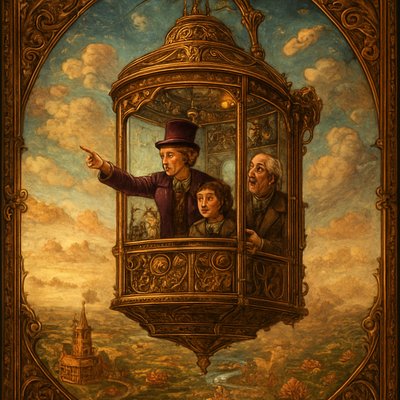
An awe-inspiring and whimsical scene featuring Willy Wonka's Great Glass Wonkavator, soaring high above the chocolate factory and ascending into a fantastical sky. The Wonkavator itself is a magnificent, multi-directional glass elevator, transparent and sparkling, with Willy Wonka (in his iconic purple coat and top hat), young Charlie Bucket, and Grandpa Joe clearly visible and enjoying the ride inside. Wonka points excitedly, Charlie looks out with wide-eyed wonder, and Grandpa Joe grins with delight. The interior of the Wonkavator shows intricate, whimsical control panels.

The Wonkavator is depicted in mid-flight, having just burst through the factory roof or rising above the clouds. Below it, the fantastical landscape of the Chocolate Factory is spread out – chocolate rivers, edible gardens, candy cane trees, and various whimsical buildings. Beyond the factory, a stunning, imaginative sky unfolds, filled with floating candy clouds, distant fantastical landmarks, and even glimpses of planets and stars. The lighting is bright and magical, emphasizing the glass's transparency and the vibrant colors of the world below and beyond. The overall mood is one of boundless adventure, limitless possibilities, and pure, joyful fantasy."
The Wizard of Oz Scarecrow, looking surprised and slightly alarmed, as a group of winged flying monkeys descends rapidly from the sky towards him, their taloned feet reaching out. The scene is set in a vibrant, slightly fantastical field with a yellow brick road visible in the distance. Emphasize dynamic motion and the contrast between the playful yet menacing monkeys and the innocent Scarecrow
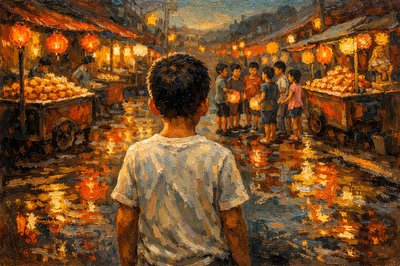
Wing Sun is a 10 year old Malaysian boy. We see him from the back as he stands, looking down the street in the evening. The scent of mooncakes and burning lantern oil fills the air in the street in Petaling Jaya where Wing Sun lives.  Everything is aglow with the soft light of lanterns, their colors reflected in the puddles left by the afternoon rain.  At least 6 vendors have pulled their carts up onto the sidewalks on both sides of the street, selling moon pies and other special treats.  
Several of Wing-Sun's neighborhood friends, some younger than he and some a little older, were standing around in a circle, waiting for him to come outside.
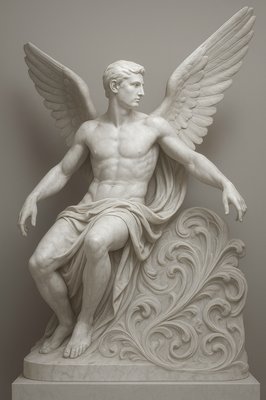
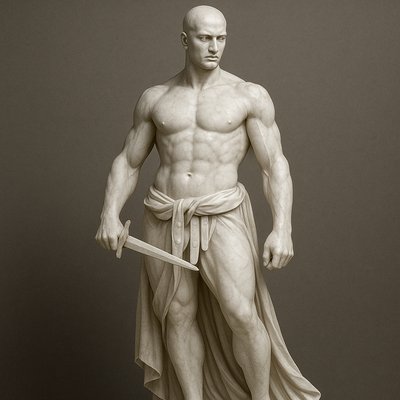
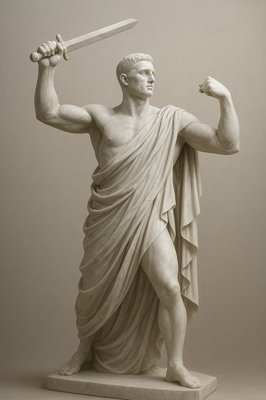
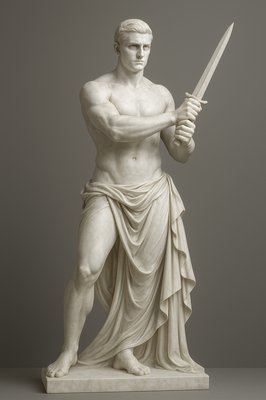
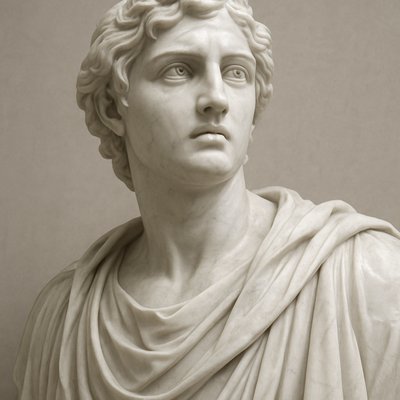
a statue of a man with a sword
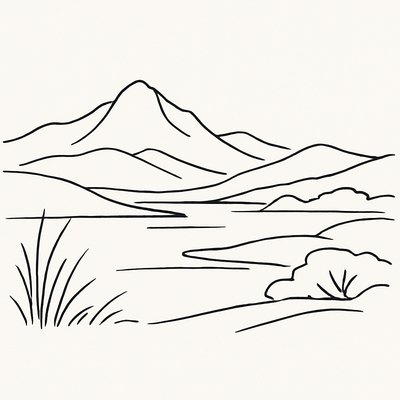
wide landscape with natural scenery
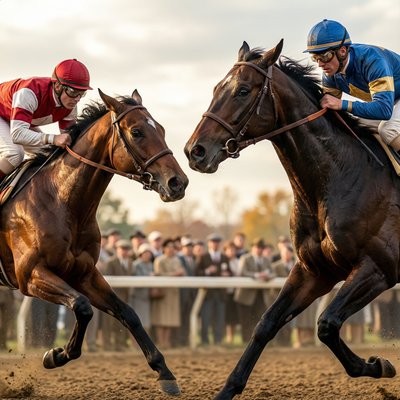
Seabiscuit vs. War Admiral (The Gaze)

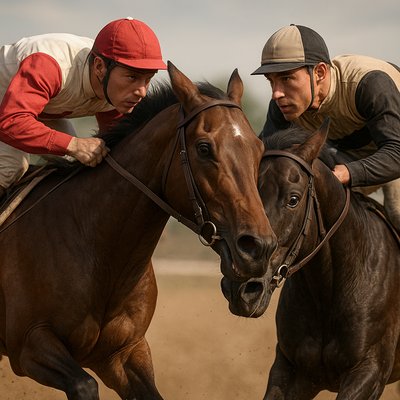
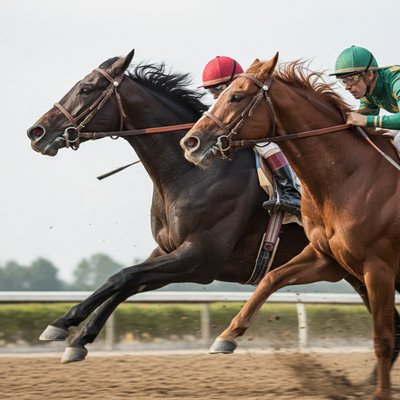
    A hyper-realistic, high-resolution photograph capturing the apex of the 1938 match race between Seabiscuit and War Admiral.

    Focus: The composition is tight, showing both horses running neck-and-neck, dominating the frame. The camera angle is side-on and slightly low, emphasizing their size and muscle. The critical focus is on the space between the horses' heads as they are running stride for stride.

    Details: War Admiral (the dark bay) should show determination and slight surprise, with his head stretched out. Seabiscuit (the smaller bay) should display his characteristic "game" look—intense, focused, and seemingly looking directly into War Admiral's eyes (or toward his rival). Both jockeys (Red Pollard or George Woolf for Seabiscuit; Charles Kurtsinger for War Admiral) are visible, leaning low and urging their mounts on.

    Atmosphere: The light should be bright but slightly diffused, suggesting an autumn afternoon at Pimlico. Dust and track debris are kicked up behind them, blurred slightly by the horses' tremendous speed. The image must convey the raw power, intense rivalry, and the exact moment when the smaller horse asserts his dominance.

    Style: Cinematic photography, realistic texture, sharp focus on the horses' eyes and muscle definition.
Seabiscuit vs. War Admiral (The Gaze)

    A hyper-realistic, high-resolution photograph capturing the apex of the 1938 match race between Seabiscuit and War Admiral.

    Focus: The composition is tight, showing both horses running neck-and-neck, dominating the frame. The camera angle is side-on and slightly low, emphasizing their size and muscle. The critical focus is on the space between the horses' heads as they are running stride for stride.

    Details: War Admiral (the dark bay) should show determination and slight surprise, with his head stretched out. Seabiscuit (the smaller bay) should display his characteristic "game" look—intense, focused, and seemingly looking directly into War Admiral's eyes (or toward his rival). Both jockeys (Red Pollard or George Woolf for Seabiscuit; Charles Kurtsinger for War Admiral) are visible, leaning low and urging their mounts on.

    Atmosphere: The light should be bright but slightly diffused, suggesting an autumn afternoon at Pimlico. Dust and track debris are kicked up behind them, blurred slightly by the horses' tremendous speed. The image must convey the raw power, intense rivalry, and the exact moment when the smaller horse asserts his dominance.

    Style: Cinematic photography, realistic texture, sharp focus on the horses' eyes and muscle definition.
Seabiscuit vs. War Admiral (The Gaze)

    A hyper-realistic, high-resolution photograph capturing the apex of the 1938 match race between Seabiscuit and War Admiral.

    Focus: The composition is tight, showing both horses running neck-and-neck, dominating the frame. The camera angle is side-on and slightly low, emphasizing their size and muscle. The critical focus is on the space between the horses' heads as they are running stride for stride.

    Details: War Admiral (the dark bay) should show determination and slight surprise, with his head stretched out. Seabiscuit (the smaller bay) should display his characteristic "game" look—intense, focused, and seemingly looking directly into War Admiral's eyes (or toward his rival). Both jockeys (Red Pollard or George Woolf for Seabiscuit; Charles Kurtsinger for War Admiral) are visible, leaning low and urging their mounts on.

    Atmosphere: The light should be bright but slightly diffused, suggesting an autumn afternoon at Pimlico. Dust and track debris are kicked up behind them, blurred slightly by the horses' tremendous speed. The image must convey the raw power, intense rivalry, and the exact moment when the smaller horse asserts his dominance.

    Style: Cinematic photography, realistic texture, sharp focus on the horses' eyes and muscle definition.
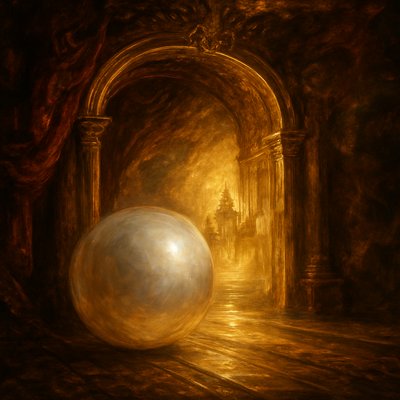
A profoundly symbolic and awe-inspiring depiction of a colossal, luminous pearl gate in the New Jerusalem, captured in the dynamic act of rolling away, similar to the stone being moved from Christ's tomb. The gate, a single, immense, perfectly spherical pearl, is shown mid-motion, having just been set aside from the entrance, revealing the glorious city beyond.

The pearl itself glows with an intense, soft iridescence, reflecting the divine light. Its surface shows subtle, exquisite details of mother-of-pearl. The frame or opening from which it has rolled away is visible, perhaps showing immense, smooth tracks or channels in the transparent gold structure of the city wall, reinforcing the idea of its monumental movement.

Through the now open gate, the radiant glory of the New Jerusalem streams forth. Pure gold streets, like transparent glass, extend into the city, illuminated by an intense, divine light that emanates from within. Heavenly architecture, impossibly beautiful and intricate, is glimpsed in the distance, beckoning. The atmosphere is one of profound sanctity, triumphant revelation, and welcoming access to the divine, with the act of the pearl rolling away symbolizing a breakthrough or an open invitation. The lighting is ethereal and grand, emphasizing the pearl's luster and the city's overwhelming glory."
a statue of a man with a hat on his head
Seabiscuit vs. War Admiral (The Gaze)

    A hyper-realistic, high-resolution photograph capturing the apex of the 1938 match race between Seabiscuit and War Admiral.

    Focus: The composition is tight, showing both horses running neck-and-neck, dominating the frame. The camera angle is side-on and slightly low, emphasizing their size and muscle. The critical focus is on the space between the horses' heads as they are running stride for stride.

    Details: War Admiral (the dark bay) should show determination and slight surprise, with his head stretched out. Seabiscuit (the smaller bay) should display his characteristic "game" look—intense, focused, and seemingly looking directly into War Admiral's eyes (or toward his rival). Both jockeys (Red Pollard or George Woolf for Seabiscuit; Charles Kurtsinger for War Admiral) are visible, leaning low and urging their mounts on.

    Atmosphere: The light should be bright but slightly diffused, suggesting an autumn afternoon at Pimlico. Dust and track debris are kicked up behind them, blurred slightly by the horses' tremendous speed. The image must convey the raw power, intense rivalry, and the exact moment when the smaller horse asserts his dominance.

    Style: Cinematic photography, realistic texture, sharp focus on the horses' eyes and muscle definition.
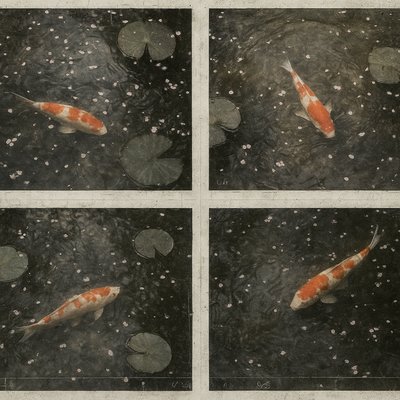
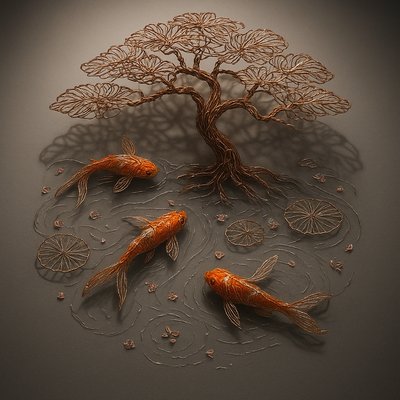
A koi pond seen from above, orange and white koi fish swimming among lily pads, clear water with subtle ripples, fallen cherry blossom petals floating on the surface, dappled sunlight
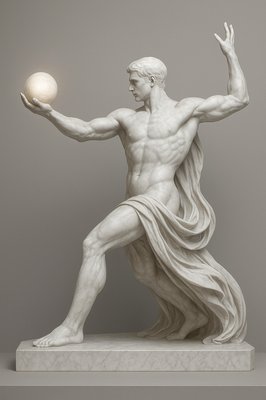
a statue of a man with a ball in his hand
A koi pond seen from above, orange and white koi fish swimming among lily pads, clear water with subtle ripples, fallen cherry blossom petals floating on the surface, dappled sunlight
Romanticism Art Style, a profoundly emotional and majestic painting inspired by Psalm 8:3-6. The scene captures a vast, sweeping, and dramatic night sky, filled with an awe-inspiring celestial display of a luminous, prominent moon and countless brilliant stars, depicted with the grandeur and depth characteristic of Romantic landscape painting. In the foreground, set against the overwhelming scale of the cosmos, stands a solitary long red-haired woman, her back partially to the viewer or her face upturned in profound contemplation. She is small in the frame, emphasizing the immense scale, dressed in simple, flowing attire, positioned on a rugged, subtle earthly vantage point like a mountain overlook. Her posture and presence evoke a deep sense of humility, wonder, and spiritual awe at God's creation. The painting is dominated by dramatic chiaroscuro, with the intense glow of the moon and stars piercing through deep, atmospheric shadows. Focus on the sublime scale of the cosmos, the emotional resonance of the human figure contemplating the divine works, and the deep, spiritual awe that pervades the scene, reflecting God's majesty and mindfulness of humanity.
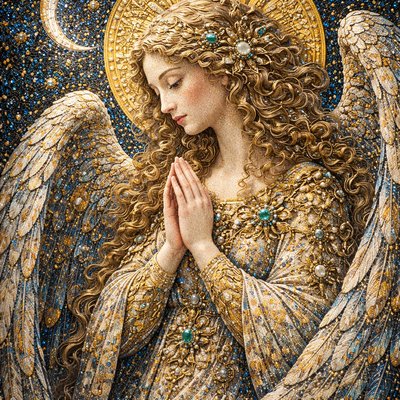
Angelic Woman: A highly detailed photorealistic mosaic artwork in the elegant Art Nouveau style strongly influenced by Gustav Klimt, depicting a serene ethereal angelic female figure in three-quarter profile view from the left, eyes gently closed, calm contemplative expression with subtle blush and red lips, head slightly bowed, hands clasped in prayer over the chest. The entire form--including flawless skin, elaborate voluminous curly hair with flowing organic swirls, large intricate angelic wings, and ornate decorative covering--is intricately composed as a luxurious mixed-material mosaic using tiny irregular tesserae dominated by deep midnight blue and radiant gold tones; vibrant hand-cut smalti glass in midnight blue, sapphire, and luminous gold; abundant sparkling embedded gemstones in lapis, turquoise, and pearl hues; extensive metallic gold leaf accents forming spiral, floral, and whiplash curve patterns; opaque ceramic and marble tiles for subtle texture; and delicate pearl inlays for soft luminosity. Hair and figure feature characteristic Klimt-inspired swirling gold filigree, geometric motifs, and organic curving lines; prominent wings rendered in layered feather-like segments with Art Nouveau flowing forms in gold-outlined midnight blue; radiant golden sunburst halo behind the head enhanced with decorative radial patterns. Vast midnight blue night sky background filled with scattered twinkling stars crafted from pearl and silver inlays and a prominent glowing crescent moon in gold and pearl tesserae, dramatic luminous highlights and iridescent reflections on glass, metals, and gems, slight dimensional depth from raised tiles, thin subtle grout lines for elegant contrast, opulent baroque-infused Art Nouveau hyper-intricate style blending surreal fantasy and symbolic celestial ornamentation, sharp focus, transcendent serene mood
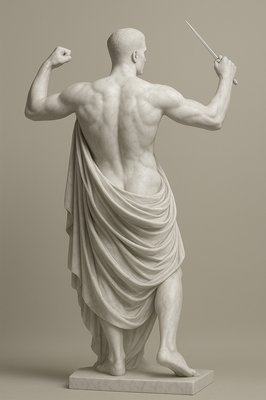
a statue of a man holding a sword
wide landscape with natural scenery
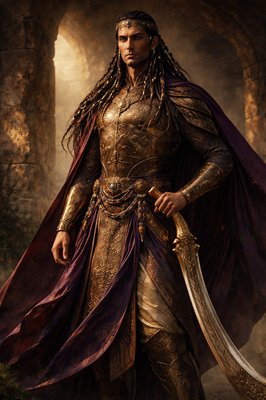
Style: A detailed, photorealistic character portrait in the style of high-fantasy historical cinema, focusing on texture, armor design, and facial structure.

The Subject: A full-body portrait of a single Gibeonite lord. He is a figure of imposing, "giant" stature, standing significantly taller than an average human (suggesting 7+ feet), but his proportions are lithe, graceful, and powerful rather than bulky or brutish.

Facial Features & Expression: He possesses a noble, almost ageless bearing reminiscent of an Elven lord, translated into ancient Near Eastern features. He has high, sculpted cheekbones, a strong aquiline nose, and intense, deep-set eyes that convey a calculating intelligence and ancient dignity. His expression is calm, watchful, and confident.

Hair & Adornment: His long, dark hair is elaborately and precisely braided, woven with hammered bronze rings and polished beads of carnelian and lapis lazuli.

Attire & Armor: He is dressed in attire that demonstrates advanced craftsmanship and sophistication. He wears a fitted breastplate of polished bronze, richly engraved with complex, swirling Canaanite motifs (stylized lions, gryphons, and geometric patterns). Beneath the armor, a tunic dyed deep Tyrian purple shows through.

Weapons: At his hip hangs a massive, curved khopesh sword, scaled to his immense height, with a hilt carved from hippopotamus ivory and inlaid with gold.

Pose & Lighting: He stands in a relaxed but formidable pose of authority, one hand resting on his sword hilt. The lighting is golden hour sunlight, catching the metallic sheen of the bronze armor and the intelligence in his eyes against a neutral, out-of-focus textured stone background.
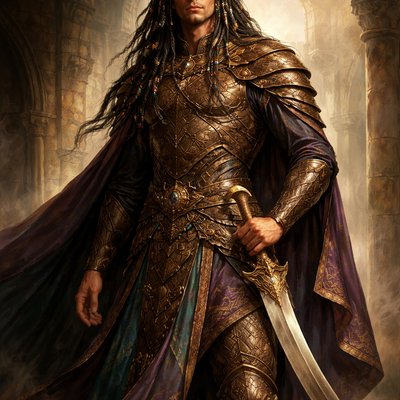
Style: A detailed, photorealistic character portrait in the style of high-fantasy historical cinema, focusing on texture, armor design, and facial structure.

The Subject: A full-body portrait of a single Gibeonite lord. He is a figure of imposing, "giant" stature, standing significantly taller than an average human (suggesting 7+ feet), but his proportions are lithe, graceful, and powerful rather than bulky or brutish.

Facial Features & Expression: He possesses a noble, almost ageless bearing reminiscent of an Elven lord, translated into ancient Near Eastern features. He has high, sculpted cheekbones, a strong aquiline nose, and intense, deep-set eyes that convey a calculating intelligence and ancient dignity. His expression is calm, watchful, and confident.

Hair & Adornment: His long, dark hair is elaborately and precisely braided, woven with hammered bronze rings and polished beads of carnelian and lapis lazuli.

Attire & Armor: He is dressed in attire that demonstrates advanced craftsmanship and sophistication. He wears a fitted breastplate of polished bronze, richly engraved with complex, swirling Canaanite motifs (stylized lions, gryphons, and geometric patterns). Beneath the armor, a tunic dyed deep Tyrian purple shows through.

Weapons: At his hip hangs a massive, curved khopesh sword, scaled to his immense height, with a hilt carved from hippopotamus ivory and inlaid with gold.

Pose & Lighting: He stands in a relaxed but formidable pose of authority, one hand resting on his sword hilt. The lighting is golden hour sunlight, catching the metallic sheen of the bronze armor and the intelligence in his eyes against a neutral, out-of-focus textured stone background.
a statue of a man holding a ball
a statue of a man holding a sword
a statue of a man holding a ball
a statue of a man holding a sword
portrait of a person with expressive eyes
a statue of a man holding a knife
Art Style: Ethereal, visionary digital art. A fusion of bioluminescence, sacred geometry, and fluid dynamics. The aesthetic should feel transcendent, glowing, and incredibly soft yet powerful.

    Central Focus (The Source): A human figure in a state of pure, peaceful meditation or ecstatic dance sits in the center of the frame. Their body is semi-translucent, glowing from within with warm white and golden light, acting as a living resonator.

    The Frequency (The Positive Force): Emanating directly from the figure's heart center are visible, powerful waves of vibrational energy.

        Appearance: These aren't simple lines; they are complex, flowing ripples of interwoven light patterns, resembling three-dimensional cymatics (the geometric patterns sound makes in sand or water) and flowing silk.

        Colors: A healing palette of radiant cyan, amethyst purple, warm honey-gold, and soft rose pink. The colors blend and shift as the waves move outward.

    The Effect on the Environment: The scene shows the positive impact of this frequency. The figure is sitting in a dormant, grey landscape. As the colorful frequency waves ripple outwards and touch the surroundings:

        Dull rocks instantly transform into glowing, crystalline formations.

        Bare, gnarled branches burst into shimmering leaves and flowers made of light.

        The air itself seems to shimmer with golden dust motes caught in the vibrational field.

    Overall Atmosphere: Uplifting, healing, and dynamic. A visualization of sound and energy creating order and beauty out of chaos.
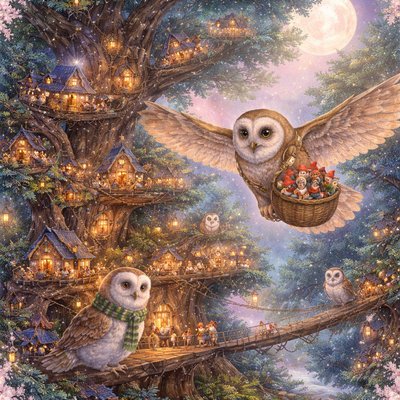
A detailed fantasy painting shows a sprawling gnome village built into the massive trunk and branches of an ancient tree at night. Numerous cozy wooden houses with blue-tiled roofs and glowing windows are nestled among the leaves, connected by intricate rope bridges, wooden walkways, and ladders. Gnomes in traditional red hats are visible on balconies and platforms. The primary mode of transport is large owls: a giant barn owl with a leather harness and basket filled with gnomes lands on a main platform, while another owl wearing a scarf perches on a lower bridge. Dozens of other owls are perched throughout the tree and in the background forest. A large, glowing full moon illuminates the scene, casting a magical light, with warm lanterns hanging everywhere. A gentle river flows at the base of the tree among forest flowers. The style is rich, textured, and whimsical
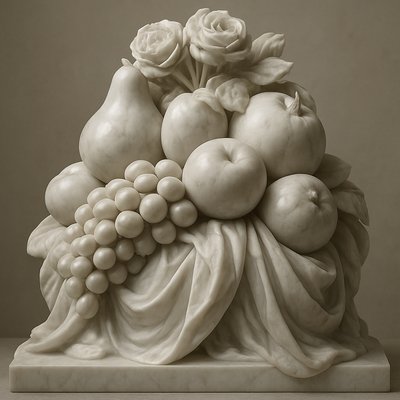
still life arrangement of fruits and flowers
Volume 1 – Chapter 1: “Running Away”

Story Points:

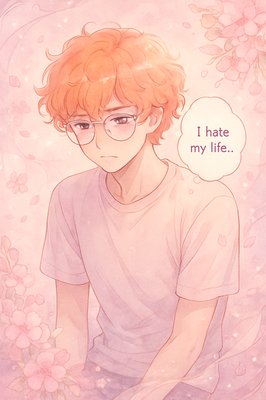
Ji Hun is bored and unhappy with his life in the band “Forever.” Inner thoughts reveal his frustration and desire to escape.

He decides to run away; changes his appearance with a ginger curly wig and glasses to hide his identity.

Ji Hun sneaks out, but security guards notice him and start chasing him.

While running, he accidentally bumps into Min Joon, a girl with long curly black hair, wearing a hoodie and baggy jeans. They fall on the ground.

Min Joon helps him up and insists on taking him to her home to relax.

She offers him tea and biscuits; they start talking. Ji Hun lies and says his name is “Jin” and that he is an accountant.

He notices posters of his band “Forever” in her room and realizes she is a fan. Min Joon praises Ji Hun’s voice, making him shy.

Ji Hun talks about never enjoying life; Min Joon promises to teach him how to enjoy life.

Ji Hun hesitates, worried about being recognized, but she reassures him. He agrees to go with her.

Min Joon prepares to take him outside, setting up the transition to Chapter 2 (car ride and amusement park).

Page/Panel Flow Suggestions:

Pages 1–3: Ji Hun’s frustration, morning in the band dorm, decision to escape.

Pages 4–5: Ji Hun changing disguise.

Pages 6–8: Running and being chased by security guards.

Pages 9–12: Collision with Min Joon, first meeting.

Pages 13–16: Min Joon taking him home, tea and biscuits scene.

Pages 17–20: Conversation about Ji Hun’s unhappiness, Min Joon promising to show him joy.
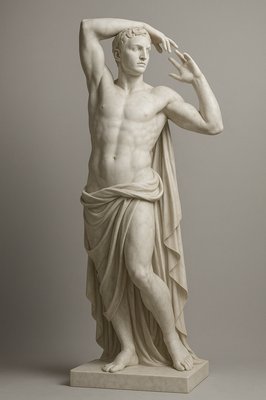
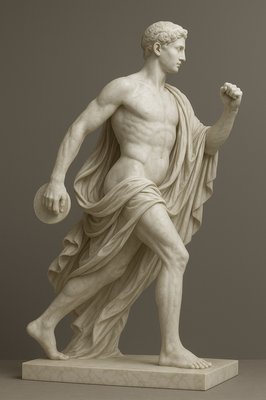
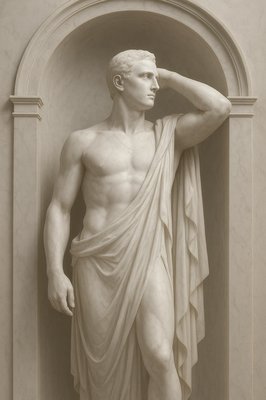
a statue of a man with his hands up
 He (God) setteth an end to darkness, and searcheth out all perfection: the stones of darkness, and the shadow of death. From Job 28:3 using a Spiritual figure as a dove to represent the one searching.
 He (God) setteth an end to darkness, and searcheth out all perfection: the stones of darkness, and the shadow of death. From Job 28:3 using a Spiritual figure as a dove to represent the one searching. There are many glowing stones in the darkness and a door representing the shadows of death.
 He (God) setteth an end to darkness, and searcheth out all perfection: the stones of darkness, and the shadow of death. From Job 28:3 using a Spiritual figure as a dove to represent the one searching. There are many glowing stones in the darkness and a door representing the shadows of death.
A profoundly symbolic and awe-inspiring depiction of a colossal, luminous pearl which rolls to open a gate in the New Jerusalem, captured in the dynamic act of rolling away, similar to the stone being moved from Christ's tomb. The gate, a single, immense, perfectly spherical pearl, is shown mid-motion, having just been set aside from the entrance, revealing the glorious city beyond. The pearl and the entrance opening are the same size.

The pearl itself glows with an intense, soft iridescence, reflecting the divine light. Its surface shows subtle, exquisite details of mother-of-pearl. The frame or opening from which it has rolled away is visible, perhaps showing immense, smooth tracks or channels in the transparent gold structure of the city wall, reinforcing the idea of its monumental movement.

Through the now open gate, the radiant glory of the New Jerusalem streams forth. Pure gold streets, like transparent glass, extend into the city, illuminated by an intense, divine light that emanates from within. Heavenly architecture, impossibly beautiful and intricate, is glimpsed in the distance, beckoning. The atmosphere is one of profound sanctity, triumphant revelation, and welcoming access to the divine, with the act of the pearl rolling away symbolizing a breakthrough or an open invitation. The lighting is ethereal and grand, emphasizing the pearl's luster and the city's overwhelming glory."
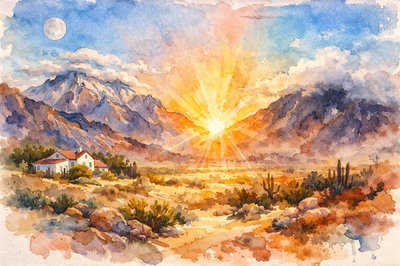
The San Gorgonio Pass, Mt. San Gorgonio) rises in the North, all hoary-frost and granite.  Snake-like clouds adorning her peak, I gaze past the big white house toward her uplifted boulders.
And at the South, Mt. San Jacinto has lost his head in cloud.  Burned bones against a blue sky backdrop.  Between the two, another sunrise gleams and beams of brilliant, white-hot day flash forth:  They accentuate the Sonora desert’s west extreme, and last night’s moon, high up on the left, forgot to go away.