A Statue Of A Man With A Hat On His Head Art

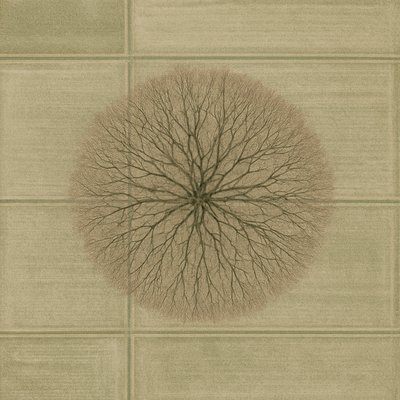
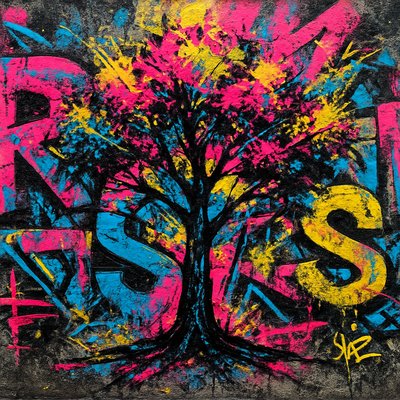
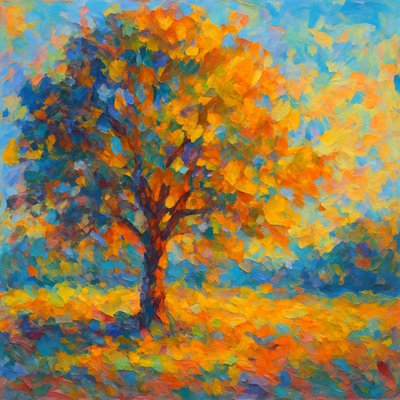
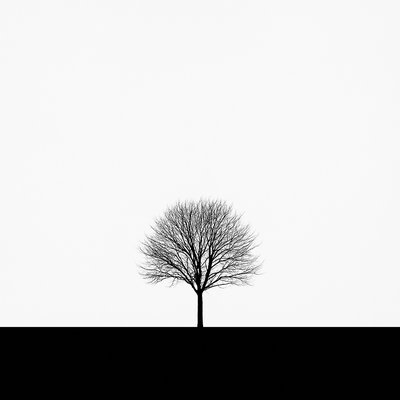
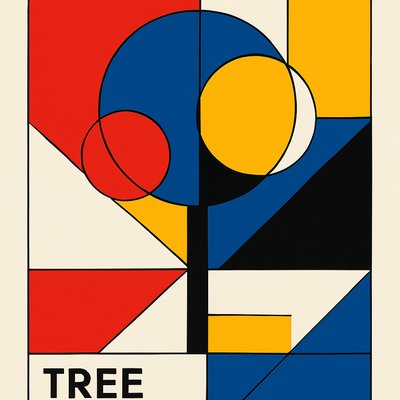
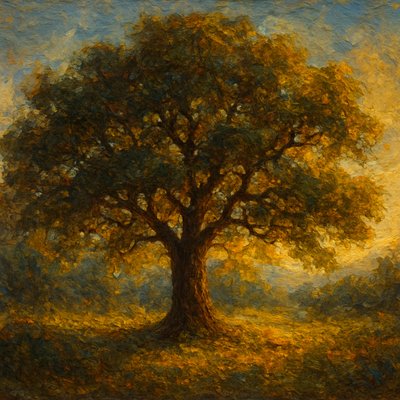
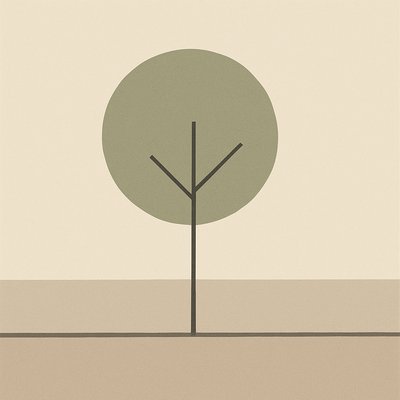
a tree in nature
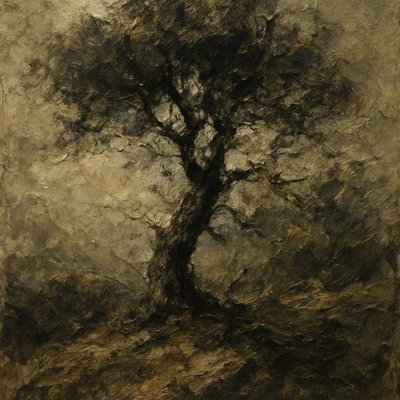
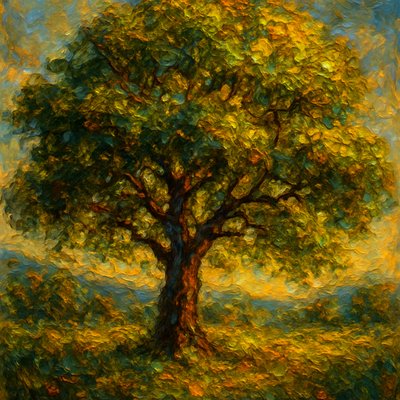
a tree in nature
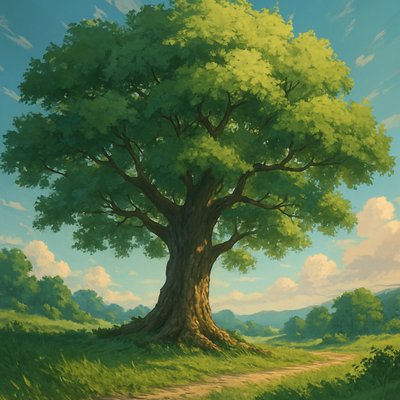
a tree in nature
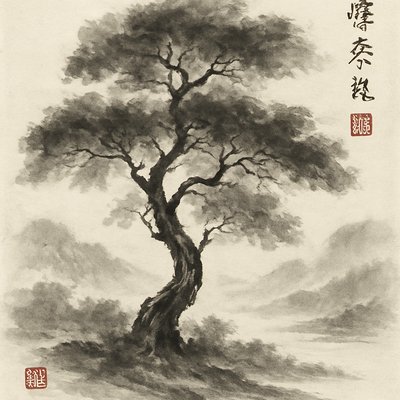
a tree in nature
a tree in nature
a tree in nature
a tree in nature
a tree in nature
a tree in nature
a tree in nature
a tree in nature
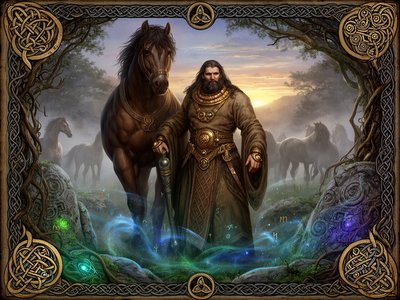
The Dagda, powerful Celtic god, standing with a massive, muscular horse at his side. Earthy robes, bronze and gold torc, long dark hair, commanding presence. Horses moving in the background like living wealth of the land. Misty forest or rolling hills, dawn light piercing fog, mythic realism, cinematic Celtic fantasy, raw authority, natural textures.
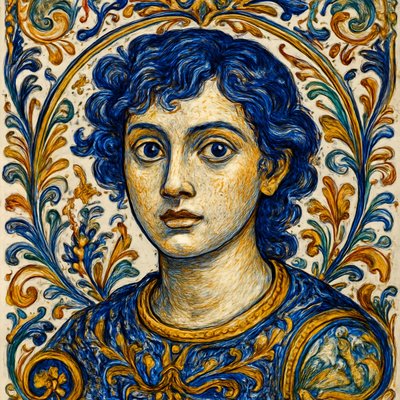
portrait of a person with expressive eyes
a tree in nature
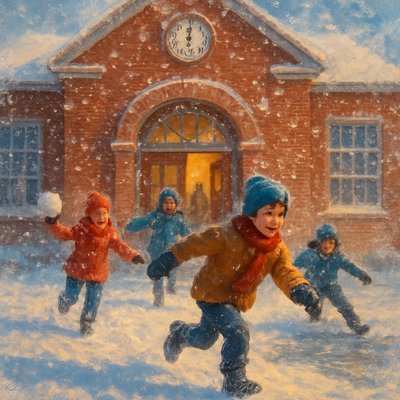
Snow Day Freedom

    A group of four happy children (diverse ages and genders) running excitedly out of the tall, red brick doors of a classic, old-fashioned schoolhouse. The school's clock face shows the final bell time. The atmosphere is pure, exultant freedom and joy.

    Scene Details: Heavy, fluffy snow is falling and has covered the ground in a pristine white blanket. The children are dressed in colorful, bundled winter clothing (red scarves, blue hats). In the foreground, one child is already throwing a perfect snowball, and another is sliding on a patch of ice. The setting sun casts a warm, golden glow on the snow, creating long, blue shadows and sharp contrast, emphasizing the magical quality of the winter afternoon.
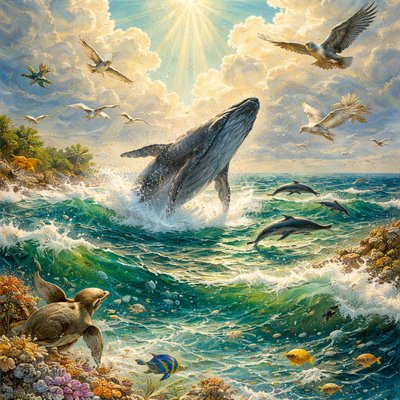
“And God created great whales, and every living creature that moveth, which the waters brought forth abundantly, after their kind, and every winged fowl after his kind: and God saw that it was good. And God blessed them, saying, Be fruitful, and multiply, and fill the waters in the seas, and let fowl multiply in the earth.” (Genesis 1:21-22, KJV)
serene landscape with mountains and water
a tree in nature
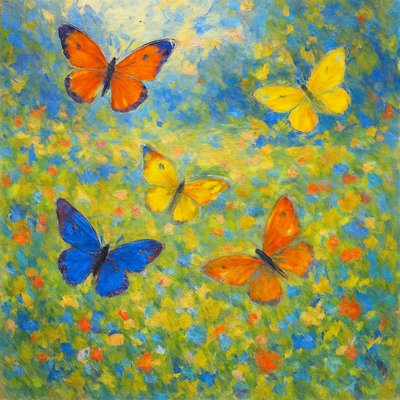
a field of butterflies
Skull ring with garnets
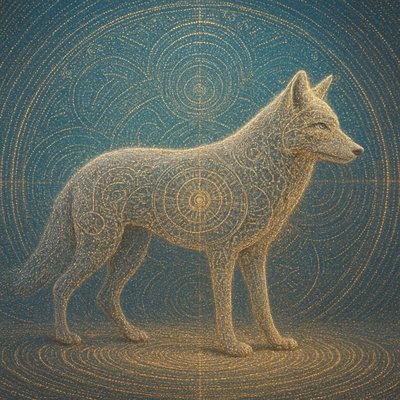
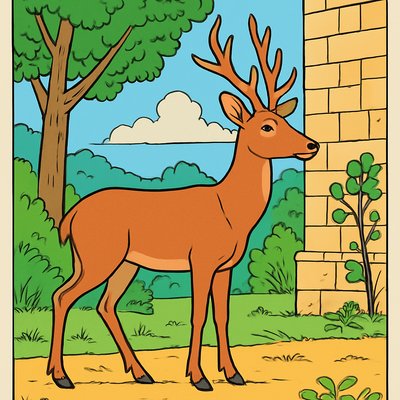
animal standing in natural pose
a tree in nature
a tree in nature
a tree in nature
a tree in nature
a tree in nature
a tree in nature
a tree in nature
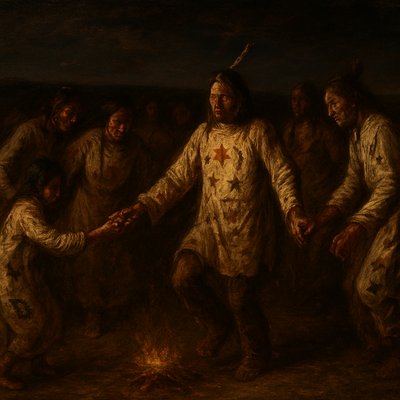
"A historically accurate depiction of a Ghost Dance, focusing on the late 19th-century context, specifically around 1890-1891. The scene shows Lakota (Sioux) or Northern Paiute people (specify one or include elements of both, but avoid anachronisms) participating in the ceremony.

Setting: A vast, open prairie or high desert landscape, under an expansive sky. The time of day could be dusk or night, with a prominent moon or stars, or a bright, clear day. Avoid overtly spiritual or ethereal elements like floating spirits unless explicitly requested for a later, more symbolic iteration. The focus should be on the earthly ceremony.

Participants: A circle of men, women, and children, hand-in-hand, moving in a slow, rhythmic shuffle or circular motion. Their faces show a mixture of devotion, hope, and determination. Some may have expressions of trance or deep concentration.

Attire:

    Ghost Dance Shirts/Dresses: Emphasize the unique Ghost Dance shirts and dresses, which were typically made of muslin or canvas. These garments should feature painted designs such as stars, crescents, birds (especially eagles or crows), buffalo, human figures, or crosses. The designs should appear hand-painted, not mass-produced.

    Hair and Adornments: Participants should have braided hair or wear it long. Some may wear feathers (e.g., eagle or hawk feathers) in their hair. Minimal traditional adornments, as the focus was often on the Ghost Dance shirt itself. Avoid overly elaborate or Hollywood-esque depictions of war bonnets unless relevant to a specific individual and context.

    Footwear: Moccasins or bare feet.

Action/Atmosphere:

    The dancers are moving in a counter-clockwise circle, with a central figure or a small group often leading.

    The overall mood is one of earnest prayer and communal spiritual effort. The dance should convey a sense of hope for renewal and the return of the old ways, rather than aggression or despair.

    There might be a central pole or small fire as a focal point, around which the dance takes place.

    Avoid any signs of direct conflict or violence; the Ghost Dance itself was a non-violent spiritual movement.

Specific Considerations for Accuracy:

    Wovoka's Influence: The teachings of Wovoka (the Northern Paiute prophet) emphasized peace, hard work, and the return of the buffalo and deceased ancestors. The scene should subtly reflect this hopeful, redemptive spirit.

    Regional Variations: If focusing on Lakota, consider their specific interpretations, which sometimes included more imagery related to their warrior traditions on the shirts, but still within the peaceful framework of the dance.

    Respectful Portrayal: Ensure the depiction is respectful and avoids any stereotypical or caricatured representations of Indigenous people. Focus on their human dignity and spiritual sincerity.
A phoenix rising
Dark Academia Manga Illustration Style Transfer Example
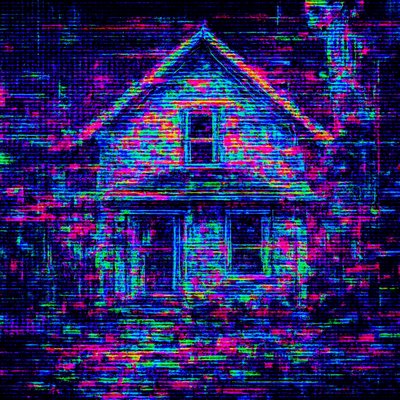
house with front view
animal standing in natural pose
Artwork referencing art history with ironic undertones in the art style of Transavantgarde --v 6.1
Monumental history painting with multiple figures in the art style of Baroque --v 6.1
a painting of a man with angel wings