A Picture Of The Hebrew Letter Gimel Including Both The Paleo Symbol Of The Foot And Also The Modern Hebrew Gimel Symbol ג , The Art

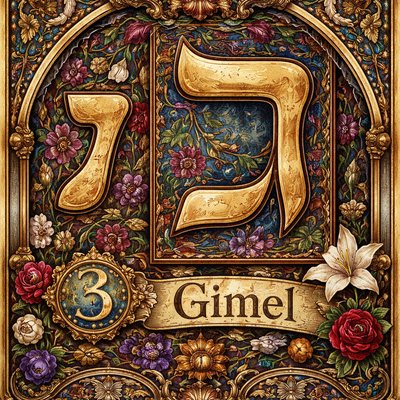
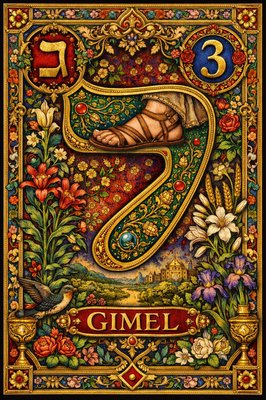
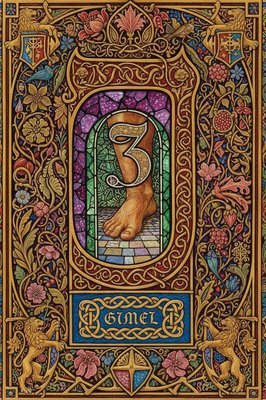
A picture of the Hebrew letter Gimel including both the paleo symbol of the foot and also the modern Hebrew Gimel symbol ג , the number 3 and the name of the letter "Gimel"
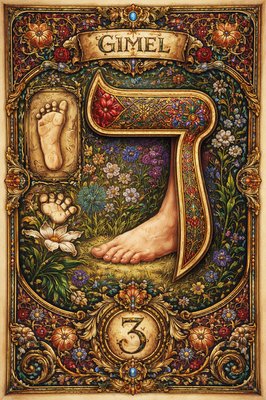
A picture of the Hebrew letter Gimel including in the design a picture of the paleo symbol for the foot and a foot with the modern Hebrew Gimel symbol ג , the number 3 and the name of the letter "Gimel" . With no other number or letter symbols included
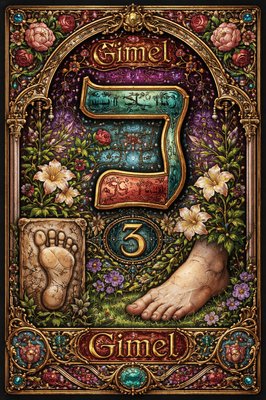
A picture of the Hebrew letter Gimel including in the design a picture of the paleo symbol for the foot and a foot with the modern Hebrew Gimel symbol ג , the number 3 and the name of the letter "Gimel" .
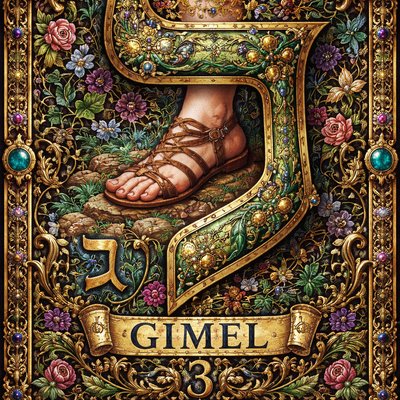
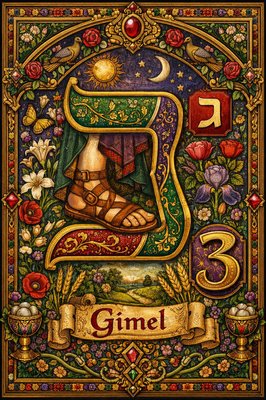
A picture of the Hebrew letter Gimel including in the design a picture of a sandaled foot and also the modern Hebrew Gimel symbol ג , the number 3 and the name of the letter "Gimel"
A picture of the Hebrew letter Gimel including in the design a picture of a sandaled foot and the modern Hebrew Gimel symbol ג , the number 3 and the name of the letter "Gimel" . With no other number or letter symbols included
A picture of the Hebrew letter Gimel including in the design a picture of a sandaled foot and the modern Hebrew Gimel symbol ג , the number 3 and the name of the letter "Gimel" .
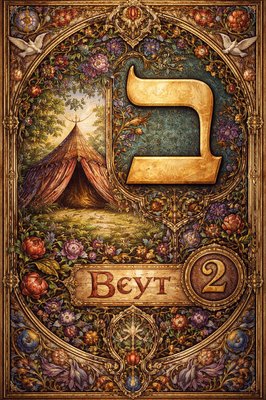
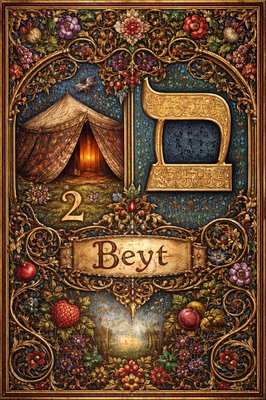
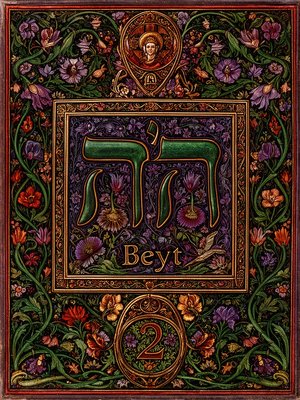
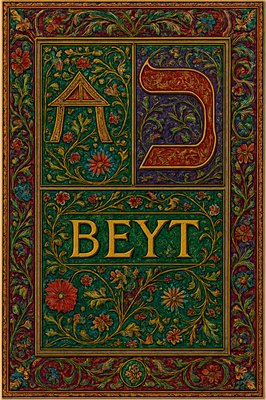
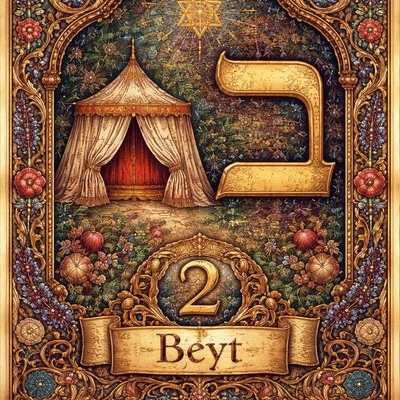
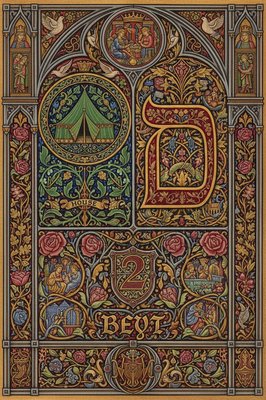
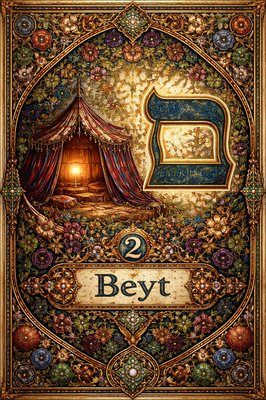
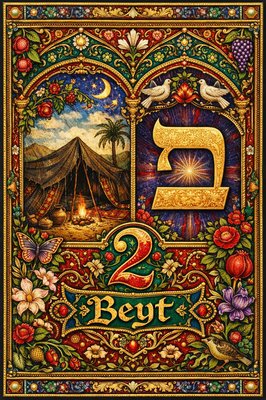
A picture of the Hebrew letter Beyt including both the paleo symbol of the bedouin tent meaning and also the modern Hebrew Beyt symbol  ב  , the number 2 and the name of the letter "Beyt"
A picture of the Hebrew letter Beyt including both the paleo symbol of the bedouin tent meaning and also the modern Hebrew Beyt symbol, the number 2 and the name of the letter "Beyt"
A picture of the Hebrew letter Beyt including both the paleo symbol of the bedouin tent meaning "house, family, in" and the modern Beyt symbol, the number 2 and the name of the letter "Beyt"
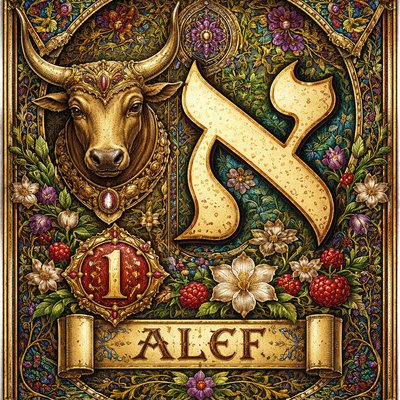
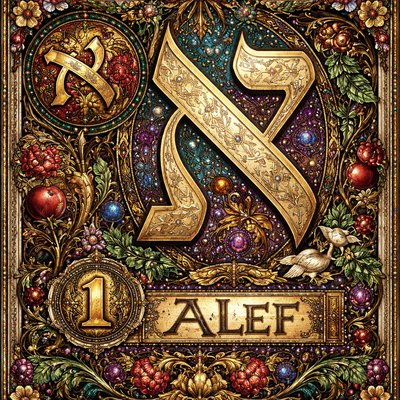
A picture of the Hebrew letter Alef including both the paleo symbol of the ox head "Ox, Strength, Leader" and modern א, Alef symbol, the number 1 and the name of the letter "Alef"
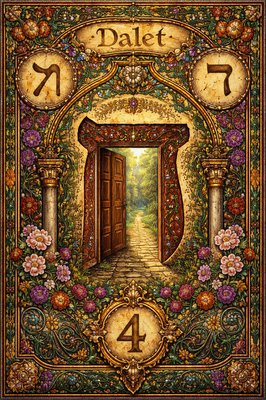
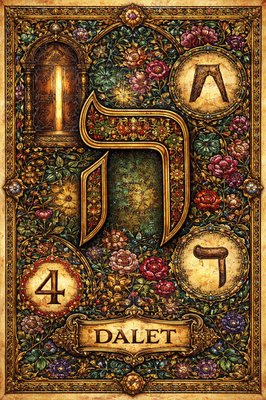
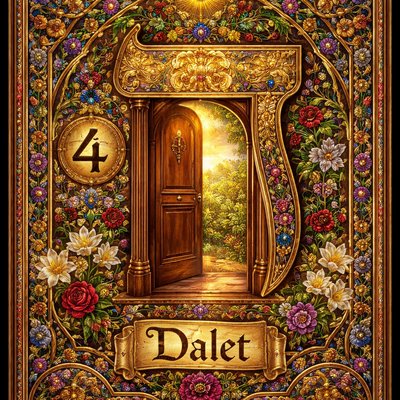
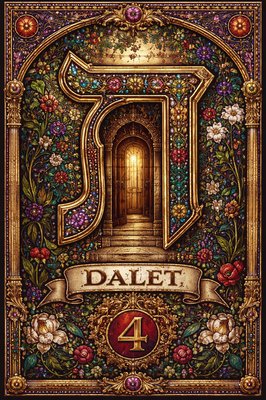
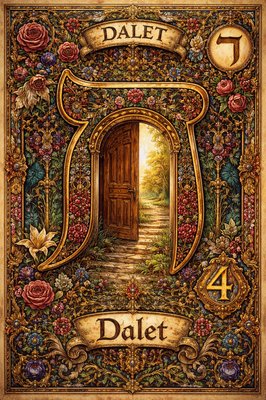
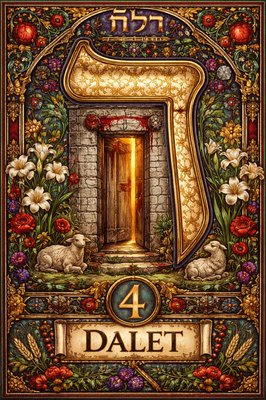
A picture of the Hebrew letter Dalet including in the design a picture of a door, the paleo pictograph and the modern Hebrew Dalet symbol (ד), the number 4 and the name of the letter "Dalet" . With no other number or letter symbols included
A picture of the Hebrew letter Dalet with the picture of a door, the paleo pictograph, and the modern Hebrew Dalet symbol (ד), the number 4 and the name of the letter "Dalet" . With no other number or letter symbols included
A picture of the Hebrew letter Dalet including in the design a picture of a door and the modern Hebrew Dalet symbol (ד), the number 4 and the name of the letter "Dalet" . With no other number or letter symbols included
A picture of the Hebrew letter Alef including both the paleo and modern symbols, the number 1 and the name of the letter "Alef"
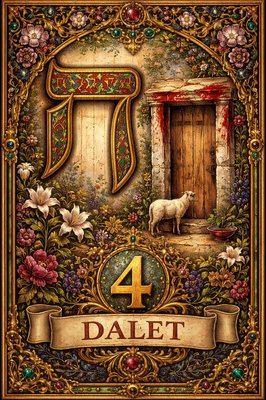
A picture of the Hebrew letter Dalet with the picture of a door, with the Passover blood on the door frame, and the modern Hebrew Dalet symbol (ד), the number 4 and the name of the letter "Dalet" . With no other number or letter symbols included
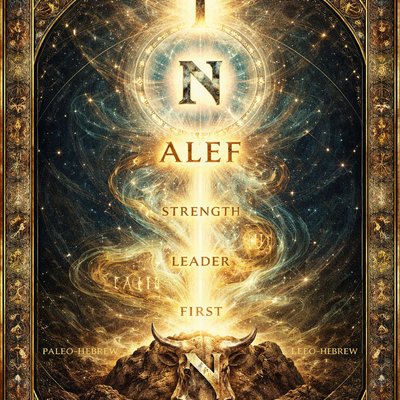
Art Style: A complex, symbolic conceptual illustration blending ancient mysticism with modern schematic design. The aesthetic should feel like an illuminated alchemical manuscript crossed with a celestial blueprint. Textures of aged vellum, carved stone, and glowing divine energy.

Central Composition: A vertical evolutionary flow. At the grounding base, emerging from rough, ancient rock, is the Paleo-Hebrew Aleph symbol (the stylized ox head with horns, looking like an 'A' lying on its side). It is carved deeply, looking primal and strong.
Transition & Meanings: Rising from the Paleo symbol is a swirling vortex of golden and blue light, forming a "pillar of meaning." Within this energy stream, ethereal visual metaphors and text are embedded: ghostly outlines of a powerful ox plowing, a stylized crown representing leadership, and a single radiant beam of light connecting heaven and earth. The English words "STRENGTH," "LEADER," and "FIRST" are written in archaic, glowing script along this rising path.
The Modern Form: At the apex, floating suspended in a sphere of brilliant white light, is the Modern Hebrew letter א (Aleph). It is rendered not just as ink, but as three distinct components of energy (the upper yod, lower yod, and connecting vav) held together in perfect balance, symbolizing divine unity.

Textual Integration:

Floating prominently above the entire composition is the large, glowing number "1".

Bridging the gap between the ancient and modern forms in the center of the image is the word "ALEF" in a bold, timeless font.

Small labels "PALEO-HEBREW" and "MODERN HEBREW" are discreetly placed near their respective symbols.

Overall Mood: Profound, sacred, interconnected, and powerful. The background is a subtle star map with faint sacred geometry lines.
A picture of the Hebrew letter Dalet with the picture of a door, with the Passover blood on the door frame, and the modern Hebrew Dalet symbol, the number 4 and the name of the letter "Dalet" . With no other number or letter symbols included
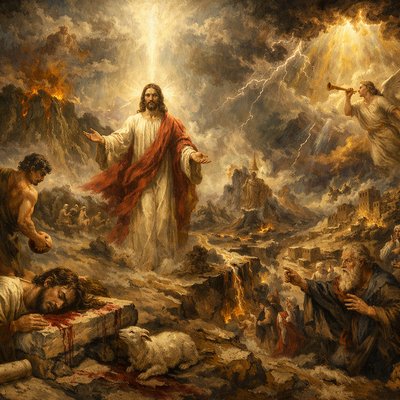
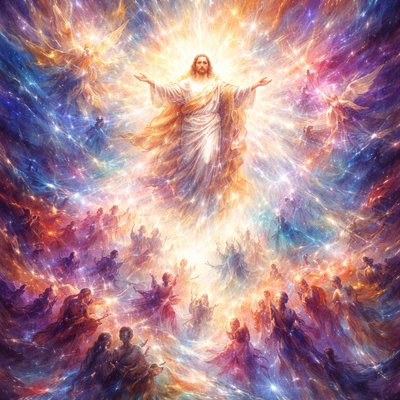
“And to Jesus the mediator of the new covenant, and to the blood of sprinkling, that speaketh better things than that of Abel. See that ye refuse not him that speaketh. For if they escaped not who refused him that spake on earth, much more shall not we escape, if we turn away from him that speaketh from heaven: Whose voice then shook the earth: but now he hath promised, saying, Yet once more I shake not the earth only, but also heaven.” (Hebrews 12:24-26, KJV)
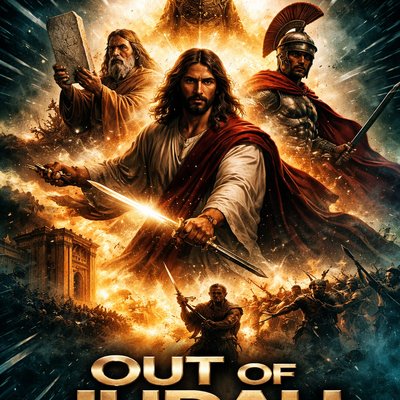
“For the priesthood being changed, there is made of necessity a change also of the law. For he of whom these things are spoken pertaineth to another tribe, of which no man gave attendance at the altar. For it is evident that our Lord sprang out of Juda; of which tribe Moses spake nothing concerning priesthood.” (Hebrews 7:12-14, KJV)
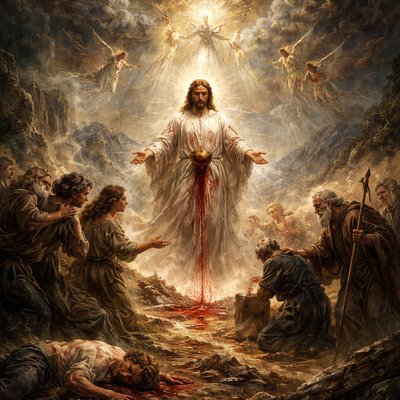
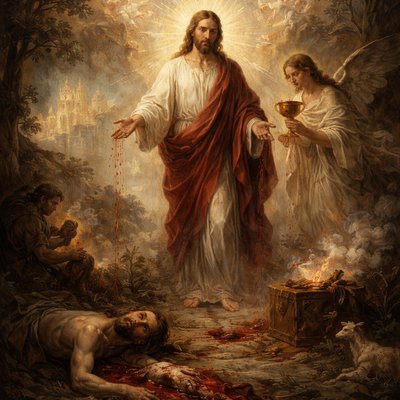
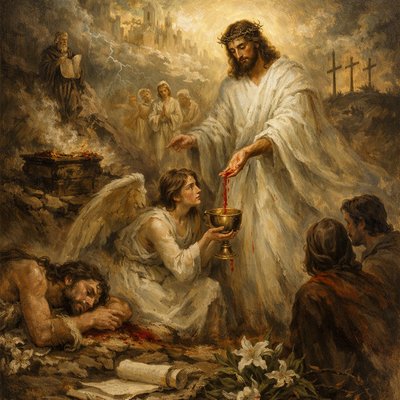
“And to Jesus the mediator of the new covenant, and to the blood of sprinkling, that speaketh better things than that of Abel.” (Hebrews 12:24, KJV)
a picture of a man's torso made up of words
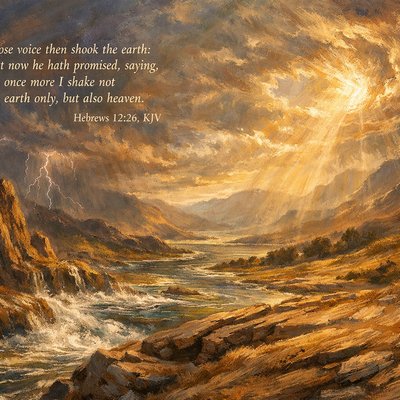
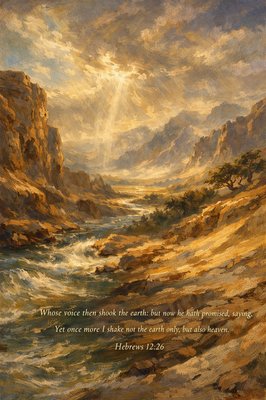
“Whose voice then shook the earth: but now he hath promised, saying, Yet once more I shake not the earth only, but also heaven.” (Hebrews 12:26, KJV)
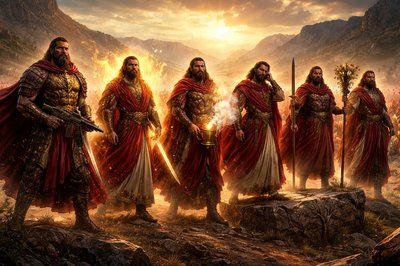
A wide, cinematic shot of six valiant ancient Hebrew warriors, the sons of Tola, standing in a vast desert valley. Each man is dressed in majestic tunics and sashes of deep scarlet, representing the Tola (scarlet worm) dye.Uzzi (My Strength): A massive, hulking commander in bronze-plated leather armor, prominently holding a modern tactical Uzi submachine gun with gold-inlay Hebrew engravings.

Jahmai (God Guards): Wrapped in a shimmering, protective golden aura that glows against his red robes.

Jibsam (Fragrant): Holding a golden censer emitting thick, fragrant clouds of white and scarlet-tinted incense. Shemuel (Heard of God): Posed in a moment of stillness, hand cupped to his ear as a faint golden light enters his mind.

Jeriel (Founded by God): Standing firmly atop a massive, ancient cornerstone carved with kermes oak branches.

Rephaiah (God Heals): Holding a wooden staff entwined with medicinal herbs and blooming red flowers. In the background, a massive army of 22,600 soldiers, all wearing scarlet standards, stretches to the horizon. High-contrast lighting, dramatic sunset, grit and hyper-detail, 8k resolution, biblical epic style. No text or letters on screen.
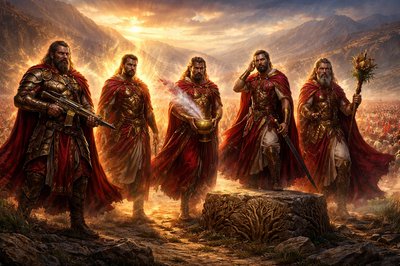
A wide, cinematic shot of six valiant ancient Hebrew warriors, the sons of Tola, standing in a vast desert valley. Each man is dressed in majestic tunics and sashes of deep scarlet, representing the Tola (scarlet worm) dye.Uzzi (My Strength): A massive, hulking commander in bronze-plated leather armor, prominently holding a modern tactical Uzi submachine gun with gold-inlay Hebrew engravings.

Jahmai (God Guards): Wrapped in a shimmering, protective golden aura that glows against his red robes.

Jibsam (Fragrant): Holding a golden censer emitting thick, fragrant clouds of white and scarlet-tinted incense. Shemuel (Heard of God): Posed in a moment of stillness, hand cupped to his ear as a faint golden light enters his mind.

Jeriel (Founded by God): Standing firmly atop a massive, ancient cornerstone carved with kermes oak branches.

Rephaiah (God Heals): Holding a wooden staff entwined with medicinal herbs and blooming red flowers. In the background, a massive army of 22,600 soldiers, all wearing scarlet standards, stretches to the horizon. High-contrast lighting, dramatic sunset, grit and hyper-detail, 8k resolution, biblical epic style. No text or letters on screen. Each man should look unique not cloned.
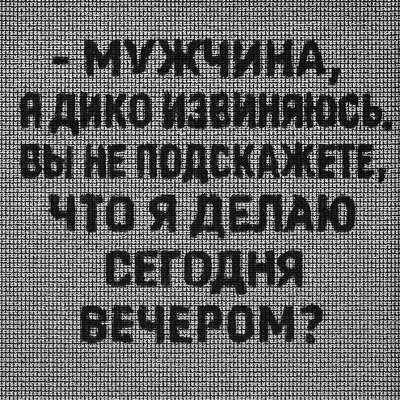
a black and white picture with words on it
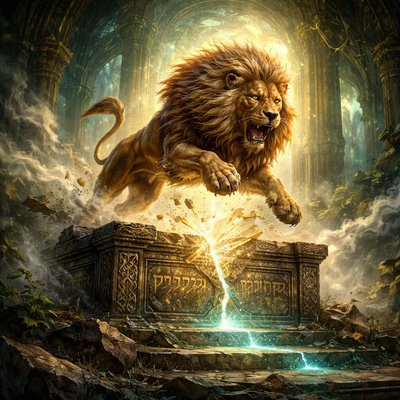
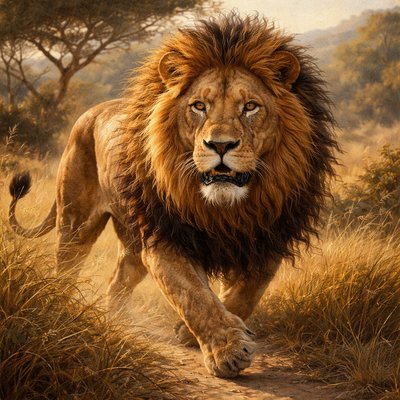
A hyper-realistic, majestic golden Lion of Judah leaping powerfully over a crumbling ancient stone altar. The altar is engraved with Hebrew letters and surrounded by drifting incense smoke. As the lion "springs out," the heavy stone of the altar cracks under its paws, revealing a path of brilliant celestial light. Cinematic lighting, dramatic shadows, baroque art style, 8k resolution, divine and regal atmosphere.
Portray without words “For the priesthood being changed, there is made of necessity a change also of the law. For he of whom these things are spoken pertaineth to another tribe, of which no man gave attendance at the altar. For it is evident that our Lord sprang out of Juda; of which tribe Moses spake nothing concerning priesthood.” (Hebrews 7:12-14, KJV) Use a male lion to represent Judah
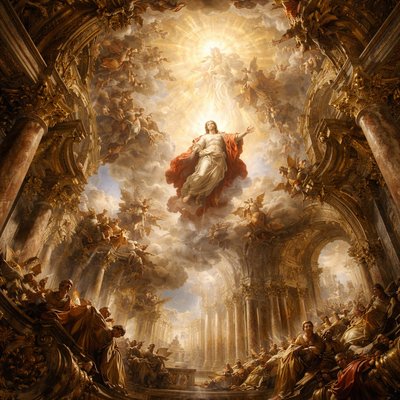
“For Christ is not entered into the holy places made with hands, which are the figures of the true; but into heaven itself, now to appear in the presence of God for us:” (Hebrews 9:24, KJV)
Forasmuch then as the children are partakers of flesh and blood, he also himself likewise took part of the same; that through death he might destroy him that had the power of death, that is, the devil; And deliver them who through fear of death were all their lifetime subject to bondage. For verily he took not on him the nature of angels; but he took on him the seed of Abraham. Wherefore in all things it behoved him to be made like unto his brethren, that he might be a merciful and faithful high priest in things pertaining to God, to make reconciliation for the sins of the people. For in that he himself hath suffered being tempted, he is able to succour them that are tempted. 
(Hebrews 2:14-18 KJV)
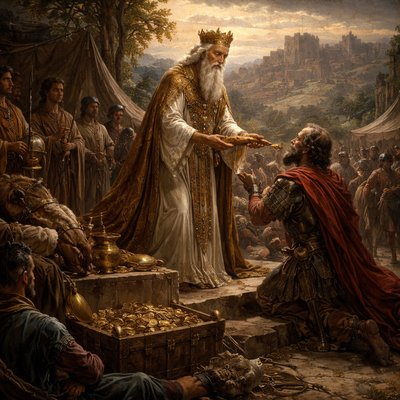
“For this Melchisedec, king of Salem, priest of the most high God, who met Abraham returning from the slaughter of the kings, and blessed him; To whom also Abraham gave a tenth part of all; first being by interpretation King of righteousness, and after that also King of Salem, which is, King of peace;” (Hebrews 7:1-2, KJV)