A Picture Of The Hebrew Letter Dalet Including In The Design A Picture Of A Door, The Paleo Pictograph And The Modern Hebrew Art

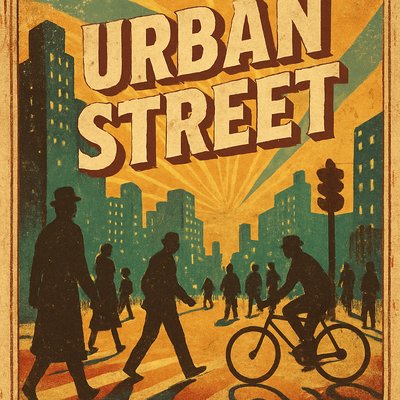
urban street with city activity
a bronze statue of a man in a frame
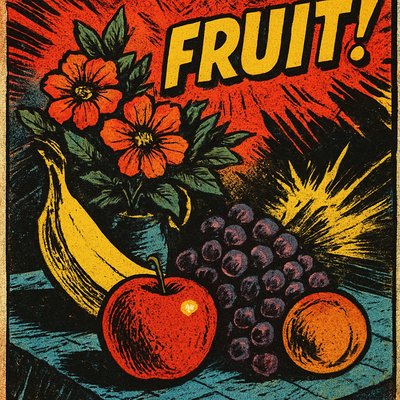
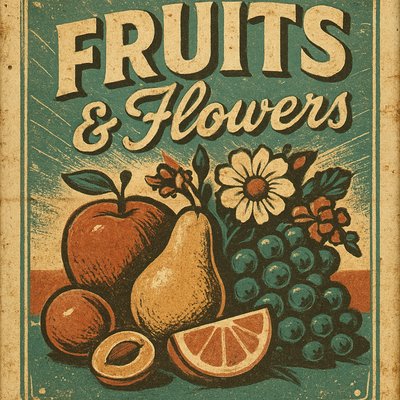
still life arrangement of fruits and flowers
a picture of a large building with a clock tower
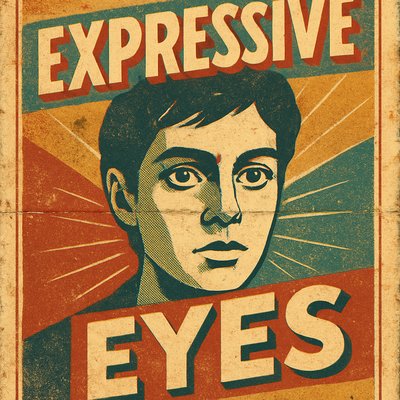
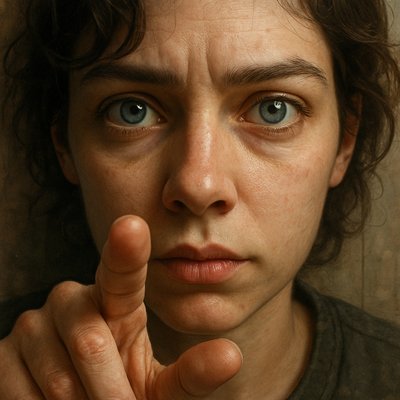
portrait of a person with expressive eyes
bicyle resting against a wall
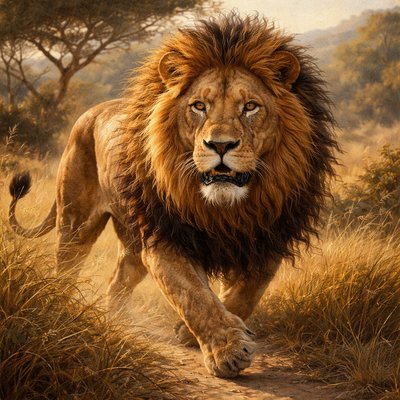
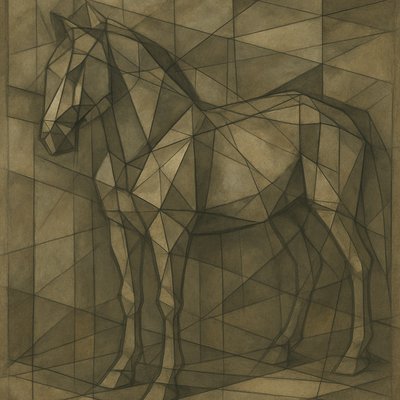
animal standing in natural pose
bicyle resting against a wall
A musician with guitar
Create a single, breathtaking mystical still image in ancient biblical apocalyptic art style, inspired by the Book of Enoch's Astronomical Book and Jewish esoteric mysticism. Depict the profound new moon phase at the sacred moment of renewal: profound cosmic darkness transitions to the very first emergence of light.A delicate, razor-thin silver crescent moon appears as a faint whisper against the vast starry heavens, with the tiniest sliver illuminated—symbolizing light just beginning to 'rise upon her.' The moon is portrayed as an ethereal, luminous feminine figure, veiled in soft mist and subtle glow, humble and receptive, her form blending pale and almost invisible into the bright daytime sky 'like the heaven,' near the radiant golden sun on the horizon.The sun blazes with warm, divine golden rays, gently transferring the first threads of holy light to the moon along an invisible ecliptic vine-like arc of faint stars and zodiac gates. Ethereal ancient Hebrew-like script glows softly in silver near the crescent: 'Erâe' (appearance/seeing/emergence), evoking first revelation, yoking to the divine source, and quiet abiding.Atmosphere: awe-inspiring cosmic scale, deep velvety blacks fading to golden-hour celestial light, silver-blue lunar luminescence contrasting warm sun rays, subtle particle effects of divine energy flowing. No modern elements; pure ancient mystical realism with sense of divine harmony, covenant faithfulness, and spiritual waiting/filling. High detail, cinematic composition, 16:9 aspect ratio, 8K resolution, inspired by Byzantine icons, Renaissance apocalyptic visions, and ethereal fantasy astronomy art
Retro Comic Art Style Transfer Example
a bronze statue of a man holding a basketball
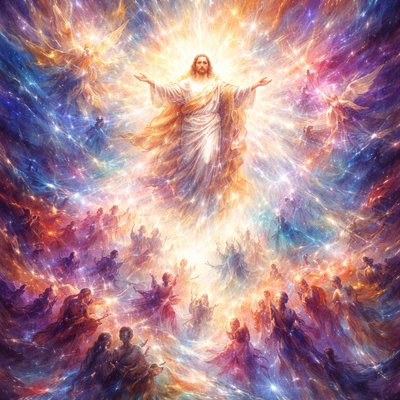
Jesus stands at the door and knocks
a painting of a man posing for a picture
serene landscape with mountains and water
a statue of a man standing in a doorway
portrait of two people together
serene landscape with mountains and water
urban street with city activity
still life arrangement of fruits and flowers
portrait of a person with expressive eyes
Art Style: Analytical Cubism, avant-garde oil painting style reminiscent of Picasso and Braque.

Subject: A dense, tangled thicket of Rhododendrons and Mountain Laurel bushes.

Composition & Details: The entire natural scene is deconstructed into overlapping geometric planes, fractured shards, and intersecting angles. There are no curved lines; everything is rendered in cubes, cones, and trapezoids.

    The Rhododendrons: Large, showy flower trusses are broken into faceted crystalline structures of deep magenta, rose pink, and violet blocks, looking like explosions of colored quartz rather than soft petals.

    The Mountain Laurels: The smaller, intricate flowers are rendered as complex, repeating geometric star-patterns and angular cups in white and pale pink with distinct red polygonal markings.

    Foliage & Branches: The thick, leathery leaves are fragmented green triangles and parallelograms overlapping each other, creating a sense of depth without traditional perspective. The woody stems and branches are jagged, intersecting brown and grey cylinders that shatter across the frame.

Color & Texture: A palette of muted earth tones—ochre, burnt umber, forest green, and slate grey—contrasted sharply with the jewel-toned facets of the flower colors. The finish should have a heavy, textured oil paint feel with visible palette knife marks and rough brushwork.
still life arrangement of fruits and flowers
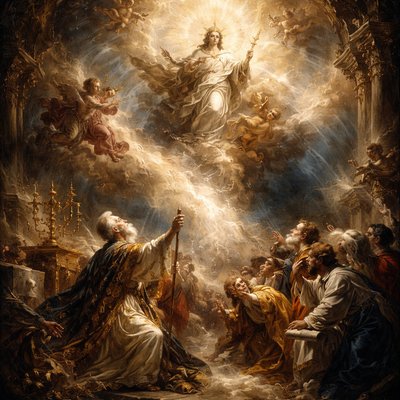
a painting of a man holding a stick
Retro Comic Art Style Transfer Example
a bronze statue of a warrior holding a sword and shield
animal standing in natural pose
bicyle resting against a wall
a painting of a bunch of flowers on a wall
A smartphone
house with front view
wide landscape with natural scenery
a bronze statue of a warrior holding a sword
Art Style: Analytical Cubism, avant-garde oil painting style reminiscent of Picasso and Braque.

Subject: A dense, tangled thicket of Rhododendrons and Mountain Laurel bushes.

Composition & Details: The entire natural scene is deconstructed into overlapping geometric planes, fractured shards, and intersecting angles. There are no curved lines; everything is rendered in cubes, cones, and trapezoids.

    The Rhododendrons: Large, showy flower trusses are broken into faceted crystalline structures of deep magenta, rose pink, and violet blocks, looking like explosions of colored quartz rather than soft petals.

    The Mountain Laurels: The smaller, intricate flowers are rendered as complex, repeating geometric star-patterns and angular cups in white and pale pink with distinct red polygonal markings.

    Foliage & Branches: The thick, leathery leaves are fragmented green triangles and parallelograms overlapping each other, creating a sense of depth without traditional perspective. The woody stems and branches are jagged, intersecting brown and grey cylinders that shatter across the frame.

Color & Texture: A palette of muted earth tones—ochre, burnt umber, forest green, and slate grey—contrasted sharply with the jewel-toned facets of the flower colors. The finish should have a heavy, textured oil paint feel with visible palette knife marks and rough brushwork.
Art Style: Analytical Cubism, avant-garde oil painting style reminiscent of Picasso and Braque.

Subject: A dense, tangled thicket of Rhododendrons and Mountain Laurel bushes.

Composition & Details: The entire natural scene is deconstructed into overlapping geometric planes, fractured shards, and intersecting angles. There are no curved lines; everything is rendered in cubes, cones, and trapezoids.

    The Rhododendrons: Large, showy flower trusses are broken into faceted crystalline structures of deep magenta, rose pink, and violet blocks, looking like explosions of colored quartz rather than soft petals.

    The Mountain Laurels: The smaller, intricate flowers are rendered as complex, repeating geometric star-patterns and angular cups in white and pale pink with distinct red polygonal markings.

    Foliage & Branches: The thick, leathery leaves are fragmented green triangles and parallelograms overlapping each other, creating a sense of depth without traditional perspective. The woody stems and branches are jagged, intersecting brown and grey cylinders that shatter across the frame.

Color & Texture: A palette of muted earth tones—ochre, burnt umber, forest green, and slate grey—contrasted sharply with the jewel-toned facets of the flower colors. The finish should have a heavy, textured oil paint feel with visible palette knife marks and rough brushwork.
Art Style: Analytical Cubism, avant-garde oil painting style reminiscent of Picasso and Braque.

Subject: A dense, tangled thicket of Rhododendrons and Mountain Laurel bushes.

Composition & Details: The entire natural scene is deconstructed into overlapping geometric planes, fractured shards, and intersecting angles. There are no curved lines; everything is rendered in cubes, cones, and trapezoids.

    The Rhododendrons: Large, showy flower trusses are broken into faceted crystalline structures of deep magenta, rose pink, and violet blocks, looking like explosions of colored quartz rather than soft petals.

    The Mountain Laurels: The smaller, intricate flowers are rendered as complex, repeating geometric star-patterns and angular cups in white and pale pink with distinct red polygonal markings.

    Foliage & Branches: The thick, leathery leaves are fragmented green triangles and parallelograms overlapping each other, creating a sense of depth without traditional perspective. The woody stems and branches are jagged, intersecting brown and grey cylinders that shatter across the frame.

Color & Texture: A palette of muted earth tones—ochre, burnt umber, forest green, and slate grey—contrasted sharply with the jewel-toned facets of the flower colors. The finish should have a heavy, textured oil paint feel with visible palette knife marks and rough brushwork.
Art Style: Analytical Cubism, avant-garde oil painting style reminiscent of Picasso and Braque.

Subject: A dense, tangled thicket of Rhododendrons and Mountain Laurel bushes.

Composition & Details: The entire natural scene is deconstructed into overlapping geometric planes, fractured shards, and intersecting angles. There are no curved lines; everything is rendered in cubes, cones, and trapezoids.

    The Rhododendrons: Large, showy flower trusses are broken into faceted crystalline structures of deep magenta, rose pink, and violet blocks, looking like explosions of colored quartz rather than soft petals.

    The Mountain Laurels: The smaller, intricate flowers are rendered as complex, repeating geometric star-patterns and angular cups in white and pale pink with distinct red polygonal markings.

    Foliage & Branches: The thick, leathery leaves are fragmented green triangles and parallelograms overlapping each other, creating a sense of depth without traditional perspective. The woody stems and branches are jagged, intersecting brown and grey cylinders that shatter across the frame.

Color & Texture: A palette of muted earth tones—ochre, burnt umber, forest green, and slate grey—contrasted sharply with the jewel-toned facets of the flower colors. The finish should have a heavy, textured oil paint feel with visible palette knife marks and rough brushwork.
a drawing of a man wearing a colorful headdress
A koi pond seen from above, orange and white koi fish swimming among lily pads, clear water with subtle ripples, fallen cherry blossom petals floating on the surface, dappled sunlight
Unstressed vowels weakened to schwa.
The final -e in words like name became silent.
Endings like -ed and -es lost their full vowel sound, making English more rhythmically stress-timed.
6. The wh sound stayed distinct longer.
Which and witch sounded different—which started with a breathy hw. Today the pronunciation is similar but the difference remains in some dialects. create a picture withoud words