A Painting Of A Woman In A Red Cape Art

Steampunk Historical Fantasy, Satirical Illustration Style, Cinematic Lighting. A bizarre, anachronistic scene inside a drafty medieval castle great hall (Camelot). A group of noblewomen, dressed in elaborate 6th-century velvet gowns, wimples, and tall pointed hennin hats with veils, are seated on rough wooden stools. They are furiously working a massive, makeshift telephone switchboard operator station.

The Technology: The switchboard is constructed from rough-hewn oak timbers, gleaming brass gears, porcelain insulators, and hundreds of thick, chaotic copper wires that are strung haphazardly across ancient tapestries and stone walls, disappearing out narrow arrow-slit windows.

The Action: The ladies hold bulky, antique Victorian-era earpieces and large brass mouthpieces, plugging heavy cables with oversized jacks into the board with expressions of intense concentration and mild confusion. Knights in armor walk past in the background, looking bewildered. Sunlight streams through gothic windows, illuminating the dust and the clash of eras.
Seamless triptych artwork, continuous scene flowing left to right, left panel shows a palomino horse in the foreground on the far left side of the scene walking down a grassy slope toward a reflective teal-blue river in the Scottish Highlands with rocks and ferns around its hooves, center panel continues the same landscape as the horse now appears in the midground at the center of the scene standing at the river’s edge drinking from the reflective water beside ancient moss-covered stone ruins, right panel continues the scene as the horse appears far away in the distance on the far right side of the scene following the riverbank toward steep mist-covered mountains with dramatic sunlight breaking through the clouds, unified natural palette of greens golds and reflective teal blues, consistent cinematic lighting, shared horizon line, smooth uninterrupted left-to-right visual flow with no panel separation.
An awe-inspiring and whimsical scene featuring Willy Wonka's Great Glass Wonkavator, soaring through the sky and beyond the confines of Ontario Canada and its flag. The Wonkavator itself is a magnificent, multi-directional glass elevator, transparent and sparkling, with Willy Wonka (wearing his iconic top hat, purple coat, and bowtie) and 2 Canadian ladies looking out with expressions of joy, wonder and excitement. The interior is filled with intricate buttons and levers for controlling its magical flight. The Wonkavator is depicted in mid-flight, ascending above the clouds flying out to the ocean. Below it, the fantastical landscape of Ontario Canada is visible with a large Canadian flay flying over the city. – and various whimsical buildings. Beyond Ontario, a stunning, imaginative sky unfolds, perhaps with floating candy clouds, distant fantastical landmarks, or even glimpses of outer space and planets. The lighting is bright and magical, emphasizing the glass's transparency and the vibrant colors of the world below and beyond. The overall mood is one of boundless adventure, limitless possibilities, and pure, joyful fantasy."
A majestic and reverent scene, directly inspired by Revelation 5:8. A group of elderly, robed figures are kneeling in worship, their faces and attention directed towards a central focal point. Each elder holds a golden harp in one hand and a golden bowl brimming with luminous, swirling incense in the other. The incense, representing the collective prayers of all saints, rises in shimmering, golden tendrils from each bowl, converging and ascending towards the central figure. At the very center of the composition, slightly elevated and bathed in radiant light, stands the Lamb who was slain, embodying divine power and sacrifice, the recipient of all this worship. The atmosphere is ethereal, filled with soft, divine golden light emanating from the incense and the Lamb, emphasizing the precious, sacred, and unified nature of the prayers being offered before Him. Focus on the rich textures of gold, the reverence of the elders, and the radiant presence of the Lamb
A vivid, dramatic scene depicting a lone figure standing resiliently in the center of a swirling swarm of bees, their forms illuminated by a fiery glow as thorns around them burn brightly, then fade into ash. The figure, clad in simple yet radiant robes, holds a shining sword raised triumphantly, symbolizing divine strength and victory. Behind them, a radiant light bursts forth, representing the presence of the Lord, with beams breaking through a stormy sky. The ground beneath the figure is cracked but stable, showing they were pushed but did not fall. The atmosphere is intense yet hopeful, with a harmonious blend of danger and divine protection, capturing the essence of Psalm 118:12-14--strength, salvation, and triumph through faith. The color palette includes fiery oranges, deep golds, and cool blues to contrast the chaos with divine peace. Ultra-realistic, slightly surreal. Extreme detail.
And the sons of Jacob returned and came to Tapnach, to take away the spoil of Tapnach, and when they came to Tapnach they heard that the people of Arbelan had gone out to meet them to save the spoil of their brethren, and the sons of Jacob left ten of their men in Tapnach to plunder the city, and they went out toward the people of Arbelan.
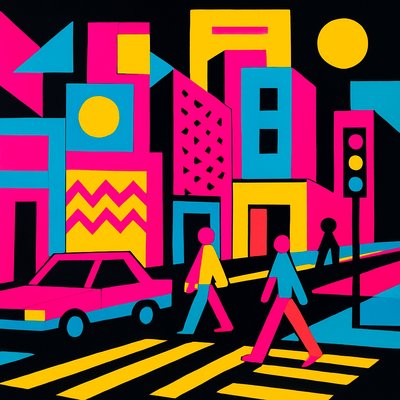
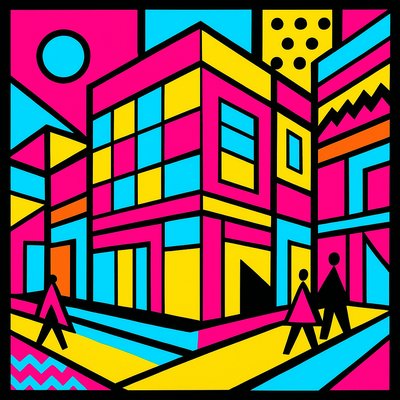
urban street with city activity
Los Angeles
"A historically accurate depiction of a Ghost Dance, focusing on the late 19th-century context, specifically around 1890-1891. The scene shows Lakota (Sioux) or Northern Paiute people (specify one or include elements of both, but avoid anachronisms) participating in the ceremony.

Setting: A vast, open prairie or high desert landscape, under an expansive sky. The time of day could be dusk or night, with a prominent moon or stars, or a bright, clear day. Avoid overtly spiritual or ethereal elements like floating spirits unless explicitly requested for a later, more symbolic iteration. The focus should be on the earthly ceremony.

Participants: A circle of men, women, and children, hand-in-hand, moving in a slow, rhythmic shuffle or circular motion. Their faces show a mixture of devotion, hope, and determination. Some may have expressions of trance or deep concentration.

Attire:

    Ghost Dance Shirts/Dresses: Emphasize the unique Ghost Dance shirts and dresses, which were typically made of muslin or canvas. These garments should feature painted designs such as stars, crescents, birds (especially eagles or crows), buffalo, human figures, or crosses. The designs should appear hand-painted, not mass-produced.

    Hair and Adornments: Participants should have braided hair or wear it long. Some may wear feathers (e.g., eagle or hawk feathers) in their hair. Minimal traditional adornments, as the focus was often on the Ghost Dance shirt itself. Avoid overly elaborate or Hollywood-esque depictions of war bonnets unless relevant to a specific individual and context.

    Footwear: Moccasins or bare feet.

Action/Atmosphere:

    The dancers are moving in a counter-clockwise circle, with a central figure or a small group often leading.

    The overall mood is one of earnest prayer and communal spiritual effort. The dance should convey a sense of hope for renewal and the return of the old ways, rather than aggression or despair.

    There might be a central pole or small fire as a focal point, around which the dance takes place.

    Avoid any signs of direct conflict or violence; the Ghost Dance itself was a non-violent spiritual movement.

Specific Considerations for Accuracy:

    Wovoka's Influence: The teachings of Wovoka (the Northern Paiute prophet) emphasized peace, hard work, and the return of the buffalo and deceased ancestors. The scene should subtly reflect this hopeful, redemptive spirit.

    Regional Variations: If focusing on Lakota, consider their specific interpretations, which sometimes included more imagery related to their warrior traditions on the shirts, but still within the peaceful framework of the dance.

    Respectful Portrayal: Ensure the depiction is respectful and avoids any stereotypical or caricatured representations of Indigenous people. Focus on their human dignity and spiritual sincerity.
Cafe terrace at night with glowing lights in the art style of Impressionism --v 6.1
Cafe terrace at night with vibrant yellows in the art style of Post-Impressionism --v 6.1
portrait of two people together
urban street with city activity
“And it came to pass in those days, that there went out a decree from Caesar Augustus, that all the world should be taxed. (And this taxing was first made when Cyrenius was governor of Syria.) And all went to be taxed, every one into his own city. And Joseph also went up from Galilee, out of the city of Nazareth, into Judaea, unto the city of David, which is called Bethlehem; (because he was of the house and lineage of David:) To be taxed with Mary his espoused wife, being great with child. And so it was, that, while they were there, the days were accomplished that she should be delivered. And she brought forth her firstborn son, and wrapped him in swaddling clothes, and laid him in a manger; because there was no room for them in the inn.” (Luke 2:1-7, KJV)
The Voice Of an Archangel
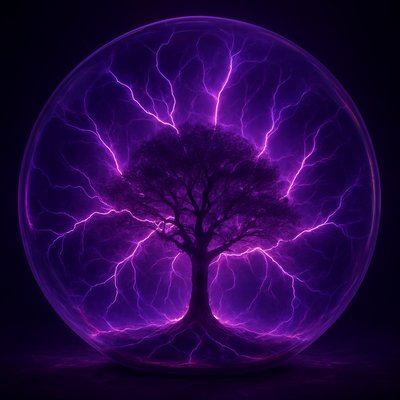
a tree in nature
Lively bar or cafe interior with diverse patrons in the art style of Ashcan School --v 6.1
"A hyper-realistic, cinematic portrait of Zelek the Ammonite, one of King David’s elite 'Mighty Men.' He is a towering figure with a weathered, fierce expression, wearing ancient Near Eastern bronze-and-iron scale armor with heavy leather straps. He stands in a stance of immense power, holding a massive, jagged-edged broadsword or a heavy iron-headed spear. The background is a battlefield where he has literally 'broken' through the enemy line—visualized as a physical fissure or crack in the earth radiating from his feet (Baal-perazim style). The enemy 'host' is seen scattering and dissolving in his wake, depicted as shadowy figures falling back into a golden, dusty haze. Art Style: Gritty biblical realism blended with epic 2026 digital concept art; heavy emphasis on texture (hammered metal, scarred skin, desert sand), deep shadows, and high-contrast volumetric lighting. 8K resolution, wide-angle lens, masterpiece quality
A cinematic, hyper-realistic wide shot of six valiant biblical warriors, the sons of Tola, standing as "heads of their father’s house" in an ancient Levantine desert landscape. In the center, Uzzi is a massive, muscular commander clad in bronze armor, incongruously wielding a modern tactical Uzi submachine gun with gold engravings. Surrounding him are his brothers: Rephaiah holding a staff entwined with healing herbs; Jeriel standing atop a massive foundation stone looking toward heaven; Jahmai enveloped in a warm, protective golden aura; Jibsam Holding a detailed censer releasing fragrant incense smoke.; and Shemuel in a posture of listening, hand to his ear as if hearing a divine whisper. In the background, a vast army of 22,600 soldiers stretches to the horizon under the golden sun of King David’s era. Epic composition, dramatic chiaroscuro lighting, intricate leather and metal textures, 8k resolution, ArtStation style.
Steampunk Historical Fantasy, Satirical Illustration Style, Cinematic Lighting. A bizarre, anachronistic scene inside a drafty medieval castle great hall (Camelot). A group of noblewomen, dressed in elaborate 6th-century velvet gowns, wimples, and tall pointed hennin hats with veils, are seated on rough wooden stools. They are furiously working a massive, makeshift telephone switchboard operator station.

The Technology: The switchboard is constructed from rough-hewn oak timbers, gleaming brass gears, porcelain insulators, and hundreds of thick, chaotic copper wires that are strung haphazardly across ancient tapestries and stone walls, disappearing out narrow arrow-slit windows.

The Action: The ladies hold bulky, antique Victorian-era earpieces and large brass mouthpieces, plugging heavy cables with oversized jacks into the board with expressions of intense concentration and mild confusion. Knights in armor walk past in the background, looking bewildered. Sunlight streams through gothic windows, illuminating the dust and the clash of eras.
Steampunk Historical Fantasy, Satirical Illustration Style, Cinematic Lighting. A bizarre, anachronistic scene inside a drafty medieval castle great hall (Camelot). A group of noblewomen, dressed in elaborate 6th-century velvet gowns, wimples, and tall pointed hennin hats with veils, are seated on rough wooden stools. They are furiously working a massive, makeshift telephone switchboard operator station.

The Technology: The switchboard is constructed from rough-hewn oak timbers, gleaming brass gears, porcelain insulators, and hundreds of thick, chaotic copper wires that are strung haphazardly across ancient tapestries and stone walls, disappearing out narrow arrow-slit windows.

The Action: The ladies hold bulky, antique Victorian-era earpieces and large brass mouthpieces, plugging heavy cables with oversized jacks into the board with expressions of intense concentration and mild confusion. Knights in armor walk past in the background, looking bewildered. Sunlight streams through gothic windows, illuminating the dust and the clash of eras.
Epic Fantasy Illustration Style, Gritty Cinematic Concept Art, a dynamic, wide-angle action shot of a fierce battle amidst overgrown ancient ruins at twilight. A lone, hardened warrior clad in practical leather and partial plate armor is in a dynamic combat stance, dodging a massive vine strike. They wield a glowing, enchanted battleaxe that burns with orange fire, striking at the creature. The opponent is a colossal, serpentine Botanical Dragon construct made entirely of writhing, thick poison ivy vines, hairy root systems, and dense clusters of glossy, three-pointed leaves. The "dragon" rears up, its maw a tangled mass of thorns and dripping toxic sap, exhaling clouds of yellowish-green poisonous spores. Its eyes glow with a malevolent verdant light. The ground is treacherous swamp and broken stone. The lighting is dramatic and moody, highlighting the oily sheen of the poisonous leaves and the fire of the warrior's weapon. High detail on the plant textures.
A triptych set of three drawings, continuous scene flowing left to right, left panel shows a palomino horse in the foreground on the far left side of the scene walking down a grassy slope toward a reflective teal-blue river in the Scottish Highlands with rocks and ferns around its hooves.
Center panel continues the same landscape as the horse now appears in the midground at the center of the scene standing at the river’s edge drinking from the reflective water beside ancient moss-covered stone ruins.
Right panel continues the scene as the horse appears far away in the distance on the far right side of the scene following the riverbank toward steep mist-covered mountains with dramatic sunlight breaking through the clouds, unified natural palette of greens golds and reflective teal blues, consistent cinematic lighting, shared horizon line, smoothf uninterrupted left-to-right visual flow with no panel separation.
Seamless triptych artwork with no dividing lines or borders, continuous scene flowing left to right, left panel shows a palomino horse in the foreground on the far left side of the scene walking down a grassy slope toward a reflective teal-blue river in the Scottish Highlands with rocks and ferns around its hooves, center panel continues the same landscape as the horse now appears in the midground at the center of the scene standing at the river’s edge drinking from the reflective water beside ancient moss-covered stone ruins, right panel continues the scene as the horse appears far away in the distance on the far right side of the scene following the riverbank toward steep mist-covered mountains with dramatic sunlight breaking through the clouds, unified natural palette of greens golds and reflective teal blues, consistent cinematic lighting, shared horizon line, smooth uninterrupted left-to-right visual flow with no panel separation.
Cinematic Wuxia Art Style, Fantasy Digital Art Style, Dark Fantasy, a dynamic anthropomorphic character portrait of the villain Jade Fox from Crouching Tiger, Hidden Dragon. She is rendered as a mature, grizzled fox with fur that is a mix of deep grey and a subtle, bitter jade-green tint. Her eyes are intensely human—sharp, vengeful, and cunning. She is dressed in dark, practical Qing Dynasty assassin's robes (similar to the male disguise she wears in the film), perhaps with a wide straw hat slung across her back. She is crouched low in a masterful martial arts stance on the curved, moonlit tiled roof of an ancient Chinese building. In one clawed paw, she wields the stolen, green-glowing Green Destiny sword, while the other paw is poised, ready to throw her signature poisoned needles. The background is a misty, sprawling city at night with bamboo silhouettes. The atmosphere is tense, dangerous, and steeped in ancient secrets.
An awe-inspiring and whimsical scene featuring Willy Wonka's Great Glass Wonkavator, soaring through the sky and beyond the confines of Ontario Canada and its flag. The Wonkavator itself is a magnificent, multi-directional glass elevator, transparent and sparkling, with Willy Wonka (wearing his iconic top hat, purple coat, and bowtie) and 2 Canadian ladies looking out with expressions of joy, wonder and excitement. The interior is filled with intricate buttons and levers for controlling its magical flight. The Wonkavator is depicted in mid-flight, ascending above the clouds flying out to the ocean. Below it, the fantastical landscape of Ontario Canada is visible with a large Canadian flay flying over the city. – and various whimsical buildings. Beyond Ontario, a stunning, imaginative sky unfolds, perhaps with floating candy clouds, distant fantastical landmarks, or even glimpses of outer space and planets. The lighting is bright and magical, emphasizing the glass's transparency and the vibrant colors of the world below and beyond. The overall mood is one of boundless adventure, limitless possibilities, and pure, joyful fantasy."
A majestic and reverent scene, directly inspired by Revelation 5:8. A group of elderly, robed figures are kneeling in worship, their faces and attention directed towards a central focal point. Each elder holds a golden harp in one hand and a golden bowl brimming with luminous, swirling incense in the other. The incense, representing the collective prayers of all saints, rises in shimmering, golden tendrils from each bowl, converging and ascending towards the central figure. At the very center of the composition, slightly elevated and bathed in radiant light, stands the Lamb who was slain, embodying divine power and sacrifice, the recipient of all this worship. The atmosphere is ethereal, filled with soft, divine golden light emanating from the incense and the Lamb, emphasizing the precious, sacred, and unified nature of the prayers being offered before Him. Focus on the rich textures of gold, the reverence of the elders, and the radiant presence of the Lamb
A vivid, dramatic scene depicting a lone figure standing resiliently in the center of a swirling swarm of bees, their forms illuminated by a fiery glow as thorns around them burn brightly, then fade into ash. The figure, clad in simple yet radiant robes, holds a shining sword raised triumphantly, symbolizing divine strength and victory. Behind them, a radiant light bursts forth, representing the presence of the Lord, with beams breaking through a stormy sky. The ground beneath the figure is cracked but stable, showing they were pushed but did not fall. The atmosphere is intense yet hopeful, with a harmonious blend of danger and divine protection, capturing the essence of Psalm 118:12-14--strength, salvation, and triumph through faith. The color palette includes fiery oranges, deep golds, and cool blues to contrast the chaos with divine peace. Ultra-realistic, slightly surreal. Extreme detail.
A tranquil and inviting autumn landscape based on the provided image, depicting a park-like setting with large trees and a pile of fallen leaves. The trees framing the foreground and extending into the middle ground are now in their full, glorious fall colors. One feels as if they are under a canopy of trees.

The ground is generously covered with a soft, thick carpet of fallen autumn leaves, rendered in various warm hues. A prominent, neatly gathered pile of raked leaves sits in the middle ground, inviting curiosity or play, with its textures and colors clearly visible. In the background, hints of a path or road gently wind through more fall foliage, suggesting a peaceful stroll.

The sky above is a soft, clear autumn blue, allowing warm, diffused sunlight to filter through the canopy, casting gentle shadows and highlighting the vibrant colors of the leaves both on the trees and on the ground. The overall mood is one of serene autumnal beauty, crisp air, and the pleasant, nostalgic feeling of a beautiful fall day in a park."
An awe-inspiring and whimsical scene featuring Willy Wonka's Great Glass Wonkavator, soaring through the sky and beyond the confines of Ontario Canada and its flag. The Wonkavator itself is a magnificent, multi-directional glass elevator, transparent and sparkling, with Willy Wonka (wearing his iconic top hat, purple coat, and bowtie) and 2 Canadian ladies looking out with expressions of joy, wonder and excitement. The interior is filled with intricate buttons and levers for controlling its magical flight. The Wonkavator is depicted in mid-flight, ascending above the clouds flying out to the ocean. Below it, the fantastical landscape of Ontario Canada is visible with a large Canadian flay flying over the city. –  and various whimsical buildings. Beyond Ontario, a stunning, imaginative sky unfolds, perhaps with floating candy clouds, distant fantastical landmarks, or even glimpses of outer space and planets. The lighting is bright and magical, emphasizing the glass's transparency and the vibrant colors of the world below and beyond. The overall mood is one of boundless adventure, limitless possibilities, and pure, joyful fantasy."
a tree in nature
a tree in nature
a tree in nature
a tree in nature