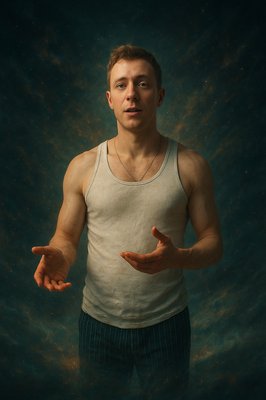
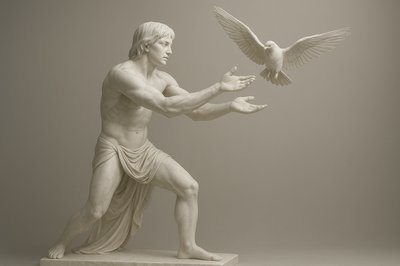
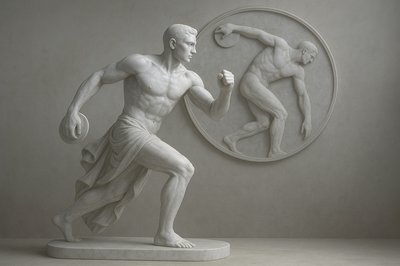
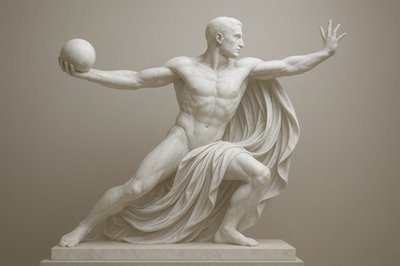
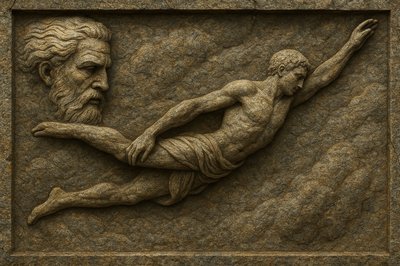
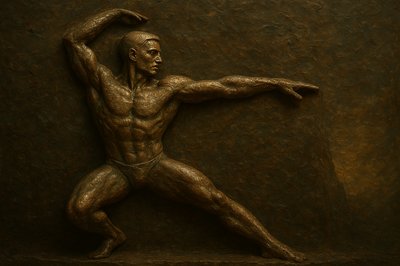
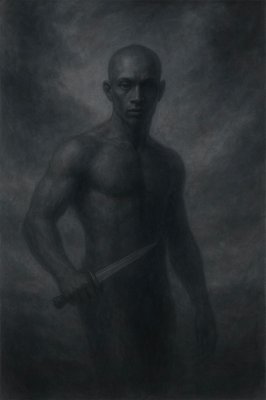
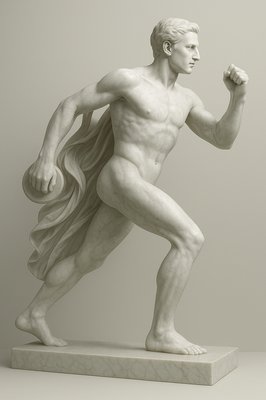
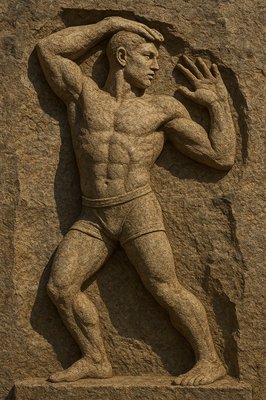
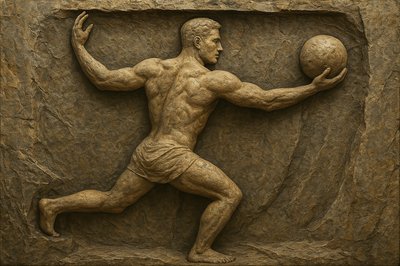
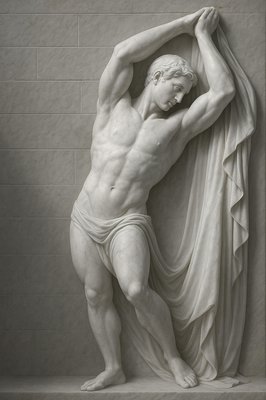
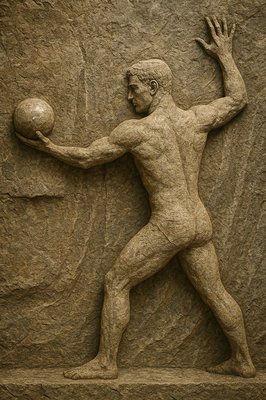
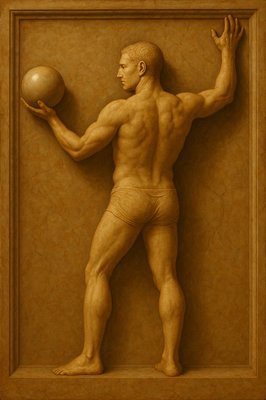
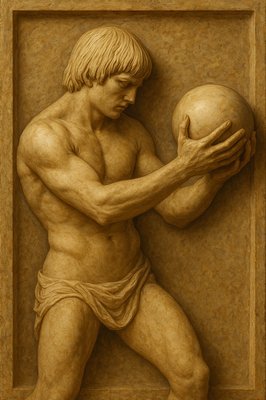
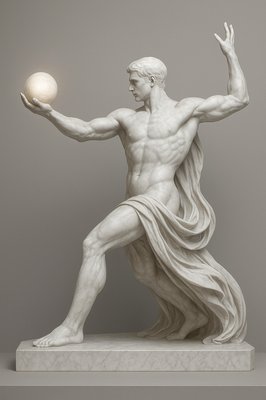
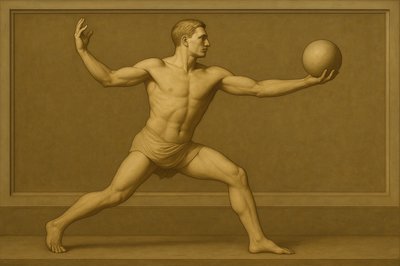
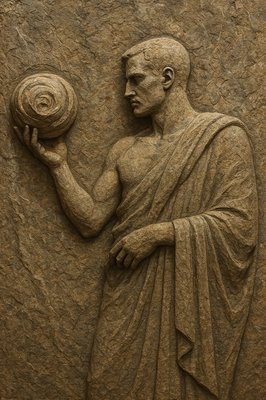
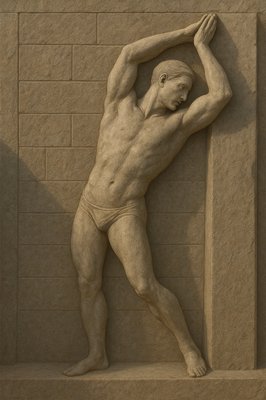
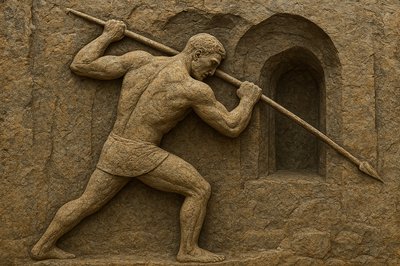
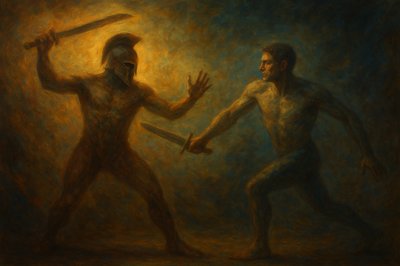
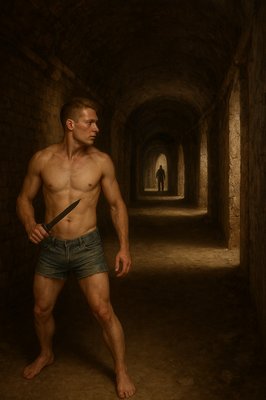
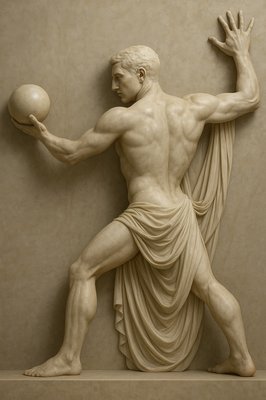
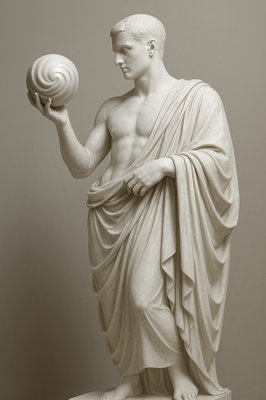
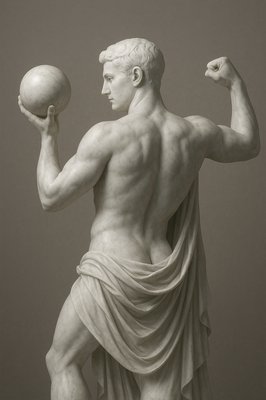
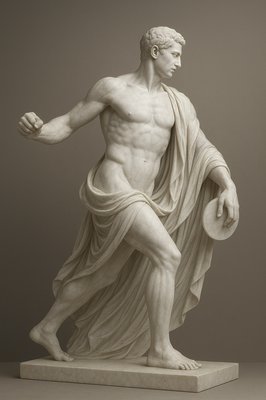
A Painting Of A Man Holding A Sword Next To Another Man Art

a tree in nature
Painting of symbolic doorway or portal to another realm in the art style of Symbolism --v 6.1
a painting of a group of people in a market
urban street with city activity
animal standing in natural pose
portrait of two people together
a painting of a city on a cloudy day
a tree in nature
Ronin facing sunset duel
a painting of a dirt road in a field
a painting of a castle on top of a hill
a group of three girls standing next to each other
Thermochromic Memory Painting Style Transfer Example
a painting of a woman and a wolf
He came as a witness to testify to the light
portrait of two people together
a white truck driving down a road next to a lush green field
animal standing in natural pose
Sunset
Echolocation Visualization Style Transfer Example
wide landscape with natural scenery
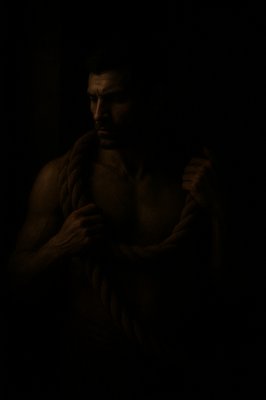
Oil Painting Art Style Style Transfer Example
portrait of a person with expressive eyes
jesus at a field sunset background
Painting of symbolic doorway or portal to another realm in the art style of Symbolism --v 6.1
"A historically accurate depiction of a Ghost Dance, focusing on the late 19th-century context, specifically around 1890-1891. The scene shows Lakota (Sioux) or Northern Paiute people (specify one or include elements of both, but avoid anachronisms) participating in the ceremony.
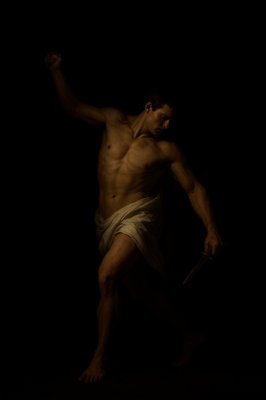
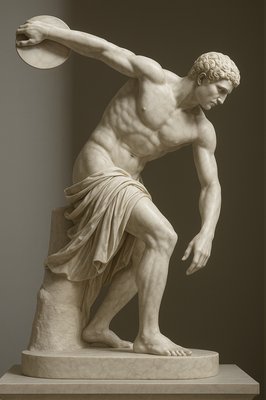
Setting: A vast, open prairie or high desert landscape, under an expansive sky. The time of day could be dusk or night, with a prominent moon or stars, or a bright, clear day. Avoid overtly spiritual or ethereal elements like floating spirits unless explicitly requested for a later, more symbolic iteration. The focus should be on the earthly ceremony.

Participants: A circle of men, women, and children, hand-in-hand, moving in a slow, rhythmic shuffle or circular motion. Their faces show a mixture of devotion, hope, and determination. Some may have expressions of trance or deep concentration.

Attire:

    Ghost Dance Shirts/Dresses: Emphasize the unique Ghost Dance shirts and dresses, which were typically made of muslin or canvas. These garments should feature painted designs such as stars, crescents, birds (especially eagles or crows), buffalo, human figures, or crosses. The designs should appear hand-painted, not mass-produced.

    Hair and Adornments: Participants should have braided hair or wear it long. Some may wear feathers (e.g., eagle or hawk feathers) in their hair. Minimal traditional adornments, as the focus was often on the Ghost Dance shirt itself. Avoid overly elaborate or Hollywood-esque depictions of war bonnets unless relevant to a specific individual and context.

    Footwear: Moccasins or bare feet.

Action/Atmosphere:

    The dancers are moving in a counter-clockwise circle, with a central figure or a small group often leading.

    The overall mood is one of earnest prayer and communal spiritual effort. The dance should convey a sense of hope for renewal and the return of the old ways, rather than aggression or despair.

    There might be a central pole or small fire as a focal point, around which the dance takes place.

    Avoid any signs of direct conflict or violence; the Ghost Dance itself was a non-violent spiritual movement.

Specific Considerations for Accuracy:

    Wovoka's Influence: The teachings of Wovoka (the Northern Paiute prophet) emphasized peace, hard work, and the return of the buffalo and deceased ancestors. The scene should subtly reflect this hopeful, redemptive spirit.

    Regional Variations: If focusing on Lakota, consider their specific interpretations, which sometimes included more imagery related to their warrior traditions on the shirts, but still within the peaceful framework of the dance.

    Respectful Portrayal: Ensure the depiction is respectful and avoids any stereotypical or caricatured representations of Indigenous people. Focus on their human dignity and spiritual sincerity.
An empty dining table set for two
A dramatic, richly detailed scene in the ancient Babylonian royal court. In the foreground, three wise and esteemed Babylonian court magicians (Chaldeans/astrologers) are gathered around a central figure, possibly the king, or intently studying an inscribed clay tablet. They are dressed in opulent, finely woven robes of deep blues, reds, and gold, with elaborate turbans or headwear. Their long, meticulously styled beards and hair indicate their status and wisdom. One magician holds a stylus, another points to intricate cuneiform script on a clay tablet, and the third gazes thoughtfully, perhaps at a celestial chart or into a symbolic brazier. The background reveals the grand, awe-inspiring architecture of the Babylonian palace, with glazed brick walls adorned with depictions of mythical creatures (like the Ishtar Gate lions) and massive, ornate columns. The atmosphere is one of profound intellectual pursuit, ancient wisdom, and mystical interpretation under the watchful eyes of the king. epic fantasy art, cinematic lighting, ultra-detailed, dramatic shadows, mystical glow"
A futuristic cityscape at dawn
Photorealism Art Style, a chaotic and dynamic downhill ski race featuring four WWF-style wrestlers: two muscular women and two powerful men. All four are fiercely competing, wearing over-the-top, classic 90s-era WWF wrestling attire (like bright spandex, signature logos, and knee pads) over their ski boots, on skis. They are actively engaged in wrestling-like maneuvers while skiing—one wrestler might be attempting a headlock, another is pushing an opponent, and one is dramatically dodging. They are speeding down a pristine, snowy mountain slope under bright, clear daylight with pine trees visible in the background. Focus on intense facial expressions, exaggerated action, realistic snow spray, and detailed textures of both wrestling gear and ski equipment.
still life arrangement of fruits and flowers
They shall build houses and inhabit them;
they shall plant vineyards and eat their fruit.

They shall not build and another inhabit;
they shall not plant and another eat;

for like the days of a tree shall the days of my people be,
and my chosen shall long enjoy the work of their hands.
They shall build houses and inhabit them;
they shall plant vineyards and eat their fruit.

They shall not build and another inhabit;
they shall not plant and another eat;

for like the days of a tree shall the days of my people be,
and my chosen shall long enjoy the work of their hands.
They shall build houses and inhabit them;
they shall plant vineyards and eat their fruit.

They shall not build and another inhabit;
they shall not plant and another eat;

for like the days of a tree shall the days of my people be,
and my chosen shall long enjoy the work of their hands.
house with front view
wide landscape with natural scenery
a painting of jesus holding a book
a tree in nature
a black and white photo of a man in a dark room
a painting of a group of people standing in front of a stone arch