A Painting Of A Man Holding A Sword And A Lantern Art

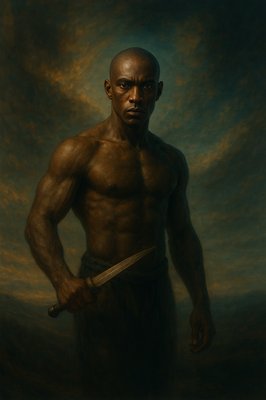
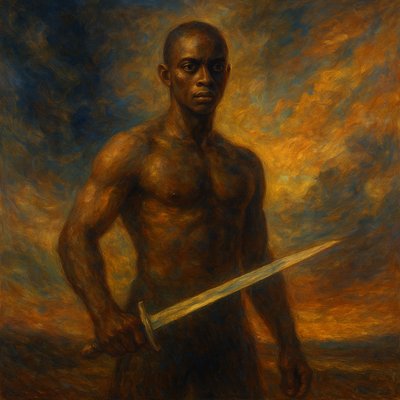
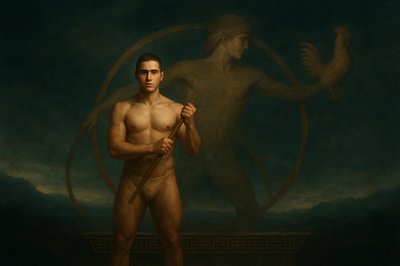
a drawing of a man with a sword
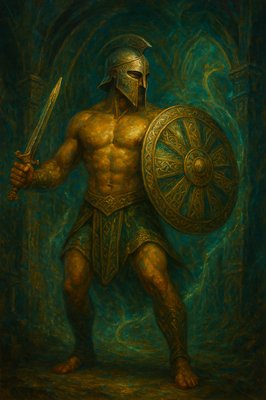
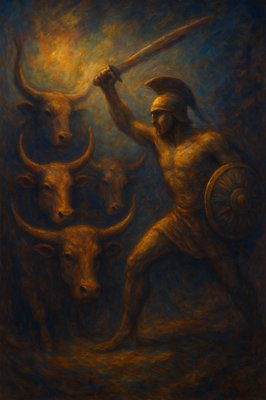
a painting of a man with a helmet and sword
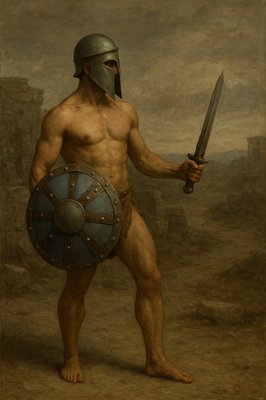
a drawing of a man with a sword and shield
a drawing of a woman holding a sword
a drawing of a man in armor with a sword and a bird on his arm
a black and white drawing of a man holding a lantern
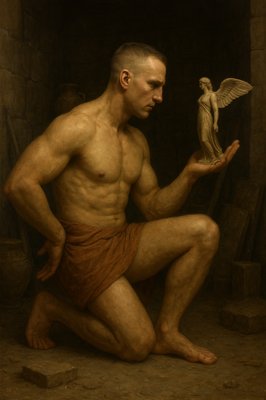
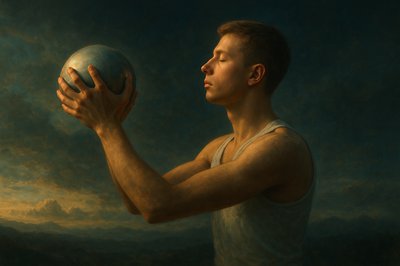
a man in a tank top holding out his hands
Macro Product Photography, Museum Archival Style, Warm Lantern Light. A detailed photograph of a complete, hand-carved set of unique pirate-themed chess pieces arranged loosely on a weathered wooden captain's desk alongside old charts and a compass. The pieces are crafted from a mix of dark aged oak, tarnished cast brass, and accents of stolen gold and rough rubies.

The Ranks:

    The King (Captain): The tallest piece, an imposing Pirate Captain figure with a grand tricorn hat, a long beard, a detailed cutlass, and one boot resting on a miniature treasure chest.

    The Queen (Quartermaster/Pirate Lord): A fierce, elegant female figure with dual flintlock pistols, a flowing coat, and a stern, commanding expression.

    The Bishops (Navigators/Voodoo Priests): Hunched figures holding sextants and mystical skull staffs, adorned with beads and feathers.

    The Knights (Boarding Party): Dynamic pieces showing a pirate mid-swing on a rope, holding a grappling hook and a boarding axe.

    The Rooks (The Ship/Fort): Heavy, fortified pieces shaped like the barnacle-covered stern castle of a galleon, bristling with tiny cannons.

    The Pawns (The Crew): A group of smaller, identical scruffy deckhands holding mops, buckets, and simple daggers.

The focus is sharp on the intricate textures of the wood grain and metalwork.
Macro Product Photography, Museum Archival Style, Warm Lantern Light. A detailed photograph of a complete, hand-carved set of unique pirate-themed chess pieces arranged loosely on a weathered wooden captain's desk alongside old charts and a compass. The pieces are crafted from a mix of dark aged oak, tarnished cast brass, and accents of stolen gold and rough rubies.

The Ranks:

    The King (Captain): The tallest piece, an imposing Pirate Captain figure with a grand tricorn hat, a long beard, a detailed cutlass, and one boot resting on a miniature treasure chest.

    The Queen (Quartermaster/Pirate Lord): A fierce, elegant female figure with dual flintlock pistols, a flowing coat, and a stern, commanding expression.

    The Bishops (Navigators/Voodoo Priests): Hunched figures holding sextants and mystical skull staffs, adorned with beads and feathers.

    The Knights (Boarding Party): Dynamic pieces showing a pirate mid-swing on a rope, holding a grappling hook and a boarding axe.

    The Rooks (The Ship/Fort): Heavy, fortified pieces shaped like the barnacle-covered stern castle of a galleon, bristling with tiny cannons.

    The Pawns (The Crew): A group of smaller, identical scruffy deckhands holding mops, buckets, and simple daggers.

The focus is sharp on the intricate textures of the wood grain and metalwork.
a black and white drawing of a man holding a lantern
At her Mother's house in Penang, Wing Sun's mother, a beautiful chinese woman in her 30s, is standing in her bedroom looking out the window at night.  We see her from a quarter view inside the room.  She is pensive and an air of tension fills the room as she remembers growing up in this house.  Her hair is long and black, and she's wearing her housecoat.  A lantern gives low light inside the room.  It's raining outside.
At his Grandmother's house in Penang, Wing Sun is lying down on a futon in his bedroom, covered up with a beautiful lightweight quilt Grandma made.  Outside his room the rain is coming down.  In Penang, every corner of the old town—every whisper of the wind through ancient trees—seems to echo with promises of renewal and love. And as the rain softens outside, Wing-Sun closes his eyes with the comforting knowledge that every detour, every farewell, is simply a step toward a new beginning.  A lantern gives soft light to the room, and all is quiet.
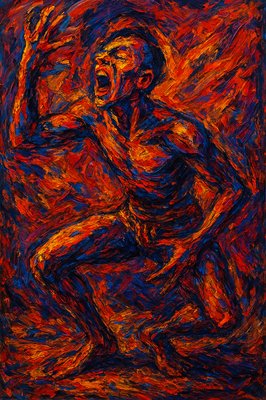
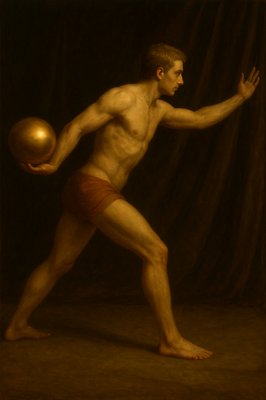
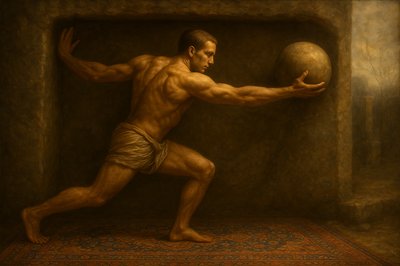
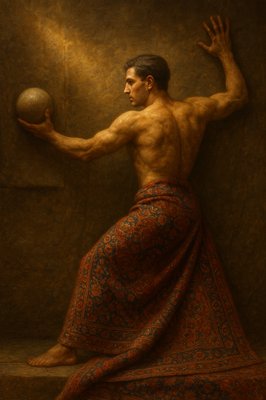
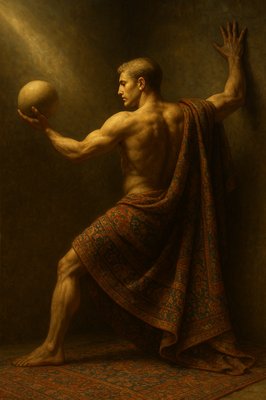
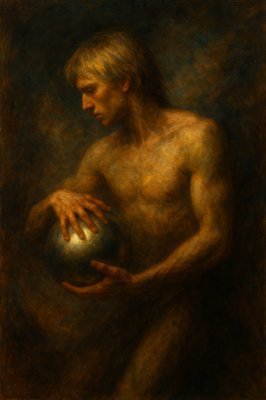
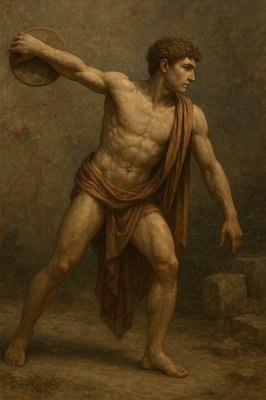
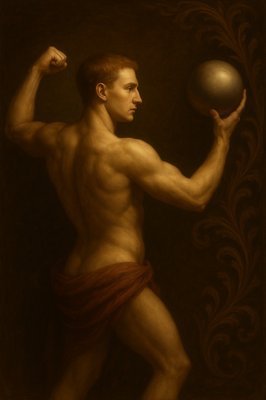
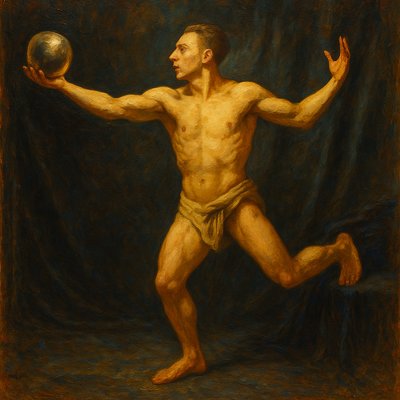
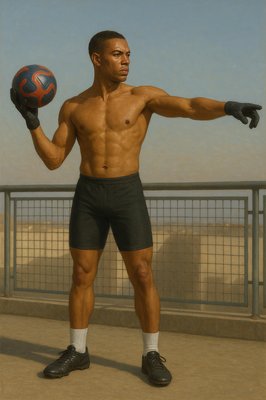
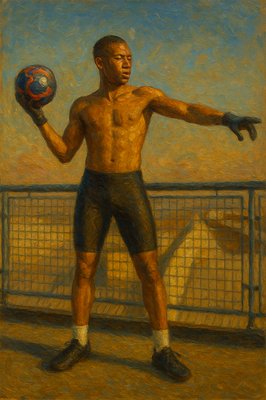
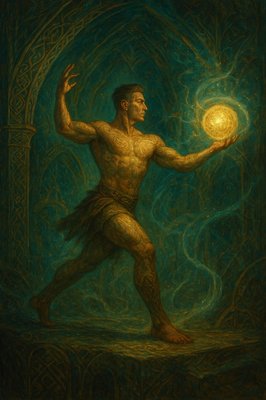
a drawing of a man holding a ball
a drawing of a man with a sword in his hand
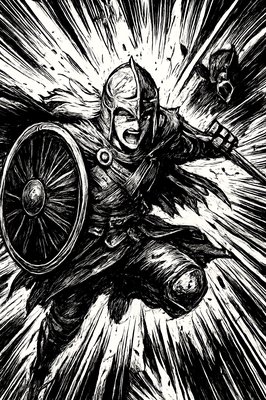
a drawing of a man in armor with a sword and shield
a man with a sword standing in the snow
a drawing of a man with a sword in his hand
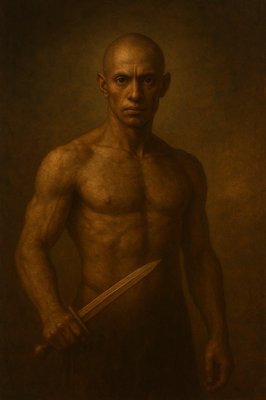
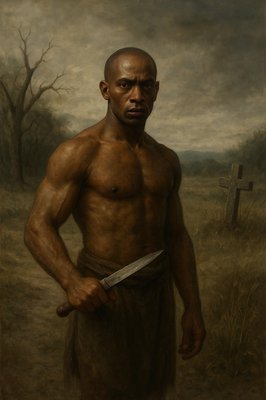
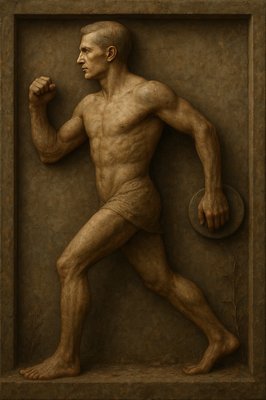
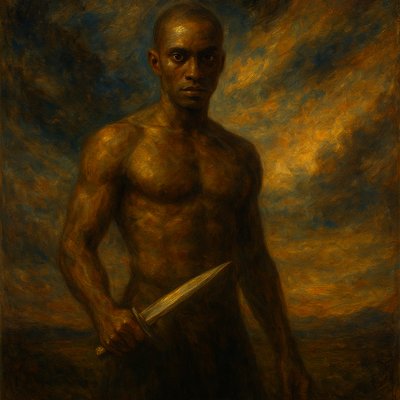
a statue of a man holding a knife
a drawing of a man holding a gun
a painting of an angel with a sword
a painting of a woman in a medieval costume holding a sword
Inside a large office building in London, on the 5th floor, Wing Sun's father, a Chinese Malaysian man in his 30s, speaks to his counterpart in the company, and English man, about business.  Other workers are seated at their desks and standing at a copy machine.  There are some Black people, but mostly British.  One whole wall of the room is glass and we can see something of London outside.
a painting of a woman with a sword
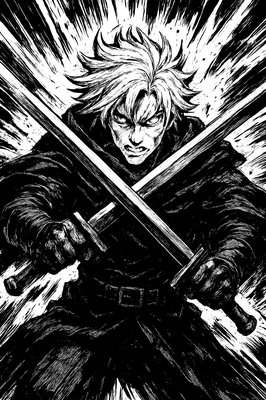
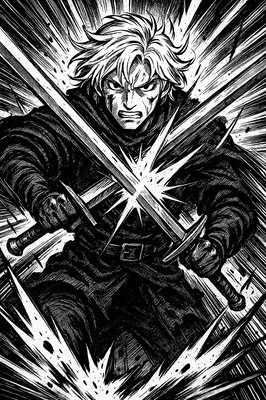
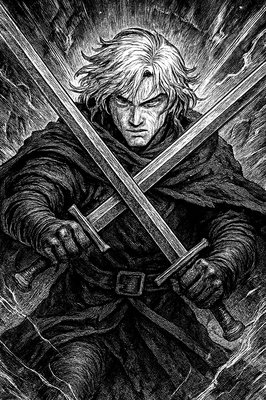
a drawing of a woman holding two swords
Art Style: Classical Oil Painting on Canvas. A mix of the Hudson River School for the landscape and Dutch Golden Age for the cozy, interior glow. Rich, blended brushstrokes and a heavy emphasis on "Chiaroscuro" (the contrast between dark and light).

The Scene: A majestic, ancient oak tree stands as a beacon in a twilight forest. The tree is a vertical village; dozens of tiny, warm-orange lights glow from windows carved into the bark and from lanterns hanging on crooked branches.

The Details: > * The Owls: In the foreground, a large, painterly Great Horned Owl is mid-landing, its wings spread wide, showcasing soft, feathered textures. A small gnome in a weathered red cap is leaning out from a leather saddle, waving a tiny lantern.

    The Treehouse: Wooden stairs wind around the trunk like a spiral, and laundry lines with tiny clothes stretch between branches.

Lighting & Color: The sky is a deep, romantic "Maxfield Parrish" blue, transitioning into a soft apricot sunset on the horizon. The foliage is rendered in deep forest greens and burnt umbers.

Texture: The overall feel should be "thick"—you can almost see the texture of the oil paint and the cracked varnish of an old museum piece.
a painting of a market scene with a man selling fruit
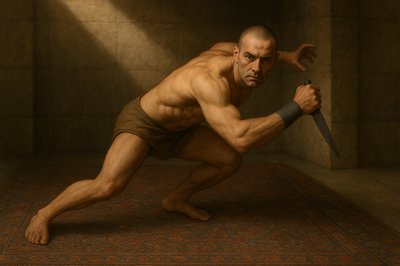
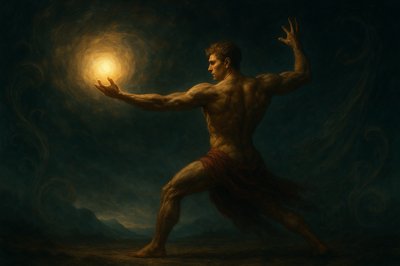
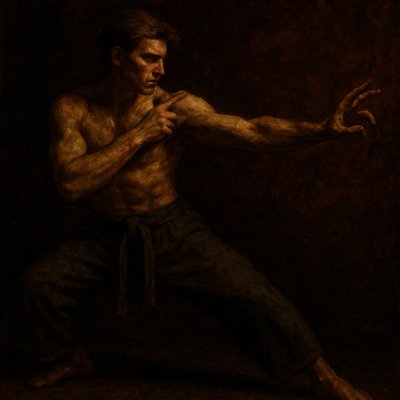
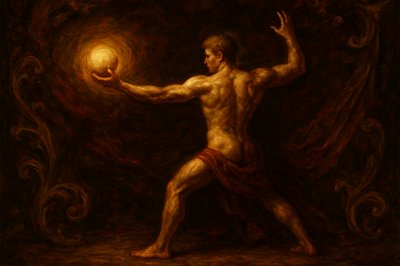
a painting of a shirtless man doing karate
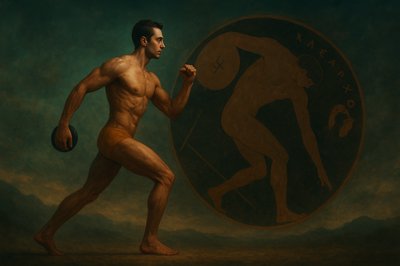
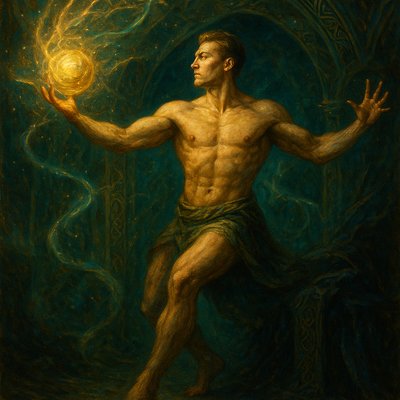
a painting of a man with his arms outstretched
A historically accurate and atmospheric depiction of the signing of the Mayflower Compact aboard the ship in November 1620. The scene is set in the dimly lit, cramped cabin of the Mayflower, with the ship's timbers and rigging subtly visible, conveying the challenging conditions of the voyage. A simple table or chest serves as the signing surface. The primary focus is on a small group of the last individuals signing the document: specifically, the indentured servants (or 'strangers' not directly part of the Separatist congregation) approaching or at the table. Their expressions show a mix of weary determination, understanding of the necessity, and perhaps a hint of quiet apprehension or resignation to this new social contract, given their status. They are dressed in the plain, practical clothing typical of 17th-century commoners and laborers. Figures of prominent Pilgrims or 'Saints' (like William Bradford or John Carver) are visible in the background, observing the proceedings with a sense of gravity and leadership, but they are not the central focus. The lighting is low and warm, perhaps from a lantern, creating a chiaroscuro effect that highlights the faces of the signers. The atmosphere conveys the momentousness of the act under difficult circumstances, the diverse composition of the group, and the early seeds of self-governance in a new world. The artistic style is a realistic, historically detailed oil painting, capturing the solemnity and human element of this pivotal historical moment."
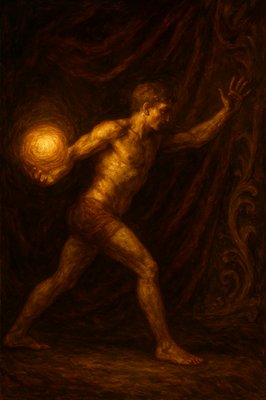
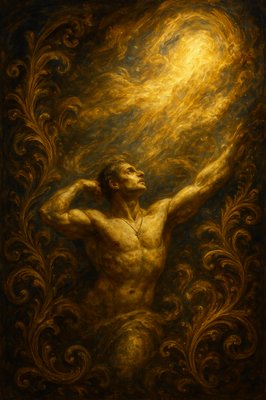
a painting of a man floating in the air
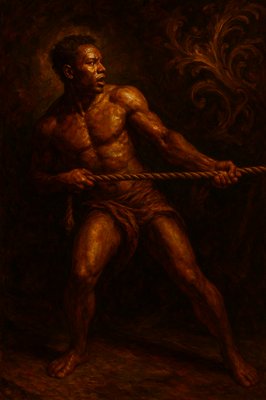
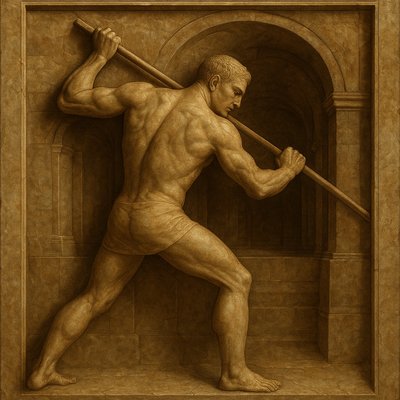
a man holding a rope in his hands
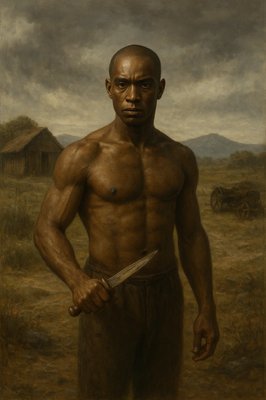
a man holding a pair of scissors in his right hand
A historically accurate and atmospheric depiction of the signing of the Mayflower Compact aboard the ship in November 1620. The scene is set in the dimly lit, cramped cabin of the Mayflower, with the ship's timbers and rigging subtly visible, conveying the challenging conditions of the voyage. A simple table or chest serves as the signing surface. The primary focus is on a small group of the last individuals signing the document: specifically, the indentured servants (or 'strangers' not directly part of the Separatist congregation) approaching or at the table. Their expressions show a mix of weary determination, understanding of the necessity, and perhaps a hint of quiet apprehension or resignation to this new social contract, given their status. They are dressed in the plain, practical clothing typical of 17th-century commoners and laborers. Figures of prominent Pilgrims or 'Saints' (like William Bradford or John Carver) are visible in the background, observing the proceedings with a sense of gravity and leadership, but they are not the central focus. The lighting is low and warm, perhaps from a lantern, creating a chiaroscuro effect that highlights the faces of the signers. The atmosphere conveys the momentousness of the act under difficult circumstances, the diverse composition of the group, and the early seeds of self-governance in a new world. The artistic style is a realistic, historically detailed oil painting, capturing the solemnity and human element of this pivotal historical moment."
a painting of jesus holding a book
a painting of jesus holding a book and a heart
a painting of a man in a kimono
a painting of a man standing in the water
a painting of a man in armor with lightning in the background